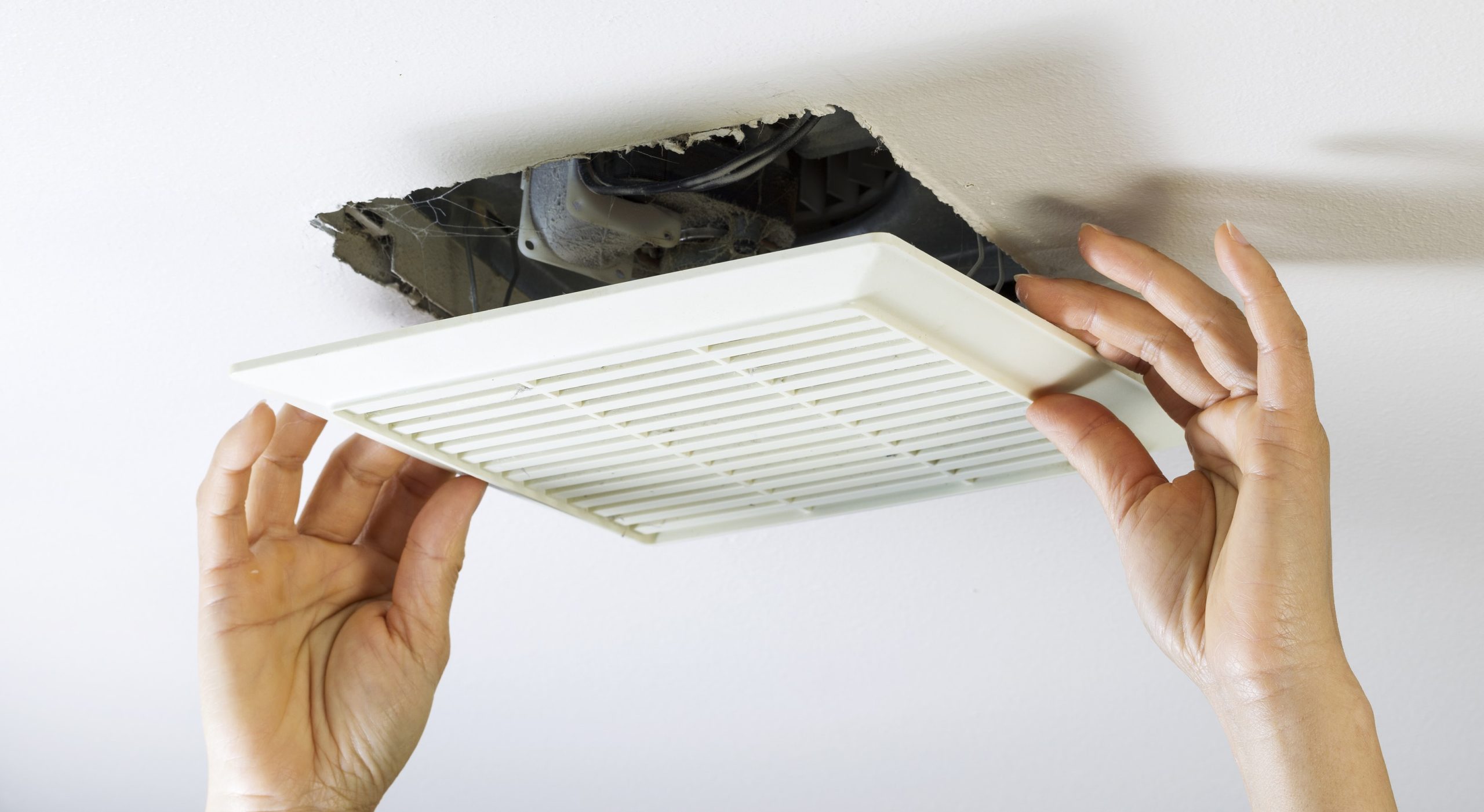
Tag: Ventilation Fan

  • Understanding the Importance of Ventilation Fan in Your Home

    Understanding the Importance of Ventilation Fan in Your Home

    Are you aware of the significance of having a ventilation-fan in your home? Ventilation-fans play a crucial role in maintaining good indoor air quality, preventing the build-up of moisture, and eliminating odours. In this blog post, we will explore the various benefits of having a ventilation fan in your home and provide you with essential information on how to choose the right one for your specific needs.

    Understanding the Basics of Ventilation-Fans

    Ventilation-fans facilitate air movement within enclosed spaces such as kitchens, bathrooms, and lofts. Their primary function is to extract damp air and moisture, ensuring it is replaced by fresh air from outside. This mechanism is critical for moderating humidity levels and purging indoor air of pollutants, thereby enhancing the overall air quality within a home.

    These devices draw stale, moist air out of a room, which is then expelled to the exterior, preventing the accumulation of moisture that could lead to various issues, including mould and unpleasant odours. Understanding the operational dynamics of ventilation-fans is crucial for homeowners to appreciate their significance in maintaining a healthy living environment. By promoting outdoor air circulation into indoor spaces, these fans play a pivotal role in safeguarding the well-being of residents by minimising the concentration of indoor contaminants.

    The Health Benefits of Proper Home Ventilation

    Ensuring your home benefits from adequate ventilation is pivotal for sustaining a healthy living environment. A well-ventilated home helps dilute and displace indoor pollutants, which can originate from various sources such as cleaning agents, cooking fumes, and off-gassing from furniture and building materials.

    Introducing fresh air into the home significantly reduces the concentration of these pollutants, thereby diminishing the risk of health issues associated with poor air quality, including headaches, dizziness, eye irritation, and long-term respiratory problems. Ventilation-fans play an integral role in this process by actively removing polluted air inside the house and allowing fresh air to enter.

    This constant exchange of air ensures that potential health hazards, such as carbon monoxide and radon gas, are significantly reduced. In areas of high humidity, such as bathrooms and kitchens, the enhanced air movement provided by ventilation-fans also helps manage moisture levels. This is beneficial for preventing mould and mildew growth, which are known to cause various health issues and for creating a more comfortable living environment by reducing excess humidity.

    How Ventilation-Fans Prevent Mould Growth

    A key advantage of incorporating a ventilation-fan into your home is its efficacy in mitigating the risk of mould proliferation. Mould, a persistent issue in many homes, finds its ideal habitat in moist and poorly ventilated environments. By actively removing the excess moisture that bathrooms and kitchens frequently amass, ventilation-fans tackle the conditions mould spores require to germinate and expand.

    This proactive approach to moisture management is critical in home areas prone to high humidity levels. The consistent exchange of damp indoor air for drier outdoor air assists in maintaining an environment that is less hospitable to mould.

    This not only helps safeguard the structural integrity of your home by preventing the damage that mould can cause but also contributes to a healthier living space by reducing the presence of mould spores that can harm respiratory health. Ventilation-fans, therefore, offer a simple yet effective solution to a common household concern, ensuring your home remains a safe and comfortable space for all occupants.

    The Role of Ventilation-Fans in Eliminating Odours

    Ventilation-fans hold a paramount position in combating unwelcome smells within domestic settings. These odours, ranging from culinary aromas lingering long after a meal has been prepared to the musty scent of dampness or even pet-related smells, can significantly impact a home’s comfort and perceived cleanliness. A ventilation-fan operates by expelling these odours directly outside, thus preventing them from becoming entrenched within the fabric of the home’s interior.

    In kitchens, where the amalgamation of various cooking smells can become particularly pervasive, installing an adequately sized ventilation-fan ensures that odours are swiftly dealt with, maintaining a neutral atmosphere. Similarly, a ventilation-fan is invaluable in sustaining a fresh and odour-free environment in bathrooms, where humidity and odour combine.

    The effectiveness of a ventilation-fan in odour control is enhanced when positioned strategically in areas prone to poor air quality or high humidity. By actively removing the source of the odour and facilitating fresh air, ventilation-fans offer an efficient and discreet solution to maintaining an inviting and odour-neutral living space. Their role extends beyond mere air circulation; they are a critical component in preserving the aromatic cleanliness of a home.

    Choosing the Right Ventilation Fan for Your Home

    Selecting an appropriate ventilation fan involves more than picking any model off the shelf. Consideration of the room’s dimensions is pivotal, as a fan that is too small will be ineffective, while one that is excessively large could lead to unnecessary energy consumption. The volume of air the fan can move, measured in cubic feet per minute (CFM), should match the size of your space to ensure efficient air exchange.

    In addition, the specific needs of each room must be accounted for. Kitchens and bathrooms, for instance, generally require more powerful fans due to the higher levels of humidity and odours they produce. Noise level is another critical factor. Fans are rated by their noise output in sones; the lower the sone rating, the quieter the fan.

    Selecting a fan with a low sone rating can help maintain a peaceful environment, particularly in bedrooms or study areas. Consider the fan’s installation process. While some models are straightforward and can be installed by a competent DIYer, others may necessitate professional fitting, especially if ductwork needs to be routed or expanded. Ensuring the fan is correctly installed is crucial for optimal performance and to avoid any structural damage to your property.

    Installation and Maintenance Tips for Ventilation-Fans

    Ensuring the optimal performance of your ventilation-fan involves proper installation followed by regular maintenance. Here are some essential tips to keep in mind:

    Select the Correct Position

    The location of your ventilation-fan significantly affects its efficiency. For bathrooms and kitchens, install the fan as close as possible to the source of moisture or odours. Ensure it’s positioned to facilitate direct airflow to the outside, avoiding long duct runs that can reduce the fan’s effectiveness.

    Check for Secure Fitting

    During installation, ensure the fan is securely attached to the ceiling or wall, and all ducting is firmly connected. Any gaps or loose fittings can lead to air leakage, diminishing the fan’s capacity to ventilate effectively.

    Regular Cleaning

    Dust and grime accumulation can hinder your fan’s performance over time. Clean the fan blades, housing, and grille every three to six months to maintain optimal functionality. Switch off the power supply before cleaning to avoid electrical hazards.

    Inspect and Replace Filters

    Some ventilation-fans come with filters to help purify the air. These filters must be checked regularly and replaced per the manufacturer’s recommendations. Clogged filters can restrict airflow and reduce the efficiency of your fan, compromising indoor air quality. Ventilation Fan

    Energy Efficiency and Ventilation-Fans

    When opting for a ventilation-fan, its energy efficiency should be at the forefront of your considerations. Fans marked with an Energy Star certification are known for their superior efficiency, contributing to reduced electricity usage and, consequently, lower household expenses.

    These models operate at peak performance whilst utilising minimal energy, aligning with environmental sustainability and economic savings. Incorporating features like sensors or timers further enhances this efficiency by ensuring the fan activates only when necessary, such as during high humidity or when pollutants are detected, thus avoiding constant operation that can lead to energy wastage.

    It’s advisable to explore models equipped with these technologies, as they represent an intelligent investment, optimising energy consumption without compromising air quality or comfort within the home. Opting for such a fan signifies a step towards greener living and effectively ensures a balanced approach to managing air quality and energy usage.

    Ventilation-Fans and Building Regulations

    Navigating the maze of building regulations is a fundamental step when considering the installation of a ventilation-fan in your residence. Local building codes often stipulate the necessity for such installations, especially in areas of your home where moisture and pollutants are prevalent, like bathrooms and kitchens. It’s crucial to familiarise yourself with these requirements to ensure your home not only benefits from improved air quality but also strictly complies with regulatory standards.

    Before embarking on the installation process, consulting with your local council or building authority can clarify specific guidelines that must be adhered to. These regulations include stipulations on the type of ventilation-fan that can be used, its installation location, and the minimum performance standards it must meet. For instance, certain jurisdictions may mandate using fans who possess Energy Star certification to promote energy conservation.

    Additionally, for homes under renovation or new construction, plans that detail the ventilation strategy, including the placement and specifications of ventilation-fans, might need to be submitted for approval before proceeding. This preemptive step can mitigate the risk of future legal or compliance issues, ensuring your ventilation system is practical and legally sound.

    Conclusion

    In this post, we have explored the multifaceted benefits of integrating a ventilation-fan into your home. From enhancing air quality to preventing mould growth and eliminating odours, the role of a ventilation-fan is undeniably pivotal for maintaining a healthy and comfortable living environment. Choosing the right fan, ensuring it’s energy-efficient, and adhering to proper installation and maintenance practices can significantly contribute to your home’s well-being. Additionally, familiarising yourself with local building regulations is essential. Remember, investing in a ventilation-fan is not just about improving air circulation; it’s about investing in your and your family’s health.

    FAQs

    Where can a ventilation-fan be installed?

    A ventilation-fan can be installed in various locations, including bathrooms, kitchens, attics, and basements. The specific placement depends on the area that requires improved air circulation and moisture control. For example, a ventilation-fan is crucial for preventing mould growth by reducing humidity in bathrooms.

    How does a ventilation-fan improve indoor air quality?

    By continuously exchanging indoor air with outdoor air, a ventilation-fan helps to dilute pollutants and reduce the concentration of harmful substances such as carbon dioxide, volatile organic compounds (VOCs), and allergens. This process promotes a cleaner and healthier indoor atmosphere.

    What factors should be considered when choosing a ventilation fan?

    When selecting a ventilation fan, consider factors such as the size of the room, the fan’s airflow capacity (measured in cubic feet per minute or CFM), noise level, energy efficiency, and the type of control (manual or automatic). A ventilation-fan with the appropriate CFM rating for the room size will ensure optimal performance.

    How often should a ventilation-fan be cleaned or maintained?

    Regular maintenance of a ventilation-fan is essential for its efficient operation. Depending on usage, it is recommended that the fan and its components be cleaned every three to six months. This involves removing dust, dirt, and debris from the fan blades, grille, and motor to prevent blockages and ensure smooth functioning.

    Can a ventilation-fan help with temperature control?

    While primarily designed for air circulation and quality, a ventilation-fan can also assist with temperature control by dispersing heat and reducing the strain on heating and cooling systems. This can lead to a more consistent indoor temperature and lower energy bills.

    Other Good Articles to Read
    jason toff blogs
    thumb blogs
    blog shifter
    social book marking blogs
    free blogs template
    blog solidaire
    michael coyne blog
    born free blog
    oz blog hosting
    indepth news
    link forum
    Related Business Listings
    Contact Directory
    Local Business Profiles
  • How is the Ventilation Fan Suitable for housing, apartments, student accommodation and aged care facilities?

    How is the Ventilation Fan Suitable for housing, apartments, student accommodation and aged care facilities?

    Ventilation Fan is a great way to improve the air quality in many different areas of your home or workplace. It’s important to understand the difference between an exhaust fan and an intake fan, as well as when each one is best used.

    It helps to improve energy efficiency.

    Ventilation fans are a great way to improve the energy efficiency of your home or apartment. They can be used to help keep your house cool in summer, and warm in winter. The addition of a ventilation fan will make any property more comfortable for occupants, as well as reducing energy bills!

    Ventilation fans are an essential addition to any home or apartment – whether it’s a new build or an existing dwelling that needs some TLC.

    It helps to enhance the quality of air.

    The ventilation fan is designed to help improve the quality of air in your home. It will do this by removing excess moisture and pollutants, allowing fresh air to circulate through your home.

    It’s important to have a good airflow in your house as it can reduce the risk of respiratory problems such as asthma, allergies and lung disease. The right type of ventilation system will depend on what type of housing you live in (apartment block or house). For example:

    • An apartment block usually has centralised systems which means they have ducted vents throughout the building that draw fresh outside air into each apartment via an exhaust outlet near each window or door frame. If this isn’t working properly then stale odours could become trapped inside so it’s important for these systems to be maintained regularly by qualified professionals who know how best keep them clean without causing any damage such as mould growth etcetera!Ventilation Fan

    It helps to keep your home or workplace cool in the summer and warm in the winter.

    A ventilation fan helps to reduce the temperature in your home or workplace, which can be particularly useful for those living in hot climates. In addition to this, it also helps keep your home cool during summer and warm during winter.

    Ventilation fans are highly effective at controlling mould growth with their built-in dehumidifiers. They do this by pulling moisture out of the air and releasing it through condensation onto their internal cooling coils (called evaporator coils). The air then passes over these coils before being expelled back into the room via vents or ducts located on top of the unit’s casing.

    You may have heard that these devices are noisy but don’t worry! With today’s technology there are now quieter options available than ever before so you won’t suffer sleepless nights thanks to loud whirring sounds coming from above your head.

    Ventilation fans can be used in many rooms – including bedrooms, kitchens, bathrooms, laundry rooms and living areas.

    Ventilation fans can be used in many rooms – including bedrooms, kitchens, bathrooms, laundry rooms and living areas.

    They’re also popular in student accommodation and aged care facilities.

    They’re great for improving indoor air quality in homes, apartment buildings and student accommodation.

    Ventilation fans are great for improving indoor air quality in homes, apartment buildings and student accommodation. They help to remove pollutants like volatile organic compounds and carbon monoxide, which can be present in the air we breathe.

    Ventilation fans also remove moisture from the air, which can cause mould growth on walls and ceilings if left untreated. This is especially important for people living in apartments or student accommodation where there are many people living under one roof with limited access to fresh air through windows or doors.

    Finally, ventilation fans play an important role in aged care facilities where residents often have respiratory conditions such as asthma that require extra assistance from their environment (elevated humidity levels)

    Ventilation fans are highly effective at controlling mould growth with their built-in dehumidifiers.

    Dehumidifiers are an essential addition to any home or apartment. They help to reduce the amount of moisture in the air, which can help to prevent mould growth and other health problems.

    Dehumidifiers work by removing moisture from the air using a refrigeration system that extracts water droplets through evaporation. These units are often used in basements, laundry rooms and bathrooms where there is high humidity due to condensation on pipes or shower walls. However they are also beneficial in areas such as bedrooms where excess humidity may cause respiratory problems such as asthma attacks because it makes breathing more difficult for sufferers.

    They’re simple to install, even if you don’t have much experience working with electrical systems.

    Ventilation fans are easy to install, even if you don’t have much experience working with electrical systems. You can hire a professional to do the job for you or do it yourself with the right tools and safety precautions in place.

    The first thing to consider when installing a ventilation fan is whether or not it needs wiring. Most do, but some models come with built-in batteries so they can run without being plugged into an outlet or power source. If this type of ventilator sounds like what’s best suited for your needs then check its specifications before buying one; make sure that the battery life will last long enough for whatever situation it will be used in (usually at least 24 hours).

    Ventilation fans are an essential addition to any home or apartment

    Ventilation fans are an essential addition to any home or apartment. They help to improve energy efficiency, enhance the quality of air and keep your home or workplace cool in the summer and warm in the winter.

    Ventilation fans work by drawing fresh air into a room through vents on windowsills or doors, while simultaneously removing stale air from within the room. This process creates a constant flow of fresh air throughout your living space so that you can breathe easily without being impacted by harmful pollutants such as dust particles or mold spores–all while lowering your energy bills at home!

    Ventilation fan is used in various places, such as houses, apartments, student accommodation and aged care facilities.

    Ventilation fans are used in many places, such as houses, apartments, student accommodation and aged care facilities.

    It is important to understand how ventilation fans work and what kind of ventilators are suitable for your home.

    Ventilation fans work by drawing air in from one space and forcing it out into another space.

    Ventilation fans work by drawing air in from one space and forcing it out into another space. This can be done through the use of exhaust fans, which pull air out of a room or building; or intake vents, which draw fresh air in through windows and doors.

    Ventilation fans are used extensively in residential homes, commercial buildings and industrial areas such as factories and warehouses. They’re also commonly found within housing complexes such as apartment blocks or boarding houses where there’s no access to outdoor windows for natural ventilation (such as during winter).

    Ventilation systems help reduce moisture levels within enclosed spaces by removing excess humidity via evaporation and providing an efficient means for circulating fresh air throughout any given area – especially when other means aren’t available!

    For example, they can remove hot air from a kitchen or bathroom or ventilate a room or area.

    Ventilation fans are used in various places, such as houses, apartments, student accommodation and aged care facilities. They work by drawing air in from one space and forcing it out into another space.

    There are three main types of ventilation fans – exhaust fans, roof-mounted exhaust fans and roof-mounted intake fans.

    There are three main types of ventilation fans – exhaust fans, roof-mounted exhaust fans and roof-mounted intake fans.

    Exhaust fans remove hot air from the kitchen or bathroom. They’re often located in the ceiling to draw warm air out of a room via a vent on the wall.

    Roof-mounted exhaust fans are more powerful than exhaust fans because they have larger blades and motors. They’re also more efficient at removing moisture from your home as they force heated air through an external wall rather than into an internal space (like an attic).

    Roof-mounted intake fans can be used to draw in fresh air from outside by pulling it through vents in your roof before circulating it throughout your home or office building

    All three types can be used in many environments, including housing, apartments, student accommodation and aged care facilities.

    Ventilation fans are a great option for any environment. They can be used in housing, apartments, student accommodation and aged care facilities.

    The main reason why ventilation fans are so suitable is because they’re able to remove stale air from the room while bringing in fresh air from outside. This helps keep the air quality high in your home or office so that everyone who uses it feels comfortable and healthy at all times.

    Ventilation fan provides fresh air at no cost in many different indoor areas.

    A ventilation fan is a device that helps to improve indoor air quality by providing fresh air into your home or building. Ventilation fans are used in many areas, including housing, apartments, student accommodation and aged care facilities.

    They can be used in many rooms – including bedrooms, kitchens, bathrooms and laundry rooms – as they are designed to operate quietly while keeping you comfortable at all times.

    The most common types of ventilation fans include:

    • Ceiling mounted units – these are suitable for use in kitchens or bathrooms;
    • Wall mounted units – ideal for rooms such as bedrooms where floor space may be limited;
    • Exhaust fans with ducting options available so that the unit itself doesn’t need to be placed directly above where it needs to draw air from (e.g., if there isn’t enough room under your house’s eaves);

    Conclusion

    We hope you enjoyed reading this article, and we encourage you to share it with your friends and family. If you have any questions about ventilation fans or would like more information on how they can help improve the quality of air in your home or workplace, please contact us today!

    Articles on refuge blogs
    Articles on gabrielle blogs
    Articles on jason toff blogs
    Articles on blog shifter
    Articles on social bookmarking blogs
    Articles on free blogs template
    Articles on niche blogs connect
    Articles on blogs 97
    Articles on blog stitution
    Articles on blogs unplugged
  • Use a ventilation fan for a refreshed and healthier home

    Use a ventilation fan for a refreshed and healthier home

    Ventilation is one of the easiest things to neglect at home. Unfortunately, that can negatively affect indoor air quality and your health. One way to improve ventilation in your home is by installing a ventilation fan. They are a great way to improve the air quality in your home. They can reduce moisture, airborne particles and odours, which makes them perfect for bathrooms and kitchens. They can also be used in attics!

    It not only helps to reduce moisture

    It is not only helps reduce moisture and mould but also dust and allergens. It can help you breathe easier by reducing airborne particles like pollen, pet dander, dust mites and other allergens in your home. Moisture is the biggest enemy of wood floors because when it’s left unchecked for too long, it causes them to rot quickly. You must install a high-quality fan if you’re going to be installing one in your house because they will work more efficiently than cheaper models on the market today.

    It is necessary to serve as an exhaust point in the bathroom and kitchen

    It is necessary to serve as an exhaust point in the bathroom and kitchen. It is beneficial for removing moisture from the bathroom and kitchen, which prevents mould growth within these rooms. It also helps reduce odours, prevent steam accumulation on windows and walls and reduces humidity levels, which can help you avoid mould growth in these areas.

    It keeps moisture in check and helps prevent mould or mildew from taking hold in your space

    If you have a house with insulation and the right temperature, you may not need a  fan. However, if your home has poor insulation or is too hot or cold, it might be time to install a ventilation of fan. It help keep moisture in check and prevent mould and mildew from taking hold in your space. Mould spores release when they get wet; if there’s too much moisture around them (like on windowsills), they can spread quickly throughout your home—and even beyond! A sound ventilation system will remove all water from these areas so that no spores can grow there either—meaning fewer health problems down the road for everyone who lives there!

    Ventilating is different from exhausting.

    Knowing the difference between a ventilation and an exhaust fan is essential. In lay terms, fans that ventilate are used to move air in and out of space, while fans that exhaust are used to remove air from the same room. Ventilation (also known as whole-house ventilation systems) can help keep your home clean, dry, and healthy; however, due to their operation is less precise than other types of ventilation methods.

    The house’s ventilation during construction or renovation is essential for preventing mould

    • Ventilation during construction or renovation is essential for the prevention of mould.
    • The building codes specify that a certain minimum amount of ventilation must be provided in new homes, but this does not address the risks of existing structures.
    • Ventilation during construction or renovation is essential to avoid creating an environment where mould can thrive.

    A ventilation fan is a mechanical system that removes terrible odours

    You can use a ventilation fan to remove foul odours from your home. It is used to ventilate the house, removing harmful gases and particles in the air. Good ventilation helps to improve indoor air quality by removing these gases and particles from your home. A ventilation fan also helps you stay healthy by ensuring that there are no harmful substances in your home environment.

    Consider how much noise a ventilation of fan makes before buying one

    Before you purchase a ventilation of fan, consider how much noise it will make. While most people don’t mind the sound of a small fan in their home, others may find it intrusive, especially if they have sensitive hearing or live in close quarters with other family members. If you think your fan will be too loud for your needs and preferences, look for another model with less noise output. You can also determine if a it will be acceptable based on how much noise you tolerate during the day versus at night or when others are sleeping nearby (e.g., in the same room).

    Ventilation is one of the easiest things to neglect at home

    Ventilation is one of the easiest things to neglect at home. It doesn’t make much noise, and unless it’s hot or cold outside, you might not notice if it isn’t working correctly. But ventilation is essential for health and comfort, energy efficiency, safety and quality of life—not just yours but also your family members who could be affected by poor indoor air quality (IAQ). When these openings are closed up with window coverings or insulation (which keeps heat in), this process becomes more complicated—and can lead to mould growth within the walls of your home if left unchecked over time.

    Good ventilation will lower moisture levels and reduce the chance of mould

    They are a great way to lower moisture levels in your home. Moisture is the primary cause of mould and mildew, which can cause health problems for humans and pets. It can also be dangerous if it damages the structure of your home. If you have a fan or plan to install one, there are some things you should know about them:

    • They’re not just used during winter months (though they usually are).
    • They don’t only work with central heating systems; they also work well with window units.
    • There are two types of motors: direct drive and belt drive. Direct campaigns tend to be quieter than belt drives, but both types should be easily installed into any opening that measures at least six inches square by four inches deep—and not just windows!

    Using a ventilation fan can reduce airborne particles and improve indoor air quality

    Using a ventilation fan can reduce airborne particles and improve indoor air quality. It can also help to prevent cold drafts, minimise the chance of mould and keep moisture levels in check. Ventilation is one of the most important things you can do to maintain your home’s comfort level throughout the year. An excellent way to get fresh air into your home is by opening windows or using an exhaust fan that removes stale air from the house when it gets too warm inside. Suppose you don’t have access to a window or door. In that case, it may be worth looking into installing a ventilation system in your home, such as an attic ventilator or ductless mini split systems (which are both great ways to get fresh cool air circulating throughout).

    Conclusion

    If you think about it, a ventilation of fan is an integral part of your home. It keeps your space healthy and creates the perfect environment for living. Plus, it can help reduce the need for heating or cooling because it retains moisture in check. If you’re looking for more reasons why ventilating is essential, here are some facts about good ventilation:

    Related Websites

    Articles on Blogshunt
    Articles on Blogseu
    Articles on Blogspeoples
    Articles on Thebigblogtheory
    Articles on Allcityforums

  • Make Your Home Healthier And Fresh With The Ventilation Fan

    Make Your Home Healthier And Fresh With The Ventilation Fan

    There are a lot of benefits to installing a Ventilation Fan in your home. It can help make the air in your home healthier, increase energy efficiency and save you money on heating bills. They also keep kitchens, bathrooms and laundry rooms smelling fresh by removing foul odours from dirty clothes or smelly cooking fumes.

    Low Power Consumption, Energy Saving

    These fans will help you keep your home fresh and healthy with little to no power consumption. A home fan can install in the ceiling or window. The window installation is usually preferred since it takes up less space than a ceiling-mounted one and can be used more efficiently by children and pets. The installation procedure is quick and easy and should take no longer than 30 minutes in most cases. Many different types of ventilators are available today, so you have plenty to choose from when shopping around for your new household essential.

    You can spend a little money on a fan. If you buy one, it will not only improve the air quality in your home but also save you money on utility bills! And they’re so easy to install mount it somewhere, plug it in, and turn it on. These fans use very little energy compared with other appliances such as air conditioners or heaters.

    Ventilation FanThese fans are a great way to keep your house cool without relying on the air conditioning or other energy-hungry appliances. They’re also very inexpensive and easy to install! If you have one installed in your home, it will help maintain healthy indoor air quality by removing pollutants from the air. The best part is that they can save you money on utility bills.

    Heat Exchange Ventilation Fan Have Good Quality And Are Healthy

    The Heat Exchange Ventilation Fan is a great way to keep your home healthy and fresh. They have many benefits, such as removing dust, pollen and odours from the air. It can help people with allergies or asthma breathe easier. It also helps other people feel better when they are around you because they won’t be living in those allergens that may bother them.

    They can use in many places around your home, including kitchens, bathrooms, living rooms and bedrooms. These fans will move fresh air into these rooms, which helps to keep mould from growing on surfaces where moisture collects, such as walls behind toilets or along shower walls where water drains down onto them during use of those areas of your home.

    They can also use in garages and basements. The dry air they move helps prevent mould growth on the walls of these rooms as well. They are also suitable for keeping dust and dirt from accumulating on surfaces where they can easily clean up when you use a vacuum cleaner or broom.

    These fans are also great for keeping your home cool in the summertime. They can use to move air throughout your home and outside of it so that you can keep windows open without worrying about letting too much hot air into your house. It will help to keep everyone comfortable as they sleep at night or relax during the day.

    Keep Your Home Fresh And Healthy

    It is a great way to keep your home fresh and healthy. Vents like these can help remove strong odours from your home, making it much more pleasant for you and your family. These fans do this by circulating the air in a room. As the air circulates, it picks up any smells lingering in or around your house and picks up dust particles from floors and furniture surfaces. It cleanses the aura so that when you breathe it in again, nothing prevents your lungs from taking full advantage of its benefits.

    These fans also add a little extra humidity to dry areas such as bathrooms or kitchens where cooking often takes place; it prevents drying out of the skin, which can cause cracks/dry patches. The best place to install a fan is in any room prone to odours. For example, if you have pets or children, you may want one installed in your kitchen or bathroom so that smells don’t build up and make it unpleasant when using these rooms.

    They are designed to cool down rooms and keep them fresh during the summer when temperatures tend to rise higher than usual. The best part about these fans is that they don’t use much electricity, so that you won’t be paying more for your power bills.

    Heat Exchanger Fan Helps To Remove Strong Odours

    Let’s say you have an open window or a vent in your bathroom. You can use it to remove the odours from your room, but more is needed. The Heat Fan helps to remove strong odours. Heat fans are also known as fans or blower fans because they force air through ducting and out of vents in your home. The Heat Exchanger Fan help keep indoor air fresh by circulating it efficiently throughout your house and removing unwanted smells, dust particles and allergens. The compact design of this type of fan makes it easy for users to install them in any part of their home, whether upstairs or below.

    The heat fan is the best for your home if you want to remove odour. It’s also a great choice if you are looking for an energy-efficient model that will help keep your air clean and fresh at all times.

    It is an excellent choice for anyone who wants to enjoy clean, fresh air in their home. It can use for various purposes, such as removing odours from your home, circulating air and keeping it moving throughout the day or night. These fans also helps to keep moisture levels down, so that mould and mildew don’t grow inside your ductwork.

    They Are Environmentally Friendly

    They are also environmentally friendly. They don’t use air conditioners, so they don’t release CO2 into the environment and cause global warming. Furthermore, they are energy efficient, so you won’t have to pay high bills every month. Finally, they are quiet because they have been designed with the best technology that reduces noise by up to 50%. The product is made of high-quality materials, making it durable and long-lasting. It has a strong frame and sound insulation for heat and cold.

    The system is easy to install and can be done by anyone, even without experience. It has a detailed manual explaining how everything works so that you won’t have any problem putting it together.

    The product has a lot of benefits. It’s durable and long-lasting, it doesn’t use air conditioners or fans that can release CO2 into the atmosphere and cause global warming, it is energy efficient so you won’t pay high bills every month, it’s quiet because it has been designed with the best technology to reduce noise by up to 50%, and last, but not least, it’s easy to install and can be done by anyone who has no experience in this field.

    Conclusion

    There are many reasons why you should install these fans in your home. These fans are a great way to keep your home fresh and help lower energy bills and ensure you’re living a healthy life.

    Related Websites

    Articles on Unrealblogs
    Articles on Guiadeblogs
    Articles on Tbablogs
    Articles on Allcityforums