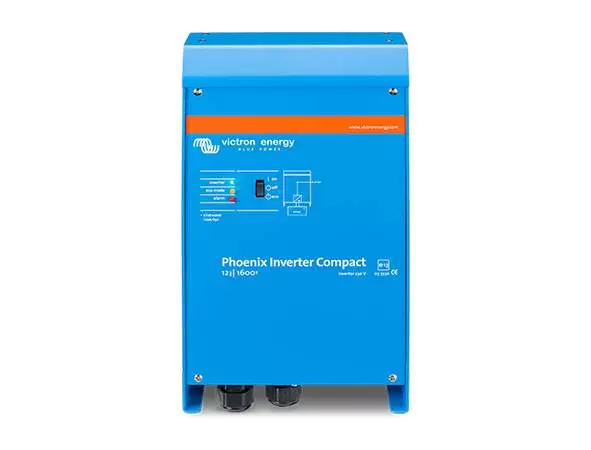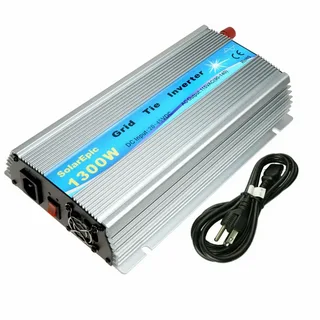
Are you considering going solar but feeling overwhelmed by the technical jargon? Look no further! As homeowners across the globe embrace renewable energy, grid tie inverter has emerged as essential players in maximizing solar power efficiency. These incredible devices not only convert sunlight into usable electricity but also synchronize your home’s energy production with the wider power grid. Curious about how they work and why they’re crucial for your eco-friendly journey? This comprehensive guide well demystify grid- tie inverters, making it easy for you to understand their operation, benefits, and how they can save you money while reducing your carbon footprint.
Explanation of Grid Tie Systems
Grid tie systems connect your home’s renewable energy source, like solar panels, directly to the utility grid. This setup allows homeowners to harness solar energy while still benefiting from conventional electricity when needed.
When your solar panels generate more power than you consume, excess energy flows back into the grid. In return, many utility companies offer credits or compensation through net metering. This arrangement helps reduce monthly electricity bills significantly.
Unlike off-grid systems that rely solely on battery storage, grid tie systems provide a seamless backup by drawing from the utility as necessary. It creates a sustainable way of living without sacrificing convenience or comfort.
Benefits Of Using A Grid Connected Inverter
Using a grid connected inverter can significantly enhance your energy efficiency.
Utilize solar power
One of the primary benefits is that it allows you to utilize solar power, which reduces reliance on traditional electricity sources. This not only lowers your energy bills but also contributes positively to the environment.
Net metering
Another advantage is net metering. When your system generates more electricity than you use, excess power can be sent back to the grid. In many cases, utility companies will credit you for this surplus, providing financial savings over time.
Grid- tie inverters
Grid- tie inverters also require less maintenance compared to other systems with batteries. Without complex components like battery banks, there’s one less thing to worry about maintaining or replacing regularly.
Easier and quicker to install
Lastly, they are often easier and quicker to install due to their simple design. This makes them an attractive option for homeowners looking for efficient and effective renewable energy solutions without extensive modifications.
Types of Grid- tie inverters
Grid- tie inverters come in two primary types: single-phase and three-phase. Each serves different needs, whether for homes or larger commercial setups. Single-phase inverters are ideal for residential use. They convert direct current (DC) from solar panels into alternating current (AC) that can be used by household appliances. Their design makes them straightforward to install, providing an efficient solution for homeowners looking to harness solar energy.
On the other hand, three-phase inverters cater primarily to businesses. These systems manage higher loads and provide balanced power across multiple phases. This is crucial for commercial operations requiring consistent energy supply without interruptions.
Both inverter types work seamlessly but differ significantly in application and scale. Choosing the right one depends on your specific energy needs and system requirements, maximising efficiency while minimizing costs.
How Single Phase Inverter Work?
Single phase inverter convert the direct current (DC) generated by solar panels into alternating current (AC), essential for household appliances. They operate using a simple process. First, they take in the DC electricity produced by your solar panels during sunlight hours.
Next, these inverters employ an internal switching mechanism to flip the current’s direction rapidly. This conversion allows homeowners to use solar energy directly from their systems rather than relying solely on grid power.
One key feature of single-phase inverters is their seamless synchronization with utility grids. When your system produces more energy than needed, excess power can be sent back to the grid, potentially earning credits through net metering policies. This technology reduces reliance on traditional electricity sources and contributes toward a greener environment by utilizing renewable energy efficiently.
Suitable for Homeowners
Grid- tie inverters are an excellent choice for homeowners looking to harness solar energy efficiently. They allow your solar panels to connect directly to the grid, making the most of every sunbeam. Excess power feeds back into the grid when you generate more electricity than you consume. This reduces your utility bill and can earn you credits through net metering programs offered by many utilities.
Installation is relatively straightforward and often involves fewer components compared to off-grid systems. This simplicity translates into lower upfront costs and easier maintenance. Homeowners appreciate how these inverters seamlessly integrate with existing electrical infrastructure. This means less hassle when it comes time to upgrade or expand your solar system.
Using a grid-tied inverter empowers homeowners with energy independence while keeping them connected to the broader power network. It’s an intelligent choice that balances personal sustainability goals with practicality.
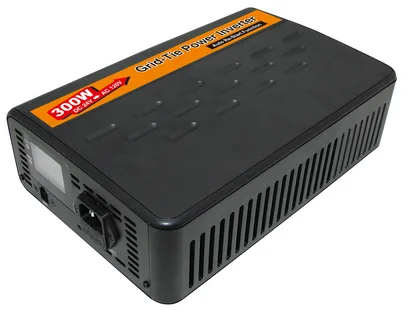 Three-phase Inverters
Three-phase inverters are designed for more extensive energy needs, making them ideal for businesses and commercial applications. Unlike single-phase systems, which manage power through one phase of a circuit, three-phase inverters utilize three phases. This setup allows for smoother power delivery and greater efficiency.
These inverters convert DC electricity from solar panels into AC electricity suitable for high-demand environments. They can handle more significant loads without straining the system, ensuring consistent performance during peak usage times.
Three-phase inverters provide a reliable solution for industries that require substantial energy output—like manufacturing or large retail spaces. Their ability to balance load distribution leads to enhanced stability and reduced risks of outages or interruptions. With advanced technology integrated into their design, they offer features such as grid support and intelligent monitoring capabilities to optimize energy consumption efficiently.
Convert Direct Current
Single-phase inverters convert direct current (DC) generated from solar panels into alternating current (AC), which is suitable for home use. When sunlight hits the solar cells, they produce DC electricity. The inverter transforms this raw energy into a form that can power household appliances.
The magic happens inside the inverter through a process called pulse width modulation. This method rapidly switches the DC on and off, creating an AC waveform that mimics the utility grid’s output.
These inverters are compact and easy to install, making them ideal for residential settings. They efficiently handle smaller loads typical of homes while providing seamless integration with existing electrical systems. They also have monitoring features allowing homeowners to track real-time energy production, ensuring optimal solar setup performance.
Essential Components Of A Single Phase To 3 Phase Inverter System
A single phase to 3 phase inverter comprises several vital components that work together to harness solar energy effectively.
Capture sunlight
At the heart of this setup are solar panels. These panels capture sunlight and convert it into direct current (DC) electricity.
Charge controller
Next, a charge controller comes into play. This device manages the flow of electricity from the solar panels. It ensures that power is distributed efficiently and prevents any damage from overcharging.
Battery bank
While a battery bank is optional in grid-tie systems, it can provide extra security during outages or peak usage. Batteries store excess energy for later use, enhancing overall system efficiency.
Renewable energy accessible
These elements collaborate seamlessly within the grid-tied inverter framework, making renewable energy accessible and reliable for homeowners who want to reduce their carbon footprint while saving on utility bills.
Step-by-Step Guide on How a Grid- tie inverter Works
A grid-tied inverter starts when solar panels generate electricity from sunlight. These panels convert the sun’s energy into direct current (DC) power, which is a critical first step in effectively utilizing solar energy.
Next, the charge controller plays an essential role. It regulates the flow of electricity to ensure that it meets safety standards and optimizes efficiency. This component helps prevent overcharging or damaging devices connected to your system.
Once everything is optimized, the inverter transforms DC power into alternating current (AC). This transition allows you to use the generated electricity in your home and feed any surplus back into the grid.
Throughout this journey, monitoring systems often provide real-time data on performance. Homeowners can track how much energy they produce versus what they consume, making it easier to manage their consumption efficiently.
Solar Panels Generate Electricity
Solar panels are the backbone of any grid- tie inverter system. They convert sunlight into electricity through a process called photovoltaics. When sunlight hits the solar cells, it excites electrons, creating an electric current.
These panels come in various types and have multiple efficiencies. Most homeowners opt for monocrystalline or polycrystalline panels for their effectiveness and longevity. Once installed on rooftops or open spaces, they can capture sunlight throughout the day.
The generated electricity is direct current (DC). However, most household appliances require alternating current (AC) to function efficiently. This is where grid- tie inverters play a crucial role by converting DC into AC power before sending it to your home’s electrical system. By effectively harnessing solar energy, these panels contribute significantly to reducing reliance on traditional power sources while also lowering utility bills over time.
Charge Controller Regulates Energy Flow
The charge controller plays a crucial role in managing the energy generated by solar panels. It ensures that the electricity produced is directed efficiently, preventing any potential damage to your system.
- When solar panels generate power, this energy can fluctuate based on sunlight conditions. The charge controller monitors these variations and adjusts the flow accordingly.
- This prevents overcharging of batteries when used and maintains optimal performance levels.
- In grid-tied inverter systems, while batteries might not always be present, a charge controller still helps manage excess energy sent back to the grid.
- By regulating how much electricity flows from the panels, it maximizes efficiency and enhances homeowners’ safety.
- This vital component acts as a gatekeeper of sorts, ensuring that only usable energy enters your home or out to the electrical grid.
- It’s essential for keeping everything running smoothly without risking overproduction issues.
Power is sent to the In
The power generated by your solar panels flows through the charge controller, which ensures that the energy is regulated effectively. This process prevents any potential damage to your system by managing voltage levels and optimizing performance.
Once the energy has been appropriately managed, it goes directly to the grid- tie inverter. Here, it undergoes a critical transformation from direct current (DC) to alternating current (AC). AC is essential because it matches what your home appliances use and aligns with the electrical grid’s requirements.
This converted power can now be used in real timereal time for all your household needs. Whether powering up lights or keeping your refrigerator running, every bit counts toward reducing electricity costs. Any excess energy produced beyond your need gets sent back into the electrical grid.
Conclusion
Grid connected inverter is an essential component of any solar PV system, as they allow for efficient conversion and synchronization of the generated DC electricity with the AC power grid. With advancements in technology and increasing demand for renewable energy sources, these inverters have become more affordable and widely available for homeowners. Understanding how they work can help homeowners make informed decisions about choosing the right inverter for their solar energy needs.
FAQs
Q: What Is The Difference Between A Grid- tie inverter And A Standalone Inverter?
A: A grid-tied inverter is designed to synchronize with the electricity grid, allowing excess energy to be fed back into the main power supply. On the other hand, a standalone inverter is not connected to the grid and only provides electricity for off-grid applications like RVs or remote installations.
Q: Are There Any Special Requirements Or Regulations For Using A grid connected inverter?
A: Some specific regulations and requirements vary depending on local government laws. In most cases, homes with solar PV systems must undergo an inspection before connecting to the main power supply with grid connected inverter.
Q: Can I Use My Solar PV System During A Power Outage With A Grid- tie inverter?
A: No, since these inverters are designed to synchronize with the main power supply, they will automatically shut down during a power outage. This safety measure prevents excess electricity from flowing back into the damaged grid.
| Other Good Articles to Read |
| Niche Blogs Connect |
| Blogs 97 |
| Blog Stitution |
| Blogs Unplugged |
| Blogs Cotch Rouge |
| Blog Signatr |
| Blog Sintonias |
| Blog Zilla |
| Consumer Forums |
| Finance Forums |
| G Blogs |
| Too Blog |
| Related Business Listings |
| Contact Directory |
| Local Business Profiles |