Tag: residential heat recovery ventilator

  • How To Maximise Efficiency With A residential air to air heat exchanger?

    How To Maximise Efficiency With A residential air to air heat exchanger?

    Are you tired of constantly adjusting your thermostat to maintain a comfortable temperature in your home? Do you want to save money on your energy bills whilst also improving the air quality in your living space? Look no further than a residential air to air heat exchanger (HRV). This innovative device is designed to maximise efficiency by exchanging stale indoor air with fresh outdoor air whilst simultaneously recovering the heat from the outgoing air. This blog post will explore how you can make the most of your HRV to create a more comfortable and cost-effective living environment. Say goodbye to stuffy air and hello to a healthier, more energy-efficient home!

    What Is A Air To Air Heat Exchanger?

    Imagine this – a device in your home that not only improves air quality but also aids in energy efficiency and cost-saving. Meet the residential air-to-air heat exchanger, a fancy name for a heat recovery ventilator (HRV). In essence, an HRV is a magician who performs the act of stealing warmth from stale, outgoing air and transferring it to incoming fresh air. Now, doesn’t that sound like a bit of magic?

    This smart device is at the heart of any modern home, acting as the key player in creating a cosy and energy-efficient environment. It’s the silent guardian that ensures you don’t let valuable heat go to waste when ventilating your home.

    How Does A Home Air Heat Exchanger Work?

    Have you ever pondered the inner workings of a heat recovery ventilator, or as it’s often called, a home air heat exchanger? This marvellous device functions on the principle of energy conservation. The magic begins as soon as you flick the switch. The device diligently captures the heat from the outgoing, stale air in your house. This ‘captured’ heat isn’t wasted; instead, it embarks on a critical mission.

    The heat exchanger is essentially a bridge for the heat transfer. This bridge permits the ‘donated’ warmth to leap from the outgoing air to the incoming stream of cooler, fresh air. The process is made possible by a heat transfer matrix, an intricate network of air passages.

    Here, both the outgoing and incoming air streams flow in separate channels, passing each other without mixing. As they pass each other, heat transfer occurs. This cross-flow process facilitates the transition of heat without losing it to the atmosphere.

    The Role Of A Air Heat Exchanger

    If you’re wondering what a air heat exchanger does beyond its magical performance of transferring warmth, they have the answers. This nifty gadget serves dual roles, efficiently managing heat and air quality in your home.

    Its first role is as a gatekeeper of heat. Acting like an efficient traffic controller, it ensures that heat does not escape your home when you’re ventilating. Instead, it retrieves the heat from outgoing air and delivers it to the incoming cooler air. This not only keeps your home at a comfortable temperature but also reduces reliance on other heating devices, thus saving energy and cost.

    Beyond Heat Management

    Beyond heat management, your air heat exchanger takes on a second role, improving the air quality in your home. It achieves this by continually refreshing the air in your home, expelling stale air and replacing it with fresh air. The fresh air is not just any air; it’s pre-warmed, thanks to the efficient heat exchange process. This way, even in the colder months, you can enjoy constant ventilation without worrying about an energy-consuming cold draught entering your home.

    Additionally, this process can help maintain the ideal indoor humidity level. The exchanger can transfer not just the heat but also the moisture from the outgoing air to the incoming air. So, whether it’s a dry winter or a humid summer, your home maintains a balanced and comfortable atmosphere.

    So next time you’re basking in the warmth of your home, remember to appreciate the double-duty hero – your air heat exchanger, tirelessly managing your home’s heat and air quality.

    The Benefits Of A Heat Recovery Air Exchanger

    To fully appreciate the advantages of a heat recovery air exchanger, let’s delve into the tangible benefits that these devices bring to the homes and the lives. To begin with, the most conspicuous benefit is, of course, energy efficiency. In an era where sustainable living is not just a trend but a necessity, an HRV contributes significantly by reducing the energy required to heat your home, thus lowering your carbon footprint.

    More good news – it’s a great boon to your pocket, too. By cleverly recycling the heat, you use less energy to warm your home, leading to a reduction in energy bills. So, it’s not just warmth that an HRV is recirculating; it’s also recirculating savings on your heating costs!

    However, the benefits aren’t limited to just warmth and savings. Your HRV also plays an essential role in enhancing your home’s air quality. By continually replenishing the air in your home, it helps to eliminate indoor pollutants, dampness, and even odours. So, you get to breathe in clean, fresh air, and who doesn’t love that?

    Choosing The Right Heat Recovery Exchanger

    Embarking on the journey to select the ideal heat recovery exchanger for your home can seem overwhelming, but don’t worry! There are a few key factors to consider that will help guide your decision.

    Consider the size of your home

    First and foremost, consider the size of your home. The capacity of the heat exchanger should be adequate to effectively ventilate your entire home. As a rule of thumb, larger homes will require a more robust system. Therefore, make sure to consult with a professional to determine the ideal capacity for your residence.

    Climate in which you live

    Secondly, the climate in which you live plays a significant role in selecting the right heat exchanger. If you live in a place with harsh winters, you might benefit from a system that has an efficient defrosting mechanism. Conversely, if you live in a hot and humid climate, look for a system that also effectively manages humidity levels.

    Energy efficiency

    Energy efficiency is another crucial factor. Seek a model that has high heat recovery efficiency to maximise energy savings. Often, these models may be slightly more expensive upfront but will pay off in the long run through substantial energy savings.

    Quality and reliability

    Lastly, consider the quality and reliability of the model. Ensure the product comes from a reputable manufacturer and is backed by good customer reviews and warranty. Remember, the longevity of the system is just as important as its immediate performance. residential air to air heat exchanger
    Installation Of Residential Energy Recovery Ventilator

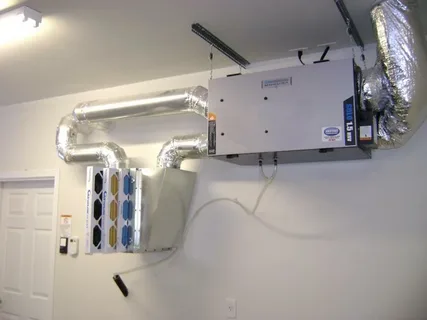
    Installation is one of the vital chapters in the grand scheme of a residential energy recovery ventilator. It might seem daunting, but with the right guidance and a sprinkle of patience, it’s an achievable task. Remember, a well-installed system is the secret to maximum efficiency and longevity.

    • The process begins with identifying the most suitable location for the unit and the ducts. The unit should ideally be placed in a location where it can be easily accessed for maintenance. It should be accompanied by well-planned duct routes to maximise efficiency and reduce noise.
    • Next, you’ll need to drill holes for the fresh air intake and stale air exhaust vents, bearing in mind to avoid any sources of pollutants. This ensures the incoming air remains fresh and uncontaminated. Meanwhile, the ducts should be insulated to prevent heat loss.
    • Once the groundwork is complete, it’s time to mount the unit and connect the ducts. Make sure to use the correct fixtures and fittings to ensure a secure and airtight installation. A loose fitting could lead to energy loss and reduced efficiency.
    • At this stage, you’re almost there! You need to install a condensation drain, attach the electrical connections and set up the control unit. Always ensure that you follow the manufacturer’s instructions for these steps to avoid any potential hiccups.

    Maximising Savings With Residential Heat Recovery Ventilation

    Basking in the cosy warmth of your home whilst savings accumulate on your energy bill sounds like a dream, right? Well, it’s a dream made reality by your trusty residential heat recovery ventilation system. But, like any hero, it needs a bit of care to ensure it consistently performs its magic.

    Regular maintenance is the secret sauce for enhancing the efficiency and longevity of your system. Think of it as tending to a magical garden; with a bit of attention, the savings will continue to bloom. Your routine should include dusting off the cobwebs, literally.

    Also, don’t forget to treat your system to fresh filters as necessary. Filters are like the lungs of your system; when they are clean, they breathe in and out effortlessly, ensuring optimal heat transfer. Regularly changing your filters can significantly impact your energy savings.

    The Impact Of A Residential Heat Recovery Systems

    Delving deeper into the realm of residential heat recovery systems, they uncover their truly transformative Impact. At the core of this change lies a robust contribution to energy efficiency. By harnessing the warmth from outgoing air and seamlessly donating it to incoming fresh air, these systems curb the need for additional energy-intensive heating. As a result, they carve a path towards significant energy savings and reduced carbon emissions.

    The secondary but equally powerful Impact comes in the form of enhanced indoor air quality. The unsung hero of the home, the heat recovery ventilator, continually ushers out stale air and welcomes in fresh, clean air.

    Equally noteworthy is the system’s influence on indoor humidity levels. Through adept moisture transfer, the heat recovery ventilator helps maintain a comfortable and balanced humidity level in your home. Be it a dry winter or a humid summer, you get to enjoy a perfectly modulated indoor atmosphere.

    Improving Indoor Air Quality With Residential Heat Recovery Ventilator

    Step into the magic of a residential heat recovery ventilator and discover its ability to make a significant impact on the air quality within your home. With its unceasing function of ushering in fresh, clean air and waving goodbye to the stale, used air, it can truly become your silent health ally.

    Through this continual exchange of air, you’re not just receiving warmth, but you’re also benefiting from a replenished, breathable atmosphere. It’s like having a continuous flow of mountain fresh air in the comfort of your home!

    However, to ensure you get the best of this, a couple of tips can come in handy. Utilizing high-quality filters is like offering your heat recovery ventilator a trusty sword in its battle against airborne pollutants. High-grade filters can capture smaller particles, ensuring the incoming air is truly fresh and pure.

    Maximising Indoor Air Quality With Residential Mvhrs

    Delving into the magic of a residential Mechanical Ventilation with Heat Recovery (MVHR) system, they discover its enchanting ability to elevate the air quality within your home. This system, your home’s secret hero, operates on a mission to maintain a healthy, breathable atmosphere for you.

    The key to enhancing the air purifying capabilities of your MVHR lies in the selection of high-grade filters. Visualise these filters as the trusted shield of your system, bravely battling against any airborne pollutants. By capturing smaller particles, they ensure the air permeating your home is as fresh and pure as a serene mountain breeze.

    Uarantees Optimal Functioning

    Equally essential is the successful installation of your MVHR system. Envision this as laying the foundation stone of your system’s fortress. An expertly installed unit guarantees optimal functioning and is the stepping-stone towards reaping the full benefits of your system.

    Regular servicing plays a critical role in keeping your system’s fortress strong and invincible. This regular upkeep is like polishing your system’s armour, ensuring it continues to perform efficiently and lasts longer. Regular servicing also keeps any potential issues in check, preventing them from sneaking up and disrupting your system’s performance.

    Remember, your MVHR is not just a system. It is a trusted guardian, working tirelessly in the background to improve your home’s air quality. So, with the right filters, installation, and servicing, you’re empowering your MVHR to be the best it can be.

    FAQs

    1. How Much Can I Save With A Heat Recovery Ventilator?

    The amount of savings varies depending on factors such as the size of your home, the climate, and the efficiency of the unit. However, it’s safe to say that an HRV can significantly reduce your energy consumption and associated costs.

    2. How Often Should I Replace The Filters?

    Typically, filters should be replaced every 3-6 months. However, if you live in a heavily polluted area, you may need to change them more frequently.

    3. Can I Install An HRV Myself?

    While it’s technically possible to install an HRV yourself, they recommend hiring a professional. This ensures the installation is correct, safe, and optimised for maximum efficiency.

    4. Will An HRV Make My Home Too Dry In Winter?

    Not at all. Hrvs can transfer moisture as well as heat from outgoing to incoming air, helping maintain comfortable indoor humidity levels year-round.

    5. Can An HRV Cool My Home In The Summer?

    An HRV can help, but it’s not a substitute for air conditioning. In summer, it can exchange warm indoor air with cooler outdoor air, aiding in the cooling process.

    Conclusion

    Residential heat recovery ventilators truly are the hidden superheroes of the homes, silently working to provide us with warm, fresh air whilst contributing to a more energy-efficient lifestyle. Their unique ability to exchange stale indoor air with fresh outdoor air whilst recovering the heat that would otherwise be lost is nothing short of magical. With their dual role in managing heat and improving air quality, they are the guardians of comfort and efficiency in the living spaces. Installing an HRV isn’t just an investment in your home; it’s an investment in your health, your pocket, and the planet.

    Related Business Listings
    Contact Directory
    Local Business Profiles
    Other Good Articles to Read
    Skank Blogs
    Unreal Blogs
    Tba Blogs
    All City Forums
    Dany Blogs
    Refuge Blogs
    The Music Blogs
    Key Forums
    The Big Blog Theory
    Joe Blogs
    Blogs 4 Me
    Blogs Emon
  • How To Improve Your Home’s Indoor Air Quality With Residential Air To Air Heat Exchanger

    How To Improve Your Home’s Indoor Air Quality With Residential Air To Air Heat Exchanger

    Keeping the air quality in your home healthy and clean is essential for a comfortable living environment. A great way to do that is by installing a Heat Recovery Ventilator (HRV). An residential air to air heat exchanger can help improve indoor air quality by exchanging stale air with fresh air while simultaneously recovering energy from the exhausted air. In that blog post, will look at how an HRV works and why it’s a great solution for improving your home’s air quality.

    Understanding The Importance Of Indoor Air Quality

    Having clean and healthy air in your home is crucial for your overall well-being. Indoor air quality (IAQ) refers to the quality of the air inside your home, and it can have a significant impact on your health.

    Poor IAQ can lead to a variety of health issues, ranging from minor irritations like allergies and respiratory problems to more serious conditions like asthma and even lung cancer.

    These pollutants can enter your home through various sources, such as cooking, cleaning products, and even the materials used in construction. They can accumulate over time and linger in the air, leading to a decline in indoor air quality.

    Home Air Heat Exchanger And Their Effects On Health

    When it comes to the health of your home’s air quality, the effects on your health cannot be ignored. The air you breathe inside the homes can contain a variety of pollutants that can have a significant impact on the well-being.

    A home air heat exchanger works by continuously exchanging stale indoor air with fresh outdoor air while simultaneously recovering the energy from the exhaust air. That process helps to remove contaminants, such as dust, pollen, pet dander, and volatile organic compounds (vocs), from the air inside your home.

    It Affect On Your Cardiovascular System

    The effects of poor indoor air quality can range from minor irritations like allergies and respiratory problems to more serious conditions like asthma and even lung cancer. Prolonged exposure to pollutants in the air can exacerbate existing health conditions, trigger allergies, and even affect your cardiovascular system.

    Installing a air heat exchanger can significantly reduce the levels of contaminants in your home’s air, helping to alleviate these health concerns. With the continuous exchange of fresh air, you can breathe easier, knowing that you are providing a healthier environment for yourself and your loved ones.

    How A Heat Recovery Air Exchanger Works?

    A heat recovery air exchanger, also known as a Heat Recovery Ventilator (HRV), is a key component in improving the indoor air quality of your home. But how exactly does it work?

    The process begins with the HRV drawing in stale and polluted indoor air from various areas of your home, such as bathrooms, kitchens, and laundry rooms. That air is then passed through a heat exchanger core, which allows the heat from the outgoing air to transfer to the incoming fresh air.

    Simultaneously, the stale indoor air is expelled outside, taking with it contaminants, odors, and excess humidity. The HRV’s design ensures that there is no cross-contamination between the incoming and outgoing air streams, effectively preventing any pollutants from re-entering your home.

    Ensure That Your Family Are Breathing Clean

    The clean and pre-warmed fresh air is then distributed throughout your home, providing a constant supply of fresh air without compromising on energy efficiency. That continuous air exchange helps to maintain optimal indoor air quality, reducing the risk of health issues associated with poor air quality.

    In summary, a heat recovery air system works by extracting stale indoor air, recovering its heat energy, expelling it outside, and simultaneously bringing in fresh, pre-warmed air to improve the overall air quality in your home. With that technology, you can ensure that you and your family are breathing clean, healthy air every day.

    Benefits Of Installing A Heat Recovery Exchanger

    Installing a heat recovery exchanger in your home comes with a multitude of benefits that will significantly improve your indoor air quality and overall living experience. Let’s explore some of the key advantages:

    Improved Air Quality

    The primary benefit of a heat recovery is the continuous exchange of stale indoor air with fresh outdoor air. That ensures a constant supply of clean and filtered air throughout your home, reducing the presence of pollutants, allergens, and odors.

    Health Benefits

    By removing contaminants from the air, a heat recovery can help alleviate respiratory issues such as allergies and asthma. Breathing in clean air can also improve overall well-being, leading to better sleep, increased energy levels, and a stronger immune system.

    Energy Efficiency

    One of the standout features of a heat recovery is its ability to recover heat from the outgoing air and pre-warm the incoming air. That energy-efficient process reduces the load on your heating system and can result in lower energy bills.

    Moisture Control

    Excessive moisture in your home can lead to mold growth and other structural issues. A heat recovery helps to regulate humidity levels by expelling excess moisture, creating a healthier environment, and preventing damage to your home.

     Environmental Impact

    By using less energy to heat or cool your home, a heat recovery helps reduce your carbon footprint. That eco-friendly solution promotes sustainable living and contributes to a healthier planet.

    Factors To Consider Before Installing A Residential Energy Recovery Ventilator

    Installing a residential energy recovery ventilator (ERV) can greatly improve the indoor air quality of your home, but there are several factors to consider before making the investment. Here are a few key considerations:

    1. Size and Capacity: The size and capacity of the ERV should be appropriate for the size of your home. A professional can help determine the correct size based on factors such as square footage, the number of occupants, and the air exchange rate required.
    2. Installation Requirements: ervs require professional installation, so it’s important to consider any installation requirements. That includes determining the optimal location for the unit, ensuring proper ventilation and access for maintenance, and considering any necessary modifications to your home’s ductwork.
    3. Cost and Energy Efficiency: Consider the upfront cost of the ERV unit, as well as any ongoing maintenance and operating costs. Look for an energy-efficient model that is ENERGY STAR certified, as that will help reduce energy consumption and lower your utility bills.Residential Air To Air Heat Exchanger

    Maintenance Tips For Residential Heat Recovery Systems

    To ensure optimal performance and longevity of your residential heat recovery systems, regular maintenance is crucial. Here are some maintenance tips to keep in mind:

    Regularly Clean and Replace Filters

    Filters play a vital role in trapping pollutants and maintaining the air quality in your home. Check the filters regularly and clean or replace them as recommended by the manufacturer. That will prevent clogs and ensure proper airflow.

    Clean the Heat Exchanger Core

    The heat exchanger core is the heart of your heat recovery system. Over time, it can accumulate dust and debris, affecting its Efficiency. Follow the manufacturer’s instructions on how to clean the core to ensure it functions optimally.

    Check and Clean Air Intake and Exhaust Vents

    Make sure the intake and exhaust vents are free from obstructions, such as leaves, debris, or snow. Clean them regularly to prevent blockages and maintain proper airflow.

    Inspect and Clean Ductwork

    Inspect the ductwork for any leaks, loose connections, or mold growth. Clean the ducts as needed to remove dust, allergens, and contaminants.

    Schedule Professional Maintenance

    Consider scheduling annual maintenance with a professional HVAC technician. They can thoroughly inspect your heat recovery system, clean the components, and make any necessary repairs.

    Tips For Choosing The Right Residential Heat Recovery Ventilator

    When it comes to choosing the right residential heat recovery ventilator (HRV) for your home, there are several factors to consider.  The size of your home will determine the capacity of the HRV you need. It’s important to choose an HRV that is appropriate for the square footage of your home and the number of occupants.

    Energy efficiency is an important consideration when choosing an HRV. Look for models that are ENERGY STAR certified, as they meet strict energy efficiency guidelines. A more energy-efficient HRV will not only help you save on energy bills but also reduce your carbon footprint. Some hrvs can be noisy during operation.

    Maximizing The Efficiency Of Heat Recovery Ventilator

    To maximize the efficiency of your heat recovery ventilator (HRV), there are several steps you can take. These tips will help you make the most of your system and ensure that it is operating at its highest potential.

    First and foremost, regular maintenance is key. Keep your HRV clean and free from dust and debris by regularly cleaning or replacing filters as recommended by the manufacturer. That will help ensure proper airflow and prevent clogs that can reduce Efficiency.

    Additionally, consider the placement of your HRV. Ensure that it is installed in an area with good ventilation and access for maintenance. Proper placement will help optimize airflow and Efficiency.

    Monitor And Adjust The Settings

    Another way to maximize Efficiency is to monitor and adjust the settings on your HRV. Some models come with programmable controls that allow you to adjust the ventilation rates and schedule. By finding the right balance for your home and lifestyle, you can minimize energy usage while still maintaining optimal indoor air quality.

    Lastly, consider the overall energy efficiency of your home. Proper insulation, sealing air leaks, and upgrading to energy-efficient windows and doors can all contribute to the Efficiency of your HRV system.

    FAQs

    1. How Often Should I Clean Or Replace The Filters In My Heat Recovery Ventilator?

    It is recommended to clean or replace the filters in your heat recovery ventilator every three to six months or as recommended by the manufacturer. That will ensure that your HRV is operating at its highest efficiency and that the air circulating in your home is clean and healthy.

    2. Can I Install A Heat Recovery Ventilator Myself, Or Do I Need To Hire A Professional?

    Installing a heat recovery ventilator is a complex task that requires professional knowledge and expertise. It is recommended to hire a professional HVAC technician to install your HRV to ensure that it is done correctly and to avoid any potential issues or safety hazards.

    3. How Much Does A Heat Recovery Ventilator Cost?

    The cost of a heat recovery ventilator can vary depending on factors such as the size of your home, the capacity of the HRV, and the specific features and brand. It is best to consult with an HVAC professional who can provide a customized quote based on your specific needs.

    4. How Loud Is A Heat Recovery Ventilator?

    The noise level of a heat recovery ventilator can vary depending on the specific model and installation. However, many modern hrvs are designed to operate quietly, and some even have sound-dampening features to minimize noise. It is recommended to research different models and read customer reviews to find an HRV that suits your noise preferences.

    5. How Long Do Heat Recovery Ventilators Typically Last?

    Heat recovery ventilators are designed to be durable and long-lasting. With regular maintenance and proper care, an HRV can last anywhere from 15 to 20 years or more. It is important to follow the manufacturer’s recommendations for maintenance and servicing to maximize the lifespan of your HRV.

    Conclusion

    In conclusion, investing in a heat recovery ventilator (HRV) is a smart choice for improving the indoor air quality of your home. By continuously exchanging stale indoor air with fresh outdoor air while recovering energy, an HRV helps remove contaminants, allergens, and odors from your living environment. That leads to a healthier home and can alleviate respiratory issues such as allergies and asthma. Not only does an HRV improve air quality, but it also offers several other benefits. It helps maintain optimal humidity levels, reduces energy consumption, lowers utility bills, and promotes environmental sustainability. By choosing the right HRV for your home and following proper maintenance tips, you can maximize its Efficiency and ensure clean, healthy air for you and your family.

    Other Good Articles to Read
    Gabrielle Blogs
    Jason Toff Blogs
    Thumb Blogs
    Blog Shifter
    Social Bookmarking Blogs
    Free Blogs Template
    Blog Solidaire
    Michael Coyne Blog
    Born Free Blog
    Oz Blog Hosting
    Indepth News
    Local Business Profiles in Australia
    Business Directory Australia
    Business Listings Europe
    Business Directory Europe
  • The Ultimate Guide to Residential Air To Air Heat Exchanger

    The Ultimate Guide to Residential Air To Air Heat Exchanger

    Residential Air To Air Heat Exchanger is a great way to reduce energy bills and make your home more energy efficient. Heat recovery air exchangers are designed to capture the warm air produced inside your home, and then use it to pre-heat the incoming air from outside. They’re becoming increasingly popular among homeowners looking to reduce their energy costs and lower their carbon footprints. In this ultimate guide to heat recovery air exchangers, we’ll explain how they work, the different types available, and how to choose the best one for your home.

    What is a Home Air Heat Exchanger?

    A Home Air Heat Exchanger, also known as a heat recovery ventilator (HRV) or an energy recovery ventilator (ERV), is a device that improves indoor air quality by removing stale air and replacing it with fresh, filtered air.

    HRVs and ERVs work by extracting heat and moisture from the air that is being exhausted from a home, and transferring it to the incoming fresh air. This process not only saves energy by reducing the load on heating and cooling systems, but also helps maintain a comfortable indoor temperature while ensuring adequate ventilation.

    In colder months, HRVs warm the incoming air using heat from the outgoing air, while in warmer months, ERVs cool the incoming air by transferring the heat from the incoming air to the outgoing air.

    Overall, heat recovery air exchangers are a valuable addition to any home, particularly in climates with extreme temperatures, high humidity, or poor outdoor air quality. They improve indoor air quality and promote energy efficiency, helping homeowners save on their energy bills and reducing their carbon footprint.

    How does Heat Recovery Air Exchanger work?

    Heat recovery air exchangers work by transferring heat energy from the outgoing stale air to the incoming fresh air, without mixing the two air streams. The Heat Recovery Air Exchanger system uses a heat exchanger core made up of thin metal plates that alternate between the two air streams.

    When the stale air is expelled from the home, it passes through one side of the heat exchanger core and gives off its heat energy to the plates. Meanwhile, fresh air from outside is drawn through the other side of the core, picking up the heat energy from the plates as it enters the home.

     Residential Air To Air Heat ExchangerThe two air streams never mix, so the fresh air entering the home remains pure and uncontaminated, while still being preheated by the outgoing stale air. This process reduces the energy needed to heat or cool the fresh air, thereby saving on energy bills.

    Heat recovery air exchangers can recover up to 90% of the heat energy from the outgoing stale air and use it to warm up the incoming fresh air, making them an effective and energy-efficient solution for ventilation and indoor air quality.

    What are the benefits of Heat Recovery Exchanger?

    Heat recovery air exchangers offer numerous benefits for residential homes. These include:

    • Improved indoor air quality: Heat recovery air exchangers help to circulate fresh, clean air into your home while removing stale, contaminated air. This Heat Recovery Exchanger can greatly improve indoor air quality and reduce the risk of health problems caused by poor air circulation.
    • Energy efficiency: Heat recovery air exchangers help to maintain a constant temperature in your home by using the outgoing air to heat or cool incoming air. This means that your HVAC system doesn’t have to work as hard to keep your home at a comfortable temperature, resulting in lower energy bills.
    • Reduced carbon footprint: By using the energy in outgoing air to heat incoming air, heat recovery air exchangers reduce the amount of energy required to heat or cool your home. This reduces your carbon footprint and helps to protect the environment.
    • Comfort: Heat recovery air exchangers help to maintain a comfortable, consistent temperature throughout your home, reducing hot and cold spots.
    • Noise reduction: Heat recovery air exchangers are designed to operate quietly, so you won’t even notice them running.

    Overall, heat recovery air exchangers offer a range of benefits that make them a smart choice for residential homes. By improving indoor air quality, reducing energy bills, and reducing your carbon footprint, heat recovery air exchangers can help you to create a comfortable, healthy, and environmentally friendly home.

    How to choose the right Residential Energy Recovery Ventilator for your home

    When it comes to choosing the right heat recovery air exchanger for your home, there are several factors you should consider. Here are some of the key considerations to keep in mind:

    • Capacity: Make sure you choose Residential Energy Recovery Ventilator that is the right size for your home. A unit that is too small won’t be able to effectively exchange air, while a unit that is too large will be wasteful and inefficient.
    • Energy efficiency: Look for air exchangers with high energy efficiency ratings, such as those with an Energy Star certification. These units are designed to consume less energy while still providing effective air exchange.
    • Maintenance requirements: Consider the maintenance requirements of different models. Some air exchangers require regular filter changes, while others may require professional servicing.
    • Noise level: Heat recovery air exchangers can be noisy, especially if they are installed in a living area. Look for models with noise-reducing features or consider locating the unit in a less-trafficked area.
    • Additional features: Some heat recovery air exchangers come with additional features, such as programmable controls or automatic shut-off when air quality levels are poor. These features can improve the efficiency and effectiveness of the unit.
    • Installation requirements: Consider the installation requirements of different models. Some units may be easier to install than others, while some may require professional installation.

    By considering these factors and doing your research, you can choose the right heat recovery air exchanger for your home and enjoy all the benefits of improved indoor air quality and energy efficiency.

    How to install Residential Heat Recovery Systems

    Once you’ve chosen the right Residential Heat Recovery Systems for your home, the next step is to install it properly. Although the installation process may seem daunting, with a little preparation and guidance, you can successfully install a heat recovery air exchanger yourself. Here are the basic steps:

    • Determine the best location for your unit: The best location for your heat recovery air exchanger depends on a number of factors, including the size of your home, the layout of your ductwork, and the climate in your area. Generally, it’s best to install the unit in a central location where the fresh air supply and exhaust vents can easily be connected to your existing ductwork.
    • Prepare the installation area: Before installing the heat recovery air exchanger, make sure the installation area is clean and free of obstructions. Remove any debris, insulation, or other materials that may interfere with the installation process.
    • Connect the fresh air supply and exhaust vents: The fresh air supply and exhaust vents are typically located on the exterior of your home. Use ductwork to connect these vents to the appropriate ports on your heat recovery air exchanger.

    Install the Residential Heat Recovery Ventilator unit:

    • Once the vents are connected, mount the heat recovery air exchanger on the wall using the mounting brackets provided with the unit. Make sure the Residential Heat Recovery Ventilator unit is level and securely mounted before proceeding.
    • Connect the ductwork: Next, connect the ductwork from your existing ventilation system to the appropriate ports on the heat recovery air exchanger. Be sure to follow the manufacturer’s instructions carefully to ensure proper installation.
    • Test the unit: Finally, test the heat recovery air exchanger to make sure it is working properly. Turn on the unit and check the air flow in each room of your home. Make any necessary adjustments to the settings or ductwork to optimize the performance of your new unit.

    By following these basic steps, you can successfully install a heat recovery air exchanger in your home. However, if you’re unsure about any part of the installation process, it’s always best to consult with a professional HVAC technician for assistance. With a little time and effort, you can enjoy the many benefits of improved indoor air quality and energy efficiency with your new heat recovery air exchanger. If you’re unsure about any of the steps, don’t hesitate to refer to the installation manual provided by the manufacturer. This will ensure that you follow the correct procedure and that you don’t void your warranty by installing the unit improperly.

    It’s also important to note that the installation process can vary depending on the type and model of the heat recovery air exchanger you choose. Some models may require additional steps or components, such as a condensate drain or a bypass damper. Be sure to research the specific unit you’re installing and follow the manufacturer’s instructions carefully.

    In addition to proper installation, it’s important to maintain your heat recovery air exchanger to ensure optimal performance. This may include regular filter changes, cleaning of the core, and inspection of the ductwork. By taking good care of your unit, you can prolong its lifespan and enjoy the benefits of improved indoor air quality and energy efficiency for many years to come.

    Conclusion

    Heat recovery air exchangers offer an effective way to ventilate and heat your home, while also helping you to save on energy costs. With so many options on the market, it’s important to choose the right one for your specific needs. Whether you’re looking for a residential air to air heat exchanger, a home air heat exchanger, or a residential energy recovery ventilator, there’s sure to be an option that works for you. By taking the time to research and invest in the right heat recovery air exchanger, you’ll enjoy a more comfortable and energy-efficient home.

    Other Good Articles to Read
    Gabrielle Blogs
    Jason Toff Blogs
    Thumb Blogs
    Blog Shifter
    Social Bookmarking Blogs
    Free Blogs Template
    Blog Solidaire
    Michael Coyne Blog
    Born Free Blog
    Oz Blog Hosting
    Indepth News
    Link Forum
  • Energy-Efficient Residential Air To Air Heat Exchanger

    Energy-Efficient Residential Air To Air Heat Exchanger

    The residential air to air heat exchanger is a great way to efficiently and cost-effectively heat your home. This innovative technology can provide numerous benefits, including improved indoor air quality, reduced energy costs, and minimized maintenance requirements.

    Efficient

    A residential air heat exchanger is one of the most efficient home heating systems available. Heat exchangers take advantage of the existing heat in the air, extracting it and using it to heat your home. This process saves you money on energy bills by using less energy to generate the same warmth. The efficiency of heat exchangers has been measured at between 80-95%, meaning that up to 95% of the energy used for heating is converted into usable heat. This makes them far more efficient than traditional heating systems with a much lower efficiency rating. Additionally, since the energy used to power heat exchangers is free from the environment, it can be used more efficiently than energy produced by burning fossil fuels.

     residential air to air heat exchangerVersatile Home Air Heat Exchanger

    Residential air heat exchangers are extremely versatile when it comes to their use. They can heat and cool multiple spaces simultaneously or in a single space. This makes them an excellent choice for homes that need cooling or heating in multiple ways. For example, a heat exchanger could cool one room while heating another. Using a home air heat exchanger for ventilation and humidity control is also possible. Furthermore, the heat exchanger’s design allows it to be used in residential and commercial settings, making it highly adaptable.

    Compact

    One of the most significant advantages of using a residential air heat exchanger is its compact size. It has been designed to fit into most spaces, making it ideal for smaller homes or apartments. It does not take up much space and can easily be installed in any area with access to ductwork. It is also great for retrofitting existing heating systems. It can replace large, bulky units, making it an ideal solution for homes with limited space. The size of the unit also allows for easy installation and access for maintenance.

    Easy To Install Heat Recovery Air Exchanger

    One of the main advantages of using a heat recovery air exchanger is that it is easy to install. A professional HVAC technician can install the unit in a few hours or less, and the homeowner can install it themselves without any specialized knowledge. The exchanger typically comes with all the necessary parts and instructions, which makes it a straightforward process for someone with basic mechanical skills. It can be mounted on a wall or placed on the floor in an inconspicuous area. A technician may be required if installed in a crawl space, attic, or another hard-to-reach area. Regardless, once the exchanger is in place, it will be up and running.

    Low Maintenance Heat Recovery Exchanger

    When it comes to a heat recovery exchanger, one of the most significant advantages is that they require very little maintenance. Unlike traditional heating systems, air heat exchangers have no moving parts, so there are no mechanical issues. Additionally, since they don’t use fuel or combustible materials, they are much less susceptible to buildup or corrosion. All that is required for proper maintenance is occasional cleaning and replacing the air filter, which can be done quickly and easily. This makes the air heat exchanger an ideal choice for those looking for a long-term solution without the hassle of frequent repairs and replacements.

    Quiet

    One of the key advantages of using a residential air heat exchanger is that it is exceptionally quiet. Unlike other heating solutions, such as boilers, furnaces and fan-powered heating systems, the heat exchanger operates silently. This makes it ideal for residential settings, as the sound of the system running will not interfere with everyday activities or disturb anyone in the home. Furthermore, the system can be placed in any room, as it does not produce any loud vibrations. This allows you to keep your home comfortable without sacrificing peace.

    Environmentally Friendly Residential Energy Recovery Ventilator

    Residential energy recovery ventilator is an excellent choice for energy efficiency and reducing your carbon footprint. Since they don’t use fuel like gas and oil, they don’t release any pollutants into the environment. Additionally, they require less energy than traditional heating systems, reducing their environmental impact. This makes them an excellent choice for those who want to reduce their carbon footprint and make their homes more energy efficient. Furthermore, when you’re done using a residential air heat exchanger, it can be easily recycled or reused without adding any waste to the environment.

    Reliable

    A residential air heat exchanger is reliable for heating and cooling your home. The unit’s mechanical components are well-made, and the design is efficient and simple. The heat exchanger works by transferring heat from one area to another. Because it uses existing air instead of generating new air, it is extremely reliable and won’t fail easily.

    Durable Residential Heat Recovery Systems

    When it comes to residential air heat exchangers, one of the essential advantages is their long lifespan. The residential heat recovery systems are designed to last for decades and don’t require much maintenance. The average lifespan of an air heat exchanger is between 20 and 25 years, depending on the model and how often it is used.

    Most air heat exchangers come with warranties that can cover up to 10 years, further proving their durability.

    Even The Distribution Of Heat Throughout A Room

    One of the most significant advantages of using a residential air heat exchanger is ensuring an even heat distribution throughout a room. This is due to the system’s unique design, which circulates the heated air evenly around the entire space. The internal fan system of the air exchanger helps ensure that no area of the room is left too hot or too cold, so everyone can stay comfortable and warm. This can be especially beneficial for larger rooms with multiple people, ensuring everyone enjoys a consistent temperature. Additionally, the even distribution helps reduce energy costs, as there is less need to adjust the thermostat or use supplementary heating or cooling systems.

    Remotely Controlled Residential Heat Recovery Ventilator

    A residential heat recovery ventilator is designed to be remotely controlled, which makes it an excellent choice for home automation systems. With a simple button push, you can turn the on or off the system from the comfort of your home. This convenience means you can keep your home at the perfect temperature without ever leaving the house. With the right setup, you can even control your temperature from your phone or other mobile devices. This is especially useful for those who travel frequently and may not always be around to manage their home’s climate.

    Conclusion

    A residential air heat exchanger is an excellent choice for any home as it provides efficient, versatile, compact and easy-to-install heating solutions. Not only that, but they also require minimal maintenance and are very quiet during operation. Additionally, they are environmentally friendly and have a long lifespan. As a bonus, many models can be remotely controlled so you can adjust your home’s temperature from anywhere. If you’re looking for a reliable and cost-effective way to heat your home, a residential air heat exchanger is worth considering.

    Related Websites:
    Articles on Blogshunt
    Articles on tbablogs
    Articles on Blogspeoples
    Articles on Thebigblogtheory
    Articles on Allcityforums

  • The Top Reasons You Need A Residential Air To Air Heat Exchanger In Your Home

    The Top Reasons You Need A Residential Air To Air Heat Exchanger In Your Home

    If you’re considering adding a residential air-to-air heat exchanger to your home, you’ve made a great decision. Air-to-air heat exchangers are an efficient and cost-effective way to regulate your home’s temperature while helping to reduce your energy costs. This blog post will examine why you need a residential air to air heat exchanger in your home. From improved air quality to enhanced energy efficiency, these benefits are worth considering for any homeowner.

    Home Air Heat Exchanger Saves Money On Heating And Cooling Costs

    You need a residential air-to-air heat exchanger to save money on your heating and cooling costs. Heat exchangers are energy-efficient devices that transfer heat from one space to another. A home air heat exchanger can regulate your home’s temperature and help reduce your energy bills.

    When air passes through the heat exchanger, warm air from one space is exchanged for cooler air from another. It helps to create a more balanced environment in your home, allowing you to maintain a comfortable temperature without using as much energy. This process reduces the power you need to cool or heat your home, which translates into lower utility bills.

     residential air to air heat exchangerHeat exchangers also provide other benefits, such as better air quality and comfort. By reducing the amount of dust, dirt, and other contaminants in the air, heat exchangers help to improve the quality of the air you breathe.

    Additionally, they help to create a more balanced environment in your home by keeping the air at a constant temperature throughout the day.

    Overall, installing a residential air-to-air heat exchanger is an effective way to save money on your heating and cooling costs. By regulating your home’s temperature, you can save money on energy bills while also improving the air quality you breathe.

    Heat Recovery Air Exchanger Increases The Efficiency Of Your HVAC System

    A heat recovery air exchanger is essential to any home’s HVAC system. It helps to increase the efficiency of your HVAC system by exchanging the warm air inside your home with cooler outside air, meaning less energy is used to maintain a comfortable temperature. Heat exchangers pass the incoming air through a heat exchanger. This exchanger transfers heat from the incoming air to the existing air in your home, reducing the energy needed to keep your home at a comfortable temperature.

    The use of a residential air-to-air heat exchanger will also reduce the amount of wear and tear on your HVAC system. By keeping your system running efficiently, you can avoid costly repairs or replacements in the future. Reducing energy use also means lower utility bills every month, saving you money in the long run.

    Overall, installing a residential air-to-air heat exchanger is an excellent investment for any homeowner. Not only does it improve the efficiency of your HVAC system, but it also helps you save money on heating and cooling costs. Plus, you can rest easy knowing that the air in your home is healthier and more comfortable than ever before.

    Heat Recovery Exchanger Reduces Allergens And Other Contaminants In The Air

    If you or someone in your family suffers from allergies or asthma, having a residential air-to-air heat exchanger can help improve the air quality in your home. The exchanger draws in fresh air from the outside and transfers its energy to the inside air.

    It helps reduce allergens and other contaminants in the air by trapping them in the filter system before entering your living space. Additionally, the heat recovery exchanger helps to minimize the build-up of dust and pet dander, which can further aggravate allergies and asthma symptoms. By reducing these particles in the air, a residential heat recovery system can provide relief for those suffering from allergies and asthma, making breathing easier and leading healthier lives easier.

    A Residential Energy Recovery Ventilator Helps To Maintain A Constant Humidity Level

    If you’re looking for a way to keep the humidity levels in your home comfortable and consistent all year round, a residential energy recovery ventilator (ERV) is a great choice. An ERV works by exchanging the indoor and outdoor air while removing heat and moisture from one side and transferring it to the other.

    This process helps to maintain an even level of humidity in your home and can help to reduce condensation and mould growth. By using an ERV, you can control the humidity levels in your home and ensure that your family remains comfortable all year round. Additionally, an ERV can help reduce allergens and dust particles in the air, making breathing easier. Investing in a residential ventilator can significantly improve your home’s air quality and comfort level.

    Residential Heat Recovery Systems Improve The Quality Of The Air In Your Home

    Using residential heat recovery systems to improve the quality of your home’s air is a smart move. Not only will this system help to improve the efficiency of your HVAC system, but it will also help to improve the air quality in your home.

    A residential heat recovery system helps to remove contaminants such as dust, pollen, and other allergens from the air. These systems can also control humidity levels, making keeping a comfortable temperature inside your home throughout the year easier.

    Additionally, using a residential heat recovery system will help reduce the risk of illnesses caused by polluted air. It is because these systems help to reduce the number of particles in the air, making it cleaner and healthier for everyone in your home.

    In addition to helping improve the air quality in your home, a residential heat recovery system can also help you save money on energy costs. Using a heat exchanger to recover lost energy from your HVAC system, you can reduce the energy needed to heat and cool your home. It means that you’ll save money on your energy bills while improving your home’s air quality.

    Overall, a residential air-to-air heat exchanger is an excellent investment for any homeowner looking to improve the quality of their home’s air while saving energy costs. Not only will this system help you to reduce allergens and contaminants in the air, but it will also help to reduce energy bills by recovering lost energy from your HVAC system. So if you’re looking for a way to improve the air quality in your home while also saving money on energy costs, consider investing in a residential air-to-air heat exchanger today!

    Residential Heat Recovery Ventilator Is Easy To Install And Maintain

    Installing a residential heat recovery ventilator in your home is relatively simple. The exchanger can be installed in the attic, crawlspace, or another accessible area of your home. Many times, installation can be completed in less than a day.

    In addition to being easy to install, these systems are pretty easy to maintain. Regularly cleaning or replacing the filters is all that is typically required. It ensures that the system is running at peak efficiency and that the air quality in your home is maintained.

    Overall, installing and maintaining a residential air-to-air heat exchanger is pretty straightforward. It does not require specialized skills or expertise, making it ideal for homeowners who want to save on their heating and cooling costs.

    Conclusion

    A residential air-to-air heat exchanger in your home can benefit you in many ways. It helps to save money on heating and cooling costs, increases the efficiency of your HVAC system, reduces allergens and other contaminants in the air, helps to maintain a constant humidity level, improves the quality of the air in your home, and is easy to install and maintain. With all these great benefits, there’s no reason why you shouldn’t invest in a residential air-to-air heat exchanger for your home. It will help to keep your energy costs down and improve the quality of the air that you and your family breathe every day.

    Related Websites:
    Articles on Blogshunt
    Articles on tbablogs
    Articles on Blogspeoples
    Articles on Thebigblogtheory
    Articles on Allcityforums