Tag: lithium solar batteries

  • The Future of Renewable Energy: Lithium Solar Battery

    The Future of Renewable Energy: Lithium Solar Battery

    As the world increasingly turns to renewable energy sources, one technology shines brighter than the rest: lithium solar battery. These innovative powerhouses are changing how we harness and store energy from the sun, making it more accessible and efficient than ever before. Whether you’re looking to reduce your carbon footprint or want reliable power for your gadgets during camping trips, understanding these advanced battery systems is crucial. In this article, we’ll explore everything you need to know about lithium-ion solar batteries—from their advantages for homeowners to their role in off-grid living and RV adventures. Join us as we delve into the exciting future of renewable energy powered by cutting-edge technology!

    The Ultimate Guide to Lithium-Ion Solar Batteries for Home Use

    Lithium-ion solar batteries are transforming home energy solutions. These advanced batteries store excess solar power, ensuring you have electricity when the sun isn’t shining. Their compact size and high energy density make them ideal for residential use. When choosing a lithium-ion battery for your home, consider capacity and depth of discharge. A higher capacity means more stored energy, while the depth of discharge indicates how much you can use before recharging.

    Installation is typically straightforward but may require professional assistance to maximize efficiency. Smart technology integration allows users to monitor performance through mobile apps, enhancing user experience. Battery lifespan varies based on usage patterns and environmental conditions. Regular maintenance helps in prolonging these systems’ longevity without significant effort. Cost is another crucial factor; however, the long-term savings from reduced utility bills often outweigh initial investments. With various options available, finding the perfect fit for your home’s needs has never been easier.

    How Lithium Solar Batteries are Revolutionizing Renewable Energy?

    The rise of lithium solar batteries is reshaping the landscape of renewable energy. These innovative storage solutions provide a reliable way to harness and utilize solar power more efficiently than ever. By capturing excess energy during sunny days, homeowners can draw on this stored electricity when needed most—during cloudy weather or at night. This technology also promotes energy independence. Homeowners can generate and store their power, reducing reliance on traditional grid systems that often rely on fossil fuels.

    The environmental impact is significant; cleaner, sustainable energy sources lead to lower carbon footprints and contribute positively to combating climate change. Lithium-ion solar batteries also come with advancements in efficiency and lifespan. With continuous improvements in battery technology, you can expect longer-lasting performance and quicker charging times. This makes them increasingly appealing to those looking to invest in renewable energy. Moreover, these batteries are becoming more affordable as the market grows. As demand rises, production costs decrease, making lithium-ion options accessible to many households.

    This democratization of renewable energy further encourages homeowners to adopt greener practices. The future looks bright as we witness increasing innovations within this space. Enhanced connectivity features will enable better integration with smart home technologies while optimizing overall consumption patterns based on real-time data analysis. Lithium-ion solar batteries stand at the forefront of this transition as communities move toward sustainability goals globally—a vital component driving us toward a cleaner future powered by renewable resources.

    Understanding the Lifespan of a Lithium-Ion Solar Battery

    The lifespan of a lithium-ion solar battery typically ranges from 5 to 15 years. Several factors influence this duration, including usage patterns, temperature conditions, and charge cycles. Temperature plays a significant role. Extreme heat or cold can degrade the battery faster than optimal conditions. Keeping batteries in moderate environments helps maintain their efficiency.

    Charge cycles also matter. A full cycle occurs when a battery is charged from zero to full capacity and discharged back down. Frequent partial discharges can extend the life of these batteries compared to deep discharges. Regular maintenance, such as monitoring performance metrics and ensuring connections are secure, also contributes to longevity. Be mindful of how you use your lithium-ion solar battery, which will help maximize its lifespan, allowing you to reap the benefits for years while supporting renewable energy initiatives.

    Choosing the Right Lithium Ion Solar Battery for Off-Grid Living

    Choosing the right lithium ion solar battery for off-grid living requires careful consideration of your energy needs.

    Determine your energy needs.

    Determining your energy needs is the first step in choosing the right lithium-ion solar battery for off-grid living. This includes calculating how much electricity you need to power your appliances, lights, and other electrical devices.

    Consider the size of your system.

    The size of your solar panel system will also determine the right battery for your off-grid lifestyle. A larger system will require a larger battery to store all the energy generated.

    Look at the battery capacity.

    Battery capacity refers to how much energy a battery can store. It is measured in kilowatt hours (kWh). Consider how much energy you will need daily and choose a battery with enough capacity to meet those needs.

    Check the depth of discharge (DOD)

    DOD refers to how much of the battery’s capacity can be used before recharging. For example, if a 10 kWh battery has a DOD of 80%, only 8 kWh can be used before recharging. Choose a battery with a higher DOD for more efficient use of stored energy.

    Look at the cycle of life.

    Cycle life refers to how often a battery can be charged and discharged before it loses capacity. A battery with a longer cycle life will last longer and require less frequent replacement.

    solar deep cycle batteriesExploring the Best Lithium-Ion Solar Battery Options for RVs

    When it comes to RV adventures, having a reliable power source is essential. Lithium-ion solar batteries stand out as the go-to option for many travelers. These lightweight and compact batteries make them easy to install in tight spaces. They also boast impressive energy density, meaning you can store more power without taking up much room.

    Charging efficiency is another significant advantage. Unlike traditional lead-acid batteries, lithium-ion options charge faster and have longer lifespans. This means less downtime on your road trips. Moreover, they perform well in various temperatures. These batteries maintain efficiency whether parked under the sun or facing chilly nights. Options like the Battle Born or Rangy brands offer excellent performance tailored specifically for RV use. Both provide robust warranties and customer support for peace of mind while you explore new landscapes.

    How Can a Li Ion Solar Battery Boost Your Solar Power System?

    A li ion solar battery can significantly enhance your solar power system’s efficiency and reliability. Storing excess energy generated during sunny days allows you to use that power when the sun isn’t shining. This storage capability is essential for maximizing the utility of your renewable energy sources. One of the main advantages of using a lithium-ion solar battery is its higher energy density than other battery types. This means you can store more energy in a smaller space, making it ideal for home installations where space may be limited. The compact design also makes installation easier and less intrusive.

    Additionally, these batteries offer impressive charge and discharge rates. You won’t have to wait long to access stored energy whenever needed. Whether running appliances at night or powering devices during cloudy weather, a lithium-ion battery ensures you’re always prepared. The longevity of lithium-ion technology is another key benefit. With proper care, many models boast up to 10 years or more lifespan with consistent performance throughout their life cycle—giving you peace of mind that your investment will pay off over time.

    Moreover, advancements in smart technology mean some lithium-ion solar batteries come equipped with monitoring systems that provide real-time data on usage patterns and battery health. This feature enables users to optimize their consumption habits while ensuring they get the most out of their renewable resources. As homes shift towards greener alternatives, leveraging this powerful technology becomes increasingly crucial for reducing reliance on fossil fuels and achieving greater independence from traditional grid systems. Embracing a lithium-ion solar battery could be an essential step in enhancing efficiency and sustainability within any renewable setup.

    The Future of Solar Energy with Advanced Lithium-Ion Solar Batteries

    As we look ahead, the role of lithium-ion solar batteries in shaping the future of renewable energy becomes increasingly significant. The advancements in battery technology are paving the way for increased efficiency and sustainability. With innovations such as higher capacity storage, faster charging times, and improved durability, these batteries are set to enhance our reliance on solar power. The integration of smart technologies is also noteworthy. Battery management systems will optimize usage patterns and maximize energy savings. This means households can store excess solar energy during sunny days and utilize it during peak demand hours or when sunlight is scarce.

    Moreover, as more individuals embrace off-grid living or seek eco-friendly solutions for their homes and businesses, lithium-ion solar batteries will be crucial in making renewable energy accessible. They support electric vehicles, too—a double win for reducing carbon footprints. With government incentives bolstering this shift towards clean energy sources, investment in advanced lithium-ion technology is expected to grow exponentially. As manufacturing processes become more efficient and costs decline, owning a reliable home storage solution like a lithium-ion solar battery may soon be within everyone’s reach. The synergy between renewable energy generation through solar panels and efficient storage via advanced lithium-ion batteries signals a promising horizon for sustainable living practices across communities everywhere.

    Lithium Camping Battery: The Ideal Solution for Portable Power

    Regarding camping, having a reliable power source can make all the difference. A lithium camping battery offers an excellent solution for those seeking portable energy while enjoying the outdoors. These lightweight and compact batteries make them easily transported in any vehicle or backpack. Lithium-ion solar batteries provide consistent and efficient energy, whether powering lights, charging devices, or running small appliances like a mini fridge. One of their standout features is versatility. They can be charged using solar panels during the day or plugged into standard outlets when available. This dual-charging capability ensures you’re never left without power on your adventures.

    Another advantage is longevity; lithium-ion batteries have longer life cycles than other battery types. Proper care and maintenance can last for years, giving you confidence that your investment will pay off trip after trip. Moreover, many models come equipped with built-in safety mechanisms such as overcharge protection and temperature control systems that enhance reliability during outdoor activities.  You’ll appreciate these features, especially in remote areas where access to help might be limited. As more campers turn toward sustainable solutions for their energy needs, investing in a lithium-ion camping battery contributes to personal convenience and aligns with eco-friendly practices. The future of outdoor excursions looks bright—and well-powered—thanks to this innovative technology!

    Conclusion

    The rise of lithium solar battery marks a significant shift in energy storage technology. As more homeowners and adventurers embrace renewable energy, these batteries provide reliability and efficiency. Lithium-ion solar batteries’ versatility makes them suitable for various applications, from home systems to RV adventures. Their compact design ensures easy integration without sacrificing performance. We can expect even more advanced solutions that enhance energy independence and sustainability as innovation continues. The future looks bright with ongoing developments in this field.

    FAQs

    What is a lithium ion solar battery?

    A lithium ion solar battery stores energy generated from solar panels. It allows you to use that energy when the sun isn’t shining, providing power at night or on cloudy days.

    How long do lithium-ion solar batteries last?

    These batteries typically last 10 to 15 years. However, factors like usage patterns and environmental conditions can affect their longevity.

    Can I use a lithium-ion battery for off-grid living?

    Absolutely! Lithium-ion batteries are perfect for off-grid applications. They offer reliable energy storage, ensuring you have power even in remote locations without traditional electricity access.

    Are there special considerations for RVs with lithium-ion batteries?

    Yes, it is important to use a high-quality lithium-ion battery system designed specifically for RVs. These systems should be lightweight and capable of handling the unique demands of mobile living while providing ample power supply.

    Do lithium-ion solar batteries require maintenance?

    One major advantage is low maintenance requirements compared to other battery types. Regular monitoring will help maintain performance, but they generally don’t need much attention beyond that.

    Other Good Articles to Read
    Niche Blogs Connect
    Blogs 97
    Blog Stitution
    Blogs Unplugged
    Blogs Cotch Rouge
    Blog Signatr
    Blog Sintonias
    Blog Zilla
    Consumer Forums
    Finance Forums
    G Blogs
    Too Blog
    Related Business Listings
    Contact Directory
    Local Business Profiles


  • Maximizing Efficiency of Lithium Battery for solar energy

    Maximizing Efficiency of Lithium Battery for solar energy

    When it comes to harnessing solar energy, the efficiency of the batteries used plays a crucial role in determining the system’s overall success. One of the most popular choices for storing solar energy is the lithium battery. Lithium Battery For Solar Energy have gained popularity in recent years due to their efficiency, reliability, and Longevity. In this blog post, we will delve into the advantages of using batteries for solar systems and explore why they are the preferred choice.

    The Advantages of Lithium Batteries for Solar Systems

    The transition to lithium batteries for solar systems marks a significant leap in energy storage technology, reflecting their unique advantages that bolster solar energy solutions’ performance and sustainability. These benefits include:

    Higher Energy Density

    Lithium batteries possess a remarkably high energy density compared to traditional battery technologies. This characteristic enables them to store more energy in a smaller physical footprint, making them ideal for solar systems where space efficiency is critical.

    Enhanced Cycle Life

    Lithium batteries offer a longer service life because they can withstand thousands of charge-discharge cycles with minimal degradation. This resilience translates into fewer replacements and disruptions over the lifespan of a solar energy system.

    Rapid Charging Capability

    Unlike their predecessors, lithium batteries can be charged quicker, ensuring that solar systems can be replenished more swiftly and remain operational for extended periods, thus maximising the capture and utilisation of solar energy.

    Low Maintenance Requirements

    Lithium batteries require significantly lower maintenance than other battery types. This feature reduces overall operational costs and minimises the effort and resources required for upkeep.

    Environmental Compatibility

    With a composition that is less harmful to the environment and a more efficient operational profile, lithium batteries align closely with the eco-friendly ethos of solar energy. Their enhanced recyclability further mitigates the environmental impact, contributing to a more sustainable energy storage solution.

    These advantages underscore the suitability of lithium batteries in enhancing the efficiency and sustainability of solar systems, positioning them as a key component in advancing solar energy technology.

    The Evolution of Battery Technology in Solar Systems

    The trajectory of battery technology within solar systems has seen remarkable transitions, with developments spanning decades. Historically, the domain was dominated by lead-acid batteries, which, while pioneering for their time, presented limitations in efficiency, lifespan, and environmental sustainability. The shift towards lithium-based solutions marked a significant turning point, primarily driven by the quest for higher energy storage capacities and longer operational lifetimes.

    This evolution was underpinned by critical advancements in electrochemistry and material science, facilitating the creation of batteries that were more potent in energy density and more resilient to the rigours of cyclic charging and discharging. Such innovations have catalysed the proliferation of solar energy systems and enhanced their performance metrics substantially, underscoring a pivotal epoch in the journey towards sustainable and efficient energy storage solutions.

    Why Choose Lithium Batteries for Solar Energy

    Several factors underline the preference for lithium batteries in solar energy applications. Their notable high energy density allows for a compact and efficient energy storage solution, essential in systems where space is at a premium. Additionally, the inherent lightweight nature of lithium batteries facilitates ease of installation and handling. A significant advantage lies in their maintenance profile; being essentially maintenance-free, they exempt users from the routine upkeep demands typical of other battery types.

    This characteristic, coupled with a substantially longer lifespan compared to traditional battery technologies, underlines lithium batteries’ economic and operational efficiencies. These attributes collectively make lithium batteries an optimal choice for solar energy storage, aligning with the priorities of sustainability and efficiency in energy systems.

    Understanding the Mechanics of solar lithium

    Different from their lead-acid counterparts, Solar Lithium employ lithium ions as the principal agents of energy storage and release. This mechanism hinges on the movement of lithium ions between the cathode and anode during charge and discharge cycles facilitated by an electrolyte. Unlike the chemical reactions in lead-acid batteries, this process in lithium batteries is more efficient and contributes to their higher energy density.

    Moreover, it allows for quicker recharge and lower power loss rates when not in use. This operational efficiency is critical in solar applications, where capturing and storing every bit of energy is paramount. The technology behind lithium batteries for solar energy harnesses these unique properties to offer a more reliable and sustainable storage solution, aligning with the broader goals of renewable energy utilisation.

    The Economic Perspective of Solar Batteries

    The initial outlay for lithium batteries, whilst higher than that of lead-acid variants, is mitigated over time through their extended operational life and diminished maintenance needs. The superior efficiency of lithium batteries further contributes to tangible energy savings, accentuating their long-term economic viability.

    This blend of Longevity, reduced upkeep, and operational efficiencies positions lithium batteries as a financially sound investment for solar energy systems. This perspective shifts the focus from upfront costs to the total cost of ownership, where the benefits of lithium batteries unfold across their lifecycle, offering a compelling economic narrative for their adoption in solar energy storage solutions.

    Environmental Impact and Sustainability of Solar Batteries

    The environmental credentials of lithium batteries for solar energy systems are notably superior to those of traditional lead-acid alternatives. These batteries boast a more favourable ecological footprint, largely because they incorporate less harmful materials and demonstrate greater efficiency in resource utilisation. Additionally, the enhanced recyclability of lithium batteries contributes to reducing waste, aligning with global sustainability goals.

    This aspect is particularly significant in the context of renewable energy systems, where the imperative is to generate clean energy and ensure that the components used in these systems minimise environmental degradation. The shift towards lithium batteries in solar energy storage solutions reflects a conscious move towards mitigating the ecological impacts of energy storage technologies, thereby supporting the broader objective of achieving a sustainable energy future.

    Maintenance and Longevity of lithium solar batteries

    A defining feature of lithium solar batteries lies in their minimal maintenance requirements, contrasting sharply with the demanding upkeep associated with lead-acid counterparts. This distinct advantage stems from the inherent characteristics of lithium technology, which eschews the need for regular water top-ups or equalisation charges. The operational

    Longevity of these batteries further accentuates their appeal, as they can endure thousands of charge-discharge cycles with minimal capacity loss. Such durability ensures that lithium batteries remain effective over an extended period, reducing the frequency and expense associated with replacements. This combination of low maintenance and enduring performance underscores the suitability of lithium batteries for solar energy systems, providing a dependable energy storage solution that complements the sustainable nature of solar power.

    The Role of Lithium Batteries in Off-Grid Solar Systems

    In off-grid solar systems, selecting an appropriate energy storage solution is paramount to achieving uninterrupted power availability. Lithium batteries have emerged as a leading choice for these systems, attributed to their remarkable energy storage capabilities. Their high energy density is particularly beneficial, enabling a compact yet powerful storage solution ideal for remote locations where space and accessibility might be limited.

    Additionally, the reliability of lithium batteries underpins their suitability for off-grid applications, ensuring a consistent and dependable power supply even during periods with little to no sunlight. This reliability is crucial for off-grid systems that require a stable energy source to meet all power needs without the luxury of grid-supplied electricity. The preference for lithium batteries in off-grid solar configurations is a testament to their ability to offer a robust, efficient, and long-lasting energy storage solution, thus enhancing the viability and sustainability of off-grid solar energy systems.

    Comparing Solar Batteries to Other Storage Solutions

    Lithium batteries distinguish themselves significantly in energy storage solutions when placed alongside alternatives such as lead-acid and nickel-cadmium batteries. The former, traditionally favoured for its low upfront cost and widespread availability, falls short in terms of energy density, cycle life, and environmental impact compared to lithium variants.

    On the other hand, nickel-cadmium batteries are weighed down by their heavier ecological footprint and higher maintenance demands while presenting robustness against the memory effect and a wide temperature operating range. With their unparalleled energy density, lithium batteries offer a compact and efficient solution, allowing for greater storage of solar power in a smaller footprint. This attribute is particularly advantageous in applications where space is at a premium.

    Future Trends in Lithium Battery Technology for Solar Energy

    The landscape of lithium battery technology for solar energy is poised for significant advancements. Innovations in material science and electrochemistry are anticipated to lead to batteries with even higher energy densities, enabling more compact and powerful storage solutions. Developments are also expected in the realm of charging speed, with newer batteries offering faster charging times to ensure that solar energy systems are quickly replenished and ready to meet energy demands.

    Furthermore, a focus on enhancing safety features is critical, given the increasing deployment of lithium batteries in various environments. Researchers are exploring novel materials and designs that can mitigate risks such as overheating and improve the overall stability of the batteries. These advancements promise to further cement the role of lithium batteries in the transition towards more sustainable and efficient solar energy systems, aligning with the global push for cleaner energy solutions.

    Lithium Battery For Solar EnergyMaximising the performance of solar energy lithium battery

    Ensuring the peak performance of Solar Energy Lithium Battery involves adhering to a regime of optimal care and operational management. It is critical to oversee the installation process meticulously, confirming that the set-up meets the specific requirements of the proposed solar energy system. Continuous monitoring of charge levels and the environment in which the batteries operate plays a pivotal role in safeguarding against potential efficiency losses.

    Maintaining an optimal temperature and ensuring adequate ventilation around the batteries can significantly impact their durability and functionality. Furthermore, implementing an energy management strategy that harmonises with the charging and discharging patterns of the solar system can extend the operational life of the batteries. Such practices are instrumental in leveraging the full potential of lithium batteries within solar energy set-ups, thereby enhancing the system’s overall performance and reliability.

    Optimising the Efficiency of Lithium Batteries in Solar Systems

    Achieving optimal efficiency of lithium batteries within solar systems necessitates careful planning and strategic management. The initial step involves designing the system meticulously to ensure that the battery capacity adequately meets the energy demands, thereby avoiding oversizing, which can lead to inefficiency and underutilisation. It is also essential to consider integrating smart energy management systems that intelligently regulate charging and discharging cycles according to energy production and consumption patterns.

    These systems help prevent overcharging or deep discharging, which can adversely affect the lifespan and performance of lithium batteries. Proper insulation and ventilation around the battery storage area contribute to maintaining an ideal operating temperature, thereby minimising efficiency losses due to temperature extremes.

    Conclusion

    Lithium batteries represent the premier option for storing solar energy, distinguished by their superior energy density, extended operational lifespan, and minimal upkeep necessities. The discourse has elucidated the myriad advantages these batteries confer upon solar systems, from enhancing efficiency to ensuring sustainability. The trajectory of battery technology, particularly in solar energy storage, underscores a significant evolution towards more reliable and environmentally friendly solutions, with Lithium Battery For Solar Energy at the forefront of this transformation.

    FAQ’s

    What distinguishes lithium batteries from other types of batteries used in solar systems?

    Lithium batteries are noted for their high energy density, which enables them to store a greater amount of energy in a smaller space. They also have a longer lifespan and reduced maintenance requirements compared to traditional lead-acid batteries.

    How long do Lithium Battery For Solar Energy typically last?

    Lithium Battery For Solar Energy can endure thousands of charge-discharge cycles, often lasting up to 10-15 years, depending on their usage and the conditions they are subjected to.

    Are lithium batteries for solar environmentally friendly?

    Yes, they feature materials that are less harmful to the environment. Their efficiency and recyclability contribute to a reduced ecological footprint, aligning with solar energy’s sustainable ethos.

    Can lithium batteries be recycled?

    Indeed, lithium batteries offer enhanced recyclability options, making them a more sustainable choice for energy storage as efforts continue to improve recycling processes and technologies.

    What maintenance do lithium batteries require?

    They are maintenance-free, with no need for regular water top-ups or equalisation charges, significantly lowering upkeep efforts and costs.

    This article was first on publish 

    Other Good Articles to Read
    Cme Blog Spot
    Garcias Blogs
    Yyc Blogs
    Guiade Blogs
    Blogs-Hunt
    Impact-Blog
    Smarty Blogs
    Ed Blog
    Mo Blogs
    Blogs Em
    Blog St
    Related Business Listings
    Directory Submissions
    Regional Directory
  • A Green Solution for Your Energy Needs: Lithium Solar Batteries

    A Green Solution for Your Energy Needs: Lithium Solar Batteries

    In today’s world, there is an increasing need for renewable and sustainable sources of energy. As traditional energy sources are depleting and causing harm to the environment, more and more people are turning towards alternative options. One such solution is the use of Lithium-Solar batteries. These batteries have gained popularity in recent years due to their numerous advantages and eco-friendliness. In this blog post, we will explore why Lithium Solar batteries are a green solution for your energy needs.

    What Exactly are Lithium-Solar Batteries?

    Lithium-solar batteries, also known as lithium-ion batteries, are a type of rechargeable battery that store electrical energy using lithium ions. These batteries are specifically designed to be used in conjunction with solar panels to harness the power of the sun and store it for later use.

    Unlike traditional lead-acid batteries, lithium-solar batteries are lightweight, compact, and have a high energy density. This means they can store more energy in a smaller space, making them perfect for both residential and commercial applications.

    One of the key advantages of lithium-solar batteries is their ability to charge and discharge at a rapid rate. This makes them highly efficient and allows for maximum utilization of the stored energy. Additionally, lithium-solar batteries have a longer lifespan compared to other types of batteries, which means they can be used for a longer period of time before needing to be replaced.

    Another important feature of lithium-solar batteries is their ability to withstand harsh environmental conditions. They are built to be durable and can operate in a wide range of temperatures, making them suitable for use in various climates.

    In summary, lithium-solar batteries are a green and sustainable solution for your energy needs. They offer high efficiency, durability, and reliability, making them an ideal choice for those looking to reduce their carbon footprint and rely on renewable energy sources.

    Solar Lithium Batteries are Long-lasting and Durable Solution

    When it comes to investing in energy solutions, durability and longevity are key factors to consider. Fortunately, solar lithium batteries excel in these areas, making them a long-lasting and durable solution for your energy needs.

    Unlike other battery options, Lithium-Solar batteries have a longer lifespan. With proper maintenance and care, they can last for several years, making them a cost-effective choice in the long run. Additionally, these batteries are designed to withstand frequent charging and discharging cycles without experiencing significant performance degradation.

    Durability is another impressive characteristic of Lithium-Solar batteries. They are built to withstand various environmental conditions, including extreme temperatures, humidity, and vibrations. This means that they can perform reliably in both residential and commercial settings, providing uninterrupted power even in harsh climates.

    The robust construction of Lithium-Solar batteries also makes them resistant to damage caused by accidents or mishandling. They are less prone to leakage or structural failure, ensuring your safety and peace of mind.

    Overall, the long-lasting and durable nature of Lithium-Solar batteries makes them an excellent investment for your energy needs. By choosing these batteries, you can enjoy reliable and sustainable power for years to come.

    Superior Efficiency and Performance

    When it comes to energy solutions, efficiency and performance are key factors to consider. Fortunately, Lithium-Solar batteries excel in both these areas, making them a superior choice for your energy needs.

    One of the primary advantages of Lithium-Solar batteries is their exceptional energy efficiency. These batteries have a high charge and discharge efficiency, which means they can convert a large portion of the energy they receive from solar panels into usable electrical power. This translates into more energy being stored and utilized, maximizing the overall efficiency of your solar energy system.

    Furthermore, Lithium-Solar batteries offer consistent and reliable performance throughout their lifespan. Unlike traditional batteries that experience a gradual decrease in performance over time, Lithium-Solar batteries maintain their efficiency and capacity for a longer duration. This means that you can rely on these batteries to consistently deliver the power you need, without any decline in performance.

    In addition to their efficiency, Lithium-Solar batteries also have a fast charging and discharging rate. This means that they can quickly charge when exposed to sunlight and discharge power efficiently when needed. This rapid response time allows for a more efficient use of solar energy, ensuring that you can access power whenever you need it.

    Overall, the superior efficiency and performance of Lithium-Solar batteries make them an excellent choice for your energy needs. By utilizing these batteries, you can maximize the energy harvested from solar panels and enjoy reliable and efficient power for all your electrical needs.

    Lithium Solar BatteriesEnvironmentally Friendly and Safe to Use

    When it comes to choosing energy solutions, it’s essential to consider the impact they have on the environment and their safety. In this regard, Lithium-Solar batteries shine as an environmentally friendly and safe option for your energy needs.

    First and foremost, Lithium-Solar batteries are highly eco-friendly. Unlike traditional energy sources, these batteries do not emit harmful greenhouse gases or contribute to air pollution. By opting for Lithium-Solar batteries, you are actively reducing your carbon footprint and contributing to a cleaner and healthier environment.

    Additionally, these batteries are non-toxic and safe to use. They do not contain any hazardous materials such as lead or mercury, making them a safer alternative for both humans and the environment. With Lithium-Solar batteries, you can enjoy peace of mind knowing that you are not exposing yourself or your loved ones to harmful substances.

    Furthermore, the construction of Lithium-Solar batteries prioritizes safety. They are designed with built-in protection systems to prevent overcharging, over-discharging, and short circuits. This ensures the longevity of the batteries and eliminates the risk of accidents or damage.

    Overall, Lithium-Solar batteries provide a greener and safer energy solution. By choosing these batteries, you can power your home or business while minimizing your impact on the environment and ensuring the safety of yourself and those around you.

    Minimal Maintenance Required with Deep Cycle Batteries Solar

    When it comes to choosing an energy solution for your home or business, minimal maintenance is always a plus. And with deep cycle batteries solar, you can enjoy just that. These Lithium-Solar batteries are designed to require minimal maintenance, allowing you to focus on enjoying the benefits of renewable energy without the hassle of constant upkeep.

    Unlike traditional batteries that may need regular watering, cleaning, or acid level checks, deep cycle batteries are virtually maintenance-free. This means you can install them and forget about them, knowing they will continue to provide reliable and efficient power without any extra effort on your part.

    The minimal maintenance required with deep cycle batteries is not only convenient but also cost-effective. By eliminating the need for regular maintenance tasks, you can save both time and money in the long run. Plus, with their longer lifespan compared to other battery types, you won’t have to worry about replacing them frequently, further reducing your maintenance expenses.

    So whether you’re a busy homeowner or a business owner with limited time, deep cycle batteries offer a hassle-free energy solution that allows you to enjoy the benefits of renewable power without the extra maintenance burden. Invest in these batteries and experience the convenience and peace of mind they provide.

    Flexibility and Scalability for Various Needs

    Lithium-Solar batteries offer a high level of flexibility and scalability, making them suitable for a wide range of energy needs. Whether you’re a homeowner looking to power your residential property or a business owner seeking a reliable energy solution for a commercial establishment, Lithium-Solar batteries can accommodate your requirements.

    One of the key advantages of Lithium-Solar batteries is their modular design. They can be easily combined to create larger battery banks, allowing for scalability and the ability to meet growing energy demands. This means that as your energy needs increase, you can simply add more batteries to your existing system without the need for a complete overhaul. This flexibility makes Lithium-Solar batteries a cost-effective option, as you can start with a smaller system and expand it as needed.

    Furthermore, Lithium-Solar batteries are compatible with a variety of solar panel setups, making them versatile and adaptable. They can be integrated with both on-grid and off-grid systems, providing you with the flexibility to choose the most suitable setup for your specific needs. This adaptability also means that Lithium-Solar batteries can be used in different geographical locations, making them a viable option regardless of where you are located.

    In addition to their compatibility with various setups, Lithium-Solar batteries also offer flexibility in terms of their discharge depth. These batteries can be discharged up to 80% of their total capacity without affecting their performance or lifespan. This means that you can use the stored energy for longer periods without worrying about damaging the batteries. This flexibility allows you to make the most of the energy you’ve harnessed, ensuring maximum utilization and efficiency.

    Overall, the flexibility and scalability of Lithium-Solar batteries make them a versatile and adaptable energy solution. Whether you have a small residential property or a large commercial establishment, these batteries can be tailored to meet your specific needs. Invest in Lithium-Solar batteries and enjoy the freedom to customize your energy system to suit your requirements.

    Solar Deep Cycle Batteries are Worth the Initial Investment

    Investing in solar deep cycle batteries may require an initial financial commitment, but the long-term benefits make it a worthwhile investment. These batteries offer numerous advantages that outweigh their upfront cost, making them a smart choice for those seeking a reliable and sustainable energy solution.

    One of the primary reasons why solar deep-cycle batteries are worth the initial investment is their extended lifespan. Unlike traditional batteries that may need to be replaced every few years, Lithium-Solar batteries can last for several years with proper care and maintenance. This means you won’t have to worry about frequent battery replacements, saving you money in the long run.

    Additionally, solar deep-cycle batteries provide consistent performance throughout their lifespan. They can efficiently store and discharge energy, ensuring that you have reliable power whenever you need it. This reliability eliminates the need for backup generators or relying on the grid during power outages, giving you peace of mind and reducing your reliance on fossil fuels.

    Moreover, solar deep-cycle batteries offer significant energy savings. By storing excess solar energy during the day, you can use it during times when the sun is not shining or when energy demand is higher. This allows you to maximize your solar power utilization and reduce your reliance on expensive utility electricity.

    Furthermore, these batteries contribute to a greener and more sustainable future. By utilizing solar power and storing it in deep cycle batteries, you reduce your carbon footprint and minimize your impact on the environment. This eco-friendly choice aligns with the growing global movement towards renewable energy sources and sustainable practices.

    FAQs

    Have some burning questions about Lithium-Solar batteries? We’ve got you covered! Check out these frequently asked questions to learn more about this green and sustainable energy solution:

    1. Are Lithium-Solar batteries expensive?

    While Lithium-Solar batteries may have a higher upfront cost compared to traditional batteries, they offer long-term cost savings. Their extended lifespan and energy efficiency make them a worthwhile investment in the long run.

    2. How long do Lithium-Solar batteries last?

    With proper care and maintenance, Lithium-Solar batteries can last for several years. Their durability and resistance to degradation make them a reliable and long-lasting energy storage option.

    3. Can Lithium-Solar batteries be used off-grid?

    Yes, absolutely! Lithium-Solar batteries are highly versatile and can be used in both on-grid and off-grid setups. They provide a reliable and consistent power source, even in remote areas.

    Conclusion

    In a world where renewable and sustainable energy sources are increasingly necessary, Lithium-Solar batteries stand out as a green solution for your energy needs. These batteries, also known as lithium-ion batteries, offer numerous advantages that make them an ideal choice for both residential and commercial applications.

    Other Good Articles to Read
    Gabrielle Blogs
    Jason Toff Blogs
    Thumb Blogs
    Blog Shifter
    Social Bookmarking Blogs
    Free Blogs Template
    Blog Solidaire
    Michael Coyne Blog
    Born Free Blog
    Oz Blog Hosting
    Indepth News
  • Lithium Solar Batteries: Efficient Energy Storage Solutions

    Lithium Solar Batteries: Efficient Energy Storage Solutions

    In today’s world, where the demand for renewable energy sources is increasing, solar power systems have become a popular choice for households and businesses alike. However, the key to maximizing the benefits of solar energy lies in efficient energy storage. This is where lithium solar batteries come into play. With their long-lasting, eco-friendly, and reliable energy storage capabilities, lithium batteries are becoming the preferred choice for optimizing solar power systems. In this blog post, we will explore the benefits of upgrading your solar system with lithium batteries for an uninterrupted and sustainable energy supply.

    Understanding the Role of Batteries in Solar Power Systems

    Picture a beautiful sunny day; your solar panels are basking in the warm glow, soaking up the sunlight and efficiently converting it into electricity. It’s a perfect harmony of nature and technology. But here comes the plot twist – the sun sets. Does this mean your source of power wanes as the day transitions into night? Not quite. This is where the unsung heroes of your solar power system, the batteries, come to the rescue.

    Batteries play a pivotal role in solar power systems, acting as reservoirs that store the abundance of power produced during the daylight hours. This way, when the sun goes down, you’re not left in the dark, quite literally. Instead, you continue to use the power generated from the sun, thanks to these energy storage devices.

    Think of batteries as diligent bees working tirelessly behind the scenes. As the solar panels soak up the sunlight, they generate more electricity than you can immediately use. Rather than letting this excess energy go to waste, your solar power system feeds it into the batteries. This extra energy is stored and conserved for later use.

    So, as night falls or during cloudy days when your solar panels can’t produce electricity, your solar power system taps into these batteries. They release the stored energy, ensuring that your home or business continues to function seamlessly, powered by the sun, irrespective of the time of day or weather conditions.

    In essence, batteries serve as a bridge, filling in the gaps when direct solar power generation isn’t possible. They ensure the continuity of your energy supply, maintaining a steady and reliable flow of electricity. Their role is indispensable in maximizing the efficiency and autonomy of your solar power system.

    However, not all batteries are created equal. As technology has evolved, so have the options for solar energy storage, and among them, lithium batteries stand out. But we’ll delve into the Superiority of lithium batteries and their countless benefits in the following sections. For now, let’s appreciate the vital role batteries play in keeping our lives illuminated and powered up, even when the sun goes down.

    The Superiority of Solar Lithium Batteries

    What sets lithium batteries apart in the world of solar power systems? In a nutshell, it’s their remarkable efficiency, superior lifespan, and exceptional depth of discharge. Let’s break down these benefits one by one.

    First, consider the energy efficiency of solar lithium batteries. In essence, energy efficiency refers to how much of the stored power is actually usable. In the case of lithium batteries, nearly all the stored energy is usable, meaning they have a very high energy efficiency rating. To put it into perspective, while conventional lead-acid batteries typically have an efficiency of around 85-90%, lithium batteries often reach an impressive 95-98%. That’s more bang for your buck, translating into a more effective and efficient use of your solar energy.

    Next, let’s talk about lifespan. Battery life is crucial in a solar power system as it directly impacts the overall cost-effectiveness of your investment. Here, too, lithium batteries take the crown. Unlike traditional batteries that need to be replaced every 5-7 years, lithium batteries can last up to 10-15 years, or even longer, under optimal conditions. That’s double, or sometimes triple, the lifespan, significantly reducing the frequency and costs of replacements over time.

    Remember, in a world increasingly leaning towards renewable energy, it’s about harnessing the sun’s power in the most innovative way possible. Lithium batteries offer just that – a more innovative, more efficient, and more durable energy storage solution. So why settle for less when you can opt for the best?

    Eco-Friendliness and Safety of Lithium Batteries

    Navigating the world of renewable energy solutions is about more than just performance and efficiency. Equally important is the environmental impact and safety of the products we choose. This is where lithium batteries shine.

    When it comes to eco-friendliness, lithium batteries outperform traditional lead-acid batteries. Lead-acid batteries, while cheaper upfront, have a larger carbon footprint due to their shorter lifespan and the energy-intensive recycling process they require. On the other hand, lithium batteries, with their superior lifespan, not only reduce the frequency of replacements but also the subsequent waste. In fact, they are known to produce less waste and have a smaller carbon footprint, making them a greener choice. They also require less maintenance, further enhancing their environmental credentials.

    What’s more, lithium batteries are generally sealed and maintenance-free, reducing the risk of acid leakage. And unlike lead-acid batteries, they do not require regular watering to maintain their functionality. This is another significant safety advantage, especially for home installations.

    In summary, when it comes to lithium batteries, you’re not only getting superior performance and longevity but also an eco-friendly and safer energy storage solution. It’s a testament to how advanced technology can help us not just to live better but also to live more sustainably and safely.

    Cost-Effectiveness of Deep Cycle Batteries Solar

    Let’s talk dollars and cents. After all, in addition to the ecological and performance benefits, the financial aspect of integrating lithium batteries into your solar power system is crucial. To assess this, it’s essential to consider the bigger picture, looking beyond the upfront costs and feeling the long-term savings and value.

    First off, it’s no secret that lithium batteries demand a higher upfront investment compared to traditional lead-acid batteries. However, don’t let this initial sticker shock discourage you. To fully grasp the cost-effectiveness of lithium batteries, we must factor in their longer lifespan, greater efficiency, and lower maintenance costs.

    Diving into the lifespan aspect, as we mentioned earlier, deep cycle batteries solar outlast their lead-acid counterparts, providing reliable service for up to 10-15 years or even longer under optimal conditions. Now, consider the costs associated with replacing lead-acid batteries every 5-7 years. Suddenly, the higher upfront investment for lithium batteries doesn’t seem so steep.

    Moving onto efficiency, remember that lithium batteries boast an impressive energy efficiency rating of up to 98%. This means you’re getting nearly all the stored energy for your usage, resulting in less wasted energy. By harnessing the maximum potential of your solar power, you’re reducing your reliance on grid electricity, which translates to significant savings on your electricity bill.

    Maintenance costs, or rather the lack of them, are another feather in the lithium battery’s cap. Lead-acid batteries require regular watering and maintenance checks to prevent potential leaks or other issues. In contrast, lithium batteries are virtually maintenance-free. There is no need for watering, no concerns about leaks, and no regular check-ups are required. You’ll save not only on maintenance costs but also on the valuable time that can be spent elsewhere.

    So, when evaluating the cost-effectiveness of lithium batteries, remember to consider the total lifetime cost of ownership, not just the initial purchase price. The higher upfront cost is more than compensated by the long-term savings, making lithium batteries a savvy investment for those looking to maximize the returns from their solar power systems. Take a long-term view, and the financial advantages of lithium batteries become clear as daylight.

    Integrating Lithium Batteries into Your Existing Solar Power System

    Embracing the exceptional performance and benefits of lithium batteries can be done without a complete overhaul of your existing solar power system. The transition can be pretty straightforward, often requiring nothing more than a compatible inverter that can adeptly manage lithium battery technology.

    If you’re imagining a complicated, tedious process, let’s shatter that image. Retrofitting your solar system with lithium batteries is not a task that should cause you apprehension—your journey to upgrade starts with verifying your inverter’s compatibility. Most modern inverters are designed to work seamlessly with lithium batteries. However, if your inverter is an older model, you should check its compatibility or consider an upgrade.

    Once you’ve confirmed compatibility or upgraded your inverter, the installation of lithium batteries is a breeze. The compact and lightweight design of lithium batteries simplifies the installation process. They can be quickly hooked up to your solar power system without requiring significant changes to your existing setup. It’s a plug-and-play operation, and the system is designed to manage the rest.

    Your upgraded system now becomes a more efficient and reliable solar powerhouse. The inverter and the lithium batteries work in harmony. The system automatically regulates the charging and discharging process, balancing the energy flow to ensure optimal performance. It’s like adding an innovative, efficient manager to your solar power team.

    Once set up, your solar system doesn’t just continue as before – it soars to new heights. The lithium batteries efficiently store the excess energy generated by your solar panels during the day, ready to feed your home with clean, renewable energy even after the sun goes down. Imagine a solar system that’s just as powerful on a moonlit night as it is on a sun-soaked day – that’s the kind of magic lithium batteries bring to the table.

    This integration of lithium batteries is not just an upgrade. It’s a leap forward. It enhances your solar power system’s performance, making it more robust and reliable. It’s an investment that ensures you get the most out of your solar energy, providing the reliability you need and the efficiency you deserve.

    So, take that step forward. Retrofit your solar system with lithium batteries and let your journey to a more efficient, reliable, and sustainable energy future begin.

    lithium solar batteriesExploring the Future of Power with Solar Deep Cycle Batteries

    The evolution of technology is ceaseless and transformative, especially in the energy sector. Solar power, once a novel and expensive alternative, is now becoming mainstream, affordable, and, with the advent of lithium batteries, significantly more efficient. These solar deep-cycle batteries are not just a leap forward but a testament to the future of power.

    When you look ahead, you can envision a world where energy isn’t just renewable but smartly stored and managed. It’s a world where electricity isn’t just drawn from the grid but harvested from the sun, stored in lithium batteries, and supplied with precision to meet your needs. This isn’t a distant, utopian vision. This future is within reach, thanks to lithium batteries.

    Solar deep cycle batteries are pioneering a shift in how we perceive and use solar energy. They’re setting a benchmark for the longevity, efficiency, and safety of energy storage solutions. They’re carving out a future where we can harness the sun’s energy not just during the day but round the clock. AA future where we’re less dependent on grid electricity and more reliant on intelligent, efficient, and sustainable energy storage.

    Beyond home installations, lithium batteries hold immense potential for broader applications. Consider electric vehicles (EVs), where lithium batteries are already fueling a revolution. As solar energy becomes increasingly integrated into our transport systems, the potential synergy between solar power and lithium batteries could be game-changing. Imagine charging your EV at home, powered by your solar panels and lithium batteries. It’s an exciting prospect.

    FAQS

    Q: I’ve heard that lithium batteries cost more. Is the investment worth it?

    A: Absolutely. While the upfront costs may be higher, lithium batteries offer higher energy efficiency, a longer lifespan, and lower maintenance costs, which makes them a more cost-effective solution in the long term.

    Q: Are lithium solar batteries environmentally friendly?

    A: Yes, they are. Compared to traditional lead-acid batteries, lithium batteries have a longer lifespan, which reduces waste. They also require less energy-intensive recycling processes, making them a greener choice.

    Q: Can I replace my current batteries with lithium ones in my existing solar power system?

    A: Yes, in most cases. The main requirement for transitioning to lithium batteries is having a compatible inverter. If your current inverter supports lithium technology, you can easily upgrade your batteries. If not, you may need to consider an inverter upgrade.

    Conclusion

    As we steer towards a future powered by clean and renewable energy, the role of lithium solar batteries is undeniable. They provide the key to unlock the full potential of your solar power system, offering a streamlined and reliable energy solution. They provide unrivalled energy efficiency, an impressive lifespan, and an unparalleled depth of discharge. The eco-friendliness and safety profile of lithium batteries make them an even more attractive choice. So, if you’re pondering on upgrading your solar power system, keep going. Embrace lithium batteries – your gateway to an efficient, reliable, and sustainable energy future. The journey to solar optimization begins today. Embrace the change and experience the difference.

    Other Good Articles to Read
    Gabrielle Blogs
    Jason Toff Blogs
    Thumb Blogs
    Blog Shifter
    Social Bookmarking Blogs
    Free Blogs Template
    Blog Solidaire
    Michael Coyne Blog
    Born Free Blog
    Oz Blog Hosting
    Indepth News
    Local Business Profiles in Australia
    Business Directory Australia
    Business Listings Europe
    Business Directory Europe
  • Charging into the Future: The Upsides of Lithium Solar Batteries

    Charging into the Future: The Upsides of Lithium Solar Batteries

    As the world continues to shift towards renewable energy sources, solar batteries have become increasingly popular for their ability to store and utilize energy from the sun. Among these options, lithium batteries have emerged as a clear favorite due to their numerous benefits and advantages. From powering homes and businesses to revolutionizing transportation, lithium solar batteries are playing a crucial role in our journey towards a greener and more sustainable future.

    High Efficiency and Durability: Why Choose Solar Lithium Batteries

    Solar Lithium batteries offer unparalleled efficiency and durability, making them the ideal choice for harnessing and storing solar energy. These batteries are designed to maximize the amount of energy they can convert and store from the sun, resulting in a more efficient and reliable power source. With a higher energy density compared to traditional batteries, lithium batteries can store more energy in a smaller and lighter package, making them easier to install and transport.

    In addition to their efficiency, lithium batteries have an impressive lifespan, allowing for multiple cycles of charging and discharging. It means that they can last longer than other battery technologies, ultimately saving you money in the long run. Moreover, these batteries have impressive discharge rates, ensuring a steady and consistent power supply even during high-demand periods.

    Durability is another key advantage of lithium batteries. They are built with robust protection systems that prevent issues like overcharging, overheating, and short-circuiting, ensuring safe and reliable operation. This durability makes lithium batteries a reliable and long-lasting solution for storing solar energy.

    Deep Cycle Batteries Solar are Environment-Friendly Power Solution

    Deep Cycle batteries are not only efficient and durable, but they are also an environmentally friendly power solution. As the world moves towards renewable energy sources, it is crucial to consider the environmental impact of our energy choices. Lithium batteries excel in this area, making them an ideal choice for those looking to reduce their carbon footprint.

    One of the main reasons why lithium batteries are considered eco-friendly is their ability to store and utilize solar energy. By harnessing the power of the sun, these batteries help reduce the reliance on fossil fuels and decrease greenhouse gas emissions. This contributes to a cleaner and greener environment for future generations.

    Furthermore, lithium batteries have a longer lifespan compared to other battery technologies. This means that fewer batteries need to be manufactured and disposed of, resulting in less waste. Additionally, the rechargeable nature of lithium batteries eliminates the need for constant replacement, further reducing environmental impact.

    In summary, lithium batteries offer a sustainable power solution that helps protect the planet. By choosing lithium batteries, you are not only benefiting from their efficiency and durability but also contributing to a cleaner and more environmentally friendly future.

    Prolonged Lifespan and Impressive Discharge Rates

    One of the key advantages of lithium batteries is their prolonged lifespan and impressive discharge rates. Unlike other battery technologies, lithium batteries are built to last, offering a longer service life and more cycles of charging and discharging. It means that you can rely on lithium batteries to provide consistent power for a longer period of time, ultimately saving you money and reducing the need for frequent battery replacements.

    In addition to their prolonged lifespan, lithium batteries also have impressive discharge rates. This means that they can deliver a steady and consistent power supply even during high-demand periods. Whether you are using them for residential or commercial applications, lithium batteries will ensure that you have a reliable power source whenever you need it.

    By choosing lithium batteries, you are not only investing in a durable and long-lasting energy solution, but also maximizing the efficiency and effectiveness of your renewable energy system. With their prolonged lifespan and impressive discharge rates, lithium batteries are a smart and sustainable choice for anyone looking to harness the power of the sun.

    Lithium Solar BatteriesSolar Deep Cycle Batteries ensures Ease of Installation and Maintenance

    When it comes to solar power, ease of installation and maintenance are crucial factors to consider. Thankfully, solar deep cycle batteries excel in both areas, making them an ideal choice for individuals and businesses alike.

    Installing solar batteries is a hassle-free process. These batteries are designed to be lightweight and compact, making them easy to handle and install. They can be mounted in various orientations, allowing for flexibility in placement and maximizing the use of available space. Additionally, their modular design enables easy scalability, so you can expand your system as needed without any major complications.

    In terms of maintenance, lithium batteries require minimal upkeep. Unlike traditional lead-acid batteries, they do not need regular watering or cleaning. With built-in protection systems, such as overcharge and short-circuit prevention, the risk of damage or malfunction is significantly reduced. It means less time and effort spent on maintenance and more time enjoying the benefits of solar power.

    Economically Viable in the Long Run

    One of the most compelling reasons to invest in lithium  batteries is their long-term cost-effectiveness. While the initial investment in lithium batteries may be higher compared to other battery technologies, their extended lifespan and energy efficiency make them a financially savvy choice in the long run.

    Lithium batteries have an impressive lifespan, often lasting up to ten years or more. It means you won’t have to replace your batteries as frequently, saving you money on replacements and maintenance costs. Additionally, lithium batteries offer high energy density, meaning they can store more energy in a smaller package. It translates to fewer batteries needed to meet your energy needs, further reducing costs.

    Furthermore, lithium batteries are highly efficient, converting a larger percentage of the solar energy they receive into usable electricity. This efficiency translates to lower energy bills, as you can maximize the use of the stored energy.

    Adaptable and Versatile

    Lithium batteries are not only efficient and durable, but they are also incredibly adaptable and versatile. These batteries are designed to meet the needs of a wide range of applications, making them a flexible solution for various power requirements. Whether you’re looking to power your home, run a business, or even use renewable energy for transportation, lithium batteries can accommodate your needs.

    One of the key advantages of lithium batteries is their scalability. You can easily expand your battery system as your energy demands increase, allowing for future growth and flexibility. This makes them an excellent choice for individuals and businesses alike who are looking for a power solution that can adapt to their changing needs.

    Furthermore, lithium batteries can be integrated with other renewable energy sources such as wind or hydro power. It allows for a hybrid energy system that maximizes the utilization of renewable resources and ensures a reliable and consistent power supply.

    Additionally, lithium batteries are lightweight and compact, making them suitable for various installation locations. Whether you have limited space or specific requirements, lithium batteries can be installed in a way that fits your unique situation.

    Enhanced Safety Features of Lithium Batteries

    When it comes to choosing a solar battery, safety is a top priority. Fortunately, lithium batteries come with enhanced safety features that provide peace of mind to users. These batteries are equipped with built-in protection systems that prevent overcharging, overheating, and short-circuiting, reducing the risk of accidents or malfunctions.

    One of the key safety features of lithium batteries is their ability to manage heat. They have advanced thermal management systems that regulate the temperature of the battery cells, ensuring they operate within a safe range. This prevents the risk of thermal runaway, which can lead to battery failure or even fires.

    Additionally, lithium batteries have undergone rigorous testing and certification processes to ensure their safety and reliability. They meet strict industry standards and have built-in fail-safe mechanisms that protect against potential hazards.

    FAQs

    Are Lithium Solar Batteries Compatible With All Types Of Solar Panels?

    Yes, lithium batteries are compatible with most types of solar panels. They can be easily integrated into existing solar power systems or installed alongside new panels. However, it is always recommended to consult with a professional to ensure compatibility and proper installation.

    Can Lithium Batteries Be Used For Off-Grid Applications?

    Absolutely! Lithium batteries are a perfect choice for off-grid applications. They can store the excess energy generated during the day and provide power during periods of low or no solar generation. This makes them ideal for remote locations or areas with unreliable power grids.

    What Is The Maintenance Required For Lithium Batteries?

    Lithium batteries require minimal maintenance compared to other battery technologies. They do not need regular watering or cleaning. However, it is important to keep them in a cool and well-ventilated area to ensure optimal performance and longevity.

    Conclusion

    As we look to the future of renewable energy, it’s clear that lithium batteries are leading the charge. With their numerous benefits and advantages, these batteries are revolutionizing the way we harness and store solar energy.

    Other Good Articles to Read
    Gabrielle Blogs
    Jason Toff Blogs
    Thumb Blogs
    Blog Shifter
    Social Bookmarking Blogs
    Free Blogs Template
    Blog Solidaire
    Michael Coyne Blog
    Born Free Blog
    Oz Blog Hosting
    Indepth News
    Local Business Profiles in Australia
    Business Directory Australia
    Business Listings Europe
    Business Directory Europe
  • Brighter Days Ahead: Lithium Batteries for Solar Power

    Brighter Days Ahead: Lithium Batteries for Solar Power

    We’re living in a world where renewable energy is becoming increasingly important. Lithium-batteries are one of the most effective ways to store and use solar energy, and they can make a huge difference in powering homes and businesses with clean, renewable energy. In this blog post, we’ll look at how lithium batteries can be used for solar power, their advantages, and how you can benefit from them. Get ready for brighter days ahead with lithium-batteries for solar power!

    Lithium-Batteries in Solar Power Systems

    Lithium-batteries have revolutionized the solar power industry by serving as a vital component in energy storage systems. These batteries are pivotal in optimizing renewable energy generated from solar panels. Lithium-batteries are prized for their high energy density, extended cycle life, and exceptional efficiency. Solar power systems equipped with lithium-batteries can store the surplus electricity generated during the day for use during nighttime or cloudy periods, ensuring a continuous power supply.

    They promote grid independence, reduce reliance on fossil fuels, and enhance the sustainability of solar installations. Moreover, lithium-batteries are compact and lightweight, making them suitable for residential and commercial solar projects, where space and weight considerations are crucial. Their versatility and reliability have made them integral to the transition towards cleaner and more sustainable energy sources.

    How Lithium-Batteries Work

    Lithium-batteries are marvels of modern technology, providing efficient energy storage for solar power systems. But how exactly do they work? Let’s dive in. At their core, lithium-batteries are composed of two electrodes – a cathode and an anode – separated by a thin electrolyte. When solar panels generate electricity, the excess energy is converted and stored in the lithium battery.

    During charging, lithium ions from the cathode move through the electrolyte and are stored in the anode. This movement is reversed during discharge, as the lithium ions flow back to the cathode, releasing stored energy. The use of lithium in these batteries allows for a high voltage and energy density, maximizing their efficiency. Additionally, their construction ensures minimal energy loss during charging and discharging cycles.

    Advantages of Lithium Solar Batteries

    Lithium-solar batteries offer many advantages, making them the go-to choice for harnessing solar energy. Firstly, they have an incredibly high energy density, allowing them to store much energy in a compact size. This makes them ideal for residential and commercial applications, where space may be limited. Additionally, lithium solar batteries have a longer lifespan compared to traditional lead-acid batteries. This means less frequent replacements and maintenance, saving you time and money in the long run.

    Another advantage is their ability to handle high charge and discharge rates. Whether using them to power electric vehicles or operate off-grid systems, lithium-batteries can handle the demand without compromising performance. Furthermore, lithium-batteries have a faster charging time than other battery technologies. This means you can quickly replenish the stored energy, ensuring a continuous power supply.

    Lithium Battery Technologies

    Lithium battery technologies have come a long way in recent years, opening up new possibilities for solar power systems. One of the most significant advancements is the development of lithium iron phosphate (LiFePO4) batteries. These batteries offer improved safety, longer lifespans, and higher energy densities than other lithium battery chemistries. Another emerging technology is solid-state lithium-batteries, which use solid electrolytes instead of liquid electrolytes.

    Solid-state batteries have the potential to significantly increase the energy density and safety of lithium-batteries, making them an exciting prospect for the future of solar power. In addition, lithium titanate (Li4Ti5O12) batteries are gaining attention for their fast charging capabilities and long cycle life. These batteries are known for their stability and can handle extreme temperature conditions, making them suitable for various solar power applications.

    Factors to Consider Before Choosing a Lithium Battery for Solar Power

    Choosing the right lithium battery for your solar power system is crucial for optimal performance and long-term sustainability. Here are some important factors to consider before making your decision.

    • Capacity: Determine the energy storage capacity you need based on your electricity consumption and the duration of backup power required. Consider the size and weight of the battery, as it should fit comfortably within your space limitations.
    • Cycle Life: Look for a lithium battery with a high cycle life, which refers to the number of charge-discharge cycles it can endure before its capacity degrades. A longer cycle life means fewer replacements and lower maintenance costs.
    • Safety: Ensure the battery has built-in safety features to protect against overcharging, over-discharging, and overheating. Look for certifications and standards compliance to ensure the battery meets safety requirements.
    • Compatibility: Check the compatibility of the lithium battery with your solar power system. Consider voltage, current, and communication protocols to ensure seamless integration.
    • Warranty: Review the warranty provided by the manufacturer. A longer warranty period indicates confidence in the battery’s quality and performance.
    • Cost: Compare the lithium-batteries upfront cost and long-term value. Consider factors such as energy density, lifespan, and maintenance requirements to determine the overall cost-effectiveness.

    Applications for Solar Lithium Batteries

    Lithium-batteries for solar power have many applications that can revolutionize how we harness renewable energy. Here are just a few examples of how these batteries can be used:

    • Off-Grid Systems: Lithium-batteries are perfect for off-grid applications without access to the traditional power grid. These batteries can store energy generated by solar panels during the day and provide power at night or during periods of low sunlight. Off-grid systems powered by lithium-batteries are commonly used in remote locations, such as cabins, boats, and RVs.
    • Residential Use: Homeowners can benefit greatly from solar lithium batteries. They can store excess energy generated by solar panels during the day and use it in the evenings or during power outages. This allows homeowners to reduce their reliance on the grid and lower their electricity bills.
    • Commercial Use: Businesses, especially those with high energy demands, can greatly benefit from lithium-batteries. They can use solar panels to generate energy during the day and store it in lithium-batteries during peak hours or when electricity rates are higher. This can lead to significant cost savings and a reduced carbon footprint.
    • Electric Vehicles: The rise in popularity of electric vehicles (EVs) has also increased the demand for lithium-batteries. These batteries can power EVs, providing a clean and sustainable alternative to traditional gasoline-powered vehicles.lithium batteries

    Maintenance and Care Tips for Lithium-Solar Batteries

    Taking care of your lithium-solar batteries is crucial for maximizing lifespan and performance. Here are some maintenance and care tips to keep your batteries in top shape:

    • Regular Inspections: Periodically check your lithium-batteries for any signs of damage, leaks, or corrosion. If you notice any issues, contact a professional for assistance.
    • Temperature Control: Extreme temperatures can affect the performance of lithium-batteries. Please keep them in a cool, dry environment to prevent overheating or freezing.
    • Proper Charging: Follow the manufacturer’s instructions for charging lithium-batteries. Overcharging or undercharging can degrade the battery’s capacity over time.
    • Avoid Deep Discharge: Avoid fully depleting your lithium-batteries. Regularly charging them before they reach low levels can extend their lifespan.
    • Clean Connections: Keep the battery terminals clean and debris-free. Use a soft cloth or brush to remove any dirt or corrosion.
    • Regular Usage: Lithium-batteries perform best when used regularly. If you have backup batteries, rotate them to ensure equal usage.

    Future Innovations in Lithium Battery Technology

    As we continue to advance in renewable energy technology, the future of lithium battery technology looks incredibly promising. Researchers and engineers are constantly working on innovations to improve energy storage capacity, charging speed, safety features, and overall performance of lithium-batteries for solar power. One area of development is solid-state lithium-batteries.

    These batteries use solid electrolytes instead of liquid ones, which can greatly increase their energy density and safety. This could lead to even more compact and efficient lithium-batteries for solar power systems. Another exciting prospect is integrating artificial intelligence (AI) technology into lithium battery management systems. AI algorithms can optimize lithium-batteries’ charging and discharging processes, maximizing their lifespan and efficiency.

    This could revolutionize how we use and maintain lithium-batteries for solar power, making them even more reliable and cost-effective. Additionally, advancements in nanotechnology could enhance the performance of lithium-batteries. Researchers are exploring using nanostructured materials, such as nanowires and nanotubes, to improve energy storage capabilities and increase the cycle life of lithium-batteries. These innovations could lead to longer-lasting and more powerful lithium-batteries for solar power systems.

    FAQ’s

    Q: Are lithium-batteries safe for solar power systems?

    A: Yes, lithium-batteries are safe when used properly. They have built-in safety features to prevent overcharging, over-discharging, and overheating. Additionally, they have a protective layer that prevents them from exploding or catching fire.

    Q: Can I use lithium-batteries with my existing solar power system?

    A: In most cases, yes. However, it’s important to check the compatibility of the lithium battery with your solar power system. Consider voltage, current, and communication protocols to ensure seamless integration.

    Q: How much do lithium batteries for solar power cost?

    A: The cost of lithium batteries can vary depending on capacity, brand, and technology. Generally, lithium-batteries for solar power systems are more expensive upfront than traditional lead-acid batteries. Still, they offer better long-term value due to their longer lifespan and higher efficiency.

    Q: Can I install lithium-batteries for solar power myself?

    A: It is possible to install lithium-batteries for solar power yourself, but it is recommended to consult with a professional to ensure proper installation and to avoid any safety risks.

    Q: Are lithium-batteries environmentally friendly?

    A: Lithium-batteries are considered more environmentally friendly than other battery technologies. They do not contain toxic substances like lead or acid and have a lower carbon footprint due to their higher efficiency and longer lifespan.

    Conclusion

    As we wrap up our exploration of lithium-batteries for solar power, it’s clear that they have revolutionized the way we harness renewable energy. These powerful and efficient batteries provide numerous advantages, from high energy density to longer lifespans. They have found applications in off-grid systems, residential, commercial, and electric vehicles. With ongoing research and development, the future of lithium battery technology looks even brighter, with advancements in energy storage capacity, charging speed, safety features, and overall performance. So, get ready to embrace a cleaner and more sustainable future with lithium-batteries for solar power!

    Other Good Articles to Read
    Gabrielle Blogs
    Jason Toff Blogs
    Thumb Blogs
    Blog Shifter
    Social Bookmarking Blogs
    Free Blogs Template
    Blog Solidaire
    Michael Coyne Blog
    Born Free Blog
    Oz Blog Hosting
    Indepth News
    Link Forum
    Local Business Profiles in Australia
    Business Directory Australia
    Business Listings Europe
    Business Directory Europe
  • Why It’s Time to Switch to Lithium Batteries for All Your Devices?

    Why It’s Time to Switch to Lithium Batteries for All Your Devices?

    Are you still using traditional lead-acid batteries to power your electronics and appliances? If so, it’s time to switch to Lithium Batteries. Lithium-Batteries offer several benefits over lead-acid batteries, including increased performance, longer lifespans, and improved safety. In this blog post, we’ll discuss why it’s time to switch to Lithium-Batteries for all your devices and the advantages they can bring to your life.

    Enhance Performance and Efficiency with Lithium Solar Batteries

    In today’s world, where most devices run on batteries, it’s essential to have a reliable and efficient power source. It is where Lithium-Batteries come in. Lithium-Batteries have a higher energy density than traditional batteries, making them more efficient and long-lasting.

    Lithium Solar Batteries are handy for solar power systems, as they are lightweight and can be recharged quickly. Additionally, they are ideal for devices that require a lot of power quickly, such as cameras or electric vehicles.

    Lithium-Batteries have a longer lifespan than traditional batteries, which means they require less frequent replacements, ultimately saving you money. With Lithium-Batteries, you don’t have to worry about the memory effect, meaning you can recharge them whenever you want without waiting for a complete discharge.

    Overall, Lithium-Batteries are the future of power sources. They provide efficient, long-lasting, and reliable power to various devices. So, switching to Lithium-Batteries is the way to go whether you’re looking to power your smartphone, car, or solar panels.

    Longer Battery Life

    One of the main reasons it’s time to switch to Lithium-Batteries for all your devices is because they offer a significantly longer battery life than traditional batteries. Whether you’re using them in your smartphone, laptop, or even solar-powered devices, Lithium-Batteries will last much longer before needing to be recharged or replaced.

    The key to longer battery life lies in the chemistry of Lithium-Batteries. Unlike other types of batteries, Lithium-Batteries have a higher energy density, which means they can store more energy in a smaller and lighter package. This increased energy density allows Lithium-Batteries to power devices longer without recharging.

    Additionally, Lithium-Batteries have a lower self-discharge rate compared to other batteries. It means that they can hold their charge for a longer time when not in use. So, even if you haven’t used a device with a lithium battery for a while, you can still expect it to have a decent amount of charge left.

    The longer battery life offered by Lithium-Batteries is convenient for users and has environmental benefits. With longer-lasting batteries, there is less need for frequent replacements, which means less electronic waste being generated.

    Solar Lithium Batteries have Rapid Charging Capabilities.

    One of the main benefits of switching to Solar Lithium Batteries is the rapid charging capabilities they offer. Unlike traditional batteries that can take hours to charge fully, Lithium-Batteries have a much faster charging time, making them ideal for on-the-go use.

    With Lithium-Batteries, you can quickly charge your devices, ensuring you never have to worry about running out of power when you need it most. Whether travelling, camping, or just running errands, Lithium-Batteries allow you to stay connected and productive without waiting for your devices to charge.

    Additionally, Lithium-Batteries’ rapid charging capabilities can help extend your devices’ life. By charging your devices quickly and efficiently, you can reduce the time spent plugged in and minimize the strain on their batteries, helping to keep them working optimally for longer.

    Overall, the rapid charging capabilities of Lithium-Batteries make them a smart investment for anyone who needs reliable and efficient power on the go. So why not switch today and enjoy the many benefits of Lithium-Batteries? Lithium Batteries

    Deep Cycle Batteries is Lightweight and Portable

    When it comes to batteries, weight and portability are two critical factors that everyone considers. Lithium-Batteries are lightweight and portable, making them ideal for many applications, including solar power systems, RVs, boats, and more.

    Deep Cycle Batteries are designed to discharge much of their capacity and recharge quickly. With their lightweight design, these batteries can easily be transported and power many devices.

    Unlike traditional lead-acid batteries, Lithium-Batteries don’t require as much space to store. It is due to the higher energy density of Lithium-Batteries. They provide more power in a smaller package, allowing you to maximize space and reduce weight. This feature makes them an excellent choice for portable devices like laptops, cameras, and smartphones.

    Lithium-Batteries’ lightweight and portable design makes them an ideal choice for those who need to carry their power source. You can use them to power your outdoor adventures or charge your electronics on the go. With their compact size and long-lasting performance, these batteries are a reliable and convenient power source.

    Environmental Friendliness

    In today’s world, environmental sustainability is of utmost importance. Switching to Lithium-Batteries is a no-brainer as we continue to search for ways to reduce our carbon footprint and lessen our environmental impact. Lithium-Batteries are much more environmentally friendly than traditional lead-acid batteries, as they contain less toxic chemicals and can be recycled easily.

    Lead-acid batteries, on the other hand, have a significant environmental impact due to their toxic materials, including lead and sulfuric acid. These chemicals can cause environmental pollution and health hazards if not disposed of properly. In contrast, Lithium-Batteries are more efficient, generate less waste and have a lower environmental impact.

    Moreover, solar lithium-batteries have another major environmental advantage, as they are powered by solar energy, which is renewable and clean. By harnessing the sun’s power to charge our devices, we reduce our reliance on fossil fuels and reduce greenhouse gas emissions.

    So, not only do Lithium-Batteries last longer and perform better than traditional lead-acid batteries, but they are also more environmentally friendly. Switching to Lithium-Batteries is a simple and effective way to reduce our environmental impact and contribute to a more sustainable future.

    The Deep Cycle Batteries Solar Increases Energy Density

    One of the key advantages of Deep Cycle Batteries Solar is their ability to increase energy density. Energy density refers to the amount of energy that can be stored in a given volume or weight of a battery. Lithium-Batteries offer a significantly higher energy density than traditional lead-acid batteries, making them more efficient and long-lasting.

    With increased energy density, deep-cycle solar batteries can provide more power and run longer. It is essential in devices that require a consistent and reliable power source, such as solar-powered systems, electric vehicles, and portable electronics.

    The higher energy density also means that Lithium-Batteries can be made smaller and lighter without sacrificing performance. It makes them ideal for applications where space and weight are limited, such as drones, electric bicycles, and camping equipment.

    Furthermore, the increased energy density of Lithium-Batteries allows for rapid charging capabilities. Lithium-Batteries can be charged faster than other battery types, reducing downtime and ensuring that your devices are always ready to go.

    Overall, the higher energy density of Lithium-Batteries is a game-changer in the world of portable power. It enhances the performance and efficiency of devices and provides a more sustainable and environmentally-friendly solution. So, if you’re looking to upgrade your devices and experience the benefits of increased energy density, it’s time to switch to Lithium-Batteries.

    Versatility Across Various Devices with Solar Deep Cycle Batteries

    One of the key advantages of Lithium-Batteries is their versatility across a wide range of devices. Whether you’re using them in smartphones, laptops, cameras, or even electric vehicles, Lithium-Batteries offer the power and reliability to keep your devices running smoothly.

    With the increasing popularity of solar energy, Lithium-Batteries have become the go-to choice for powering solar panels and storing the energy they generate. Solar deep cycle batteries are specifically designed to handle the unique demands of solar power systems. They can efficiently store the energy produced during the day and provide it during the night or when there is low sunlight.

    Moreover, these batteries are lightweight and portable, making them ideal for use in camping equipment, RVs, and boats. You can easily power your lights, appliances, and other devices while on the go without worrying about running out of power.

    The versatility of Lithium-Batteries extends to their rapid charging capabilities. Unlike traditional batteries, Lithium-Batteries can be charged quickly, allowing you to return to using your devices in no time. It is particularly useful for those who are always on the move or need their devices to be constantly powered.

    In addition, Lithium-Batteries are known for their long battery life. It means you can use your devices for longer periods without needing to recharge frequently. Whether you’re a professional photographer on a shoot or a traveller exploring new places, having a longer battery can greatly enhance your productivity and overall experience.

    Overall, the versatility of Lithium-Batteries across various devices makes them an essential choice for anyone looking to enhance the performance and efficiency of their devices. With their long battery life, rapid charging capabilities, and portability, Lithium-Batteries are a smart investment for personal and professional use. So why wait? It’s time to switch to Lithium-Batteries and experience the difference yourself.

    Conclusion

    Lithium-Batteries are revolutionizing the world of portable power, and it’s high time you make the switch too. From smartphones to solar panels, Lithium-Batteries have been designed to offer longer run times, faster charging times, and superior energy density, among other benefits.

    Other Good Articles to Read
    Skank Blogs
    Unreal Blogs
    Tba Blogs
    All City Forums
    Dany Blogs
    Refuge Blogs
    The Music Blogs
    Key Forums
    Joe Blogs
    Blogs 4 Me
    Blogs Emon
  • The Environmental Benefits Of Choosing Lithium Solar Batteries

    The Environmental Benefits Of Choosing Lithium Solar Batteries

    When it comes to solar power, Lithium Solar Batteries are quickly becoming the preferred battery option. Lithium has always been known as an environmentally friendly element, which makes it perfect for powering the homes with renewable energy. But what makes lithium-based batteries so great? That blog post, will explore what makes lithium batteries so great and why they’re better than conventional ones.

    Lithium Ion Solar Battery Is More Efficient Than Conventional Solar Batteries

    Lithium Ion Solar Battery is more efficient than conventional solar batteries. They’re also better than lead-acid and nickel metal hydride (NiMH) batteries, which are two of the most common types of solar batteries used today. Conventional lead-acid batteries lose around 10% of their capacity per year, while lithium-based ones only lose 1% or 2%. That means that you’ll get more out of your investment in a lithium system over time–and have less waste to worry about at the end of its life cycle! Lithium-based solar batteries are not the right choice for everyone. If you are looking to use your solar power system off-grid, or in a remote location with no access to electricity, then lead acid batteries may still be the best option for you. Lithium-based solar batteries are more durable than conventional solar batteries. They won’t leak if damaged, and they don’t need to be fully discharged before recharging. That makes them safer for use in remote locations and areas with high seismic activity

    Lithium Batteries For Solar Panels Is Also Last Longer Than Lead-Acid Batteries

    Lithium Batteries For Solar Panels lasts longer than conventional solar batteries.

    • Lithium-based solar batteries last longer than conventional solar batteries.
    • A lithium-ion battery can last up to 50% longer than a lead-acid battery of the same size, which means that you can use it for more years without having to replace it.
    • A lithium-ion battery can also last 25% longer than a lead-acid battery of the same size, which means that you can use it for more years without having to replace it.

    Lithium-based batteries are more expensive than conventional solar batteries. However, they last longer and are more efficient, so you’ll get more out of your investment over time.Lithium Solar Batteries
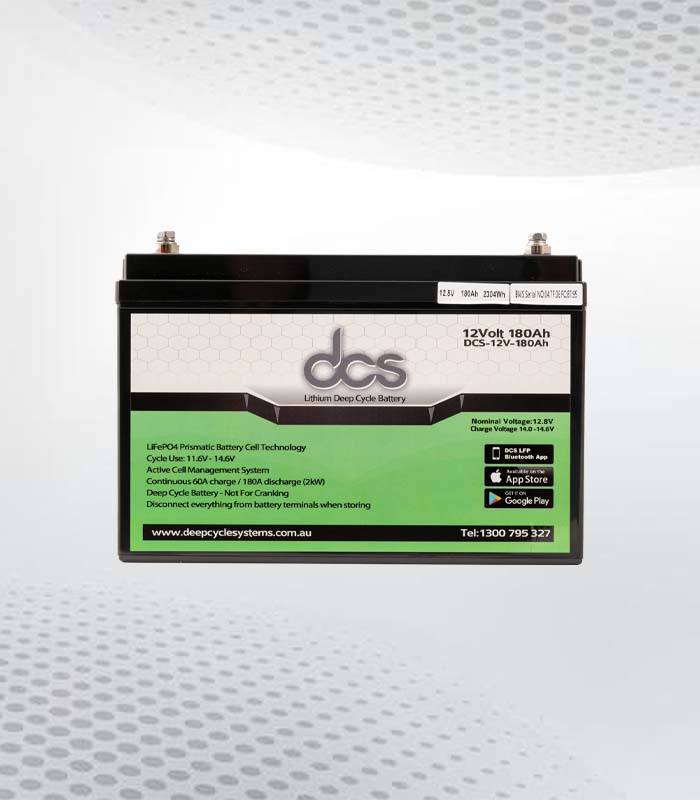
    Lithium-Ion Batteries Are Also Safer Than Lead-Acid Batteries

    Lithium-ion batteries are also safer than lead-acid batteries. They don’t contain any toxic materials or gases, which makes them much easier to dispose of when they’re no longer usable. Lithium-ion batteries are also more environmentally friendly than other types of batteries because they don’t produce harmful byproducts when they’re disposed of properly (in fact, they can be recycled).

    Lithium-Based Batteries Are More Expensive Than Conventional Solar Batteries

    Lithium-based batteries are more expensive than conventional solar batteries. However, they last longer and are more efficient, so you’ll get more out of your investment over time. Lithium-ion batteries are also more environmentally friendly than other types of batteries because they don’t produce harmful byproducts when they’re disposed of properly (in fact, they can be recycled). Lithium-ion batteries are also safer than lead-acid batteries. They don’t contain any toxic materials or gases, which makes them much easier to dispose of when they’re no longer usable.

    Lithium-Ion Batteries Are Also Safer Than Lead-Acid Batteries

    Lithium-ion batteries are also safer than lead-acid batteries. They don’t contain any toxic materials or gases, which makes them much easier to dispose of when they’re no longer usable. Lithium-ion batteries are also more environmentally friendly than other types of batteries because they don’t produce harmful byproducts when they’re disposed of properly (in fact, they can be recycled).

    Lithium-Based Solar Batteries Can Be Used In More Applications Than Conventional Solar Batteries

    Lithium-based solar batteries are more efficient and last longer than conventional batteries. That means that they can be used in more applications than conventional solar batteries, including:

    • Off-grid systems (no connection to the grid)
    • Residential and commercial backup power systems

    The advantages of lithium-based solar batteries include their lighter weight, higher efficiency, longer lifespan, and greater flexibility when it comes to installation. That batteries are also more sensitive to heat, so they must be stored at temperatures lower than 40 degrees Celsius. Lithium-based solar batteries are not the right choice for everyone. If you are looking to use your solar power system off-grid, or in a remote location with no access to electricity, then lead acid batteries may still be the best option for you.

    Lithium-Based Solar Batteries Are More Durable Than Conventional Solar Batteries

    Lithium-based solar batteries are more durable than conventional solar batteries. They won’t leak if damaged, and they don’t need to be fully discharged before recharging. That makes them safer for use in remote locations and areas with high seismic activity. The disadvantages of lithium-based batteries include their higher cost and slower recharge times. The main advantage of lithium-based solar batteries is their lighter weight, which means they can be more easily carried by workers during installation. That makes them particularly well suited to off-grid systems and applications where the batteries need to be moved regularly (e.g., construction sites). Because of that, lithium-ion batteries are more expensive than lead-acid batteries. If you’re looking for the most affordable option, then lead acid is probably the best choice for you.

    Lithium-Based Solar Batteries Are Lighter Than Conventional Solar Batteries

    Lithium-based batteries are lighter than conventional systems. They’re also more efficient and last longer, making them a great choice for your off-grid home or business.

    A Lithium-Ion Battery Can Last Up To 50% Longer Than A Lead-Acid Battery Of The Same Size

    A lithium-ion battery can last up to 50% longer than a lead-acid battery of the same size, which means that you can use it for more years without having to replace it. A lithium-ion battery can also last 25% longer than a lead-acid battery of the same size, which means that you can use it for more years without having to replace it. Lithium-ion batteries are also safer than lead-acid batteries. They don’t contain any toxic materials or gases, which makes them much easier to dispose of when they’re no longer usable. Lithium-ion batteries are also more environmentally friendly than other types of batteries because they don’t produce harmful byproducts when they’re disposed of properly (in fact, they can be recycled). Lithium-ion batteries are also newer to the market, so they may not be available in your area. Lastly, lithium-based solar batteries have a lower voltage per cell than lead-acid cells and require more care when handling.

    They Don’t Contain Any Toxic Materials Or Gases

    Lithium-ion batteries are also safer than lead-acid batteries. They don’t contain any toxic materials or gases, which makes them much easier to dispose of when they’re no longer usable. – Lithium-ion batteries are also newer to the market, so they may not be available in your area. Lastly, lithium-based solar batteries have a lower voltage per cell than lead-acid cells and require more care when handling.

    Choosing Lithium-Based Batteries For Your Solar Power System Is A Great Choice

    Choosing lithium-based batteries for your solar power system is a great choice for the environment and your wallet! Lithium-ion batteries are more efficient, last longer, and can be used in more applications than their lead-acid counterparts. They are lighter in weight as well, which means that they require less material to manufacture. That results in lower emissions during the production of the battery itself. The disadvantages of lithium-based solar batteries include their higher price point, relative newness to the market, and the fact that they require careful handling. If you want to use your solar power system in an area that gets a lot of rain, then lead-acid batteries may still be the best option for you. Lithium-based solar batteries are less efficient than conventional solar batteries. They also have a shorter lifespan and need more intensive maintenance compared to lead-acid batteries.

    Lithium-Based Batteries Are More Expensive Than Conventional Solar Batteries

    Lithium-based batteries are more expensive than conventional solar batteries. However, they last longer and are more efficient, so you’ll get more out of your investment over time. Lithium-ion batteries are also safer than lead-acid batteries. They don’t contain any toxic materials or gases, which makes them much easier to dispose of when they’re no longer usable. Lithium-ion batteries are also safer than lead-acid batteries. They don’t contain any toxic materials or gases, which makes them much easier to dispose of when they’re no longer usable. Lithium-ion batteries are also safer than lead-acid batteries. They don’t contain any toxic materials or gases, which makes them much easier to dispose of when they’re no longer usable.

    Conclusion

    Hopefully that article has helped you understand the benefits of lithium-based solar batteries. They’re a great way to power your home or business, and they’re also better for the environment than conventional batteries. If you want to learn more about the solar solutions or get started on your project, contact them today! Lithium-ion batteries are more stable and less prone to overheating than other types of batteries. They’re also easier to manage and maintain, making them ideal for off-grid homes or businesses. The biggest downside of lithium-ion batteries is that they’re expensive. They also don’t last as long in cold weather conditions as lead-acid batteries do.

    Spanish

    Los beneficios ambientales de elegir baterías solares de litio

    Cuando se trata de energía solar, las baterías solares de litio se están convirtiendo rápidamente en la opción de batería preferida. El litio siempre ha sido conocido como un elemento respetuoso con el medio ambiente, lo que lo hace perfecto para alimentar los hogares con energías renovables. Pero, ¿qué hace que las baterías de litio sean tan geniales? Esa publicación de blog explorará qué hace que las baterías de litio sean tan geniales y por qué son mejores que las convencionales.

    La batería solar de iones de litio es más eficiente que las baterías solares convencionales

    La batería solar de iones de litio es más eficiente que las baterías solares convencionales. También son mejores que las baterías de plomo-ácido y de hidruro metálico de níquel (NiMH), que son dos de los tipos más comunes de baterías solares que se utilizan en la actualidad. Las baterías de plomo-ácido convencionales pierden alrededor de un 10% de su capacidad al año, mientras que las de litio solo pierden un 1% o un 2%. Eso significa que obtendrá más de su inversión en un sistema de litio con el tiempo, ¡y tendrá menos desechos de los que preocuparse al final de su ciclo de vida! Las baterías solares de litio no son la mejor opción para todos. Si está buscando usar su sistema de energía solar fuera de la red, o en una ubicación remota sin acceso a la electricidad, entonces las baterías de plomo ácido pueden ser la mejor opción para usted. Las baterías solares de litio son más duraderas que las baterías solares convencionales. No se filtrarán si se dañan y no es necesario descargarlos por completo antes de recargarlos. Eso los hace más seguros para su uso en lugares remotos y áreas con alta actividad sísmica.

    Las baterías de litio para paneles solares también duran más que las baterías de plomo-ácido

    Las baterías de litio para paneles solares duran más que las baterías solares convencionales.

    • Las baterías solares de litio duran más que las baterías solares convencionales.
    • Una batería de iones de litio puede durar hasta un 50 % más que una batería de plomo-ácido del mismo tamaño, lo que significa que puede usarla durante más años sin tener que reemplazarla.
    • Una batería de iones de litio también puede durar un 25 % más que una batería de plomo-ácido del mismo tamaño, lo que significa que puede usarla durante más años sin tener que reemplazarla.

    Las baterías de litio son más caras que las baterías solares convencionales. Sin embargo, duran más y son más eficientes, por lo que obtendrá más de su inversión con el tiempo.Lithium Solar Batteries

    litio también son más seguras que las baterías de plomo-ácido

    Las baterías de iones de litio también son más seguras que las baterías de plomo-ácido. No contienen materiales ni gases tóxicos, lo que los hace mucho más fáciles de desechar cuando ya no se pueden usar. Las baterías de iones de litio también son más respetuosas con el medio ambiente que otros tipos de baterías porque no producen subproductos nocivos cuando se desechan correctamente (de hecho, se pueden reciclar).

    Las baterías de litio son más caras que las baterías solares convencionales

    Las baterías de litio son más caras que las baterías solares convencionales. Sin embargo, duran más y son más eficientes, por lo que obtendrá más de su inversión con el tiempo. Las baterías de iones de litio también son más respetuosas con el medio ambiente que otros tipos de baterías porque no producen subproductos nocivos cuando se desechan correctamente (de hecho, se pueden reciclar). Las baterías de iones de litio también son más seguras que las baterías de plomo-ácido. No contienen materiales ni gases tóxicos, lo que los hace mucho más fáciles de desechar cuando ya no se pueden usar.

    Las baterías de iones de litio también son más seguras que las baterías de plomo-ácido

    Las baterías de iones de litio también son más seguras que las baterías de plomo-ácido. No contienen materiales ni gases tóxicos, lo que los hace mucho más fáciles de desechar cuando ya no se pueden utilizar. Las baterías de iones de litio también son más respetuosas con el medio ambiente que otros tipos de baterías porque no producen subproductos nocivos cuando se desechan correctamente (de hecho, se pueden reciclar).

    Las baterías solares a base de litio se pueden utilizar en más aplicaciones que las baterías solares convencionales

    Las baterías solares de litio son más eficientes y duran más que las baterías convencionales. Eso significa que se pueden usar en más aplicaciones que las baterías solares convencionales, que incluyen:

    • Sistemas aislados (sin conexión a la red)
    • Sistemas de energía de respaldo residenciales y comerciales

    Las ventajas de las baterías solares a base de litio incluyen su menor peso, mayor eficiencia, mayor vida útil y mayor flexibilidad en lo que respecta a la instalación. Que las baterías también son más sensibles al calor, por lo que deben almacenarse a temperaturas inferiores a los 40 grados centígrados. Las baterías solares de litio no son la mejor opción para todos. Si está buscando usar su sistema de energía solar fuera de la red, o en una ubicación remota sin acceso a la electricidad, entonces las baterías de plomo ácido pueden ser la mejor opción para usted.

    Las baterías solares a base de litio son más duraderas que las baterías solares convencionales

    Las baterías solares de litio son más duraderas que las baterías solares convencionales. No se filtrarán si se dañan y no es necesario descargarlos por completo antes de recargarlos. Eso los hace más seguros para su uso en lugares remotos y áreas con alta actividad sísmica. Las desventajas de las baterías a base de litio incluyen su mayor costo y tiempos de recarga más lentos. La principal ventaja de las baterías solares a base de litio es su peso más ligero, lo que significa que los trabajadores pueden transportarlas más fácilmente durante la instalación. Eso los hace particularmente adecuados para sistemas fuera de la red y aplicaciones donde las baterías deben moverse regularmente (por ejemplo, sitios de construcción). Por eso, las baterías de iones de litio son más caras que las baterías de plomo-ácido. Si está buscando la opción más asequible, entonces el ácido de plomo es probablemente la mejor opción para usted.

    Las baterías solares a base de litio son más ligeras que las baterías solares convencionales

    Las baterías de litio son más ligeras que los sistemas convencionales. También son más eficientes y duran más, lo que los convierte en una excelente opción para su hogar o negocio sin conexión a la red.

    Una batería de iones de litio puede durar hasta un 50 % más que una batería de plomo-ácido del mismo tamaño

    Una batería de iones de litio puede durar hasta un 50 % más que una batería de plomo-ácido del mismo tamaño, lo que significa que puede usarla durante más años sin tener que reemplazarla. Una batería de iones de litio también puede durar un 25 % más que una batería de plomo-ácido del mismo tamaño, lo que significa que puede usarla durante más años sin tener que reemplazarla. Las baterías de iones de litio también son más seguras que las baterías de plomo-ácido. No contienen materiales ni gases tóxicos, lo que los hace mucho más fáciles de desechar cuando ya no se pueden usar. Las baterías de iones de litio también son más respetuosas con el medio ambiente que otros tipos de baterías porque no producen subproductos nocivos cuando se desechan correctamente (de hecho, se pueden reciclar). Las baterías de iones de litio también son más nuevas en el mercado, por lo que es posible que no estén disponibles en su área. Por último, las baterías solares de litio tienen un voltaje por celda más bajo que las de plomo-ácido y requieren más cuidado al manipularlas.

    No contienen materiales ni gases tóxicos.

    Las baterías de iones de litio también son más seguras que las baterías de plomo-ácido. No contienen materiales ni gases tóxicos, lo que los hace mucho más fáciles de desechar cuando ya no se pueden usar. – Las baterías de iones de litio también son más nuevas en el mercado, por lo que es posible que no estén disponibles en su área. Por último, las baterías solares de litio tienen un voltaje por celda más bajo que las de plomo-ácido y requieren más cuidado al manipularlas.

    Elegir baterías a base de litio para su sistema de energía solar es una excelente opción

    ¡Elegir baterías a base de litio para su sistema de energía solar es una excelente opción para el medio ambiente y su billetera! Las baterías de iones de litio son más eficientes, duran más y se pueden usar en más aplicaciones que sus contrapartes de plomo-ácido. También son más livianos, lo que significa que requieren menos material para fabricarse. Eso da como resultado emisiones más bajas durante la producción de la propia batería. Las desventajas de las baterías solares a base de litio incluyen su precio más alto, su relativa novedad en el mercado y el hecho de que requieren un manejo cuidadoso. Si desea usar su sistema de energía solar en un área donde llueve mucho, entonces las baterías de plomo-ácido aún pueden ser la mejor opción para usted. Las baterías solares de litio son menos eficientes que las baterías solares convencionales. También tienen una vida útil más corta y necesitan un mantenimiento más intensivo en comparación con las baterías de plomo-ácido.

    Las baterías de litio son más caras que las baterías solares convencionales

    Las baterías de litio son más caras que las baterías solares convencionales. Sin embargo, duran más y son más eficientes, por lo que obtendrá más de su inversión con el tiempo. Las baterías de iones de litio también son más seguras que las baterías de plomo-ácido. No contienen materiales ni gases tóxicos, lo que los hace mucho más fáciles de desechar cuando ya no se pueden usar. Las baterías de iones de litio también son más seguras que las baterías de plomo-ácido. No contienen materiales ni gases tóxicos, lo que los hace mucho más fáciles de desechar cuando ya no se pueden usar. Las baterías de iones de litio también son más seguras que las baterías de plomo-ácido. No contienen materiales ni gases tóxicos, lo que los hace mucho más fáciles de desechar cuando ya no se pueden usar.

    Conclusión

    Con suerte, ese artículo lo ha ayudado a comprender los beneficios de las baterías solares a base de litio. Son una excelente manera de alimentar su hogar o negocio, y también son mejores para el medio ambiente que las baterías convencionales. Si desea obtener más información sobre las soluciones solares o comenzar su proyecto, ¡contáctelos hoy! Las baterías de iones de litio son más estables y menos propensas a sobrecalentarse que otros tipos de baterías. También son más fáciles de administrar y mantener, lo que los hace ideales para hogares o negocios sin conexión a la red. El mayor inconveniente de las baterías de iones de litio es que son caras. Tampoco duran tanto en condiciones de clima frío como las baterías de plomo-ácido.

    Italian

    I vantaggi ambientali della scelta delle batterie solari al litio

    Quando si tratta di energia solare, le batterie solari al litio stanno rapidamente diventando l’opzione di batteria preferita. Il litio è da sempre conosciuto come un elemento ecologico, il che lo rende perfetto per alimentare le case con energia rinnovabile. Ma cosa rende le batterie al litio così eccezionali? Quel post sul blog esplorerà cosa rende le batterie al litio così eccezionali e perché sono migliori di quelle convenzionali.

    La batteria solare agli ioni di litio è più efficiente delle batterie solari convenzionali

    La batteria solare agli ioni di litio è più efficiente delle batterie solari convenzionali. Sono anche migliori delle batterie al piombo-acido e al nichel-metallo idruro (NiMH), che sono due dei tipi più comuni di batterie solari utilizzate oggi. Le batterie al piombo convenzionali perdono circa il 10% della loro capacità all’anno, mentre quelle a base di litio perdono solo l’1% o il 2%. Ciò significa che otterrai di più dal tuo investimento in un sistema al litio nel tempo e avrai meno rifiuti di cui preoccuparti alla fine del suo ciclo di vita! Le batterie solari a base di litio non sono la scelta giusta per tutti. Se stai cercando di utilizzare il tuo sistema di energia solare off-grid o in una posizione remota senza accesso all’elettricità, le batterie al piombo potrebbero comunque essere l’opzione migliore per te. Le batterie solari a base di litio sono più durevoli delle batterie solari convenzionali. Non perderanno se danneggiati e non è necessario scaricarli completamente prima di ricaricarli. Ciò li rende più sicuri per l’uso in luoghi remoti e aree con elevata attività sismica

    Le batterie al litio per pannelli solari durano anche più a lungo delle batterie al piombo

    Le batterie al litio per pannelli solari durano più a lungo delle batterie solari convenzionali.

    • Le batterie solari a base di litio durano più a lungo delle batterie solari convenzionali.
    • Una batteria agli ioni di litio può durare fino al 50% in più rispetto a una batteria al piombo della stessa dimensione, il che significa che puoi usarla per più anni senza doverla sostituire.
    • Una batteria agli ioni di litio può anche durare il 25% in più rispetto a una batteria al piombo della stessa dimensione, il che significa che puoi usarla per più anni senza doverla sostituire.

    Le batterie al litio sono più costose delle batterie solari convenzionali. Tuttavia, durano più a lungo e sono più efficienti, quindi otterrai di più dal tuo investimento nel tempo.Lithium Solar Batteries

    litio sono anche più sicure delle batterie al piombo

    Le batterie agli ioni di litio sono anche più sicure delle batterie al piombo. Non contengono materiali o gas tossici, il che li rende molto più facili da smaltire quando non sono più utilizzabili. Le batterie agli ioni di litio sono anche più rispettose dell’ambiente rispetto ad altri tipi di batterie perché non producono sottoprodotti nocivi quando vengono smaltite correttamente (infatti, possono essere riciclate).

    Le batterie al litio sono più costose delle batterie solari convenzionali

    Le batterie al litio sono più costose delle batterie solari convenzionali. Tuttavia, durano più a lungo e sono più efficienti, quindi otterrai di più dal tuo investimento nel tempo. Le batterie agli ioni di litio sono anche più rispettose dell’ambiente rispetto ad altri tipi di batterie perché non producono sottoprodotti nocivi quando vengono smaltite correttamente (infatti, possono essere riciclate). Le batterie agli ioni di litio sono anche più sicure delle batterie al piombo. Non contengono materiali o gas tossici, il che li rende molto più facili da smaltire quando non sono più utilizzabili.

    Le batterie agli ioni di litio sono anche più sicure delle batterie al piombo

    Le batterie agli ioni di litio sono anche più sicure delle batterie al piombo. Non contengono materiali o gas tossici, il che li rende molto più facili da smaltire quando non sono più utilizzabili. Le batterie agli ioni di litio sono anche più rispettose dell’ambiente rispetto ad altri tipi di batterie perché non producono sottoprodotti nocivi quando vengono smaltite correttamente (infatti, possono essere riciclate).

    Le batterie solari a base di litio possono essere utilizzate in più applicazioni rispetto alle batterie solari convenzionali

    Le batterie solari a base di litio sono più efficienti e durano più a lungo delle batterie convenzionali. Ciò significa che possono essere utilizzate in più applicazioni rispetto alle batterie solari convenzionali, tra cui:

    • Sistemi off-grid (nessuna connessione alla rete)
    • Sistemi di alimentazione di backup residenziali e commerciali

    I vantaggi delle batterie solari a base di litio includono il loro peso più leggero, maggiore efficienza, maggiore durata e maggiore flessibilità quando si tratta di installazione. Che le batterie sono anche più sensibili al calore, quindi devono essere conservate a temperature inferiori a 40 gradi Celsius. Le batterie solari a base di litio non sono la scelta giusta per tutti. Se stai cercando di utilizzare il tuo sistema di energia solare off-grid o in una posizione remota senza accesso all’elettricità, le batterie al piombo potrebbero comunque essere l’opzione migliore per te.

    Le batterie solari a base di litio sono più durevoli delle batterie solari convenzionali

    Le batterie solari a base di litio sono più durevoli delle batterie solari convenzionali. Non perderanno se danneggiati e non è necessario scaricarli completamente prima di ricaricarli. Ciò li rende più sicuri per l’uso in luoghi remoti e aree con elevata attività sismica. Gli svantaggi delle batterie a base di litio includono il loro costo più elevato e tempi di ricarica più lenti. Il vantaggio principale delle batterie solari a base di litio è il loro peso ridotto, il che significa che possono essere trasportate più facilmente dai lavoratori durante l’installazione. Ciò le rende particolarmente adatte a sistemi off-grid e applicazioni in cui le batterie devono essere spostate regolarmente (ad esempio, cantieri). Per questo motivo, le batterie agli ioni di litio sono più costose delle batterie al piombo. Se stai cercando l’opzione più conveniente, allora il piombo acido è probabilmente la scelta migliore per te.

    litio sono più leggere delle batterie solari convenzionali

    Le batterie al litio sono più leggere dei sistemi convenzionali. Sono anche più efficienti e durano più a lungo, il che li rende un’ottima scelta per la tua casa o azienda off-grid.

    Una batteria agli ioni di litio può durare fino al 50% in più rispetto a una batteria al piombo della stessa dimensione

    Una batteria agli ioni di litio può durare fino al 50% in più rispetto a una batteria al piombo della stessa dimensione, il che significa che puoi usarla per più anni senza doverla sostituire. Una batteria agli ioni di litio può anche durare il 25% in più rispetto a una batteria al piombo della stessa dimensione, il che significa che puoi usarla per più anni senza doverla sostituire. Le batterie agli ioni di litio sono anche più sicure delle batterie al piombo. Non contengono materiali o gas tossici, il che li rende molto più facili da smaltire quando non sono più utilizzabili. Le batterie agli ioni di litio sono anche più rispettose dell’ambiente rispetto ad altri tipi di batterie perché non producono sottoprodotti nocivi quando vengono smaltite correttamente (infatti, possono essere riciclate). Le batterie agli ioni di litio sono anche più recenti sul mercato, quindi potrebbero non essere disponibili nella tua zona. Infine, le batterie solari a base di litio hanno una tensione per cella inferiore rispetto alle celle al piombo e richiedono maggiore attenzione durante la manipolazione.

    Non contengono materiali o gas tossici

    Le batterie agli ioni di litio sono anche più sicure delle batterie al piombo. Non contengono materiali o gas tossici, il che li rende molto più facili da smaltire quando non sono più utilizzabili. – Anche le batterie agli ioni di litio sono più recenti sul mercato, quindi potrebbero non essere disponibili nella tua zona. Infine, le batterie solari a base di litio hanno una tensione per cella inferiore rispetto alle celle al piombo e richiedono maggiore attenzione durante la manipolazione.

    La scelta di batterie a base di litio per il tuo sistema di energia solare è un’ottima scelta

    La scelta di batterie al litio per il tuo impianto fotovoltaico è un’ottima scelta per l’ambiente e per il tuo portafoglio! Le batterie agli ioni di litio sono più efficienti, durano più a lungo e possono essere utilizzate in più applicazioni rispetto alle loro controparti al piombo. Sono anche più leggeri, il che significa che richiedono meno materiale per la produzione. Ciò si traduce in minori emissioni durante la produzione della batteria stessa. Gli svantaggi delle batterie solari a base di litio includono il loro prezzo più elevato, la relativa novità sul mercato e il fatto che richiedono un’attenta gestione. Se desideri utilizzare il tuo sistema di energia solare in un’area in cui piove molto, le batterie al piombo potrebbero comunque essere l’opzione migliore per te. Le batterie solari a base di litio sono meno efficienti delle batterie solari convenzionali. Hanno anche una durata di vita più breve e necessitano di una manutenzione più intensiva rispetto alle batterie al piombo.

    Le batterie al litio sono più costose delle batterie solari convenzionali

    Le batterie al litio sono più costose delle batterie solari convenzionali. Tuttavia, durano più a lungo e sono più efficienti, quindi otterrai di più dal tuo investimento nel tempo. Le batterie agli ioni di litio sono anche più sicure delle batterie al piombo. Non contengono materiali o gas tossici, il che li rende molto più facili da smaltire quando non sono più utilizzabili. Le batterie agli ioni di litio sono anche più sicure delle batterie al piombo. Non contengono materiali o gas tossici, il che li rende molto più facili da smaltire quando non sono più utilizzabili. Le batterie agli ioni di litio sono anche più sicure delle batterie al piombo. Non contengono materiali o gas tossici, il che li rende molto più facili da smaltire quando non sono più utilizzabili.

    Conclusione

    Spero che questo articolo ti abbia aiutato a comprendere i vantaggi delle batterie solari a base di litio. Sono un ottimo modo per alimentare la tua casa o il tuo lavoro e sono anche migliori per l’ambiente rispetto alle batterie convenzionali. Se vuoi saperne di più sulle soluzioni solari o iniziare il tuo progetto, contattali oggi! Le batterie agli ioni di litio sono più stabili e meno soggette al surriscaldamento rispetto ad altri tipi di batterie. Sono anche più facili da gestire e mantenere, rendendoli ideali per case o aziende off-grid. Il più grande svantaggio delle batterie agli ioni di litio è che sono costose. Inoltre, non durano a lungo in condizioni climatiche fredde come le batterie al piombo.

    German

    Die Umweltvorteile der Wahl von Lithium-Solarbatterien

    Wenn es um Solarenergie geht, werden Lithium-Solarbatterien schnell zur bevorzugten Batterieoption. Lithium ist seit jeher als umweltfreundliches Element bekannt und eignet sich daher hervorragend für die Stromversorgung von Haushalten mit erneuerbarer Energie. Aber was macht Lithium-basierte Batterien so großartig? In diesem Blogbeitrag wird untersucht, was Lithiumbatterien so großartig macht und warum sie besser als herkömmliche sind.

    Lithium-Ionen-Solarbatterien sind effizienter als herkömmliche Solarbatterien

    Lithium-Ionen-Solarbatterien sind effizienter als herkömmliche Solarbatterien. Sie sind auch besser als Blei-Säure- und Nickel-Metallhydrid-Batterien (NiMH), die zwei der heute am häufigsten verwendeten Arten von Solarbatterien sind. Herkömmliche Blei-Säure-Batterien verlieren pro Jahr etwa 10 % ihrer Kapazität, während solche auf Lithiumbasis nur 1 % oder 2 % verlieren. Das bedeutet, dass Sie im Laufe der Zeit mehr aus Ihrer Investition in ein Lithium-System herausholen – und am Ende seines Lebenszyklus weniger Abfall haben, über den Sie sich Sorgen machen müssen! Lithiumbasierte Solarbatterien sind nicht für jeden die richtige Wahl. Wenn Sie Ihre Solarstromanlage netzunabhängig oder an einem abgelegenen Ort ohne Zugang zu Elektrizität nutzen möchten, sind Blei-Säure-Batterien möglicherweise immer noch die beste Option für Sie. Lithiumbasierte Solarbatterien sind langlebiger als herkömmliche Solarbatterien. Bei Beschädigung laufen sie nicht aus und müssen vor dem Aufladen nicht vollständig entladen werden. Dadurch sind sie sicherer für den Einsatz an abgelegenen Orten und in Gebieten mit hoher seismischer Aktivität

    Lithiumbatterien für Solarmodule halten außerdem länger als Blei-Säure-Batterien

    Lithiumbatterien für Solarmodule halten länger als herkömmliche Solarbatterien.

    • Lithiumbasierte Solarbatterien halten länger als herkömmliche Solarbatterien.
    • Eine Lithium-Ionen-Batterie kann bis zu 50 % länger halten als eine Blei-Säure-Batterie gleicher Größe, sodass Sie sie länger verwenden können, ohne sie austauschen zu müssen.
    • Ein Lithium-Ionen-Akku kann außerdem 25 % länger halten als ein Blei-Säure-Akku gleicher Größe, sodass Sie ihn länger verwenden können, ohne ihn austauschen zu müssen.

    Lithiumbasierte Batterien sind teurer als herkömmliche Solarbatterien. Sie halten jedoch länger und sind effizienter, sodass Sie mit der Zeit mehr aus Ihrer Investition herausholen.Lithium Solar Batteries

    Lithium -Ionen-Batterien sind außerdem sicherer als Blei-Säure-Batterien

    Lithium-Ionen-Batterien sind außerdem sicherer als Blei-Säure-Batterien. Sie enthalten keine giftigen Stoffe oder Gase, was die Entsorgung wesentlich erleichtert, wenn sie nicht mehr verwendbar sind. Lithium-Ionen-Batterien sind außerdem umweltfreundlicher als andere Batterietypen, da sie bei ordnungsgemäßer Entsorgung keine schädlichen Nebenprodukte produzieren (sie können sogar recycelt werden).

    Lithiumbasierte Batterien sind teurer als herkömmliche Solarbatterien

    Lithiumbasierte Batterien sind teurer als herkömmliche Solarbatterien. Sie halten jedoch länger und sind effizienter, sodass Sie mit der Zeit mehr aus Ihrer Investition herausholen. Lithium-Ionen-Batterien sind außerdem umweltfreundlicher als andere Batterietypen, da sie bei ordnungsgemäßer Entsorgung keine schädlichen Nebenprodukte produzieren (sie können sogar recycelt werden). Lithium-Ionen-Batterien sind außerdem sicherer als Blei-Säure-Batterien. Sie enthalten keine giftigen Stoffe oder Gase, was die Entsorgung wesentlich erleichtert, wenn sie nicht mehr verwendbar sind.

    Lithium-Ionen-Batterien sind außerdem sicherer als Blei-Säure-Batterien

    Lithium-Ionen-Batterien sind außerdem sicherer als Blei-Säure-Batterien. Sie enthalten keine giftigen Stoffe oder Gase, was die Entsorgung wesentlich erleichtert, wenn sie nicht mehr verwendbar sind. Lithium-Ionen-Batterien sind außerdem umweltfreundlicher als andere Batterietypen, da sie bei ordnungsgemäßer Entsorgung keine schädlichen Nebenprodukte produzieren (sie können sogar recycelt werden).

    Lithiumbasierte Solarbatterien können in mehr Anwendungen eingesetzt werden als herkömmliche Solarbatterien

    Lithiumbasierte Solarbatterien sind effizienter und halten länger als herkömmliche Batterien. Das bedeutet, dass sie in mehr Anwendungen als herkömmliche Solarbatterien eingesetzt werden können, darunter:

    • Off-Grid-Systeme (keine Verbindung zum Netz)
    • Notstromsysteme für Privathaushalte und Gewerbe

    Zu den Vorteilen von Lithium-basierten Solarbatterien gehören das geringere Gewicht, die höhere Effizienz, die längere Lebensdauer und die größere Flexibilität bei der Installation. Zudem sind Akkus wärmeempfindlicher und müssen daher bei Temperaturen unter 40 Grad Celsius gelagert werden. Lithiumbasierte Solarbatterien sind nicht für jeden die richtige Wahl. Wenn Sie Ihre Solarstromanlage netzunabhängig oder an einem abgelegenen Ort ohne Zugang zu Elektrizität nutzen möchten, sind Blei-Säure-Batterien möglicherweise immer noch die beste Option für Sie.

    Lithiumbasierte Solarbatterien sind langlebiger als herkömmliche Solarbatterien

    Lithiumbasierte Solarbatterien sind langlebiger als herkömmliche Solarbatterien. Bei Beschädigung laufen sie nicht aus und müssen vor dem Aufladen nicht vollständig entladen werden. Dadurch sind sie sicherer für den Einsatz an abgelegenen Orten und in Gebieten mit hoher seismischer Aktivität. Zu den Nachteilen von Lithium-Batterien zählen ihre höheren Kosten und die langsameren Ladezeiten. Der Hauptvorteil von Solarbatterien auf Lithiumbasis ist ihr geringeres Gewicht, was bedeutet, dass sie von Arbeitern während der Installation leichter getragen werden können. Dadurch eignen sie sich besonders gut für netzunabhängige Systeme und Anwendungen, bei denen die Batterien regelmäßig bewegt werden müssen (z. B. auf Baustellen). Aus diesem Grund sind Lithium-Ionen-Batterien teurer als Blei-Säure-Batterien. Wenn Sie nach der günstigsten Option suchen, ist Bleisäure wahrscheinlich die beste Wahl für Sie.

    Lithiumbasierte Solarbatterien sind leichter als herkömmliche Solarbatterien

    Lithiumbasierte Batterien sind leichter als herkömmliche Systeme. Sie sind außerdem effizienter und halten länger, was sie zu einer guten Wahl für Ihr netzunabhängiges Zuhause oder Unternehmen macht.

    Eine Lithium-Ionen-Batterie kann bis zu 50 % länger halten als eine Blei-Säure-Batterie gleicher Größe

    Eine Lithium-Ionen-Batterie kann bis zu 50 % länger halten als eine Blei-Säure-Batterie gleicher Größe, sodass Sie sie länger verwenden können, ohne sie austauschen zu müssen. Ein Lithium-Ionen-Akku kann außerdem 25 % länger halten als ein Blei-Säure-Akku gleicher Größe, sodass Sie ihn länger verwenden können, ohne ihn austauschen zu müssen. Lithium-Ionen-Batterien sind außerdem sicherer als Blei-Säure-Batterien. Sie enthalten keine giftigen Stoffe oder Gase, was die Entsorgung wesentlich erleichtert, wenn sie nicht mehr verwendbar sind. Lithium-Ionen-Batterien sind außerdem umweltfreundlicher als andere Batterietypen, da sie bei ordnungsgemäßer Entsorgung keine schädlichen Nebenprodukte produzieren (sie können sogar recycelt werden). Lithium-Ionen-Batterien sind ebenfalls neuer auf dem Markt und daher in Ihrer Region möglicherweise nicht verfügbar. Schließlich haben Lithium-Solarbatterien eine geringere Spannung pro Zelle als Blei-Säure-Zellen und erfordern mehr Sorgfalt bei der Handhabung.

    Sie enthalten keine giftigen Materialien oder Gase

    Lithium-Ionen-Batterien sind außerdem sicherer als Blei-Säure-Batterien. Sie enthalten keine giftigen Stoffe oder Gase, was die Entsorgung wesentlich erleichtert, wenn sie nicht mehr verwendbar sind. – Lithium-Ionen-Akkus sind ebenfalls neuer auf dem Markt und daher in Ihrer Region möglicherweise nicht verfügbar. Schließlich haben Lithium-Solarbatterien eine geringere Spannung pro Zelle als Blei-Säure-Zellen und erfordern mehr Sorgfalt bei der Handhabung.

    Die Wahl von Lithium-basierten Batterien für Ihr Solarstromsystem ist eine gute Wahl

    Die Wahl von Lithiumbatterien für Ihre Solarstromanlage ist eine gute Wahl für die Umwelt und Ihren Geldbeutel! Lithium-Ionen-Batterien sind effizienter, halten länger und können in mehr Anwendungen eingesetzt werden als ihre Blei-Säure-Gegenstücke. Außerdem sind sie leichter, was bedeutet, dass für die Herstellung weniger Material benötigt wird. Dies führt zu geringeren Emissionen bei der Herstellung der Batterie selbst. Zu den Nachteilen von Solarbatterien auf Lithiumbasis gehören ihr höherer Preis, ihre relative Neuheit auf dem Markt und die Tatsache, dass sie eine sorgfältige Handhabung erfordern. Wenn Sie Ihre Solarstromanlage in einem Gebiet nutzen möchten, in dem es viel regnet, sind Blei-Säure-Batterien möglicherweise immer noch die beste Option für Sie. Lithiumbasierte Solarbatterien sind weniger effizient als herkömmliche Solarbatterien. Außerdem haben sie im Vergleich zu Blei-Säure-Batterien eine kürzere Lebensdauer und einen intensiveren Wartungsaufwand.

    Lithiumbasierte Batterien sind teurer als herkömmliche Solarbatterien

    Lithiumbasierte Batterien sind teurer als herkömmliche Solarbatterien. Sie halten jedoch länger und sind effizienter, sodass Sie mit der Zeit mehr aus Ihrer Investition herausholen. Lithium-Ionen-Batterien sind außerdem sicherer als Blei-Säure-Batterien. Sie enthalten keine giftigen Stoffe oder Gase, was die Entsorgung wesentlich erleichtert, wenn sie nicht mehr verwendbar sind. Lithium-Ionen-Batterien sind außerdem sicherer als Blei-Säure-Batterien. Sie enthalten keine giftigen Stoffe oder Gase, was die Entsorgung wesentlich erleichtert, wenn sie nicht mehr verwendbar sind. Lithium-Ionen-Batterien sind außerdem sicherer als Blei-Säure-Batterien. Sie enthalten keine giftigen Stoffe oder Gase, was die Entsorgung wesentlich erleichtert, wenn sie nicht mehr verwendbar sind.

    Abschluss

    Hoffentlich hat Ihnen dieser Artikel dabei geholfen, die Vorteile von Lithium-Solarbatterien zu verstehen. Sie sind eine großartige Möglichkeit, Ihr Zuhause oder Ihr Unternehmen mit Strom zu versorgen, und sie sind außerdem umweltfreundlicher als herkömmliche Batterien. Wenn Sie mehr über die Solarlösungen erfahren oder mit Ihrem Projekt beginnen möchten, kontaktieren Sie sie noch heute! Lithium-Ionen-Akkus sind stabiler und weniger anfällig für Überhitzung als andere Akkutypen. Außerdem sind sie einfacher zu verwalten und zu warten, was sie ideal für netzunabhängige Haushalte oder Unternehmen macht. Der größte Nachteil von Lithium-Ionen-Batterien ist, dass sie teuer sind. Außerdem halten sie bei kaltem Wetter nicht so lange wie Blei-Säure-Batterien.

    French

    Les avantages environnementaux du choix des batteries solaires au lithium

    En ce qui concerne l’énergie solaire, les batteries solaires au lithium deviennent rapidement l’option de batterie préférée. Le lithium a toujours été reconnu comme un élément respectueux de l’environnement, ce qui le rend parfait pour alimenter les maisons en énergie renouvelable. Mais qu’est-ce qui rend les batteries au lithium si géniales ? Ce billet de blog explorera ce qui rend les batteries au lithium si géniales et pourquoi elles sont meilleures que les batteries conventionnelles.

    La batterie solaire au lithium-ion est plus efficace que les batteries solaires conventionnelles

    La batterie solaire au lithium-ion est plus efficace que les batteries solaires conventionnelles. Elles sont également meilleures que les batteries plomb-acide et nickel métal hydrure (NiMH), qui sont deux des types de batteries solaires les plus couramment utilisés aujourd’hui. Les batteries plomb-acide conventionnelles perdent environ 10% de leur capacité par an, tandis que celles au lithium ne perdent que 1% ou 2%. Cela signifie que vous tirerez davantage parti de votre investissement dans un système au lithium au fil du temps et que vous aurez moins de déchets à vous soucier à la fin de son cycle de vie ! Les batteries solaires au lithium ne sont pas le bon choix pour tout le monde. Si vous cherchez à utiliser votre système d’énergie solaire hors réseau ou dans un endroit éloigné sans accès à l’électricité, les batteries au plomb-acide peuvent toujours être la meilleure option pour vous. Les batteries solaires au lithium sont plus durables que les batteries solaires conventionnelles. Ils ne fuiront pas s’ils sont endommagés et ils n’ont pas besoin d’être complètement déchargés avant d’être rechargés. Cela les rend plus sûrs pour une utilisation dans des endroits éloignés et des zones à forte activité sismiqueLithium Solar Batteries

    Les batteries au lithium pour panneaux solaires durent également plus longtemps que les batteries au plomb

    Les batteries au lithium pour panneaux solaires durent plus longtemps que les batteries solaires conventionnelles.

    • Les batteries solaires au lithium durent plus longtemps que les batteries solaires conventionnelles.
    • Une batterie lithium-ion peut durer jusqu’à 50 % plus longtemps qu’une batterie plomb-acide de même taille, ce qui signifie que vous pouvez l’utiliser pendant plus d’années sans avoir à la remplacer.
    • Une batterie lithium-ion peut également durer 25 % plus longtemps qu’une batterie au plomb de même taille, ce qui signifie que vous pouvez l’utiliser pendant plus d’années sans avoir à la remplacer.

    Les batteries au lithium sont plus chères que les batteries solaires conventionnelles. Cependant, ils durent plus longtemps et sont plus efficaces, de sorte que vous tirerez le meilleur parti de votre investissement au fil du temps.

    au lithium -ion sont également plus sûres que les batteries au plomb

    Les batteries au lithium-ion sont également plus sûres que les batteries au plomb. Ils ne contiennent aucun matériau ou gaz toxique, ce qui les rend beaucoup plus faciles à éliminer lorsqu’ils ne sont plus utilisables. Les batteries au lithium-ion sont également plus respectueuses de l’environnement que les autres types de batteries car elles ne produisent pas de sous-produits nocifs lorsqu’elles sont éliminées correctement (en fait, elles peuvent être recyclées).

    Les batteries au lithium sont plus chères que les batteries solaires conventionnelles

    Les batteries au lithium sont plus chères que les batteries solaires conventionnelles. Cependant, ils durent plus longtemps et sont plus efficaces, de sorte que vous tirerez le meilleur parti de votre investissement au fil du temps. Les batteries au lithium-ion sont également plus respectueuses de l’environnement que les autres types de batteries car elles ne produisent pas de sous-produits nocifs lorsqu’elles sont éliminées correctement (en fait, elles peuvent être recyclées). Les batteries au lithium-ion sont également plus sûres que les batteries au plomb. Ils ne contiennent aucun matériau ou gaz toxique, ce qui les rend beaucoup plus faciles à éliminer lorsqu’ils ne sont plus utilisables.

    Les batteries au lithium-ion sont également plus sûres que les batteries au plomb

    Les batteries au lithium-ion sont également plus sûres que les batteries au plomb. Ils ne contiennent aucun matériau ou gaz toxique, ce qui les rend beaucoup plus faciles à éliminer lorsqu’ils ne sont plus utilisables. Les batteries au lithium-ion sont également plus respectueuses de l’environnement que les autres types de batteries car elles ne produisent pas de sous-produits nocifs lorsqu’elles sont éliminées correctement (en fait, elles peuvent être recyclées).

    Les batteries solaires au lithium peuvent être utilisées dans plus d’applications que les batteries solaires conventionnelles

    Les batteries solaires au lithium sont plus efficaces et durent plus longtemps que les batteries conventionnelles. Cela signifie qu’elles peuvent être utilisées dans plus d’applications que les batteries solaires conventionnelles, notamment :

    • Systèmes hors réseau (pas de connexion au réseau)
    • Systèmes d’alimentation de secours résidentiels et commerciaux

    Les avantages des batteries solaires au lithium incluent leur poids plus léger, leur efficacité supérieure, leur durée de vie plus longue et leur plus grande flexibilité lors de l’installation. Ces batteries sont également plus sensibles à la chaleur, elles doivent donc être stockées à des températures inférieures à 40 degrés Celsius. Les batteries solaires au lithium ne sont pas le bon choix pour tout le monde. Si vous cherchez à utiliser votre système d’énergie solaire hors réseau ou dans un endroit éloigné sans accès à l’électricité, les batteries au plomb-acide peuvent toujours être la meilleure option pour vous.

    Les batteries solaires au lithium sont plus durables que les batteries solaires conventionnelles

    Les batteries solaires au lithium sont plus durables que les batteries solaires conventionnelles. Ils ne fuiront pas s’ils sont endommagés et ils n’ont pas besoin d’être complètement déchargés avant d’être rechargés. Cela les rend plus sûrs pour une utilisation dans des endroits éloignés et des zones à forte activité sismique. Les inconvénients des batteries au lithium incluent leur coût plus élevé et leurs temps de recharge plus lents. Le principal avantage des batteries solaires au lithium est leur poids plus léger, ce qui signifie qu’elles peuvent être plus facilement transportées par les travailleurs lors de l’installation. Cela les rend particulièrement bien adaptés aux systèmes hors réseau et aux applications où les batteries doivent être déplacées régulièrement (par exemple, les chantiers de construction). Pour cette raison, les batteries lithium-ion sont plus chères que les batteries plomb-acide. Si vous recherchez l’option la plus abordable, l’acide au plomb est probablement le meilleur choix pour vous.

    lithium sont plus légères que les batteries solaires conventionnelles

    Les batteries au lithium sont plus légères que les systèmes conventionnels. Ils sont également plus efficaces et durent plus longtemps, ce qui en fait un excellent choix pour votre maison ou votre entreprise hors réseau.

    Une batterie au lithium-ion peut durer jusqu’à 50 % plus longtemps qu’une batterie au plomb de même taille

    Une batterie lithium-ion peut durer jusqu’à 50 % plus longtemps qu’une batterie plomb-acide de même taille, ce qui signifie que vous pouvez l’utiliser pendant plus d’années sans avoir à la remplacer. Une batterie lithium-ion peut également durer 25 % plus longtemps qu’une batterie au plomb de même taille, ce qui signifie que vous pouvez l’utiliser pendant plus d’années sans avoir à la remplacer. Les batteries au lithium-ion sont également plus sûres que les batteries au plomb. Ils ne contiennent aucun matériau ou gaz toxique, ce qui les rend beaucoup plus faciles à éliminer lorsqu’ils ne sont plus utilisables. Les batteries au lithium-ion sont également plus respectueuses de l’environnement que les autres types de batteries car elles ne produisent pas de sous-produits nocifs lorsqu’elles sont éliminées correctement (en fait, elles peuvent être recyclées). Les batteries au lithium-ion sont également plus récentes sur le marché, elles peuvent donc ne pas être disponibles dans votre région. Enfin, les batteries solaires à base de lithium ont une tension par cellule inférieure à celle des cellules au plomb et nécessitent plus de précautions lors de leur manipulation.

    Ils ne contiennent aucun matériau ou gaz toxique

    Les batteries au lithium-ion sont également plus sûres que les batteries au plomb. Ils ne contiennent aucun matériau ou gaz toxique, ce qui les rend beaucoup plus faciles à éliminer lorsqu’ils ne sont plus utilisables. – Les batteries au lithium-ion sont également plus récentes sur le marché, elles peuvent donc ne pas être disponibles dans votre région. Enfin, les batteries solaires à base de lithium ont une tension par cellule inférieure à celle des cellules au plomb et nécessitent plus de précautions lors de leur manipulation.

    Choisir des batteries au lithium pour votre système d’alimentation solaire est un excellent choix

    Choisir des batteries au lithium pour votre système d’alimentation solaire est un excellent choix pour l’environnement et votre portefeuille ! Les batteries au lithium-ion sont plus efficaces, durent plus longtemps et peuvent être utilisées dans plus d’applications que leurs homologues au plomb. Ils sont également plus légers, ce qui signifie qu’ils nécessitent moins de matériaux pour leur fabrication. Cela se traduit par une réduction des émissions lors de la production de la batterie elle-même. Les inconvénients des batteries solaires au lithium incluent leur prix plus élevé, leur nouveauté relative sur le marché et le fait qu’elles nécessitent une manipulation prudente. Si vous souhaitez utiliser votre système d’énergie solaire dans une zone où il pleut beaucoup, les batteries au plomb peuvent toujours être la meilleure option pour vous. Les batteries solaires au lithium sont moins efficaces que les batteries solaires conventionnelles. Elles ont également une durée de vie plus courte et nécessitent un entretien plus intensif que les batteries au plomb.

    Les batteries au lithium sont plus chères que les batteries solaires conventionnelles

    Les batteries au lithium sont plus chères que les batteries solaires conventionnelles. Cependant, ils durent plus longtemps et sont plus efficaces, de sorte que vous tirerez le meilleur parti de votre investissement au fil du temps. Les batteries au lithium-ion sont également plus sûres que les batteries au plomb. Ils ne contiennent aucun matériau ou gaz toxique, ce qui les rend beaucoup plus faciles à éliminer lorsqu’ils ne sont plus utilisables. Les batteries au lithium-ion sont également plus sûres que les batteries au plomb. Ils ne contiennent aucun matériau ou gaz toxique, ce qui les rend beaucoup plus faciles à éliminer lorsqu’ils ne sont plus utilisables. Les batteries au lithium-ion sont également plus sûres que les batteries au plomb. Ils ne contiennent aucun matériau ou gaz toxique, ce qui les rend beaucoup plus faciles à éliminer lorsqu’ils ne sont plus utilisables.

    Conclusion

    J’espère que cet article vous a aidé à comprendre les avantages des batteries solaires au lithium. Ils sont un excellent moyen d’alimenter votre maison ou votre entreprise, et ils sont également meilleurs pour l’environnement que les batteries conventionnelles. Si vous souhaitez en savoir plus sur les solutions solaires ou démarrer votre projet, contactez-les dès aujourd’hui ! Les batteries lithium-ion sont plus stables et moins sujettes à la surchauffe que les autres types de batteries. Ils sont également plus faciles à gérer et à entretenir, ce qui les rend idéaux pour les maisons ou les entreprises hors réseau. Le plus gros inconvénient des batteries lithium-ion est qu’elles sont chères. De plus, elles ne durent pas aussi longtemps par temps froid que les batteries au plomb.

    Dutch

    De milieuvoordelen van het kiezen van lithium-zonnebatterijen

    Als het gaat om zonne-energie, worden lithium-zonnebatterijen snel de batterijoptie die de voorkeur heeft. Lithium staat altijd al bekend als een milieuvriendelijk element, waardoor het perfect is om huizen van hernieuwbare energie te voorzien. Maar wat maakt op lithium gebaseerde batterijen zo geweldig? In die blogpost wordt onderzocht wat lithiumbatterijen zo geweldig maakt en waarom ze beter zijn dan conventionele batterijen.

    Lithium-ion-zonnebatterij is efficiënter dan conventionele zonnebatterijen

    Lithium-ion zonnebatterij is efficiënter dan conventionele zonnebatterijen. Ze zijn ook beter dan loodzuur- en nikkelmetaalhydridebatterijen (NiMH), twee van de meest gebruikte soorten zonnebatterijen die tegenwoordig worden gebruikt. Conventionele loodzuurbatterijen verliezen ongeveer 10% van hun capaciteit per jaar, terwijl op lithium gebaseerde batterijen slechts 1% of 2% verliezen. Dat betekent dat u na verloop van tijd meer uit uw investering in een lithiumsysteem haalt en dat u zich aan het einde van de levenscyclus minder zorgen hoeft te maken over afval! Op lithium gebaseerde zonnebatterijen zijn niet voor iedereen de juiste keuze. Als u uw zonne-energiesysteem off-grid wilt gebruiken, of op een afgelegen locatie zonder toegang tot elektriciteit, dan zijn loodzuurbatterijen wellicht nog steeds de beste optie voor u. Op lithium gebaseerde zonnebatterijen zijn duurzamer dan conventionele zonnebatterijen. Ze lekken niet als ze beschadigd zijn en ze hoeven niet volledig ontladen te zijn voordat ze worden opgeladen. Dat maakt ze veiliger voor gebruik op afgelegen locaties en gebieden met hoge seismische activiteitLithium Solar Batteries

    Lithiumbatterijen voor zonnepanelen gaan ook langer mee dan loodzuurbatterijen

    Lithiumbatterijen voor zonnepanelen gaan langer mee dan conventionele zonnebatterijen.

    • Op lithium gebaseerde zonnebatterijen gaan langer mee dan conventionele zonnebatterijen.
    • Een lithium-ion accu kan tot 50% langer meegaan dan een loodzuuraccu van hetzelfde formaat, waardoor je er langer mee kunt doen zonder dat je hem hoeft te vervangen.
    • Ook kan een lithium-ion accu 25% langer meegaan dan een loodzuuraccu van hetzelfde formaat, waardoor je er langer mee kunt doen zonder dat je hem hoeft te vervangen.

    Op lithium gebaseerde batterijen zijn duurder dan conventionele zonnebatterijen. Ze gaan echter langer mee en zijn efficiënter, zodat u na verloop van tijd meer uit uw investering haalt.

    Lithium -ionbatterijen zijn ook veiliger dan loodzuurbatterijen

    Lithium-ionbatterijen zijn ook veiliger dan loodzuurbatterijen. Ze bevatten geen giftige materialen of gassen, waardoor ze veel gemakkelijker te verwijderen zijn als ze niet meer bruikbaar zijn. Lithium-ionbatterijen zijn ook milieuvriendelijker dan andere soorten batterijen omdat ze geen schadelijke bijproducten produceren als ze op de juiste manier worden weggegooid (ze kunnen zelfs worden gerecycled).

    Op lithium gebaseerde batterijen zijn duurder dan conventionele zonnebatterijen

    Op lithium gebaseerde batterijen zijn duurder dan conventionele zonnebatterijen. Ze gaan echter langer mee en zijn efficiënter, zodat u na verloop van tijd meer uit uw investering haalt. Lithium-ionbatterijen zijn ook milieuvriendelijker dan andere soorten batterijen omdat ze geen schadelijke bijproducten produceren als ze op de juiste manier worden weggegooid (ze kunnen zelfs worden gerecycled). Lithium-ionbatterijen zijn ook veiliger dan loodzuurbatterijen. Ze bevatten geen giftige materialen of gassen, waardoor ze veel gemakkelijker te verwijderen zijn als ze niet meer bruikbaar zijn.

    Lithium-ionbatterijen zijn ook veiliger dan loodzuurbatterijen

    Lithium-ionbatterijen zijn ook veiliger dan loodzuurbatterijen. Ze bevatten geen giftige materialen of gassen, waardoor ze veel gemakkelijker te verwijderen zijn als ze niet meer bruikbaar zijn. Lithium-ionbatterijen zijn ook milieuvriendelijker dan andere soorten batterijen omdat ze geen schadelijke bijproducten produceren als ze op de juiste manier worden weggegooid (ze kunnen zelfs worden gerecycled).

    Op lithium gebaseerde zonnebatterijen kunnen in meer toepassingen worden gebruikt dan conventionele zonnebatterijen

    Op lithium gebaseerde zonnebatterijen zijn efficiënter en gaan langer mee dan conventionele batterijen. Dat betekent dat ze in meer toepassingen kunnen worden gebruikt dan conventionele zonnebatterijen, waaronder:

    • Off-grid systemen (geen aansluiting op het net)
    • Residentiële en commerciële noodstroomsystemen

    De voordelen van op lithium gebaseerde zonnebatterijen zijn onder meer hun lichtere gewicht, hogere efficiëntie, langere levensduur en grotere flexibiliteit als het gaat om installatie. Dat batterijen ook gevoeliger zijn voor warmte, dus ze moeten worden bewaard bij temperaturen lager dan 40 graden Celsius. Op lithium gebaseerde zonnebatterijen zijn niet voor iedereen de juiste keuze. Als u uw zonne-energiesysteem off-grid wilt gebruiken, of op een afgelegen locatie zonder toegang tot elektriciteit, dan zijn loodzuurbatterijen wellicht nog steeds de beste optie voor u.

    Op lithium gebaseerde zonnebatterijen zijn duurzamer dan conventionele zonnebatterijen

    Op lithium gebaseerde zonnebatterijen zijn duurzamer dan conventionele zonnebatterijen. Ze lekken niet als ze beschadigd zijn en ze hoeven niet volledig ontladen te zijn voordat ze worden opgeladen. Dat maakt ze veiliger voor gebruik op afgelegen locaties en gebieden met hoge seismische activiteit. De nadelen van op lithium gebaseerde batterijen zijn onder meer hun hogere kosten en langzamere oplaadtijden. Het belangrijkste voordeel van op lithium gebaseerde zonnebatterijen is hun lagere gewicht, wat betekent dat ze tijdens de installatie gemakkelijker door werknemers kunnen worden gedragen. Dat maakt ze bijzonder geschikt voor off-grid systemen en toepassingen waarbij de batterijen regelmatig moeten worden verplaatst (bijv. bouwplaatsen). Daarom zijn lithium-ionbatterijen duurder dan loodzuurbatterijen. Als u op zoek bent naar de meest betaalbare optie, dan is loodzuur waarschijnlijk de beste keuze voor u.

    Op lithium gebaseerde zonnebatterijen zijn lichter dan conventionele zonnebatterijen

    Op lithium gebaseerde batterijen zijn lichter dan conventionele systemen. Ze zijn ook efficiënter en gaan langer mee, waardoor ze een uitstekende keuze zijn voor uw off-grid huis of bedrijf.

    Een lithium-ionbatterij kan tot 50% langer meegaan dan een loodzuurbatterij van dezelfde grootte

    Een lithium-ion accu kan tot 50% langer meegaan dan een loodzuuraccu van hetzelfde formaat, waardoor je er langer mee kunt doen zonder dat je hem hoeft te vervangen. Ook kan een lithium-ion accu 25% langer meegaan dan een loodzuuraccu van hetzelfde formaat, waardoor je er langer mee kunt doen zonder dat je hem hoeft te vervangen. Lithium-ionbatterijen zijn ook veiliger dan loodzuurbatterijen. Ze bevatten geen giftige materialen of gassen, waardoor ze veel gemakkelijker te verwijderen zijn als ze niet meer bruikbaar zijn. Lithium-ionbatterijen zijn ook milieuvriendelijker dan andere soorten batterijen omdat ze geen schadelijke bijproducten produceren als ze op de juiste manier worden weggegooid (ze kunnen zelfs worden gerecycled). Lithium-ionbatterijen zijn ook nieuwer op de markt, dus ze zijn mogelijk niet verkrijgbaar in uw regio. Ten slotte hebben op lithium gebaseerde zonnebatterijen een lagere spanning per cel dan loodzuurcellen en vereisen ze meer zorg bij het hanteren.

    Ze bevatten geen giftige materialen of gassen

    Lithium-ionbatterijen zijn ook veiliger dan loodzuurbatterijen. Ze bevatten geen giftige materialen of gassen, waardoor ze veel gemakkelijker te verwijderen zijn als ze niet meer bruikbaar zijn. – Lithium-ionbatterijen zijn ook nieuwer op de markt, dus ze zijn mogelijk niet beschikbaar in uw regio. Ten slotte hebben op lithium gebaseerde zonnebatterijen een lagere spanning per cel dan loodzuurcellen en vereisen ze meer zorg bij het hanteren.

    Het kiezen van op lithium gebaseerde batterijen voor uw zonne-energiesysteem is een goede keuze

    Het kiezen van op lithium gebaseerde batterijen voor uw zonne-energiesysteem is een goede keuze voor het milieu en uw portemonnee! Lithium-ionbatterijen zijn efficiënter, gaan langer mee en kunnen in meer toepassingen worden gebruikt dan hun loodzuur-tegenhangers. Ze zijn ook lichter in gewicht, wat betekent dat ze minder materiaal nodig hebben om te vervaardigen. Dat resulteert in een lagere uitstoot tijdens de productie van de batterij zelf. De nadelen van op lithium gebaseerde zonnebatterijen zijn onder meer hun hogere prijs, relatieve nieuwheid op de markt en het feit dat ze zorgvuldig moeten worden gehanteerd. Als u uw zonne-energiesysteem wilt gebruiken in een gebied waar veel regen valt, dan zijn loodzuuraccu’s misschien nog steeds de beste optie voor u. Op lithium gebaseerde zonnebatterijen zijn minder efficiënt dan conventionele zonnebatterijen. Ook hebben ze een kortere levensduur en hebben ze intensiever onderhoud nodig in vergelijking met loodzuuraccu’s.

    Op lithium gebaseerde batterijen zijn duurder dan conventionele zonnebatterijen

    Op lithium gebaseerde batterijen zijn duurder dan conventionele zonnebatterijen. Ze gaan echter langer mee en zijn efficiënter, zodat u na verloop van tijd meer uit uw investering haalt. Lithium-ionbatterijen zijn ook veiliger dan loodzuurbatterijen. Ze bevatten geen giftige materialen of gassen, waardoor ze veel gemakkelijker te verwijderen zijn als ze niet meer bruikbaar zijn. Lithium-ionbatterijen zijn ook veiliger dan loodzuurbatterijen. Ze bevatten geen giftige materialen of gassen, waardoor ze veel gemakkelijker te verwijderen zijn als ze niet meer bruikbaar zijn. Lithium-ionbatterijen zijn ook veiliger dan loodzuurbatterijen. Ze bevatten geen giftige materialen of gassen, waardoor ze veel gemakkelijker te verwijderen zijn als ze niet meer bruikbaar zijn.

    Conclusie

    Hopelijk heeft dat artikel u geholpen de voordelen van op lithium gebaseerde zonnebatterijen te begrijpen. Ze zijn een geweldige manier om uw huis of bedrijf van stroom te voorzien, en ze zijn ook beter voor het milieu dan conventionele batterijen. Als u meer wilt weten over de zonne-oplossingen of aan uw project wilt beginnen, neem dan vandaag nog contact met hen op! Lithium-ionbatterijen zijn stabieler en minder gevoelig voor oververhitting dan andere soorten batterijen. Ze zijn ook eenvoudiger te beheren en te onderhouden, waardoor ze ideaal zijn voor huizen of bedrijven die niet op het elektriciteitsnet zijn aangesloten. Het grootste nadeel van lithium-ionbatterijen is dat ze duur zijn. Ze gaan ook niet zo lang mee in koude weersomstandigheden als loodzuurbatterijen.
    Other Good Articles to Read
    Skank Blogs
    Unreal Blogs
    Tba Blogs
    All City Forums
    Dany Blogs
    Refuge Blogs
    The Music Blogs
    Key Forums
    The Big Blog Theory
    Joe Blogs
    Blogs 4 Me
    Blogs Emon
  • Harness the Power of the Sun with Lithium Batteries

    Harness the Power of the Sun with Lithium Batteries

    The sun is a powerful source of energy, and it’s available to us every single day. It can be harnessed to power your everyday lives, and with Lithium ion Batteries, they can do that in ways that were previously unimaginable. In that blog post, we’ll discuss 10 revolutionary ways to use Lithium ion Batteries and solar power to make your life easier and more efficient. From charging electronics to powering entire homes, there are a wealth of possibilities with solar-powered Lithium Batteries. Read on to learn more and get inspired to harness the power of the sun!

    Introduction: What Are Lithium Solar Batteries And Why Use Them?

    Lithium Solar Batteries have become increasingly popular in recent years due to their superior performance, durability, and efficiency. These batteries are rechargeable and can be used in a wide range of applications, including portable electronics, power tools, and even electric vehicles. The use of Lithium ion Batteries in solar energy systems has also gained significant momentum due to their ability to store energy generated from the sun.

    So why use Lithium ion Batteries? Firstly, they have a much higher energy density than other rechargeable batteries, which means they can store more energy in a smaller space. They also have a longer lifespan than traditional batteries and can handle more charge cycles, making them more cost-effective in the long run. Lithium ion Batteries are also much lighter and more compact than other batteries, which makes them perfect for portable applications.

    In the context of solar energy, Lithium ion Batteries can provide an efficient and cost-effective way to store energy generated from solar panels during the day and use it at night or during periods of low sunlight. That is especially important for those living off-grid or in remote locations where access to traditional power sources may be limited. Overall, the benefits of using Lithium ion Batteries in solar energy systems are clear and they will explore some of these benefits in more detail throughout that post.

    Solar Lithium Batteries Power Your Home

    Solar energy is one of the cleanest and most sustainable forms of energy available today. By harnessing the power of the sun, you can reduce your carbon footprint and save money on your energy bills. With Lithium ion Batteries, you can store that energy for later use, even when the sun is not shining. To solar power your home, you will need a solar panel system. That system converts sunlight into electricity, which you can use to power your home. If you live in an area with plenty of sunshine, that can be a very efficient and cost-effective way to power your home.

    But what about when the sun is not shining? That is where Solar Lithium Batteries come in. By storing the excess energy generated by your solar panels, you can use it later when you need it. That means that you can still power your home even at night or on cloudy days. Lithium ion Batteries are ideal for that purpose because they are lightweight and compact. They also have a high energy density, which means they can store a lot of energy in a small space. That makes them perfect for use in a home solar energy system.

    To solar power your home with Lithium ion Batteries, you will need to have a battery storage system installed. That system will allow you to store the energy generated by your solar panels and use it when you need it. The system will also protect your batteries from overcharging or discharging, which can damage them.

    Solar Power Your Car

    In recent years, there has been a surge in the number of electric and hybrid cars on the market. While these vehicles are more environmentally friendly than traditional gas-powered cars, they still require energy to charge and power the electric motor. One way to power your electric or hybrid car is by using solar panels and Lithium ion Batteries. Solar panels on the roof of your car can generate energy from the sun and store it in Lithium ion Batteries. That stored energy can then be used to power your car, reducing your reliance on traditional charging methods. While the use of solar panels on cars is still relatively new, the technology is rapidly advancing and becoming more affordable. Lithium Batteries

    There are a few different options for solar-powered cars. Some vehicles, such as the Tesla Model S, come with an option for a built-in solar panel roof. Other companies, like Lightyear, are developing solar-powered cars specifically designed to harness the power of the sun. Even if your car doesn’t have a built-in solar panel, you can still harness the power of the sun to power your vehicle. Portable solar panels can be mounted on the roof or windshield of your car, or placed on the ground to charge the Lithium ion Batteries.

    Use Lithium ion Batteries To Store Energy

    Lithium ion Batteries are an excellent way to store the energy that your solar panels produce during the day. When the sun is shining, your solar panels produce more energy than your home needs. By using Lithium ion Batteries to store the excess energy, you can use them later when the sun goes down or during cloudy days. Storing energy with Lithium ion Batteries also helps you become less reliant on the power grid. During a blackout or power outage, you can rely on your stored energy to power your home until the power comes back on. Lithium ion Batteries are also great for powering small off-grid cabins or RVs.

    One of the biggest advantages of Lithium ion Batteries for energy storage is their ability to charge and discharge quickly. That means that you can use your stored energy whenever you need it without having to wait for the battery to charge. In addition, Lithium ion Batteries have a longer lifespan compared to other types of batteries. They also require less maintenance and have a higher energy density, which means they can store more energy in a smaller space. If you’re considering using Lithium ion Batteries for energy storage, it’s important to calculate how much energy you need and what size battery bank you’ll need. You should also make sure to use a charge controller to prevent overcharging and damage to the battery.

    Create A Backup Power Source

    They’ve all experienced the frustration of a power outage. Whether it’s due to a storm, downed power lines, or maintenance work, losing access to electricity can be a major inconvenience. But what if you had a backup power source ready to go whenever you needed it? That’s where Lithium ion Batteries come in. With a solar lithium battery system, you can create a backup power source that’s both reliable and sustainable. By harnessing the power of the sun, you can keep your lights on, power your essential appliances, and stay connected to the world even during an outage.

    But that’s not all – a backup power source can also be a lifesaver in emergencies. If you live in an area prone to natural disasters like hurricanes, tornadoes, or earthquakes, having a backup power source could be the difference between life and death. With a solar lithium battery system, you can rest easy knowing that you and your loved ones will have access to the power you need when you need it most. But even if you don’t live in a disaster-prone area, a backup power source can still come in handy. Imagine having the ability to power your fridge, charge your phone, and keep your home comfortable during an unexpected power outage. With a solar lithium battery system, you can make that dream a reality.

    Go Camping And Harness Nature’s Power

    Camping is a popular outdoor activity that offers the chance to disconnect from the hustle and bustle of everyday life and enjoy nature. With the advent of technology, you don’t have to rely on traditional camping methods anymore. Instead, you can harness the power of nature by using solar Lithium ion Batteries.  One of the most significant advantages of using solar Lithium ion Batteries for camping is that they are highly portable and can be carried with ease. These batteries can be used to power lights, fans, refrigerators, and even charge your phones and cameras.

    When you are out camping, it is crucial to conserve energy and use it efficiently. Solar Lithium ion Batteries offer an ideal solution because they can store energy during the day, and you can use it during the night. By using these batteries, you can avoid running out of power or having to rely on generators.  Using solar Lithium ion Batteries for camping is also an eco-friendly solution. Traditional camping methods that rely on generators or disposable batteries are not only harmful to the environment, but they can also be noisy and disruptive to wildlife. By using solar Lithium ion Batteries, you can reduce your carbon footprint and enjoy the peace of nature.

    Charge Your Devices On The Go

    Do you often find yourself running low on battery while on the go? A lithium solar battery can help you stay charged up no matter where you are. These batteries are perfect for powering devices like phones, tablets, cameras, and more. Simply connect your device to the battery’s USB port using a cable, and you’re good to go. Plus, since these batteries are charged using the power of the sun, you can keep your devices powered up even when you’re away from an electrical outlet. If you’re planning a camping or hiking trip, a lithium solar battery can be a lifesaver. You’ll be able to keep your phone charged for emergencies, take plenty of photos, and even listen to music without worrying about running out of battery. Even if you’re just out and about running errands, having a solar lithium battery on hand can be incredibly useful. You’ll never have to worry about your phone dying when you need it most.

    Use Lithium ion Batteries In Cold Weather

    When the temperatures drop, many batteries struggle to keep up. However, with Lithium ion Batteries, you won’t have to worry about your electronics losing power in cold weather. Lithium ion Batteries are capable of functioning in sub-zero temperatures, making them an ideal choice for outdoor activities during the winter months. One key benefit of Lithium ion Batteries is that they maintain their power capacity even in the coldest of temperatures. They are less affected by the cold than traditional lead-acid batteries. Additionally, Lithium ion Batteries don’t need to be kept at a specific temperature, unlike some other types of batteries.

    If you’re heading out on a winter adventure, you’ll want to ensure you have a reliable source of power for your phone, GPS device, and other electronic gadgets. Lithium ion Batteries provide a dependable power source that will keep you connected even in the harshest of weather conditions. In addition to outdoor activities, Lithium ion Batteries are also an excellent choice for those living in colder climates. You can use them to power your home’s heating systems and appliances, ensuring that you never have to worry about power outages during winter storms.

    Use Lithium ion Batteries In Hot Weather

    Lithium ion Batteries are known for their durability and longevity, but did you know they are also great for use in hot weather? Whether you live in a hot climate or plan on using your solar Lithium ion Batteries in high temperatures, here are some tips on how to maximize their performance.

    • First, it’s important to choose Lithium ion Batteries with a high-temperature tolerance. Look for batteries with a temperature range of at least -20°C to 60°C. That will ensure they can handle the heat without getting damaged.
    • Secondly, avoid exposing your Lithium ion Batteries to direct sunlight or placing them in areas with high temperatures. Heat can reduce their efficiency and lifespan. It’s best to keep them in a cool, shaded area. Another way to protect your Lithium ion Batteries from heat is to use a battery management system (BMS). A BMS will regulate the temperature and prevent overcharging or discharging, which can cause damage to the battery.
    • Lastly, it’s important to regularly check the temperature of your Lithium ion Batteries, especially during hot weather. If the temperature gets too high, take steps to cool them down, such as placing them in a cooler environment or reducing the load on the battery.

    Conclusions

    Lithium ion Batteries have revolutionized the way they use and store energy, particularly when it comes to solar power. By using solar Lithium ion Batteries, you can harness the power of the sun to power your home, car, and even your electronic devices while on the go. The versatility and reliability of Lithium ion Batteries make them an ideal choice for backup power sources and for camping trips where electricity may not be readily available.  Lithium ion Batteries also offer great benefits when it comes to weather conditions. They perform well in both hot and cold temperatures, ensuring that you can rely on them no matter the weather. By investing in solar Lithium ion Batteries, you can help reduce your carbon footprint, reduce your reliance on traditional energy sources, and save money on energy bills.

    Related Websites
  • Solar energy will bring your home into the future.

    Solar energy will bring your home into the future.

    Solar energy is a great way to make your home smarter, safer and more efficient. It’s also the way of the future since it can help you save money over time. Solar battery storage is one of the best ways to store the power you generate from your solar panels so you can use it when needed. Not only will this help keep your power bills down by lowering your demand for utilities during peak hours, but it will also give you more independence from the grid.

    Solar energy will bring your home into the future.

    Solar energy is a great source of clean and renewable energy. It can power your home, transportation and many other appliances in the future.

    Solar energy has a low maintenance cost, it’s an infinite energy source, and it can be converted into other forms of energy like electricity and heat. It makes it the perfect solution for people looking for an alternative to fossil fuels such as coal or oil and nuclear power plants often associated with dangerous waste disposal sites like Hanford (Washington state).

    Lithium solar batteries had existed since 1954, when William Shockley invented them while working at Bell Labs. Still, until now, they weren’t practical because their efficiency didn’t match up with traditional fossil fuels. Compared to coal tar or shale gas extraction methods, which use less labour-intensive processes than digging deep into the earth where temperatures run high enough, workers need protective gear just like firefighters do!

    Solar battery storage can help you save money.

    • You can save money on your utility bills by using solar battery storage.
    • You can save money on your energy bills by using solar battery storage.
    • You can also save money on your electricity bills with the help of a solar battery storage system.
    • The right lithium solar battery will have a great warranty.

    You should check the warranty for your lithium-ion solar batteries. It will let you know what kind of coverage you are getting and show if there is any potential danger to be aware of.

    The best lithium solar battery has a great warranty that covers a lot of different situations and should ensure that the battery is safe to use in the long run.

    For example, some warranties protect against faulty wiring or defects in manufacturing. In contrast, others only cover replacement batteries if they fail within a certain time after purchase (typically one year). It’s also important that you can easily file claims under these warranties as well – if it’s going to take weeks or months before someone responds, then this could become a huge problem for anyone trying to use their product over an extended period!

    Different options can help you take care of the environment.

    If you have a home or business with a solar setup, you know that using less energy from the grid is good for your wallet. It’s also good for the environment since it reduces your carbon footprint and allows more resources to be available to others.
    deep cycle solar battery

    Here are some ways to use less energy from the grid:

    Use less power in general. It can include turning off lights when you leave rooms, unplugging chargers once fully charged, and so on.

    Install battery storage systems that charge during times of plenty (like daylight) and discharge at night or during cloudy weather. Making up for any shortfalls in solar production at those times by tapping into stored power instead of drawing from regular utility lines that may go through coal-fired power plants or other dirty sources of electricity generation.

    • You’ll have more independence from the grid.
    • You’ll have more independence from the grid.
    • You’ll be able to power your home when the grid goes down.

    You’ll save money on your electricity bill.

    You’ll be able to generate your electricity, so you won’t need to rely on the grid for power, so there’s no worry about being cut off in an emergency like a blackout or hurricane. It can give you peace of mind if you live in an area that experiences lots of storms or outages (like Florida!)

    If you’re wondering whether solar lithium batteries are right for your needs, look no further! They’re safer than lead acid batteries and more powerful than nickel metal hydride (NiMH) batteries—and they come with a 10-year warranty, so they should last as long as possible before needing replacement.<

    Lithium solar batteries can make your home smarter, safer and more efficient.

    Lithium-ion solar battery are more efficient and safer than lead-acid batteries. They last longer and weigh less, making them ideal for homes and businesses.

    Lithium is a metal that has many applications, including as a component in batteries. Lithium-ion batteries were first developed by Sony Corporation in the 1980s and have been refined over time to become some of the most powerful types of rechargeable batteries on the market today. Compared to lead acid battery technology, lithium has several advantages:

    They’re lighter than lead acid ones—a big deal when figuring out where to place your battery bank!

    They last longer since maintenance like watering or checking for sulfation buildup (which can occur with regular use) is no longer needed. It means you’ll get more life out of each cell before needing replacement—and when it comes time for new cells, they’ll be cheaper thanks to their reduced lifespan.

    They’re safer because they don’t explode or catch fire when damaged like older technology; instead, they release dangerous fumes.

    They can provide power during short bursts or long periods without recharging but still retain enough juice after being drained until the next use.

    They’re great for applications like solar panels because they don’t require AC/DC converters; instead, they take DC directly, which means less equipment is needed on-site!

    Conclusion

    Solar battery storage is the future of home energy. It can help you save money, keep your home safe and efficient, and reduce your carbon footprint. The right lithium solar battery will have a great warranty and different options to fit your needs. We hope this article has given you insight into how lithium batteries work and why they’re so important! Looking for a deep-cycle solar battery? If yes, don’t worry. Deep Cycle Systems has covered you at an affordable price.

    Lithium-ion (Li-ion) batteries have been popular for many years. However, the recent introduction of lithium iron phosphate (LiFePO4) batteries has given it an edge over its competition in terms of power output, reliability, and cost-effectiveness. LiFePO4 batteries are now being used as primary Lithium Solar Battery systems by solar panel owners who want to be free from the monthly utility bills while saving money on replacement costs over time

    Lithium Solar Batteries are lighter than lead acid and AGM batteries.

    Lithium Solar Batteries are lighter than lead acid and AGM batteries. They are also relatively safe, so you do not have to worry about them causing any damage. They are safer than other batteries that can explode when they get overcharged or undercharged.

    In addition to being lightweight, the lithium-ion battery is more durable than other types of batteries. Because it has been made with high-quality materials and components, it is less likely that you will.

    Solar Lithium Batteries are safer than other batteries.

    For one thing, Solar Lithium Batteries do not contain liquid electrolytes. If you were to get the battery wet, it would not short circuit and cause damage.

    Another reason why lithium-ion batteries are safer is that they don’t have any gasses. In other words, they won’t explode if they are punctured or overcharged like different types of batteries do (like lead acid or nickel-cadmium).

    Finally, lithium-ion solar power batteries are lighter than other batteries, making them more practical for use in portable devices such as laptops or cell phones.
    Deep Cycle Solar Battery

    Lithium Ion Solar Batteries have a longer lifespan compared with other batteries.

    Lithium Ion Solar Batteries have a longer lifespan compared with other batteries. Lead acid, AGM and NiCad batteries have a shorter lifespan than lithium-ion batteries.

    -Lithium-ion batteries are lightweight and compact, which makes them ideal for applications where space is a concern. They also have a higher energy density than other batteries, which means they store more power per unit volume or weight.

    Lithium Ion Solar Battery has a lower self-discharge rate than lead acid or AGM batteries.

    You will find that this Lithium Ion Solar Battery has a lower self-discharge rate compared to other types of batteries, such as lead acid or AGM. The lithium-ion battery has a longer lifespan, which means you can use it for many years. Some people use lithium-ion batteries for many years without changing them because they want to save money on changing their batteries every few months. This battery also has a broader temperature range than other types of batteries, which means you can use it even in cold areas where there is no electricity or when there is heavy rain and snowfall during winter.

    Deep Cycle Batteries Solar have less maintenance, leading to lower overall costs.

    Deep Cycle Batteries Solar have a longer lifespan than lead-acid batteries. Therefore, the need for regular maintenance and replacement is less, leading to lower overall costs.

    Lithium-ion batteries do not need regular maintenance or replacement like lead-acid batteries. This reduces your annual running costs and the cost of hiring a technician to replace your battery every few years.

    Lithium-ion batteries are more reliable than lead-acid ones because they are lighter and last longer without losing power.

    A Deep Cycle Solar Battery has a wide temperature range of operation, allowing it to be used in extreme climates.

    A Deep Cycle Solar Battery has a wide temperature range of operation, allowing it to be used in extreme climates. These batteries are very reliable in subzero and very high temperatures.

    Lithium-ion batteries are lightweight, which is an essential consideration for electric vehicles. Lithium-ion batteries also have a longer lifespan than other types of rechargeable batteries.

    Deep Cycle Solar Battery has a high State of Charge (SoC) and round trip efficiency making it the most efficient battery type.

    One of the main advantages of lithium-ion batteries is their high state of charge (SoC) and roundtrip efficiency, which makes them the most efficient Deep Cycle Solar Battery type. The SoC is the amount of energy stored in a battery. The higher the SoC, the more power you can use later on. Lithium-ion has an average SoC between 80% and 85%. This means that when you fully charge your lithium-ion battery, it will be able to store more energy than other types of batteries with lower capacity ratings, like nickel cadmium or lead acid batteries.

    The round trip efficiency is another critical factor for choosing a suitable battery. It determines how much power you can get from every watt used during charging/discharging cycles. For example, if we look at two different types: one has a 90% round trip efficiency rating while another only has 80%. Even though both are rated at 4200mAh each, since one offers a 20% better efficiency rating than the other, its overall performance will be 20% better!

    A Deep Cycle Solar Battery is your ideal choice to save money and energy in the long run.

    Whether you are looking for a small solar power system or an extensive off-grid one, a lithium-ion solar battery is your ideal choice for saving money and energy in the long run.

    Let’s look at some essential reasons why lithium ion batteries are better than other batteries.

    Conclusion

    As you can see, Deep Cycle Solar Battery is an excellent option for saving money and energy. It has many advantages over other types of batteries, such as being lightweight, safer and having longer lifespans than lead acid or AGM batteries. Moreover, they have lower self-discharge rates than nickel-metal hydride (NiMH) batteries while being more efficient than nickel-cadmium (NiCd) batteries. Lithium-ion also has more comprehensive temperature ranges, making them ideal for use in extreme climates such as deserts or snowy mountainsides without any loss in performance due to cold temperatures!

    Related Websites:
    Articles on Blogshunt
    Articles on tbablogs
    Articles on Blogspeoples
    Articles on Thebigblogtheory
    Articles on Allcityforums