Tag: lithium ion battery pack

  • Comprehensive Guide to DCS Batteries Usage across Industries

    Comprehensive Guide to DCS Batteries Usage across Industries

    Deep Cycle Batteries, or deep-cycle system batteries, are crucial components in various industries. These batteries ensure a reliable and consistent power supply, from off-grid energy solutions to emergency power supplies. In this comprehensive guide, we will explore the various uses of DCS Batteries across industries and highlight its importance in today’s world.

    Off-Grid Energy Solutions

    Deep Cycle Batteries are the backbone for off-grid energy solutions, crucial in areas devoid of conventional electrical grid access. They store the surplus energy harvested from solar panels and wind turbines, enabling the utilisation of this energy during periods of low sunlight or wind. This capability facilitates a consistent electricity supply in remote or isolated regions and promotes the adoption of sustainable and clean energy sources. By bridging the energy production and consumption gap, Deep Cycle Batteries empower communities to achieve energy independence and contribute to the global effort towards a greener future.

    Renewable Energy Storage

    Deep Cycle Batteries play a pivotal role in efficiently storing energy from renewable sources. They enable harnessing solar and wind power, which acts as a reservoir when these sources are abundant. By capturing this green energy, Deep Cycle Batteries facilitate a steady supply, mitigating the unpredictability associated with renewable resources. This ensures that surplus energy is not wasted but stored for future use, enhancing the sustainability and reliability of clean energy systems. Their capacity to efficiently store large amounts of energy makes them integral to the shift towards more eco-friendly energy solutions, significantly reducing the carbon footprint associated with energy consumption.

    Agricultural Technology

    In the agricultural landscape, Deep Cycle Batteries are revolutionising the way farming operations are conducted. These batteries power extensive agricultural technologies, from autonomous tractors and drones for crop monitoring to sensor-based irrigation systems that optimise water usage. Their capability to deliver reliable power in remote and rugged environments ensures that farming machinery and monitoring devices operate efficiently, enhancing crop production and reducing wastage.

    Integrating Deep Cycle Batteries into agricultural equipment is pivotal in supporting sustainable farming practices, facilitating precision agriculture, and empowering farmers to meet the increasing demands of global food production with greater resource efficiency.

    Entertainment and Media Equipment

    In the dynamic world of entertainment and media, Deep Cycle Batteries emerge as a linchpin for powering critical equipment. Their application spans from energising professional-grade cameras and sound recording devices to ensuring that lighting systems maintain their luminance throughout performances and shoots. This reliability is especially crucial in outdoor or remote locations where traditional power sources are inaccessible. The robust energy storage capacity of Deep Cycle Batteries supports uninterrupted creative processes, enabling filmmakers, photographers, and event organisers to capture and create without the constraints imposed by power limitations.

    Furthermore, the longevity and durability of these batteries under varying environmental conditions make them a favoured choice in the fast-paced and often unpredictable realm of media production and entertainment events, facilitating the seamless execution of projects and performances.

    Emergency Power Supplies

    Deep Cycle Batteries are essential in emergency power supplies, playing a critical role during unexpected power cuts or natural disasters. Their sturdy and dependable nature ensures a continuous power supply, protecting vital services and operations. Here are some of the key applications:

    Hospitals and Healthcare Facilities

    They ensure life-saving equipment and critical care systems remain operational, supporting patient care during power disruptions.

    Data Centres

    Deep Cycle Batteries provide an uninterrupted power supply, maintaining the integrity of digital data and online services crucial for business continuity and communication.

    Public Safety and Emergency Services

    They power communication systems, emergency lighting, and navigation aids, facilitating rescue and relief operations in adverse conditions.

    Utility Services

    In the event of grid failure, these batteries support critical infrastructure components, including water treatment plants and traffic control systems, maintaining public services and safety.

    Residential Safety

    Deep Cycle Batteries can power essential devices for homes, such as sump pumps, which ensure basements remain dry during floods, and emergency lighting systems, which provide visibility and comfort during outages.

    By delivering reliable and efficient power in times of crisis, Deep Cycle Batteries play a pivotal role in emergency preparedness and response strategies, making them a cornerstone of resilience in modern societies.

    Medical Equipment

    In the critical realm of healthcare, Deep Cycle Batteries underpin the operation of an array of life-saving medical devices. Their reliability is paramount in powering equipment such as portable ventilators, infusion pumps, and mobile diagnostic machines. These batteries ensure that such devices remain operational in various settings, from ambulance services responding to emergencies to remote clinics providing essential care.

    Deep Cycle Batteries’ resilience and long-lasting power output are indispensable in supporting continuous medical surveillance and treatment, safeguarding patient health in scenarios where power stability is crucial. Their role is fundamental in facilitating mobility and flexibility within medical operations, thereby enhancing the delivery of care and treatment outcomes across the healthcare spectrum.

    Smart Homes and IoT Devices

    In the burgeoning domain of smart homes and IoT devices, Deep Cycle Batteries are indispensable for ensuring the seamless operation of many devices. From enabling the automated control of heating and lighting to powering security sensors and smart locks, these batteries are at the heart of modern home automation systems. Their reliability supports the continuous functionality of devices that monitor energy usage, enhance comfort, and provide security, thereby fostering an interconnected and efficient living environment.

    Integrating Deep Cycle Batteries into IoT devices also promotes the development of smarter, more responsive homes, where every element is designed to operate with optimal energy efficiency and user convenience. Through their role in this innovative sector, Deep Cycle Batteries are pivotal in shaping the future of residential living, making homes more adaptable and responsive to the needs of their occupants.

    Use of DCS Battery in Electric Vehicles (EVs)

    In the realm of transport, the adoption of Deep Cycle Batteries within electric vehicles (EVs) signifies a monumental shift towards more sustainable and efficient modes of mobility. These batteries are crucial for powering EVs, offering a higher energy density and longer lifespan than traditional battery technologies. Their ability to endure repeated deep discharge cycles without significant degradation makes them ideally suited for the rigorous demands of electric transport. By facilitating extended driving ranges and reducing the frequency of battery replacements, DCS Battery enhances the practicality and appeal of EVs to consumers. Integrating DCS technology into electric vehicles is pivotal in accelerating the global transition towards cleaner, greener transport alternatives.
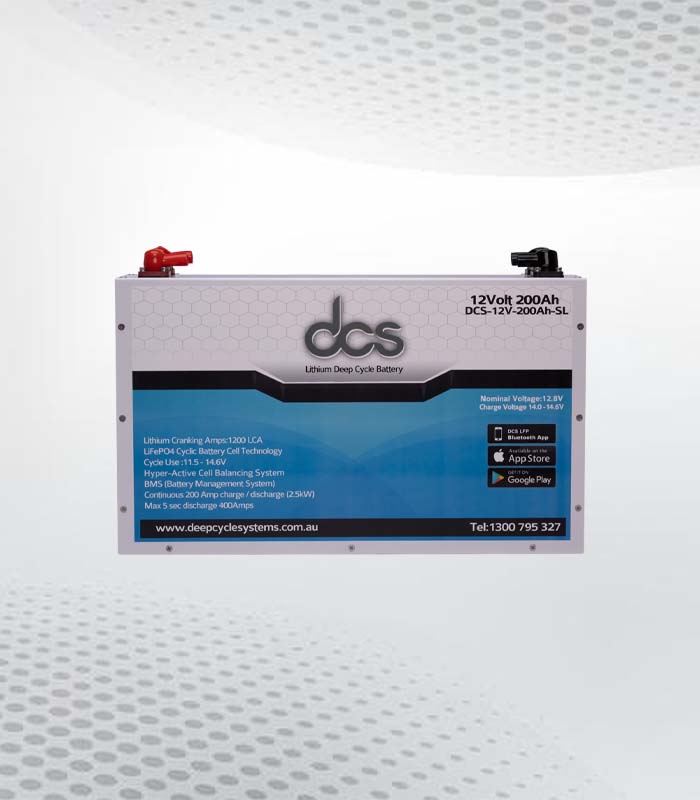
    DCS BatteryIndustrial Machinery and Equipment

    In the industrial sector, Deep Cycle Batteries are instrumental in powering a vast array of machinery and equipment. Their robust nature makes them perfectly suited for the harsh environments often encountered in manufacturing, mining, and construction. These batteries provide the reliable, long-lasting power needed for heavy-duty applications, from automated assembly lines to excavation equipment. Their capacity to handle deep discharge cycles is particularly beneficial when machinery operates for extended periods, necessitating a dependable energy source. Deep Cycle Batteries significantly enhance productivity and operational efficiency within the industrial landscape by ensuring the seamless operation of industrial machinery.

    Grid Stabilisation and Load Balancing

    In the dynamic landscape of power management, Deep Cycle Batteries play a pivotal role in grid stabilisation and load balancing. They adeptly respond to fluctuations in energy supply and demand, thus safeguarding against power surges and dips. This capability is crucial for maintaining the integrity of the electrical grid and ensuring a seamless energy supply.

    By absorbing excess energy during periods of low demand and releasing it when demand peaks, Deep Cycle Batteries contribute to a more efficient and reliable grid. Their deployment aids in preventing blackouts and enhances the overall resilience of the power network, making them indispensable in the contemporary energy sector.

    Telecommunications Infrastructure

    In the telecommunications sector, the continuity of services hinges on the unwavering reliability of Deep Cycle Batteries. These batteries are paramount for ensuring that mobile phone masts, data centres, and other critical components of telecommunications infrastructure remain operational during power cuts. By providing an uninterrupted power supply, Deep Cycle Batteries facilitate seamless communication channels, which are crucial for everyday communications and emergencies. Their robustness and longevity underpin the resilience of telecommunications networks, safeguarding connectivity and the flow of information across the globe.

    Remote Monitoring and Control Systems

    At the forefront of technological progress, Deep Cycle Batteries are crucial for powering remote monitoring and control systems across various sectors such as agriculture, oil, and gas. These systems are essential for the efficient oversight and management of operations from a distance, ensuring optimal productivity and safety. Deep Cycle Batteries provide the sustained, reliable energy source required to operate these sophisticated systems continuously, even in the most isolated environments. Their durability and longevity under challenging conditions ensure that critical data and controls are consistently maintained, strengthening operational efficiency and strategic decision-making in industries where remote oversight is vital.

    Portable Power Stations

    Portable power stations equipped with Deep Cycle Batteries transform how we access electricity when traditional power sources are unavailable. These stations offer a lifeline during outdoor adventures, such as camping and hiking, providing the energy necessary to power lighting, charge devices, and run small appliances. Their compact design, coupled with the robust energy storage capacity of Deep Cycle Batteries, ensures a reliable electricity supply, regardless of the location.

    Furthermore, these power stations become indispensable in emergencies following natural disasters or power outages, enabling critical communication and lighting. The adaptability and efficiency of Deep Cycle Batteries within portable power stations underscore their vital role in enhancing our mobility and preparedness in various settings.

    Aerospace Applications

    In the challenging and demanding aerospace field, Deep Cycle Batteries are critical for operating satellites, uncrewed aerial vehicles (UAVs), and space exploration missions. Their ability to withstand extreme temperature fluctuations and provide long-duration, reliable power makes them indispensable. These batteries ensure the continuous operation of vital onboard systems and scientific instruments during prolonged missions in the harsh space environment.

    Furthermore, they are integral to the success of satellite telecommunications, offering a stable power source that supports essential communications infrastructure back on Earth. The use of Deep Cycle Batteries in aerospace underscores their adaptability and reliability, even in the most rigorous of applications.

    Recreational Vehicles (RVs) and Marine Applications

    Deep Cycle Batteries are indispensable for enthusiasts of the great outdoors and sea voyages, offering freedom and comfort away from traditional power sources. Within motorhomes, these batteries reliably supply energy for essential utilities, including refrigeration, heating, and entertainment systems, ensuring a seamless living experience on the road. Similarly, Deep Cycle Batteries power navigational systems, communications, and onboard appliances in marine environments, contributing to safety and convenience during maritime adventures. Their durability and capacity to manage deep discharge cycles make them ideal for the extended demands of recreational and marine applications, providing a dependable power solution in the most remote locations.

    Military Uses of Lithium Ion Battery Pack

    In the military sphere, Lithium Ion Battery Pack is integral to the operation of a wide array of equipment, from portable radios and GPS systems to more sophisticated uncrewed vehicles and defence systems. These batteries offer a high energy density, enabling lightweight and compact solutions that do not compromise power or durability – critical factors in military operations.

    Additionally, their rapid recharge capabilities and resilience to frequent charge-discharge cycles meet the rigorous demands of field operations. Lithium-ion technology facilitates enhanced communication, surveillance, and tactical efficiency, underpinning the modernisation of defence strategies and equipment. The deployment of these battery packs in military applications underscores their pivotal role in supporting both the operational effectiveness and the strategic capabilities of armed forces around the globe.

    Environmental Monitoring Systems

    Deep Cycle Batteries are crucial for operating environmental monitoring systems, which are pivotal in tracking vital ecological parameters. These systems, stationed in various remote or inaccessible locations, rely on the uninterrupted power that Deep Cycle Batteries provide to continuously monitor air quality, water purity, and meteorological conditions. The resilience of these batteries ensures they can withstand harsh environmental conditions, enabling them to supply dependable power to sensors and data transmission equipment.

    This capability allows for the consistent collection and relay of important environmental data, facilitating informed decisions regarding climate change, pollution control, and natural disaster preparedness. The application of Deep Cycle Batteries in environmental monitoring underscores their value in sustaining critical observational networks that contribute to our understanding and preservation of the natural world.

    FAQ’s

    Here are five frequently asked questions about Deep Cycle Batteries that shed further light on their versatility and critical role across various sectors.

    1. What differentiates a Lithium Ion Battery Pack from regular batteries?

    Lithium Ion Battery Pack is designed for longevity and can be deeply discharged repeatedly, making them ideal for applications requiring a consistent and reliable power source over extended periods.

    2. Can Deep Cycle Batteries be used in cold environments?

    Yes, Deep Cycle Batteries can operate in a wide range of temperatures. However, their efficiency slightly decreases in extremely cold conditions, which is common among most battery technologies.

    3. How sustainable are Deep Cycle Batteries?

    Deep Cycle Batteries, particularly lithium-ion types, are more sustainable than lead-acid batteries. They have a longer lifespan and are often made with recyclable materials, reducing their environmental impact.

    4. Are Deep Cycle Batteries suitable for all types of electric vehicles?

    While Deep Cycle Batteries are extensively used in electric vehicles due to their high energy density and durability, the specific battery type best suited for an EV depends on its design and usage requirements.

    5. What maintenance do Deep Cycle Batteries require?

    Deep Cycle Batteries generally require less maintenance than traditional batteries. However, to ensure optimal performance, regular checks for clean terminals, secure connections, and appropriate charging levels are recommended.

    Conclusion

    In summary, Deep Cycle Batteries’ versatility and essential role across various industries cannot be overstated. From powering off-grid energy solutions and facilitating the shift towards renewable energy to underpinning the functionality of critical medical and telecommunications infrastructure, these batteries are pivotal in shaping a more sustainable and efficient future. Their deployment across sectors as diverse as agriculture, aerospace, and electric vehicles showcases their adaptability and critical importance in supporting modern society’s energy demands. As technology advances, the role of DCS Batteries will continue to expand, further cementing their status as a cornerstone of contemporary and future energy solutions.

    Other Good Articles to Read
    Blogs Rain
    Cme Blog Spot
    Garcias Blogs
    Yyc Blogs
    Guiade Blogs
    Blogs-Hunt
    Impact-Blog
    Smarty Blogs
    Ed Blog
    Mo Blogs
    Blogs Em
    Blogs T
    Related Business Listings
    Contact Directory
    Local Business Profiles


  • Understanding the Power: A Study of Lithium Ion Battery

    Understanding the Power: A Study of Lithium Ion Battery

    Lithium-ion batteries have become integral to the daily lives, powering the smartphones, laptops, and even electric vehicles. But what exactly makes these batteries so powerful? In this blog post, they will delve into the world of Lithium Ion Battery and explore their inner workings. From the chemistry behind their energy storage capabilities to the various factors affecting their performance, they aim to understand these rechargeable power sources comprehensively. So, if you’re curious about the technology that fuels the modern world, join us as they study lithium-ion batteries.

    The Evolution and Fundamental Principles of Lithium Ion Batteries

    The genesis of lithium-ion batteries traces back to pioneering research conducted by M.S. Whittingham in the early 1970s. Yet, the commercial breakthrough in the 1990s heralded a new era for portable electronics. Central to their function is the movement of lithium ions between the cathode and anode across an electrolyte medium. This process generates electrical energy, with the ions moving to and fro during the battery’s charging and discharging cycles.

    This fundamental mechanism underpins the high energy density, prolonged lifecycle, and relatively swift recharging capabilities that set lithium-ion batteries apart from earlier energy storage technologies. The chemistry and structure inherent in these batteries have been refined over the years, enhancing their efficiency and making them indispensable in many devices. Their operation, predicated on the lithium ions’ ability to move efficiently between the electrodes, represents a leap in battery technology, offering a blend of power, reliability, and longevity that has reshaped the landscape of portable power.

    Anatomy of a Lithium Ion-Battery: Understanding its Components

    A lithium-ion battery comprises several integral components that work in concert to store and deliver electrical energy efficiently. At the heart of the battery lies the cathode, which is responsible for determining the overall voltage and capacity of the battery. It is complemented by the anode, which facilitates the flow of electric current into the external circuit. The movement of lithium ions between these two electrodes is made possible by the electrolyte. This medium conducts ions and plays a crucial role in the battery’s performance and safety.

    The separator, a critical safety feature, ensures that the cathode and anode remain physically apart to prevent short circuits. This assembly of components forms a sophisticated electrochemical system, allowing for the high energy density and recharging capabilities that lithium-ion batteries are renowned for. Together, these elements embody the advancements in battery technology, setting the foundation for their widespread application in modern electronic devices and electric vehicles.

    The Versatile Applications of Lithium Ion Batteries across Industries

    Lithium-ion batteries have secured their position as a cornerstone of modern power solutions, extending their reach beyond consumer electronics to revolutionise multiple sectors. Their remarkable energy density and efficiency have propelled them into the forefront of the automotive industry, where they fuel the rise of electric vehicles, from family cars to commercial Lorries. In renewable energy, these batteries are pivotal in storing intermittent power generated from sources like wind and solar, thereby stabilizing the grid and facilitating a shift towards greener energy solutions.

    The healthcare sector benefits from the compact, reliable power source in critical devices such as pacemakers and portable medical equipment, ensuring patient care remains uninterrupted. Additionally, their adaptability has enabled their integration into aerospace applications, where reliability and weight are paramount. The widespread adoption across these diverse industries underscores the transformative potential of lithium-ion batteries, making them an integral component in the pursuit of innovation and sustainability.

    Advantages and Limitations of Lithium Ion-Battery Technology

    Lithium-ion batteries are distinguished by their superior energy density, which allows for longer usage periods before requiring recharging, setting them apart from other battery technologies. They also exhibit minimal memory effect, ensuring consistent performance over many charge cycles, and have low self-discharge rates, which is beneficial for maintaining charge over extended periods of inactivity. These attributes make them attractive for various applications, from mobile phones to electric vehicles.

    Despite these advantages, lithium-ion batteries are full of challenges. They tend to degrade over time, with their capacity diminishing after a certain number of charge cycles, which raises concerns about longevity and cost-effectiveness. Additionally, these batteries are vulnerable to overheating, compromising their safety and operational integrity. High temperatures can accelerate degradation and, in severe cases, trigger thermal runaway, posing significant safety risks. While advances have been made to mitigate these issues, such as developing more stable electrolyte materials and thermal management systems, these solutions often come at an increased cost, further complicating the balance between performance and affordability.

    The Environmental Impact and Sustainability of Lithium Ion Batteries

    The environmental implications of lithium-ion batteries encompass a complex interplay of factors. On the positive side, they have become pivotal in facilitating the transition to renewable energy sources and reducing reliance on fossil fuels, thus significantly mitigating climate change. However, lithium extraction and other essential minerals used in battery production pose ecological concerns. Mining operations can lead to water depletion, contamination, soil degradation, and habitat destruction. The manufacturing process is energy-intensive and contributes to carbon emissions, albeit efforts are underway to power these processes with renewable energy.

    Moreover, the end-of-life management of lithium-ion batteries presents challenges regarding recycling and disposal. Although recycling technologies are evolving, the current rates of lithium-ion battery recycling still need to be higher, leading to waste and resource inefficiency. Addressing these concerns involves:

    • Advancing recycling technologies.
    • Improving battery design for easier disassembly.
    • Developing more sustainable battery chemistries.

    The drive towards a more sustainable battery ecosystem underscores the necessity for a balanced approach that weighs the environmental costs against the benefits of lithium-ion batteries in a low-carbon future.

    Future Trends and Innovations in Lithium Ion-Battery Technology

    The trajectory of lithium-ion battery technology is marked by continuous research and development aimed at overcoming existing challenges and leveraging discoveries. Solid-state batteries are among the most anticipated advancements, which promise significantly improved safety profiles and higher energy densities by replacing liquid electrolytes with solid counterparts. Innovators are also exploring the potential of silicon anodes, which could substantially increase battery capacity compared to traditional graphite anodes. Additionally, lithium-Sulphur batteries are receiving heightened attention due to their potential for providing higher energy storage capacities at lower costs.

    Each of these innovations represents a step towards batteries that are more efficient, cost-effective, safer, and more environmentally friendly. As these technologies progress from the laboratory to commercialization, they have the potential to redefine energy storage solutions, enhancing the performance and sustainability of everything from consumer electronics to electric vehicles and renewable energy systems. The continued pursuit of these advancements underscores the dynamic nature of lithium-ion battery research, promising a future where the limitations of current technologies are surmounted, paving the way for an era of advanced energy storage solutions.

    Navigating the Lithium Battery Pack Landscape: Options and Considerations

    When exploring the diverse array of lithium battery-packs available in the market, several key factors come into play. Capacity and voltage are paramount, dictating the energy storage capabilities and the power output of the battery pack, respectively. The form factor is another crucial aspect, influencing the battery’s compatibility with various devices and applications. Charge and discharge rates determine how quickly a battery can be replenished and how swiftly it delivers energy, affecting the device’s performance and operational efficiency.

    With many options tailored to distinct needs, from portable consumer electronics to large-scale energy storage systems, the decision-making process entails a thorough evaluation of these parameters. Understanding the interplay between these considerations is essential for selecting a lithium battery pack that aligns with specific requirements, ensuring optimal performance and compatibility with the intended application. This nuanced selection process underscores the importance of technical specifications and application-based needs in guiding the choice of a lithium battery-pack.

    Lithium Ion BatteryThe Role of Lithium Ion-Battery Pack in Advancing Electric Mobility

    Lithium-ion battery packs stand at the forefront of the electric mobility movement, underpinning the operational success of electric vehicles (EVs), including cars, buses, and an emerging fleet of electric aircraft. These battery packs offer a unique combination of high energy density and lightweight characteristics, pivotal for extending the driving range and enhancing the overall efficiency of electric vehicles. As the automotive industry increasingly leans towards sustainable solutions, the role of Lithium Ion-Battery Pack becomes ever more critical.

    They not only facilitate a significant reduction in greenhouse gas emissions by displacing fossil fuel-powered vehicles but also serve as a key enabler in integrating renewable energy sources with the transportation sector. By providing a reliable and efficient means of energy storage, lithium-ion battery packs help address one of the major barriers to EV adoption – range anxiety- thereby accelerating the transition towards a more sustainable, electrically-powered mobility landscape. Their continued development and optimization promise to further lower the barriers to electric vehicle ownership, heralding a new era of clean, efficient, and sustainable transportation options.

    Maximising Lithium Ion-Battery Performance with Proper Care

    To enhance the longevity and efficiency of lithium-ion batteries, meticulous attention to their maintenance and care is paramount. Such batteries thrive when shielded from extreme temperature variations. Exposure to high temperatures can precipitate premature degradation, whereas excessively cold environments may impair their ability to hold charge. It is advisable to avoid allowing the battery to deplete entirely before recharging. Engaging in partial discharge cycles, where the battery is recharged before it is fully drained, contributes to an extended service life.

    Furthermore, in scenarios where lithium-ion batteries are not in regular use, maintaining them at a partial charge, ideally around 50%, can prevent the harmful effects of long-term storage at full charge or discharge. These measures collectively uphold the battery’s capacity and ensure its operational readiness, safeguarding the investment in devices powered by lithium-ion batteries. Adhering to these guidelines assists in sustaining the battery’s robust performance, reinforcing its role as a reliable power source in various applications.

    Safety Measures to Consider When Handling Lithium Ion Batteries

    When engaging with lithium-ion batteries, it is imperative to observe specific safety protocols to mitigate potential hazards. These batteries, whilst invaluable for their energy storage capabilities, entail risks if handled or properly maintained. The following measures are advised to ensure safe usage: – Store batteries away from flammable materials:

    Lithium-ion batteries should be stored in non-conductive, fire-resistant containers and kept distant from items that can ignite easily.

    – Avoid exposure to extreme temperatures:

    Batteries are susceptible to damage when subjected to very high or low temperatures. Storage and usage should ideally occur within manufacturer-recommended temperature ranges to prevent compromise of battery integrity.

    – Utilise designated chargers:

    Charging should be performed using the charger provided by the manufacturer or one specifically designed for the battery. Incorrect voltage or current can lead to overheating and potential failure.

    – Inspect for damage regularly:

    Before use, batteries should be checked for any signs of damage, such as swelling, leakage, or visible wear. Damaged batteries pose a significant risk and should be properly recycled or disposed of.

    – Keep batteries dry:

    Contact with water can cause a lithium-ion battery to short-circuit, leading to overheating and potentially a fire. Thus, it is critical to ensure batteries remain dry at all times.

    – Do not dismantle:

    Attempting to disassemble a lithium-ion battery can expose individuals to hazardous materials and the risk of fire. Qualified professionals should conduct any repairs or servicing.

    – Follow the manufacturer’s guidelines:

    Adhering to the instructions and recommendations provided by the battery’s manufacturer can prevent misuse and extend the battery’s lifespan.

    FAQS

    1. What distinguishes Lithium Ion Battery from other types?

    Lithium Ion Battery offer superior energy density and longer lifecycles than their counterparts, facilitating prolonged use and rapid recharging capabilities.

    2. Can lithium-ion batteries be recycled?

    Indeed, these batteries are subject to recycling processes. Though current recycling rates are modest, technological advancements are poised to enhance efficiency and sustainability in this domain.

    3. Are there risks associated with using lithium-ion batteries?

    Lithium-ion batteries are generally safe but can pose safety risks if exposed to extreme temperatures, damaged, or improperly charged. Adherence to safety guidelines mitigates such hazards.

    4. How can one optimise the lifespan of a lithium-ion battery?

    Optimal maintenance involves avoiding full discharge cycles, preventing exposure to extreme temperatures, and keeping the battery at a partial charge when not used frequently.

    5. What future developments are anticipated in lithium-ion battery technology?

    Research is underway to introduce solid-state batteries, utilise silicon anodes, and develop lithium-Sulphur batteries, aiming at higher energy densities, enhanced safety, and reduced environmental impact.

    Conclusion

    In summary, Lithium Ion Battery represent a pivotal development in energy storage, blending high energy density with durability and versatility across various applications. Their evolution from early research to widespread commercial use underscores their significance in powering modern technology, from mobile devices to electric vehicles and renewable energy systems. Whilst they offer substantial benefits in terms of efficiency and performance, challenges related to longevity, safety, and environmental impact persist.

    Other Good Articles to Read
    Blogs-Nation
    Blogs-Peoples
    Bryan Smith Blogs
    Intellect Blogs
    The Fault In Our Blogs
    Blogs Eu
    Oz Forums
    Recruitment Blogs
    Zet Blogs
    Id Blogs
    Blogs Tudiolegale
    Blogs Map
    Related Business Listings
    Contact Directory
    Local Business Profiles
  • Power Up: Unpacking the Future of Lithium Ion Battery

    Power Up: Unpacking the Future of Lithium Ion Battery

    The imminent transformation of energy storage pivots around developing compact, high-efficiency Lithium Ion Battery that boast powerful energy output. Such batteries promise to cause major upheavals in diverse sectors, such as consumer electronics and electric vehicles, acting as change agents. This post explores the promising and captivating advancements in this technological domain.

    Understanding Lithium-Ion Battery Technology

    Dive into the world of lithium-ion batteries, a powerhouse in energy storage. These little wonders operate on a simple yet effective principle: lithium ions travel from the negative to the positive electrode during discharge. When charging, the ions make the reverse journey. What sets lithium-ion batteries apart? 

    They pack a punch! They’re lighter, more energy-dense, and boast a longer lifespan than their battery counterparts. This gives them a competitive edge, making them the top pick for consumer electronics and electric vehicles. 

    So, whether you’re scrolling through social media on your smartphone, driving your electric car, or using a cordless power tool, it’s likely a lithium-ion battery providing the juice!

    Latest Advancements in Lithium-Ion Batteries

    The lithium-ion battery landscape is buzzing with innovation and progress. The primary goal is to enhance energy density, accelerate charging speed, and extend the lifespan of the batteries. Researchers are experimenting with new anode and cathode materials to achieve this to maximize performance and boost safety measures. 

    Solid-state lithium-ion batteries have become the latest talk of the town. These futuristic power units replace the traditional liquid electrolyte with a solid one, potentially raising the bar for performance and safety. 

    This next-generation technology is fast-evolving and promises to intensify the game in the world of energy storage. The possibilities are vast and fascinating as we race towards a future powered by more efficient and reliable lithium-ion batteries.

    Unpacking the Lithium Ion Battery Pack

    Think of a Lithium Ion Battery Pack as a tightly-knit team working to power up your devices. It’s an ensemble of individual battery cells, each performing its solo. In each of these cells, you’ll find an anode and cathode, the holders of lithium, and the electrolyte, the freeway for lithium ions’ movement between the anode and cathode. But here’s the real maestro: the battery management system. 

    The genius behind the scenes controls the symphony of charging and discharging, ensuring every note hits just right for optimal performance and safety. This intricate system is a testament to the advancements in battery technology, each part diligently performing its role, keeping your devices energized and ready for action.

    Enhancements in Lithium-Ion Battery Packs

    Lithium-ion battery packs aren’t just sitting. Still, they’re charging full speed ahead with exciting improvements. Picture advanced cooling systems keeping temperatures at bay, ensuring optimal performance and longevity of your battery. 

    Then there are the refined battery management systems, the silent conductors of this energy orchestra, ensuring every bit of power is utilized to the fullest. Add a dash of modular designs, enabling swift and easy replacement of individual cells. It’s like giving your battery a rejuvenating spa treatment! 

    Lithium Ion BatteryThese cutting-edge enhancements are making notable strides, particularly in sectors like electric vehicles, where the stakes for performance and safety are sky-high. So, the next time you marvel at your electric car’s smooth ride or your drone’s impressive flight time, remember that it’s the powerhouse lithium-ion battery pack working tirelessly under the hood!

    Impacts of Lithium-Ion Battery Advancements on Industries

    The ripple effect of lithium-ion battery advancements is touching and transforming numerous sectors. In the automotive realm, we’re witnessing an impressive acceleration in the production of electric vehicles thanks to improved battery efficiency and performance. 

    Imagine cruising down the freeway in a car powered solely by a lithium-ion battery – it’s happening right now! As for consumer electronics, prepare to say goodbye to the constant need for a charger. Enhanced battery life and rapid charging are setting new standards for user experience. But it doesn’t stop there. 

    The renewable energy sector is riding this wave, too. Efficient energy storage opens the doors to more viable use of cleaner, sustainable energy sources. Lithium-ion battery advancements are undoubtedly charging various industries, paving the way for a brighter, more sustainable future.

    The Future of Lithium-Ion Batteries

    As we zoom into the future of lithium-ion batteries, a thrilling narrative of innovation and progress unfolds. Picture this: solid-state technology taking center stage, replacing liquid electrolytes with solid ones and setting a new benchmark for performance and safety. 

    Now, visualize lithium-sulfur batteries, emerging as a powerful contender with their promise of higher energy storage and enhanced efficiency. But wait, there’s more! The tech wizards are also working on next-gen battery management systems, a game-changer expected to drive battery performance to its optimum. 

    These remarkable advancements have the potential to bring forth applications we have yet to even think of. Electric aero planes that take us across continents or smart grids that manage our cities’ power distribution. The journey into the future of lithium-ion batteries is nothing short of electrifying.

    Powering Beyond Expectations

    Have you ever imagined a world where smartphones last days on a single charge, electric vehicles cover thousands of miles before needing a top-up, or drones stay aloft for hours? Well, thanks to lithium-ion batteries, these are not mere fantasies anymore. They’re transforming our lives by making these technological wonders a reality. 

    Lithium-ion batteries are silently working their magic at the heart of our modern tech-driven world, empowering us to achieve more than we could ever imagine. It’s not just about powering our devices; it’s about fueling our ambitions, driving innovation, and propelling us into a future of limitless possibilities. As the boundaries of technology continue to expand, lithium-ion batteries are not just meeting expectations; they’re going a step further, powering beyond expectations. 

    It’s this beyond-the-norm performance that is making what seemed impossible yesterday possible today. And remember, this is only the beginning. A whole universe of possibilities is yet to be explored, and lithium-ion batteries are ready for the journey.

    Maximizing Battery Life Expectancy

    A little TLC goes a long way to get the most out of your lithium-ion battery! First, avoid overcharging – it’s like overeating, and we all know how that ends! Keeping your battery moderately juiced up, not too full or empty, is the ideal way to go. Secondly, shield your battery from extreme temperatures. Like you, your battery prefers a comfortable climate – not too hot or cold. 

    Lastly, steer clear of completely discharging your battery. It’s a little like running a marathon without training – harsh and unnecessary. Today’s advanced battery management systems are like a personal trainer for your battery, assisting you in these maintenance practices. They’re the unseen superheroes working behind the scenes, helping extend your battery’s life while keeping its performance in tip-top shape. 

    By taking these simple steps, you’re not just maximizing your battery’s life expectancy but also ensuring your devices stay powered up for all those important moments!

    Going Green with Lithium-Ion Batteries

    Embrace the eco-friendly side of lithium-ion batteries as they charge towards a greener future. These versatile powerhouses are a vital catalyst in widely adopting renewable energy solutions such as solar and wind power. Their impressive energy storage capabilities ensure that power generated from these sources doesn’t go to waste, offering a reliable backup when the sun doesn’t shine or the wind doesn’t blow.

    But that’s not all! Lithium-ion batteries also fuel the shift from gas-guzzling vehicles to eco-friendly electric ones, paving the way for cleaner and quieter cities. However, this green journey comes with its challenges. The production process for these batteries has a carbon footprint that we must strive to minimize. 

    And then there’s the matter of battery recycling – a yet untapped potential that could dramatically reduce the environmental impact of these batteries. The road to a sustainable future is long, but with the helping hand of lithium-ion batteries, we are making steady progress towards a brighter, greener tomorrow.

    Pushing the Limits of Lithium-Ion Batteries

    The dynamic world of lithium-ion batteries continues to dazzle us, not just by meeting expectations but by daring to surpass them. We’re exploring uncharted innovation territories, aiming for faster charging times, extended battery life, and the power to fuel devices yet unborn. One truth resonates as we stand on the cusp of this electrifying future: lithium-ion batteries are destined to illuminate our lives in novel and surprising ways. 

    So, hold on tight as we step into a realm where batteries don’t just serve; they inspire, they ignite possibilities, and they promise a future where power is limitless.

    FAQs

    Q: What’s unique about lithium-ion batteries? 

    A: Lithium-ion batteries are lightweight, high-energy-density powerhouses. They outshine traditional batteries’ longevity and performance, making them the go-to for consumer electronics and electric vehicles. 

    Q: Why are solid-state lithium-ion batteries the talk of the town? 

    A: Solid-state batteries replace the liquid electrolyte in traditional lithium-ion batteries with a solid one. This advancement promises a leap in performance and safety, placing them at the forefront of future energy storage solutions. 

    Q: How do lithium-ion batteries contribute to a greener future? 

    A: They’re driving the adoption of renewable energy solutions and electric vehicles. However, challenges include minimizing their production’s carbon footprint and developing effective recycling strategies. 

    Q: How can I maximize my lithium-ion battery life? 

    A: Avoid overcharging and extreme temperatures, and never let your battery fully discharge. Modern battery management systems can help monitor these factors to prolong your battery’s life. 

    Q: What does the future hold for lithium-ion batteries? 

    A: From solid-state technology to lithium-sulfur batteries, the future is exciting! Enhanced battery management systems and various innovative applications are on the horizon. So, stay tuned!

    Conclusion

    Lithium-ion batteries have risen as a pivotal powerhouse in the grand scheme of technology and innovation. From enhancing the capabilities of everyday devices to catalyzing the evolution of electric vehicles and renewable energy, they are charging ahead, bridging the gap between our present and an electrifying future. The ongoing advancements, be it solid-state technology or improved battery management systems, are broadening horizons, sparking potential for applications we can’t envision yet. While challenges exist, like the carbon footprint of production and the need for effective recycling, the overall trajectory is unmistakably positive. We are poised on the precipice of a future where energy storage is efficient and more sustainable, and lithium-ion batteries are undoubtedly leading the charge. As we navigate this exciting journey, one thing is clear: the story of lithium-ion batteries is just getting started, and what lies ahead promises nothing short of groundbreaking. So, stay plugged in, for the future of lithium-ion batteries is a tale you would want to take advantage of.

    Other Good Articles to Read
    niche blogs connect
    blogs 97
    Blog Stitution
    blogs unplugged
    blogs cotch rouge
    blog signatr
    blog sintonias
    blog zilla
    consumer forums
    finance forums
    g blogs
    too blog
  • Power Your Life: Benefits of Using a Lithium Ion Battery Pack

    Power Your Life: Benefits of Using a Lithium Ion Battery Pack

    Today, technology is a necessity in our lives. We rely on power to run our devices, and using a lithium ion battery pack is one of the best ways to ensure a steady, reliable power source. Lithium battery packs are becoming increasingly popular due to their durability and longevity, making them ideal for powering a variety of electronic devices. In this blog post, we’ll explore the benefits of using a lithium battery pack and how it can help you power your life.

    Lightweight and Portable

    Lithium battery packs are not only a reliable power source, but they are also incredibly lightweight and portable. Gone are the days of lugging around heavy batteries or being limited by cords and outlets. With a lithium battery pack, you can power your devices on the go without any hassle.

    These battery packs are designed to be compact and lightweight, making them perfect for travelers, hikers, and anyone constantly on the move. Whether you’re working remotely, attending a conference, or simply enjoying the great outdoors, having a lightweight and portable power source is a game-changer.

    Imagine being able to charge your smartphone, tablet, or laptop without being tethered to a wall outlet. With a lithium battery pack, you can have the freedom to work, play, or communicate wherever you go. No more worrying about running out of battery or finding an available power source. Just grab your battery pack, slip it in your bag, and you’re good to go.

    In addition, these battery packs are designed to be durable, so they can withstand the bumps and jostles of travel without sacrificing performance. They are also built with safety features to protect against overcharging, overheating, and short circuits.

    High Energy Density

    Lithium battery packs have an impressive feature that sets them apart from other types of batteries – high energy density. This means that they can store a large amount of power in a compact size. So, what does this mean for you?

    Well, it means that you can have a long-lasting power source that can keep your devices running for extended periods. Whether you’re on a long road trip, attending a full day of meetings, or just don’t have access to a power outlet, a lithium battery pack with high energy density can be a lifesaver.

    With a high energy density, you won’t have to worry about constantly recharging your devices or running out of battery at the most inconvenient times. Instead, you can enjoy uninterrupted use of your smartphones, tablets, laptops, and other electronic devices for longer periods.

    The high energy density of lithium battery packs also allows for smaller, lighter designs. This means that you can carry around a compact battery pack without sacrificing power or adding unnecessary weight to your bag.

    Long Life Span

    One of the key advantages of using a lithium battery pack is its long life span. These battery packs are designed to last significantly longer than traditional batteries, making them a reliable and cost-effective choice for powering your devices.

    Lithium battery packs have a longer life span because they can be recharged multiple times without losing their capacity. Unlike disposable batteries that can only be used once, lithium battery packs can be charged and discharged hundreds of times before they start to show signs of deterioration. This means that you won’t have to constantly replace your battery pack, saving you both money and time in the long run.

    With a long life span, you can rely on your lithium battery pack to provide power to your devices for an extended period. Whether you’re on a long trip, working on a project, or simply using your devices throughout the day, you won’t have to worry about your battery running out. You can enjoy uninterrupted use of your smartphones, tablets, laptops, and other electronic devices without the stress of constantly recharging or replacing your battery pack.

    Fast Charging Time

    When it comes to charging your devices, time is of the essence. That’s where the fast charging time of lithium battery packs comes into play. These battery packs are designed to charge your devices quickly and efficiently, so you can get back to using them without any delays.

    Gone are the days of waiting for hours for your devices to charge. With a lithium battery pack, you can power up your smartphone, tablet, or laptop in a fraction of the time it would take with other batteries. This is especially useful when you’re in a rush or need to use your devices urgently.

    Not only do lithium battery packs charge your devices quickly, but they also maintain a stable charging speed throughout the process. This means that you won’t experience any sudden drops in charging speed or fluctuations that can slow down the charging process. You can count on a consistent and efficient charging experience every time.

    Lithium Ion Battery Has Low Self-Discharge Rate

    Lithium ion battery offers another incredible benefit that sets them apart from other types of batteries – a low self-discharge rate. So, what exactly does this mean for you? It means that even when you’re not using your battery pack, it will retain its charge for longer periods of time.

    With a low self-discharge rate, you won’t have to worry about your battery pack losing power when you need it the most. Whether you use your battery pack frequently or only occasionally, you can trust that it will be ready to go whenever you need it.

    This is particularly beneficial for those who rely on their battery packs for emergencies or during unexpected power outages. You can rest assured knowing that your battery pack will be fully charged and ready to provide you with the power you need in those critical moments.

    Lithium Ion Battery Pack

    Environmentally Friendly

    When it comes to choosing a power source, it’s important to consider the environmental impact. That’s where lithium battery packs truly shine. These battery packs are not only reliable and efficient, but they are also incredibly environmentally friendly.

    Unlike traditional batteries that contain toxic materials like lead or mercury, lithium battery packs are free from these harmful substances. This means that when you dispose of your battery pack, you can do so with the peace of mind knowing that you are not contributing to pollution or harming the environment.

    Additionally, the longevity of lithium battery packs also contributes to their eco-friendly nature. Because they can be recharged multiple times without losing their capacity, they greatly reduce the need for disposable batteries that end up in landfills.

    By choosing to power your devices with a lithium ion battery pack, you are making a conscious choice to reduce waste and minimize your carbon footprint. It’s a small change that can make a big impact on the health of our planet.

    Versatility and Compatibility with Devices

    When it comes to powering our electronic devices, compatibility is key. Fortunately, lithium battery packs excel in this area. These versatile power sources are compatible with a wide range of electronic devices, making them the perfect choice for anyone looking for a single power solution.

    From smartphones and laptops to tablets and electric vehicles, lithium battery packs can power them all. This versatility is thanks to their high energy density, which allows them to store a significant amount of power in a compact size. Whether you’re a student, a professional, or an outdoor enthusiast, a lithium battery pack can meet all your power needs.

    Furthermore, these battery packs are compatible with various charging methods, including USB ports, wall outlets, and even solar panels. This means you can easily recharge your battery pack no matter where you are or what charging options are available.

    Conclusion

    In a world that relies heavily on technology, having a reliable and efficient power source is essential. That’s where lithium battery packs come in. These compact and versatile power sources offer numerous benefits that make them an ideal choice for powering your devices.

    FAQ’S

    Can I use a lithium ion battery pack to charge multiple devices at once?

    Yes, most lithium battery packs come with multiple USB ports, allowing you to charge multiple devices simultaneously. However, keep in mind that charging multiple devices at once may decrease the overall charging speed.

    How long does it take to charge a lithium battery pack?

    The charging time for a lithium battery pack can vary depending on its capacity and the charging method used. Generally, it takes anywhere from a few hours to overnight to fully charge a battery pack. However, many battery packs also support fast charging, which can significantly reduce the charging time.

    Are lithium battery packs safe to use?

    Yes, lithium battery packs are safe to use as long as they are used and stored properly. It is important to follow the manufacturer’s instructions and avoid exposing the battery pack to extreme temperatures or physical damage. Additionally, always use the original charging cable and adapter that come with the battery pack to ensure safe and efficient charging.

    Can I bring a lithium battery pack on an airplane?

    Yes, you can bring a lithium ion battery pack on an airplane, but there are some restrictions. Battery packs with a capacity of 100Wh or less can generally be brought in your carry-on luggage or checked baggage. However, battery packs with a capacity greater than 100Wh may require approval from the airline and must be packed in your carry-on luggage.

    Other Good Articles to Read
    Gabrielle Blogs
    Jason Toff Blogs
    Thumb Blogs
    Blog Shifter
    Social Bookmarking Blogs
    Free Blogs Template
    Blog Solidaire
    Michael Coyne Blog
    Born Free Blog
    Oz Blog Hosting
    Indepth News
    Local Business Profiles in Australia
    Business Directory Australia
    Business Listings Europe
    Business Directory Europe
  • Take Care of Your Lithium Ion Battery Pack for Better Performance

    Take Care of Your Lithium Ion Battery Pack for Better Performance

    To ensure your lithium-ion battery pack remains healthy and lasts as long as possible, you must know how to take care of it properly. Fortunately, you can take a few simple steps to extend your battery’s lifespan and keep it running at peak performance. In this blog post, we’ll cover essential tips to maintain your lithium ion battery pack for better performance. From charging habits to storage temperatures, these tips will help you get the most out of your lithium-ion battery pack. Let’s dive in and learn how to keep your battery running strong!

    Understanding Lithium-Ion Battery Packs

    Lithium-ion battery packs are portable and rechargeable power sources widely used in various electronic devices, from smartphones and laptops to electric vehicles. They offer several advantages over traditional batteries, including higher energy density, longer lifespan, and reduced weight.

    The main components of a lithium-ion battery pack include one or more lithium-ion cells, a protection circuit, and a housing. The protection circuit ensures safe charging and discharging, preventing overcharging or overheating. As with any battery, proper handling and storage are crucial for safety and maximizing the battery pack’s performance and longevity.

    Don’t Let Your Battery Pack Get Too Hot or Cold

    Absolutely! Temperature plays a significant role in the performance and safety of lithium-ion battery packs. Extreme temperatures can adversely affect the battery’s capacity, lifespan, and security. Here’s why you should avoid exposing your battery pack to extreme heat or cold:

    • High Temperatures: Excessive heat can cause the battery to degrade faster and reduce its capacity over time. In extreme cases, it may also lead to a higher risk of overheating, swelling, or even combustion.
    • Low Temperatures: Cold temperatures can temporarily reduce the battery’s ability to deliver power, resulting in lower performance. Prolonged exposure to cold environments can also lead to permanent capacity loss.

    Tips to Maintain Battery Pack Temperature:

    • Avoid leaving battery packs in direct sunlight or inside hot vehicles during the summer.
    • Keep the battery pack insulated or close to your body in cold weather to maintain a moderate temperature.
    • Charge and use the battery pack in environments with temperatures the manufacturer recommends.
    • If the battery pack becomes too hot during charging or use, allow it to cool down before continuing.

    By taking proper care to avoid extreme temperatures, you can extend the lifespan and ensure the safe operation of your lithium-ion battery pack, maximizing its efficiency for all your power needs.

    Use Your Battery Pack Regularly

    Regularly using your battery pack is essential for maintaining its optimal performance. Lithium-ion battery packs benefit from regular charge and discharge cycles, preventing them from remaining idle for extended periods.

    By using the battery pack consistently, you help keep the cells active and balanced, which can extend their lifespan. Additionally, periodic use ensures the battery remains ready when needed most, providing reliable power to your electronic devices whenever you’re on the go.

    Keep Your Battery Pack Clean

    Keeping your battery pack clean is crucial for its longevity and safety. Dust, dirt, and debris can accumulate on the battery’s surface and connectors, hindering proper function and potentially causing overheating. Here are some tips for maintaining a clean battery pack:

    • Regular Cleaning: Wipe the battery pack with a soft, dry cloth to remove surface dirt and Dust.
    • Avoid Liquids: Keep the battery pack away from liquids to prevent damage to the internal components.
    • Disconnect When Not in Use: If the battery pack is not in use, disconnect it from devices and store it in a clean, dry place.
    • Check Connectors: Inspect the connectors for any signs of corrosion or foreign material and clean them gently if needed.

    By keeping your battery pack clean and well-maintained, you ensure its optimal performance and extend its lifespan, allowing you to power up your devices reliably whenever needed.

    Avoid Overcharging or Discharging Your Battery Pack

    Avoiding overcharging or discharging your battery pack is crucial for its safety and longevity. Overcharging can lead to overheating and reduce the battery’s lifespan, while fully removing it can strain the cells and affect their capacity. Follow these tips to prevent these issues:

    • Use Original Chargers: Stick to the manufacturer’s recommended chargers to avoid overcharging.
    • Unplug When Fully Charged: Disconnect the battery pack from the charger once fully charged.
    • Avoid Deep Discharges: Recharge your battery pack before it reaches critically low levels.

    By practising proper charging habits, you can maximize the lifespan and performance of your battery pack.lithium ion battery pack

    Choose the Right Charger for Your Lithium Ion Battery

    Selecting the right charger for your lithium-ion battery is crucial to ensure safe and efficient charging. Here are some key considerations:

    • Compatibility: Ensure the charger is compatible with your device’s specific lithium ion battery type and voltage.
    • Output Current: Check that the charger’s output current matches the battery’s requirements. Using a charger with too high or too low a current can damage the battery.
    • Charging Speed: Depending on your needs, choose a charger that offers the desired charging speed, such as standard, fast, or quick charging options.
    • Safety Features: Look for chargers with built-in safety features like overcharge protection and temperature monitoring to prevent overheating or overcharging.
    • Certification: Opt for chargers that are certified by recognized organizations.

    Store Your Battery Pack Properly

    Properly storing your battery pack is essential for maintaining its performance and safety when not in use. Here are some guidelines for safe storage:

    • Cool and Dry Environment: Store the battery pack in a cool, dry place, away from direct sunlight and sources of heat or moisture.
    • Partial Charge: If storing for an extended period, partially charge the battery pack to around 40-60% of its capacity.
    • Disconnect: If the battery pack is unused, disconnect it from devices to avoid parasitic drain.
    • Check Regularly: Periodically inspect the battery pack for signs of damage, leaks, or corrosion, and replace it if necessary.

    By adhering to these storage practices, you can prolong the lifespan of your battery pack and ensure it remains in good condition for reliable use when needed.

    Be Mindful Of How You Transport Your Battery Pack

    Being mindful of how you transport your battery pack is crucial for safety and performance. Follow these tips to ensure a smooth and secure journey:

    • Use a Protective Case: Invest in a durable, padded case specifically designed for battery packs to prevent damage during transportation.
    • Carry-On When Possible: If flying, keep your battery pack in your carry-on luggage instead of checked baggage to avoid extreme temperature fluctuations.
    • Avoid Compression: Avoid placing heavy objects on top of the battery pack, as it can lead to damage to the cells inside.
    • Keep It Stable: Ensure the battery pack remains stable during transit to prevent accidental falls or impacts.

    By being cautious and taking necessary precautions, you can protect your battery pack and ensure it continues to serve as a reliable power source for your electronic devices during your travels.

    Keep an Eye on Your Battery Pack’s Performance

    Monitoring your battery pack’s performance is essential to identify potential issues and ensure reliability. Here’s how to keep an eye on its performance:

    • Capacity Check: Periodically test the battery pack’s capacity to provide it still holds a charge at its specified level.
    • Charging Time: Monitor how long it takes to charge fully, as a significant increase in charging time may indicate battery degradation.
    • Temperature: Be attentive to any abnormal heat generated during charging or use, as excessive heat can signal battery problems.
    • Charging Cycles: Keep track of the number of charge and discharge cycles, as lithium-ion batteries have a limited lifespan in terms of processes.

    When to Replace Your Battery Pack

    As with all lithium-ion battery packs, you should replace them when it’s no longer holding a charge or getting hot. If the battery pack is swelling or leaking, that’s another sign that it’s time for a replacement.

    If your device doesn’t charge properly or charge at all, this could indicate an issue with the charger or the cable. If so, try using another charger (if available) and see if that fixes things.

    FAQ’s

    How do I replace the battery pack?

    If your battery pack is replaceable, consult the device’s manual for instructions or seek professional assistance from the manufacturer or authorized service centre.

    What should I do if my battery pack is not charging properly?

    Check the charger, cable, and device connections for any damage or debris. Try using a different charger or outlet. If issues persist, contact the manufacturer for support.

    How often should I charge my lithium ion battery pack?

    Charging your lithium ion battery pack when it reaches around 20-30% remaining capacity and avoiding full discharges whenever possible is recommended.

    What should I do if my battery gets wet?

    Immediately power off the device, remove the battery if possible, and dry it thoroughly with a soft cloth. Avoid using the battery until completely dry and ensure no moisture remains.

    Conclusion

    In conclusion, taking care of your lithium-ion battery pack is essential for optimal performance and safety. Following proper charging habits, avoiding extreme temperatures, regular usage, and storing it correctly can extend its lifespan and ensure reliable power for your devices. Remember to monitor its performance and seek professional help if needed. With mindful care, your battery pack will continue to power up your life efficiently for a long time.

    Other Good Articles to Read
    Gabrielle Blogs
    Jason Toff Blogs
    Thumb Blogs
    Blog Shifter
    Social Bookmarking Blogs
    Free Blogs Template
    Blog Solidaire
    Michael Coyne Blog
    Born Free Blog
    Oz Blog Hosting
    Indepth News
    Business Listings in Australia


  • The Power Unleashed by lithium battery: An Analysis

    The Power Unleashed by lithium battery: An Analysis

    Today, lithium batteries are revolutionizing the way we power the everyday lives. From providing energy storage for the electric vehicles to powering the portable electronics, these cutting-edge batteries are quickly becoming an indispensable part of the lives. In that blog post, they will be exploring the revolutionary potential of lithium batteries and discussing how they are transforming the way they use energy. They will be looking at the current state of lithium battery technology, examining some of the potential applications of these devices, and analyzing the implications of their use. By the end of that article, you’ll have a better understanding of how these powerful batteries are helping to shape the future.

    The importance of lithium batteries

    Lithium batteries have taken the world by storm. They are now the go-to energy storage solution for a wide range of applications, from portable devices to electric vehicles and grid-scale energy storage. That is largely due to their exceptional properties, including their high energy density, long lifespan, and fast charge/discharge rate. In the past, traditional lead-acid batteries were used in a variety of applications. However, lead-acid batteries are heavy, have a relatively short lifespan, and require regular maintenance. In contrast, lithium batteries are much lighter and require no maintenance, making them an ideal choice for portable devices.

    How lithium batteries work

    Lithium batteries, like most other types of batteries, rely on a chemical reaction to store and release energy. However, the specific chemistry behind lithium batteries is what sets them apart from other types of batteries. Lithium batteries are made up of three main components: a cathode, an anode, and an electrolyte. The cathode is typically made from lithium cobalt oxide, while the anode is made from graphite. The electrolyte, which separates the cathode and anode, is made from a lithium salt dissolved in an organic solvent. When the battery is charged, lithium ions are removed from the cathode and travel through the electrolyte to the anode.

    Advantages of lithium battery pack

    Lithium battery pack offers numerous advantages that make them a popular choice for various applications. Here are some of the key benefits of using lithium batteries pack:

    1. High Energy Density: Lithium batteries pack has a higher energy density than other types of batteries. That means that they can store more energy in a smaller size and weight. For example, a lithium batteries pack can provide up to 3 times more energy than a lead-acid battery of the same weight.
    2. Long Life Cycle: Lithium batteries pack has a long life cycle compared to other battery types. They can withstand thousands of charge and discharge cycles, which makes them a more reliable and cost-effective option over the long term.
    3. Fast Charging: Lithium batteries pack can be charged faster than other battery types. They can also handle a higher charging current, which means that they can be fully charged in a shorter amount of time.
    4. Low Maintenance: Lithium batteries pack require little to no maintenance compared to other battery types. They do not require regular water top-ups, as is the case with lead-acid batteries, and they do not suffer from memory effect like nickel-cadmium batteries.

    lithium batteryApplications of lithium ion battery pack

    The widespread adoption of lithium ion battery pack has enabled the development of many exciting and innovative applications. Lithium batteries have found their way into a broad range of devices, from smartphones to electric vehicles, and even large-scale energy storage systems. One of the most prominent applications of lithium ion batteries is in portable electronics. Due to their high energy density, small size, and light weight, lithium batteries have become the battery of choice for smartphones, tablets, and laptops. These batteries have enabled these devices to become increasingly powerful and energy-efficient, with longer battery life and faster charging times.

    Provide high energy density

    In recent years, lithium batteries have also made significant strides in the automotive industry. Electric vehicles are becoming increasingly popular, and lithium ion batteries are the technology of choice for powering these cars. These batteries provide high energy density, enabling electric cars to travel longer distances on a single charge. Moreover, the use of lithium batteries also reduces greenhouse gas emissions from transportation. Beyond portable electronics and electric vehicles, lithium batteries are also being used in other applications, including renewable energy storage. As renewable energy sources like solar and wind become increasingly popular, energy storage solutions are becoming increasingly critical to balance the energy supply and demand.

    Current and future trends in lithium ion battery

    Lithium-ion batteries are currently dominating the portable electronics market and are rapidly expanding their reach in electric vehicles. As a result, research and development in the field of lithium ion battery is continuously progressing to make them safer, more efficient, and cost-effective.  One of the significant advancements in lithium-ion batteries is the introduction of solid-state batteries. These batteries use a solid electrolyte instead of a liquid one, which eliminates the risk of leakage, increases energy density, and allows faster charging. Several companies are actively researching and developing solid-state batteries, with Toyota and BMW already making significant investments in that technology.

    Of silicon-based anodes

    Another trend in lithium-ion batteries is the introduction of silicon-based anodes. Silicon can store ten times more lithium ions than graphite, the traditional anode material in lithium-ion batteries, thereby increasing the energy density. However, silicon’s expansion during charging and discharging can cause the electrode to break, leading to reduced performance. Researchers are working to address that issue to make silicon-based anodes viable in commercial applications. Moreover, recycling lithium-ion batteries is also becoming increasingly important as their use becomes more widespread. Recycling not only conserves resources but also helps prevent hazardous waste.

    Challenges and risks associated with lithium solar battery

    While the benefits of lithium solar battery is immense, they do come with their own set of challenges and risks that need to be addressed. One of the major concerns associated with lithium batteries is the risk of thermal runaway, which can occur due to a buildup of heat or the failure of one or more cells within the battery pack. That can result in a fire or explosion, posing a significant safety hazard. Another issue that needs to be considered is the environmental impact of lithium batteries. The mining and extraction of lithium can result in significant damage to the environment and cause harm to wildlife and habitats.

    Loss of capacity over time

    In addition to these challenges, there are also concerns regarding the overall reliability and durability of lithium batteries. While they are known for their high energy density and long lifespan, they are also susceptible to degradation and loss of capacity over time. Despite these challenges, the industry is actively working towards developing solutions to mitigate these risks and ensure the safe and sustainable use of lithium batteries. With ongoing research and development, it is expected that these challenges will be overcome, paving the way for even greater advancements in energy storage technology. Overall, while there are challenges and risks associated with lithium batteries, the benefits they offer far outweigh the drawbacks.

    Solar lithium battery has high energy density

    One of the key advantages of lithium batteries, especially lithium solar batteries, is their high energy density. Energy density refers to the amount of energy that can be stored in a given volume or weight of the battery. Solar lithium battery has a higher energy density than other types of batteries, which means they can store more energy in a smaller and lighter package. That high energy density of lithium solar batteries has made them a popular choice for renewable energy storage applications. Solar panels generate energy during the day, but it is not always possible to use all of that energy immediately. By storing excess energy in a lithium solar -battery, homeowners and businesses can access that energy later, when the sun is not shining, or during times of peak demand.

    Ideal for use in portable electronic devices

    The high energy density of lithium solar batteries also makes them ideal for use in portable electronic devices such as smartphones, laptops, and tablets. These devices require a lightweight and compact battery that can provide long-lasting power, and lithium batteries are a perfect fit for that purpose. Overall, the high energy density of lithium solar batteries has revolutionized the renewable energy and electronics industries, enabling a wide range of applications and innovations. As battery technology continues to evolve, it is likely that lithium batteries will continue to play a crucial role in powering the modern world.

    Wide operating temperature range

    One of the key advantages of lithium batteries is their ability to function efficiently across a wide range of temperatures. Unlike other battery chemistries that struggle in extreme temperatures, lithium batteries are built to withstand and operate in a wide variety of conditions. That makes them ideal for applications that require reliable performance in both hot and cold environments. From electric vehicles driving through sweltering summers to remote sensors monitoring temperatures in arctic conditions, lithium batteries can reliably power devices in even the most extreme environments.

    Work efficiently in cold temperatures

    The ability of lithium batteries to function efficiently in cold temperatures is particularly noteworthy. While other batteries struggle in freezing conditions, lithium batteries can continue to deliver power even in sub-zero temperatures. That has led to the increasing adoption of lithium batteries in cold climate regions, including in the development of hybrid heating systems for electric vehicles that combine electric heating with lithium- battery power. Overall, the wide operating temperature range of lithium batteries is a critical factor in their versatility and adoption across a wide range of industries. Whether it’s powering mobile devices or propelling electric vehicles, lithium batteries have demonstrated their ability to perform reliably across diverse environments.

    Conclusion

    In conclusion, lithium batteries have revolutionized the way they store and use energy. The advancements in that technology have provided a safer, more efficient and cost-effective alternative to traditional forms of energy storage. Lithium batteries have become essential components of modern life, powering everything from cell phones to electric cars. Moreover, as they continue to shift towards renewable energy sources, the demand for lithium batteries will only increase. The high energy density, wide operating temperature range, and fast charging capabilities of lithium batteries make them an ideal choice for energy storage systems.

    Other Good Articles to Read
    Gabrielle Blogs
    Jason Toff Blogs
    Thumb Blogs
    Blog Shifter
    Social Bookmarking Blogs
    Free Blogs Template
    Blog Solidaire
    Michael Coyne Blog
    Born Free Blog
    Oz Blog Hosting
    Indepth News
  • Reasons Why You Should Use A Lithium Ion Battery Pack

    Reasons Why You Should Use A Lithium Ion Battery Pack

    Are you looking for a reliable and efficient battery pack? Look no further than the lithium ion battery pack! Lithium-ion batteries have been popular recently due to their many advantages over traditional battery technologies. Lithium-ion batteries provide an excellent solution for your power needs, from their high energy density to their low self-discharge rate. In this blog post, we will explore  reasons you should use a lithium-ion battery pack for your power needs. Read on to learn why you should switch to a lithium-ion battery pack.

    They’re More Energy Dense

    Lithium-ion batteries are renowned for their energy density, the amount of energy stored in a given volume. It is one of the main advantages of lithium-ion batteries over other rechargeable batteries. Lithium-ion batteries have up to five times more energy density than lead-acid and nickel-cadmium batteries. It means they can store more power in a smaller space and be used in applications with a premium area. Not only that, but they also provide a longer run time than other types of batteries. As such, they’re ideal for powering devices like laptops and cell phones, where a reliable power source is needed to last the entire day.

    lithium ion battery packThey Have A Lower Self-Discharge Rate

    One of the most significant benefits of lithium-ion battery packs is their lower self-discharge rate. It means you don’t have to worry about your batteries losing power quickly over time if they’re not being used. Unlike other battery types, lithium-ion batteries lose only about 5% of their charge each month when idle, compared to the 10-20% self-discharge rate of lead acid batteries and up to 40% self-discharge rate of nickel metal hydride batteries.

    It means that you don’t have to recharge lithium-ion batteries as often and can rest assured that your power source will be available when needed. It also makes them ideal for applications requiring a continuous power supply, such as electric vehicles. With a lower self-discharge rate, you can trust that your lithium-ion battery pack will provide reliable and consistent energy over time. Additionally, due to its ability to hold its charge for long periods, a lithium-ion battery pack is perfect for devices that need to maintain a steady stream of power or store extra energy when not in use.

    A lithium-ion battery pack has a high capacity rating, meaning it can store more energy than other types of batteries of the same size. Lithium-ion battery packs are denser than different types of batteries, allowing them to contain more energy while still being lightweight. As a result, more efficient equipment designs are possible since more power can be stored in smaller form factors.

    Moreover, since they can store more energy than other battery types, this translates into longer run times. So you won’t have to worry about replacing or recharging your device as frequently. In addition, you’ll benefit from improved performance since a higher capacity rating translates into more sustained peak performance output.

    They Can Be Charged And Discharged More Times

    Lithium-ion batteries are an excellent choice for many applications because of their ability to be recharged more often. This means you can charge and discharge your battery multiple times without worrying about replacing it. Lithium-ion batteries have a much higher cycle life than traditional ones, meaning they can be charged and discharged much more frequently. With proper care, a single lithium-ion battery can provide thousands of charge/discharge cycles over its lifetime. This makes them ideal for portable electronic devices like laptops and smartphones that require frequent charging and discharging.

    Lithium-ion batteries are much safer than different types due to their lack of volatile components and advanced safety features, such as temperature monitoring and cell balancing. Additionally, the low self-discharge rate of lithium-ion batteries ensures that they retain their charge even when not in use. It helps extend the battery’s life and makes them a great long-term solution. Another benefit is that lithium-ion storms can produce more power than other types of batteries. It makes them perfect for applications such as electric vehicles where high power output is necessary. Furthermore, these batteries are relatively lightweight compared to other types, which makes them easy to transport or install. Overall, these reasons make lithium-ion batteries an intelligent choice for various applications.

    They’re More Environmentally Friendly

    With its low carbon footprint, lithium-ion technology can help reduce environmental impact while providing a safe and efficient energy storage source. Lithium-ion batteries are much more environmentally friendly than traditional lead-acid batteries. They use a rechargeable lithium-ion chemistry instead of toxic lead acid, which can pollute soil and water. Lithium-ion batteries also have a longer lifespan, which means less waste and fewer discarded batteries that need to be recycled. In addition, the production of lithium-ion batteries is far less energy-intensive than lead-acid batteries, making them a much more eco-friendly option.

    Additionally, lithium-ion batteries last longer than other types of batteries, making them an ideal choice for many applications. Compared to different battery chemistries, lithium-ion cells can deliver up to three times as much energy per unit weight, meaning they offer higher power density without sacrificing size or weight. They also operate more efficiently at lower temperatures than other chemistries, making them suitable for broader applications. Furthermore, these batteries don’t suffer from memory effects like some types do, meaning they can be recharged and discharged multiple times without losing performance or efficiency. Finally, their self-discharge rate is lower than different chemistries, meaning you don’t have to worry about your battery going dead between charges. All these features make lithium-ion batteries an excellent choice for almost any application.

    Lithium Ion Battery

    Lithium ion battery is the most common type of battery in use today. They are rechargeable, meaning they can be charged and discharged multiple times without losing performance. Lithium-ion batteries offer many benefits over traditional lead-acid and nickel-cadmium batteries, making them famous for various applications.

    One of the main advantages of lithium-ion batteries is their energy density. A lithium-ion battery can store up to twice as much energy as a similarly sized lead-acid or nickel-cadmium battery. It means that a smaller, lighter battery can be used for the same amount of power, allowing for greater portability and convenience.

    Another advantage of lithium-ion batteries is their low self-discharge rate. Lead-acid and nickel-cadmium batteries will self-discharge over time, even if not in use, resulting in reduced performance. With a lithium-ion battery, however, the self-discharge rate is much lower, allowing them to maintain their charge much longer even when not in use.

    Lithium-ion batteries can be charged and discharged more times than other types of batteries before their performance degrade. This makes them ideal for devices that require frequent charging, such as cell phones, laptops, and electric vehicles.

    Lithium-ion batteries are also more environmentally friendly than other types of batteries. Lead-acid and nickel-cadmium batteries contain toxic chemicals that can cause environmental damage if disposed of improperly. Lithium-ion batteries have no toxic materials and are recyclable, making them safer for the environment.

    Finally, lithium-ion batteries are lighter and easier to transport than lead-acid or nickel-cadmium batteries. This is especially beneficial for devices that must be carried around regularly, such as laptops and cell phones.

    They’re Lighter

    Regarding batteries, weight matters; if you’re carrying something like a laptop or an electric vehicle, you want the lightest battery possible. That’s where lithium-ion storms come in. Lithium-ion batteries are much weaker than lead acid or nickel metal hydride batteries, making them ideal for portable applications. They’re also great for powering drones and other aerial vehicles. And because of their lightweight, they can also be used to create lightweight yet powerful battery packs that are ideal for use in remote locations where weight is a concern. So if you need a light, powerful battery pack, a lithium-ion battery pack is the way to go. They’re more efficient.: Lead acid and nickel metal hydride batteries lose charge over time, even when not used. This means you have to recharge them more often, which adds up over time in terms of cost and energy consumption. With a lithium-ion battery pack, however, your energy storage efficiency is improved significantly. This means that your batteries will last longer and require less frequent recharging.

    They Don’t Require Maintenance

    One of the great benefits of using a lithium-ion battery pack is that they don’t require maintenance. Unlike other types of batteries, you don’t have to worry about adding water or recharging them regularly. They will last much longer than traditional batteries and are ready to use whenever you need them. Lithium-ion batteries also don’t suffer from sulfation, a buildup of crystals that can occur in some battery cells over time and reduce their capacity. It means they will stay at their optimal performance level for much longer than other battery types. All you have to do to keep your lithium-ion battery pack in top condition is ensure it’s kept in a relaxed, dry environment and charge it correctly. That’s it! There’s no extra maintenance required, like topping off fluids or replacing elements. Even if you rarely use the battery, you don’t have to recharge it regularly because it won’t experience as much self-discharge as other types of batteries. Furthermore, with proper care, lithium-ion batteries can last up to ten years. it makes them an ideal choice if you are looking for long-lasting power solutions.

    They Have Built-In Safety Features

    Lithium-ion battery packs come with built-in safety features, such as overcharge and over-discharge protection, temperature control, and short-circuit protection. This ensures that your device is protected from potential damage caused by overcharging or over-discharging the battery. It also helps protect against fire hazards and reduces the risk of personal injury or property damage. The lithium-ion cells in these batteries are highly stable, making them much safer than other types of batteries. Additionally, if you buy a lithium-ion battery pack from a trusted manufacturer, they will usually have additional safety features to ensure the safe and proper use of their products. For instance, most manufacturers include specialised charging software, which optimises the charging process to prevent it from getting too hot and damaging the battery. Furthermore, some lithium-ion battery packs may even feature something called “cell balancing” – this means that during the charging cycle, each cell gets equal amounts of charge so that all cells get charged at the same time without any one cell being overcharged.

    They’re More Affordable

    Lithium-ion battery packs are becoming increasingly affordable as technology continues to develop and production costs decrease. Compared to other rechargeable batteries such as lead-acid, nickel-cadmium, and nickel-metal-hydride, lithium-ion batteries have a significantly lower price per kWh, making them a much more cost-effective option. Additionally, since lithium-ion batteries are capable of handling higher currents, manufacturers are able to reduce the size of their battery pack for the same amount of energy, which further reduces costs. Finally, because of their long lifespan, lithium-ion batteries require less frequent replacement than other rechargeable batteries, helping to reduce the overall cost of ownership. In addition to being more affordable, there are many different reasons why you should consider using a lithium-ion battery pack in your applications.

    Conclusion

    Lithium-ion batteries have many advantages over other battery technologies, including higher energy density, longer life, lower self-discharge rate, lighter weight, and built-in safety features. These benefits make lithium-ion batteries an ideal choice for a variety of applications, from portable electronic devices to electric vehicles. The combination of all these features makes the lithium-ion battery pack an attractive and cost-effective option for many applications. With its ability to perform in various conditions, the lithium-ion battery pack is one of the most popular and reliable power sources available today.

    Related Websites:
    Articles on Blogshunt
    Articles on tbablogs
    Articles on Blogspeoples
    Articles on Thebigblogtheory
    Articles on Allcityforums