Tag: lithium ion battery

  • How Lithium Ion Battery Changed the Tech World Forever

    How Lithium Ion Battery Changed the Tech World Forever

    Lithium-ion batteries have become essential to our daily lives, powering everything from smartphones to electric cars. But it was sometimes different. A few decades ago, the idea of a rechargeable battery with high energy density and long lifespan seemed like a far-fetched dream. However, the development and widespread adoption of Lithium Ion Battery has revolutionized the tech world, changing how we use and rely on technology in our everyday lives. In this blog post, we’ll explore how these powerful batteries came to be and their impact on our modern world.

    The Birth and Evolution of Lithium Ion Batteries

    Lithium-ion batteries have come a long way since their inception. The journey began in the 1970s when Stanley Whittingham discovered lithium could be used as an effective cathode material in rechargeable batteries. This discovery laid the foundation for developing lithium-ion batteries as we know them today.

    Over the next few decades, researchers and scientists tirelessly worked to improve the performance and safety of lithium-ion batteries. In the 1980s, John Goodenough introduced cobalt oxide as a cathode material, which significantly increased the energy density of these batteries. This breakthrough paved the way for the commercialization of lithium-ion batteries.

    The evolution continued in the 1990s when Akira Yoshino developed the first practical lithium-ion battery that used carbon as the anode material. This made the batteries more stable, efficient, and less prone to overheating.

    Since then, lithium-ion batteries have undergone several advancements, including introducing new cathode materials like nickel, manganese, and aluminum. These innovations have led to even higher energy density and longer battery lifespans.

    Lithium-ion batteries are ubiquitous in our lives, powering our smartphones, laptops, and electric vehicles. The birth and evolution of these batteries have truly revolutionized the tech world, enabling us to stay connected, work remotely, and embrace sustainable transportation options.

    Revolutionizing the Tech Industry: The Power of Lithium Battery

    Lithium Battery has revolutionized the tech industry, harnessing the power to transform our lives and work. Their high energy density and long lifespan have made them essential to our everyday gadgets and devices, fueling the digital revolution.

    With the advent of lithium-ion batteries, smartphones have become powerful mini-computers that fit in the palm of our hands. We can now stay connected, communicate, and access information with unparalleled convenience and speed. These batteries have also enabled the rise of electric vehicles, paving the way for a more sustainable and eco-friendly transportation system.

    In addition to their impact on personal technology, lithium-ion batteries have played a crucial role in powering renewable energy sources. They store excess energy generated by solar panels and wind turbines, providing a reliable and efficient solution for energy storage.

    Furthermore, these batteries have opened up new possibilities in the medical field, powering life-saving devices like pacemakers and implantable defibrillators. They have also revolutionized the aerospace industry, providing power for satellites and space exploration missions.

    Environmental Impact and Sustainability of Lithium Ion Batteries

    Lithium-ion batteries have undoubtedly revolutionized the tech world, but what about their environmental impact and sustainability? It’s an important question, especially as we strive towards a greener and more sustainable future.

    When it comes to environmental impact, the production of lithium-ion batteries does have some drawbacks. For example, lithium extraction can have adverse effects on local ecosystems and water sources. Additionally, the disposal of lithium-ion batteries can be problematic, as they contain toxic materials that can harm the environment if not properly handled.

    However, despite these challenges, lithium-ion batteries also offer some environmental benefits. Their energy density and long lifespan make them more efficient and sustainable than other battery technologies. They have enabled the widespread adoption of renewable energy sources by providing reliable energy storage solutions. This, in turn, reduces our reliance on fossil fuels and helps combat climate change.

    In terms of sustainability, efforts are being made to improve lithium-ion batteries’ recyclability and lifecycle management. Research and development are focused on recovering valuable materials from old batteries and ensuring that they are reused or properly disposed of.

    The Future of Lithium Ion Technology in the Tech World

    As we look towards the future, the potential for lithium-ion technology in the tech world is boundless. The constant advancements and innovation in this field promise to reshape our lives and continue to push the boundaries of what is possible.

    One exciting area of development is the improvement of battery capacity and lifespan. Researchers are working tirelessly to increase the energy density of lithium-ion batteries, allowing them to hold even more power for longer periods. This will revolutionize the capabilities of our devices, enabling us to do more with less charging.

    Another promising avenue is the integration of lithium-ion batteries into wearable technology. Imagine a world where your smartwatch or fitness tracker never runs out of power, allowing you to track your health and stay connected throughout the day seamlessly. The potential for convenience and efficiency in our everyday lives is immense.

    Advancements in Lithium Ion Battery Manufacturing

    As the demand for lithium-ion batteries continues to grow, manufacturers are constantly working on advancements in battery manufacturing techniques. These advancements improve battery performance, energy density, and safety measures.

    One significant advancement in lithium-ion battery manufacturing is the development of new electrode materials. Researchers are exploring silicon as an alternative to graphite for the anode, as silicon has a higher energy storage capacity. This could lead to batteries with even higher energy density and longer lifespan.

    Manufacturers are also focusing on improving the efficiency of the battery production process. Implementing new manufacturing techniques and automation can streamline production and reduce costs. This benefits consumers by making lithium-ion batteries more affordable and supports the scalability of renewable energy systems as the demand for energy storage continues to rise.

    Furthermore, efforts are being made to enhance the safety of lithium-ion batteries. Researchers are developing new materials and designs that minimize the risk of thermal runaway, a major safety concern for these batteries. By incorporating advanced safety features, such as fire-resistant electrolytes and improved thermal management systems, manufacturers are making lithium-ion batteries safer for everyday use.

    Challenges and Limitations in Lithium Ion Battery Development

    While lithium-ion batteries have revolutionized the tech world, they have challenges and limitations. One of the main challenges in lithium-ion battery development is the issue of safety. Lithium-ion batteries can be prone to overheating and catching fire if improperly designed or used. This has led to incidents and recalls in the past, highlighting the need for continued research and improvement in safety measures.

    lithium batteryAnother limitation is the relatively short lifespan of lithium-ion batteries. Over time, the battery’s capacity decreases, reducing performance and requiring more frequent charging. This can be frustrating for users who rely on their devices for long periods or when charging options are limited.

    Furthermore, the production of lithium-ion batteries relies heavily on the availability of certain raw materials, such as lithium and cobalt. The extraction of these materials can have negative environmental impacts and raise concerns about the sustainability of battery production.

    Despite these challenges, researchers and manufacturers are actively working on addressing these limitations. Advances in battery technology, such as developing new electrode materials and improved safety features, aim to overcome these challenges and make lithium-ion batteries safer, more efficient, and longer-lasting.

    The Role of Lithium Ion Batteries in Energy Storage

    Lithium-ion batteries play a vital role in energy storage, revolutionizing how we generate and use electricity. These batteries have become integral to renewable energy systems, providing a reliable solution for storing excess energy generated by solar panels and wind turbines.

    One of the key advantages of lithium-ion batteries in energy storage is their high energy density. They can store large amounts of energy in a relatively small and lightweight package, making them ideal for residential and commercial applications. This energy storage capacity allows for the efficient utilization of renewable energy, ensuring a constant and reliable power supply even when the sun is not shining or the wind is not blowing.

    Additionally, lithium-ion batteries have fast response times, allowing for quick discharge and recharge cycles. This flexibility is crucial in managing the fluctuations in energy demand and supply, helping to stabilize the grid and prevent power outages.

    Moreover, the long lifespan of lithium-ion batteries makes them a cost-effective solution for energy storage. With proper maintenance and management, these batteries can last for many years, providing reliable and sustainable power storage for homes, businesses, and even entire communities.

    FAQs

    Have some burning questions about lithium-ion batteries? Don’t worry; we’ve got you covered. Here are some frequently asked questions to help you understand these incredible power sources:

    1. How do lithium-ion batteries work?

    Lithium-ion batteries move lithium ions between two electrodes, a cathode and an anode, through an electrolyte. During charging, lithium ions move from the cathode to the anode. During discharging, they return to the cathode, creating an electric current that powers our devices.

    2. How long do lithium-ion batteries last?

    The lifespan of a lithium-ion battery depends on various factors, such as usage patterns and operating conditions. On average, a lithium-ion battery can last between 2 to 3 years before its capacity declines. However, with proper care and maintenance, it can last even longer.

    3. Can lithium-ion batteries explode or catch fire?

    While lithium-ion batteries catching fire or exploding incidents have occurred, they are rare. The risk of such incidents can be minimized through proper design, manufacturing, and usage. Manufacturers have implemented safety measures, such as advanced thermal management systems and fire-resistant materials, to reduce the likelihood of these events.

    Conclusion

    Lithium-ion batteries have proven to be a game-changer in a world powered by technology. From smartphones to electric vehicles, these powerful batteries have revolutionized how we live, work, and interact with our environment. The birth and evolution of lithium-ion batteries have paved the way for advancements that were once thought impossible.

    With their high energy density, long lifespan, and fast response times, lithium-ion batteries have transformed our devices into powerful tools that keep us connected, informed, and productive. They have enabled the rise of renewable energy systems, providing a reliable solution for energy storage and reducing our dependence on fossil fuels.

    This Article Was First Published On

    Other Good Articles to Read
    niche blogs connect
    blogs 97
    Blog Stitution
    blogs unplugged
    blogs cotch rouge
    blog signatr
    blog sintonias
    blog zilla
    consumer forums
    finance forums
    g blogs
    too blog
    Local Business Profiles in Australia
    Business Directory Australia
    Business Listings Europe
    Business Directory Europe
  • Why Lithium Battery is The Future Of Energy Storage

    Why Lithium Battery is The Future Of Energy Storage

    The development of Lithium Battery has revolutionized energy storage. These powerful, long-lasting batteries have become the preferred option for many applications, from consumer electronics to electric vehicles. This blog post will explore why lithium ion batteries are the future of energy storage. That blog post will also look at their advantages, such as higher energy density and longer life cycle, as well as their potential to revolutionize how we store and use energy.

    What Are Lithium Ion Batteries?

    Lithium ion batteries, often referred to as Li-ion batteries, are a type of rechargeable battery that have gained immense popularity in recent years. They are lightweight and highly efficient, making them the ideal choice for various applications. So, what exactly are lithium ion batteries? At their core, these batteries consist of two electrodes – a cathode and an anode – and an electrolyte that separates them. The cathode is typically made of lithium cobalt oxide, while the anode is made of carbon.

    When a lithium-ion battery is being charged, lithium ions move from the cathode to the anode through the electrolyte, creating a chemical reaction. During discharge, the ions flow in the opposite direction, generating an electrical current that powers the connected device.  One of the key reasons why lithium ion batteries have gained such widespread use is their high energy density. This means they can store more energy in a smaller and lighter package than other battery technologies. This makes them suitable for portable devices like smartphones, laptops, and electric vehicles.

    The Advantages Of Lithium Ion Battery

    Lithium Ion Battery has many advantages that make them the future of energy storage. One of the main advantages is their high energy density, which allows them to store more energy in a smaller and lighter package compared to other battery technologies. This makes them perfect for portable devices like smartphones and laptops, where lightweight and long-lasting power are essential.

    Another advantage is their longer lifespan. Lithium ion batteries can undergo hundreds, if not thousands, of charge cycles before their capacity significantly declines. This means they can be used for years without frequent replacement, reducing cost and waste.

    Lithium ion batteries have a high efficiency rate, meaning they can convert stored energy into usable electricity with minimal loss. This efficiency is crucial in maximizing the performance of devices and vehicles powered by these batteries. In addition to these advantages, lithium ion batteries have a faster charging rate than other battery technologies. This means less time waiting for devices to recharge, which is especially convenient in today’s fast-paced world.

    The Role Of Lithium Ion Batteries In Energy Storage

    Lithium ion batteries play a crucial role in energy storage and have the potential to transform the way we generate and use power. These batteries are used in portable devices and electric vehicles and have a significant impact on the larger energy grid.

    One of the main roles of lithium ion batteries in energy storage is to store excess energy during periods of low demand and release it during times of high demand. This helps to balance the supply and demand of electricity and ensures a reliable and stable power grid. With the increasing integration of renewable energy sources like solar and wind, lithium ion batteries can store the energy generated during peak production and release it when the demand is higher or when the renewable sources are unavailable. This makes it possible to maximize the use of renewable energy and reduce reliance on fossil fuels.

    In addition to balancing the energy grid, lithium ion batteries enable the widespread adoption of electric vehicles (EVs). The ability to store and deliver energy efficiently is essential for EVs, and lithium ion batteries provide the necessary power and range for these vehicles. As the demand for EVs continues to grow, the role of lithium ion batteries in energy storage will become even more crucial.

    Furthermore, lithium ion batteries have the potential to enable the decentralization of power generation and the development of microgrids. With renewable energy sources and energy storage systems, communities and buildings can become self-sufficient in their energy needs, reducing reliance on the traditional power grid. This can lead to a more resilient and sustainable energy infrastructure.

    Future Developments And Applications Of Lithium Ion Batteries

    As technology advances, lithium ion batteries’ future holds great promise. Researchers and scientists are constantly working on developing new and improved versions of these batteries, focusing on enhancing their performance and expanding their applications. One development area is increasing the energy density of lithium ion batteries. This means storing even more energy in the same size and weight package. Higher energy density batteries would have significant implications for electric vehicles, allowing for longer driving ranges and reducing the need for frequent charging.

    Additionally, it would enable the use of lithium ion batteries in larger-scale applications, such as grid storage, where the ability to store large amounts of energy is essential. Another focus of future development is improving the charging speed of lithium ion batteries. While they already charge relatively quickly compared to other battery technologies, there is still room for improvement. Faster charging times would make using devices and electric vehicles even more convenient, reducing the waiting time between charges and increasing overall efficiency.

    In addition to these advancements, lithium ion batteries are also being explored for new applications beyond consumer electronics and electric vehicles. For example, they could be used in renewable energy systems to store excess energy generated from sources like solar and wind. This would enable a more efficient and reliable integration of renewable energy into the grid.

    Challenges And Risks Of Using Lithium Ion Batteries

    While lithium ion batteries offer numerous advantages, it’s important to acknowledge the challenges and risks associated with their use. One of the main challenges is the potential for thermal runaway, which can lead to battery overheating, fire, or even explosion. This risk is heightened in cases of overcharging, physical damage to the battery, or exposure to high temperatures.

    Another challenge is the limited availability and high cost of lithium resources. As demand for lithium ion batteries rises, securing a sustainable and affordable lithium supply becomes crucial. Additionally, lithium mining and extraction processes can have significant environmental impacts, such as water pollution and habitat destruction. Efforts are being made to develop recycling technologies and explore alternative battery materials to mitigate these challenges.

    Furthermore, lithium ion batteries can pose challenges regarding end-of-life disposal and recycling. Improper disposal can lead to environmental contamination, and recycling processes can be complex and expensive. However, ongoing research and development focus on improving recycling technologies and creating a more circular economy for lithium ion batteries.

    Features

    When it comes to energy storage, lithium ion batteries have some remarkable features that make them stand out from the rest. One key feature is their ability to charge quickly. With lithium ion batteries, you no longer have to wait hours for your device to recharge. Whether you’re in a hurry to use your smartphone or need to hit the road in your electric vehicle, the fast charging capability of lithium ion batteries will save you time and keep you connected.

    Another feature is their versatility. Lithium ion batteries can be used in various devices and applications, from small electronics like wearables and drones to larger systems like solar power stations and electric grids. Their compact size and high energy density allow seamless integration into various devices and technologies. Whether you’re powering a smart home or an entire city, lithium ion batteries provide a reliable and scalable solution.

    Furthermore, lithium ion batteries have a long shelf life, which means they can be stored for extended periods without losing their charge. This makes them ideal for emergency backup power or remote locations where a constant energy source may be unavailable. The durability and stability of lithium ion batteries ensure that you always have a reliable energy source when needed.Lithium Battery

    FAQs

    Q: Are lithium ion batteries safe to use?

    A: Lithium ion batteries are generally safe to use when used and handled properly. However, some risks are associated with their use, such as the potential for thermal runaway, which can lead to overheating or even explosions. To minimize these risks, it is important to follow manufacturer’s guidelines, avoid overcharging, and protect the batteries from physical damage or exposure to extreme temperatures.

    Q: Can lithium ion batteries be recycled?

    A: Yes, lithium ion batteries can be recycled. Recycling processes for lithium ion batteries are becoming more advanced and efficient. They typically involve extracting valuable materials like lithium, cobalt, and nickel for reuse in new batteries or other industries. Recycling helps to reduce the environmental impact of battery disposal and conserve valuable resources.

    Q: How long do lithium ion batteries last?

    A: The lifespan of lithium ion batteries can vary depending on factors such as usage patterns, charging practices, and environmental conditions. On average, lithium ion batteries can undergo hundreds to thousands of charge cycles before their capacity significantly declines. This means they can last for several years before needing replacement.

    Q: Can lithium ion batteries be used in extreme temperatures?

    A: While lithium ion batteries can function in a wide range of temperatures, extreme heat or cold can affect their performance and lifespan. High temperatures can cause the batteries to degrade quickly, while very low temperatures can reduce capacity. Operating lithium ion batteries within their specified temperature range is best for optimal performance and longevity.

    Q: Can lithium ion batteries catch fire?

    A: There have been cases of lithium ion batteries catching fire or exploding, particularly when damaged, overcharged, or exposed to high temperatures. However, these incidents are rare and can be prevented by using reputable brands, following proper charging practices, and carefully handling the batteries.

    Q: Are there any alternatives to lithium ion batteries?

    A: While lithium ion batteries are currently the most widely used rechargeable batteries, alternative battery technologies are being developed, such as solid-state and lithium-sulfur batteries. These technologies aim to improve energy density, charging speed, and safety. However, they are still in the early stages of development and have not yet reached widespread commercialization.

    Conclusion

    In conclusion, lithium ion batteries are the future of energy storage. With their high energy density, longer lifespan, and efficient performance, these batteries offer a powerful and reliable solution for various applications. They have already revolutionized the consumer electronics industry, easily powering smartphones, laptops, and wearable devices.  But the impact of lithium ion batteries goes far beyond portable devices. They play a crucial role in balancing the energy grid, storing excess energy from renewable sources and releasing it when demand is high. This enables the widespread adoption of electric vehicles and promotes the decentralization of power generation, leading to a more resilient and sustainable energy infrastructure.

    Other Good Articles to Read
    Blogs-Nation
    Blogs-Peoples
    Bryan Smith Blogs
    intellect blogs
    the fault in our blogs
    blogs eu
    oz forums
    recruitment blogs
    zet blogs
    id blogs
    Blog Studio legale
    blogs map
    Local Business Profiles in Australia
    Business Directory Australia
    Business Listings Europe
    Business Directory Europe
  • Understanding the Power: A Study of Lithium Ion Battery

    Understanding the Power: A Study of Lithium Ion Battery

    Lithium-ion batteries have become integral to the daily lives, powering the smartphones, laptops, and even electric vehicles. But what exactly makes these batteries so powerful? In this blog post, they will delve into the world of Lithium Ion Battery and explore their inner workings. From the chemistry behind their energy storage capabilities to the various factors affecting their performance, they aim to understand these rechargeable power sources comprehensively. So, if you’re curious about the technology that fuels the modern world, join us as they study lithium-ion batteries.

    The Evolution and Fundamental Principles of Lithium Ion Batteries

    The genesis of lithium-ion batteries traces back to pioneering research conducted by M.S. Whittingham in the early 1970s. Yet, the commercial breakthrough in the 1990s heralded a new era for portable electronics. Central to their function is the movement of lithium ions between the cathode and anode across an electrolyte medium. This process generates electrical energy, with the ions moving to and fro during the battery’s charging and discharging cycles.

    This fundamental mechanism underpins the high energy density, prolonged lifecycle, and relatively swift recharging capabilities that set lithium-ion batteries apart from earlier energy storage technologies. The chemistry and structure inherent in these batteries have been refined over the years, enhancing their efficiency and making them indispensable in many devices. Their operation, predicated on the lithium ions’ ability to move efficiently between the electrodes, represents a leap in battery technology, offering a blend of power, reliability, and longevity that has reshaped the landscape of portable power.

    Anatomy of a Lithium Ion-Battery: Understanding its Components

    A lithium-ion battery comprises several integral components that work in concert to store and deliver electrical energy efficiently. At the heart of the battery lies the cathode, which is responsible for determining the overall voltage and capacity of the battery. It is complemented by the anode, which facilitates the flow of electric current into the external circuit. The movement of lithium ions between these two electrodes is made possible by the electrolyte. This medium conducts ions and plays a crucial role in the battery’s performance and safety.

    The separator, a critical safety feature, ensures that the cathode and anode remain physically apart to prevent short circuits. This assembly of components forms a sophisticated electrochemical system, allowing for the high energy density and recharging capabilities that lithium-ion batteries are renowned for. Together, these elements embody the advancements in battery technology, setting the foundation for their widespread application in modern electronic devices and electric vehicles.

    The Versatile Applications of Lithium Ion Batteries across Industries

    Lithium-ion batteries have secured their position as a cornerstone of modern power solutions, extending their reach beyond consumer electronics to revolutionise multiple sectors. Their remarkable energy density and efficiency have propelled them into the forefront of the automotive industry, where they fuel the rise of electric vehicles, from family cars to commercial Lorries. In renewable energy, these batteries are pivotal in storing intermittent power generated from sources like wind and solar, thereby stabilizing the grid and facilitating a shift towards greener energy solutions.

    The healthcare sector benefits from the compact, reliable power source in critical devices such as pacemakers and portable medical equipment, ensuring patient care remains uninterrupted. Additionally, their adaptability has enabled their integration into aerospace applications, where reliability and weight are paramount. The widespread adoption across these diverse industries underscores the transformative potential of lithium-ion batteries, making them an integral component in the pursuit of innovation and sustainability.

    Advantages and Limitations of Lithium Ion-Battery Technology

    Lithium-ion batteries are distinguished by their superior energy density, which allows for longer usage periods before requiring recharging, setting them apart from other battery technologies. They also exhibit minimal memory effect, ensuring consistent performance over many charge cycles, and have low self-discharge rates, which is beneficial for maintaining charge over extended periods of inactivity. These attributes make them attractive for various applications, from mobile phones to electric vehicles.

    Despite these advantages, lithium-ion batteries are full of challenges. They tend to degrade over time, with their capacity diminishing after a certain number of charge cycles, which raises concerns about longevity and cost-effectiveness. Additionally, these batteries are vulnerable to overheating, compromising their safety and operational integrity. High temperatures can accelerate degradation and, in severe cases, trigger thermal runaway, posing significant safety risks. While advances have been made to mitigate these issues, such as developing more stable electrolyte materials and thermal management systems, these solutions often come at an increased cost, further complicating the balance between performance and affordability.

    The Environmental Impact and Sustainability of Lithium Ion Batteries

    The environmental implications of lithium-ion batteries encompass a complex interplay of factors. On the positive side, they have become pivotal in facilitating the transition to renewable energy sources and reducing reliance on fossil fuels, thus significantly mitigating climate change. However, lithium extraction and other essential minerals used in battery production pose ecological concerns. Mining operations can lead to water depletion, contamination, soil degradation, and habitat destruction. The manufacturing process is energy-intensive and contributes to carbon emissions, albeit efforts are underway to power these processes with renewable energy.

    Moreover, the end-of-life management of lithium-ion batteries presents challenges regarding recycling and disposal. Although recycling technologies are evolving, the current rates of lithium-ion battery recycling still need to be higher, leading to waste and resource inefficiency. Addressing these concerns involves:

    • Advancing recycling technologies.
    • Improving battery design for easier disassembly.
    • Developing more sustainable battery chemistries.

    The drive towards a more sustainable battery ecosystem underscores the necessity for a balanced approach that weighs the environmental costs against the benefits of lithium-ion batteries in a low-carbon future.

    Future Trends and Innovations in Lithium Ion-Battery Technology

    The trajectory of lithium-ion battery technology is marked by continuous research and development aimed at overcoming existing challenges and leveraging discoveries. Solid-state batteries are among the most anticipated advancements, which promise significantly improved safety profiles and higher energy densities by replacing liquid electrolytes with solid counterparts. Innovators are also exploring the potential of silicon anodes, which could substantially increase battery capacity compared to traditional graphite anodes. Additionally, lithium-Sulphur batteries are receiving heightened attention due to their potential for providing higher energy storage capacities at lower costs.

    Each of these innovations represents a step towards batteries that are more efficient, cost-effective, safer, and more environmentally friendly. As these technologies progress from the laboratory to commercialization, they have the potential to redefine energy storage solutions, enhancing the performance and sustainability of everything from consumer electronics to electric vehicles and renewable energy systems. The continued pursuit of these advancements underscores the dynamic nature of lithium-ion battery research, promising a future where the limitations of current technologies are surmounted, paving the way for an era of advanced energy storage solutions.

    Navigating the Lithium Battery Pack Landscape: Options and Considerations

    When exploring the diverse array of lithium battery-packs available in the market, several key factors come into play. Capacity and voltage are paramount, dictating the energy storage capabilities and the power output of the battery pack, respectively. The form factor is another crucial aspect, influencing the battery’s compatibility with various devices and applications. Charge and discharge rates determine how quickly a battery can be replenished and how swiftly it delivers energy, affecting the device’s performance and operational efficiency.

    With many options tailored to distinct needs, from portable consumer electronics to large-scale energy storage systems, the decision-making process entails a thorough evaluation of these parameters. Understanding the interplay between these considerations is essential for selecting a lithium battery pack that aligns with specific requirements, ensuring optimal performance and compatibility with the intended application. This nuanced selection process underscores the importance of technical specifications and application-based needs in guiding the choice of a lithium battery-pack.

    Lithium Ion BatteryThe Role of Lithium Ion-Battery Pack in Advancing Electric Mobility

    Lithium-ion battery packs stand at the forefront of the electric mobility movement, underpinning the operational success of electric vehicles (EVs), including cars, buses, and an emerging fleet of electric aircraft. These battery packs offer a unique combination of high energy density and lightweight characteristics, pivotal for extending the driving range and enhancing the overall efficiency of electric vehicles. As the automotive industry increasingly leans towards sustainable solutions, the role of Lithium Ion-Battery Pack becomes ever more critical.

    They not only facilitate a significant reduction in greenhouse gas emissions by displacing fossil fuel-powered vehicles but also serve as a key enabler in integrating renewable energy sources with the transportation sector. By providing a reliable and efficient means of energy storage, lithium-ion battery packs help address one of the major barriers to EV adoption – range anxiety- thereby accelerating the transition towards a more sustainable, electrically-powered mobility landscape. Their continued development and optimization promise to further lower the barriers to electric vehicle ownership, heralding a new era of clean, efficient, and sustainable transportation options.

    Maximising Lithium Ion-Battery Performance with Proper Care

    To enhance the longevity and efficiency of lithium-ion batteries, meticulous attention to their maintenance and care is paramount. Such batteries thrive when shielded from extreme temperature variations. Exposure to high temperatures can precipitate premature degradation, whereas excessively cold environments may impair their ability to hold charge. It is advisable to avoid allowing the battery to deplete entirely before recharging. Engaging in partial discharge cycles, where the battery is recharged before it is fully drained, contributes to an extended service life.

    Furthermore, in scenarios where lithium-ion batteries are not in regular use, maintaining them at a partial charge, ideally around 50%, can prevent the harmful effects of long-term storage at full charge or discharge. These measures collectively uphold the battery’s capacity and ensure its operational readiness, safeguarding the investment in devices powered by lithium-ion batteries. Adhering to these guidelines assists in sustaining the battery’s robust performance, reinforcing its role as a reliable power source in various applications.

    Safety Measures to Consider When Handling Lithium Ion Batteries

    When engaging with lithium-ion batteries, it is imperative to observe specific safety protocols to mitigate potential hazards. These batteries, whilst invaluable for their energy storage capabilities, entail risks if handled or properly maintained. The following measures are advised to ensure safe usage: – Store batteries away from flammable materials:

    Lithium-ion batteries should be stored in non-conductive, fire-resistant containers and kept distant from items that can ignite easily.

    – Avoid exposure to extreme temperatures:

    Batteries are susceptible to damage when subjected to very high or low temperatures. Storage and usage should ideally occur within manufacturer-recommended temperature ranges to prevent compromise of battery integrity.

    – Utilise designated chargers:

    Charging should be performed using the charger provided by the manufacturer or one specifically designed for the battery. Incorrect voltage or current can lead to overheating and potential failure.

    – Inspect for damage regularly:

    Before use, batteries should be checked for any signs of damage, such as swelling, leakage, or visible wear. Damaged batteries pose a significant risk and should be properly recycled or disposed of.

    – Keep batteries dry:

    Contact with water can cause a lithium-ion battery to short-circuit, leading to overheating and potentially a fire. Thus, it is critical to ensure batteries remain dry at all times.

    – Do not dismantle:

    Attempting to disassemble a lithium-ion battery can expose individuals to hazardous materials and the risk of fire. Qualified professionals should conduct any repairs or servicing.

    – Follow the manufacturer’s guidelines:

    Adhering to the instructions and recommendations provided by the battery’s manufacturer can prevent misuse and extend the battery’s lifespan.

    FAQS

    1. What distinguishes Lithium Ion Battery from other types?

    Lithium Ion Battery offer superior energy density and longer lifecycles than their counterparts, facilitating prolonged use and rapid recharging capabilities.

    2. Can lithium-ion batteries be recycled?

    Indeed, these batteries are subject to recycling processes. Though current recycling rates are modest, technological advancements are poised to enhance efficiency and sustainability in this domain.

    3. Are there risks associated with using lithium-ion batteries?

    Lithium-ion batteries are generally safe but can pose safety risks if exposed to extreme temperatures, damaged, or improperly charged. Adherence to safety guidelines mitigates such hazards.

    4. How can one optimise the lifespan of a lithium-ion battery?

    Optimal maintenance involves avoiding full discharge cycles, preventing exposure to extreme temperatures, and keeping the battery at a partial charge when not used frequently.

    5. What future developments are anticipated in lithium-ion battery technology?

    Research is underway to introduce solid-state batteries, utilise silicon anodes, and develop lithium-Sulphur batteries, aiming at higher energy densities, enhanced safety, and reduced environmental impact.

    Conclusion

    In summary, Lithium Ion Battery represent a pivotal development in energy storage, blending high energy density with durability and versatility across various applications. Their evolution from early research to widespread commercial use underscores their significance in powering modern technology, from mobile devices to electric vehicles and renewable energy systems. Whilst they offer substantial benefits in terms of efficiency and performance, challenges related to longevity, safety, and environmental impact persist.

    Other Good Articles to Read
    Blogs-Nation
    Blogs-Peoples
    Bryan Smith Blogs
    Intellect Blogs
    The Fault In Our Blogs
    Blogs Eu
    Oz Forums
    Recruitment Blogs
    Zet Blogs
    Id Blogs
    Blogs Tudiolegale
    Blogs Map
    Related Business Listings
    Contact Directory
    Local Business Profiles
  • Power Up: Unpacking the Future of Lithium Ion Battery

    Power Up: Unpacking the Future of Lithium Ion Battery

    The imminent transformation of energy storage pivots around developing compact, high-efficiency Lithium Ion Battery that boast powerful energy output. Such batteries promise to cause major upheavals in diverse sectors, such as consumer electronics and electric vehicles, acting as change agents. This post explores the promising and captivating advancements in this technological domain.

    Understanding Lithium-Ion Battery Technology

    Dive into the world of lithium-ion batteries, a powerhouse in energy storage. These little wonders operate on a simple yet effective principle: lithium ions travel from the negative to the positive electrode during discharge. When charging, the ions make the reverse journey. What sets lithium-ion batteries apart? 

    They pack a punch! They’re lighter, more energy-dense, and boast a longer lifespan than their battery counterparts. This gives them a competitive edge, making them the top pick for consumer electronics and electric vehicles. 

    So, whether you’re scrolling through social media on your smartphone, driving your electric car, or using a cordless power tool, it’s likely a lithium-ion battery providing the juice!

    Latest Advancements in Lithium-Ion Batteries

    The lithium-ion battery landscape is buzzing with innovation and progress. The primary goal is to enhance energy density, accelerate charging speed, and extend the lifespan of the batteries. Researchers are experimenting with new anode and cathode materials to achieve this to maximize performance and boost safety measures. 

    Solid-state lithium-ion batteries have become the latest talk of the town. These futuristic power units replace the traditional liquid electrolyte with a solid one, potentially raising the bar for performance and safety. 

    This next-generation technology is fast-evolving and promises to intensify the game in the world of energy storage. The possibilities are vast and fascinating as we race towards a future powered by more efficient and reliable lithium-ion batteries.

    Unpacking the Lithium Ion Battery Pack

    Think of a Lithium Ion Battery Pack as a tightly-knit team working to power up your devices. It’s an ensemble of individual battery cells, each performing its solo. In each of these cells, you’ll find an anode and cathode, the holders of lithium, and the electrolyte, the freeway for lithium ions’ movement between the anode and cathode. But here’s the real maestro: the battery management system. 

    The genius behind the scenes controls the symphony of charging and discharging, ensuring every note hits just right for optimal performance and safety. This intricate system is a testament to the advancements in battery technology, each part diligently performing its role, keeping your devices energized and ready for action.

    Enhancements in Lithium-Ion Battery Packs

    Lithium-ion battery packs aren’t just sitting. Still, they’re charging full speed ahead with exciting improvements. Picture advanced cooling systems keeping temperatures at bay, ensuring optimal performance and longevity of your battery. 

    Then there are the refined battery management systems, the silent conductors of this energy orchestra, ensuring every bit of power is utilized to the fullest. Add a dash of modular designs, enabling swift and easy replacement of individual cells. It’s like giving your battery a rejuvenating spa treatment! 

    Lithium Ion BatteryThese cutting-edge enhancements are making notable strides, particularly in sectors like electric vehicles, where the stakes for performance and safety are sky-high. So, the next time you marvel at your electric car’s smooth ride or your drone’s impressive flight time, remember that it’s the powerhouse lithium-ion battery pack working tirelessly under the hood!

    Impacts of Lithium-Ion Battery Advancements on Industries

    The ripple effect of lithium-ion battery advancements is touching and transforming numerous sectors. In the automotive realm, we’re witnessing an impressive acceleration in the production of electric vehicles thanks to improved battery efficiency and performance. 

    Imagine cruising down the freeway in a car powered solely by a lithium-ion battery – it’s happening right now! As for consumer electronics, prepare to say goodbye to the constant need for a charger. Enhanced battery life and rapid charging are setting new standards for user experience. But it doesn’t stop there. 

    The renewable energy sector is riding this wave, too. Efficient energy storage opens the doors to more viable use of cleaner, sustainable energy sources. Lithium-ion battery advancements are undoubtedly charging various industries, paving the way for a brighter, more sustainable future.

    The Future of Lithium-Ion Batteries

    As we zoom into the future of lithium-ion batteries, a thrilling narrative of innovation and progress unfolds. Picture this: solid-state technology taking center stage, replacing liquid electrolytes with solid ones and setting a new benchmark for performance and safety. 

    Now, visualize lithium-sulfur batteries, emerging as a powerful contender with their promise of higher energy storage and enhanced efficiency. But wait, there’s more! The tech wizards are also working on next-gen battery management systems, a game-changer expected to drive battery performance to its optimum. 

    These remarkable advancements have the potential to bring forth applications we have yet to even think of. Electric aero planes that take us across continents or smart grids that manage our cities’ power distribution. The journey into the future of lithium-ion batteries is nothing short of electrifying.

    Powering Beyond Expectations

    Have you ever imagined a world where smartphones last days on a single charge, electric vehicles cover thousands of miles before needing a top-up, or drones stay aloft for hours? Well, thanks to lithium-ion batteries, these are not mere fantasies anymore. They’re transforming our lives by making these technological wonders a reality. 

    Lithium-ion batteries are silently working their magic at the heart of our modern tech-driven world, empowering us to achieve more than we could ever imagine. It’s not just about powering our devices; it’s about fueling our ambitions, driving innovation, and propelling us into a future of limitless possibilities. As the boundaries of technology continue to expand, lithium-ion batteries are not just meeting expectations; they’re going a step further, powering beyond expectations. 

    It’s this beyond-the-norm performance that is making what seemed impossible yesterday possible today. And remember, this is only the beginning. A whole universe of possibilities is yet to be explored, and lithium-ion batteries are ready for the journey.

    Maximizing Battery Life Expectancy

    A little TLC goes a long way to get the most out of your lithium-ion battery! First, avoid overcharging – it’s like overeating, and we all know how that ends! Keeping your battery moderately juiced up, not too full or empty, is the ideal way to go. Secondly, shield your battery from extreme temperatures. Like you, your battery prefers a comfortable climate – not too hot or cold. 

    Lastly, steer clear of completely discharging your battery. It’s a little like running a marathon without training – harsh and unnecessary. Today’s advanced battery management systems are like a personal trainer for your battery, assisting you in these maintenance practices. They’re the unseen superheroes working behind the scenes, helping extend your battery’s life while keeping its performance in tip-top shape. 

    By taking these simple steps, you’re not just maximizing your battery’s life expectancy but also ensuring your devices stay powered up for all those important moments!

    Going Green with Lithium-Ion Batteries

    Embrace the eco-friendly side of lithium-ion batteries as they charge towards a greener future. These versatile powerhouses are a vital catalyst in widely adopting renewable energy solutions such as solar and wind power. Their impressive energy storage capabilities ensure that power generated from these sources doesn’t go to waste, offering a reliable backup when the sun doesn’t shine or the wind doesn’t blow.

    But that’s not all! Lithium-ion batteries also fuel the shift from gas-guzzling vehicles to eco-friendly electric ones, paving the way for cleaner and quieter cities. However, this green journey comes with its challenges. The production process for these batteries has a carbon footprint that we must strive to minimize. 

    And then there’s the matter of battery recycling – a yet untapped potential that could dramatically reduce the environmental impact of these batteries. The road to a sustainable future is long, but with the helping hand of lithium-ion batteries, we are making steady progress towards a brighter, greener tomorrow.

    Pushing the Limits of Lithium-Ion Batteries

    The dynamic world of lithium-ion batteries continues to dazzle us, not just by meeting expectations but by daring to surpass them. We’re exploring uncharted innovation territories, aiming for faster charging times, extended battery life, and the power to fuel devices yet unborn. One truth resonates as we stand on the cusp of this electrifying future: lithium-ion batteries are destined to illuminate our lives in novel and surprising ways. 

    So, hold on tight as we step into a realm where batteries don’t just serve; they inspire, they ignite possibilities, and they promise a future where power is limitless.

    FAQs

    Q: What’s unique about lithium-ion batteries? 

    A: Lithium-ion batteries are lightweight, high-energy-density powerhouses. They outshine traditional batteries’ longevity and performance, making them the go-to for consumer electronics and electric vehicles. 

    Q: Why are solid-state lithium-ion batteries the talk of the town? 

    A: Solid-state batteries replace the liquid electrolyte in traditional lithium-ion batteries with a solid one. This advancement promises a leap in performance and safety, placing them at the forefront of future energy storage solutions. 

    Q: How do lithium-ion batteries contribute to a greener future? 

    A: They’re driving the adoption of renewable energy solutions and electric vehicles. However, challenges include minimizing their production’s carbon footprint and developing effective recycling strategies. 

    Q: How can I maximize my lithium-ion battery life? 

    A: Avoid overcharging and extreme temperatures, and never let your battery fully discharge. Modern battery management systems can help monitor these factors to prolong your battery’s life. 

    Q: What does the future hold for lithium-ion batteries? 

    A: From solid-state technology to lithium-sulfur batteries, the future is exciting! Enhanced battery management systems and various innovative applications are on the horizon. So, stay tuned!

    Conclusion

    Lithium-ion batteries have risen as a pivotal powerhouse in the grand scheme of technology and innovation. From enhancing the capabilities of everyday devices to catalyzing the evolution of electric vehicles and renewable energy, they are charging ahead, bridging the gap between our present and an electrifying future. The ongoing advancements, be it solid-state technology or improved battery management systems, are broadening horizons, sparking potential for applications we can’t envision yet. While challenges exist, like the carbon footprint of production and the need for effective recycling, the overall trajectory is unmistakably positive. We are poised on the precipice of a future where energy storage is efficient and more sustainable, and lithium-ion batteries are undoubtedly leading the charge. As we navigate this exciting journey, one thing is clear: the story of lithium-ion batteries is just getting started, and what lies ahead promises nothing short of groundbreaking. So, stay plugged in, for the future of lithium-ion batteries is a tale you would want to take advantage of.

    Other Good Articles to Read
    niche blogs connect
    blogs 97
    Blog Stitution
    blogs unplugged
    blogs cotch rouge
    blog signatr
    blog sintonias
    blog zilla
    consumer forums
    finance forums
    g blogs
    too blog
  • Take Care of Your Lithium Ion Battery Pack for Better Performance

    Take Care of Your Lithium Ion Battery Pack for Better Performance

    To ensure your lithium-ion battery pack remains healthy and lasts as long as possible, you must know how to take care of it properly. Fortunately, you can take a few simple steps to extend your battery’s lifespan and keep it running at peak performance. In this blog post, we’ll cover essential tips to maintain your lithium ion battery pack for better performance. From charging habits to storage temperatures, these tips will help you get the most out of your lithium-ion battery pack. Let’s dive in and learn how to keep your battery running strong!

    Understanding Lithium-Ion Battery Packs

    Lithium-ion battery packs are portable and rechargeable power sources widely used in various electronic devices, from smartphones and laptops to electric vehicles. They offer several advantages over traditional batteries, including higher energy density, longer lifespan, and reduced weight.

    The main components of a lithium-ion battery pack include one or more lithium-ion cells, a protection circuit, and a housing. The protection circuit ensures safe charging and discharging, preventing overcharging or overheating. As with any battery, proper handling and storage are crucial for safety and maximizing the battery pack’s performance and longevity.

    Don’t Let Your Battery Pack Get Too Hot or Cold

    Absolutely! Temperature plays a significant role in the performance and safety of lithium-ion battery packs. Extreme temperatures can adversely affect the battery’s capacity, lifespan, and security. Here’s why you should avoid exposing your battery pack to extreme heat or cold:

    • High Temperatures: Excessive heat can cause the battery to degrade faster and reduce its capacity over time. In extreme cases, it may also lead to a higher risk of overheating, swelling, or even combustion.
    • Low Temperatures: Cold temperatures can temporarily reduce the battery’s ability to deliver power, resulting in lower performance. Prolonged exposure to cold environments can also lead to permanent capacity loss.

    Tips to Maintain Battery Pack Temperature:

    • Avoid leaving battery packs in direct sunlight or inside hot vehicles during the summer.
    • Keep the battery pack insulated or close to your body in cold weather to maintain a moderate temperature.
    • Charge and use the battery pack in environments with temperatures the manufacturer recommends.
    • If the battery pack becomes too hot during charging or use, allow it to cool down before continuing.

    By taking proper care to avoid extreme temperatures, you can extend the lifespan and ensure the safe operation of your lithium-ion battery pack, maximizing its efficiency for all your power needs.

    Use Your Battery Pack Regularly

    Regularly using your battery pack is essential for maintaining its optimal performance. Lithium-ion battery packs benefit from regular charge and discharge cycles, preventing them from remaining idle for extended periods.

    By using the battery pack consistently, you help keep the cells active and balanced, which can extend their lifespan. Additionally, periodic use ensures the battery remains ready when needed most, providing reliable power to your electronic devices whenever you’re on the go.

    Keep Your Battery Pack Clean

    Keeping your battery pack clean is crucial for its longevity and safety. Dust, dirt, and debris can accumulate on the battery’s surface and connectors, hindering proper function and potentially causing overheating. Here are some tips for maintaining a clean battery pack:

    • Regular Cleaning: Wipe the battery pack with a soft, dry cloth to remove surface dirt and Dust.
    • Avoid Liquids: Keep the battery pack away from liquids to prevent damage to the internal components.
    • Disconnect When Not in Use: If the battery pack is not in use, disconnect it from devices and store it in a clean, dry place.
    • Check Connectors: Inspect the connectors for any signs of corrosion or foreign material and clean them gently if needed.

    By keeping your battery pack clean and well-maintained, you ensure its optimal performance and extend its lifespan, allowing you to power up your devices reliably whenever needed.

    Avoid Overcharging or Discharging Your Battery Pack

    Avoiding overcharging or discharging your battery pack is crucial for its safety and longevity. Overcharging can lead to overheating and reduce the battery’s lifespan, while fully removing it can strain the cells and affect their capacity. Follow these tips to prevent these issues:

    • Use Original Chargers: Stick to the manufacturer’s recommended chargers to avoid overcharging.
    • Unplug When Fully Charged: Disconnect the battery pack from the charger once fully charged.
    • Avoid Deep Discharges: Recharge your battery pack before it reaches critically low levels.

    By practising proper charging habits, you can maximize the lifespan and performance of your battery pack.lithium ion battery pack

    Choose the Right Charger for Your Lithium Ion Battery

    Selecting the right charger for your lithium-ion battery is crucial to ensure safe and efficient charging. Here are some key considerations:

    • Compatibility: Ensure the charger is compatible with your device’s specific lithium ion battery type and voltage.
    • Output Current: Check that the charger’s output current matches the battery’s requirements. Using a charger with too high or too low a current can damage the battery.
    • Charging Speed: Depending on your needs, choose a charger that offers the desired charging speed, such as standard, fast, or quick charging options.
    • Safety Features: Look for chargers with built-in safety features like overcharge protection and temperature monitoring to prevent overheating or overcharging.
    • Certification: Opt for chargers that are certified by recognized organizations.

    Store Your Battery Pack Properly

    Properly storing your battery pack is essential for maintaining its performance and safety when not in use. Here are some guidelines for safe storage:

    • Cool and Dry Environment: Store the battery pack in a cool, dry place, away from direct sunlight and sources of heat or moisture.
    • Partial Charge: If storing for an extended period, partially charge the battery pack to around 40-60% of its capacity.
    • Disconnect: If the battery pack is unused, disconnect it from devices to avoid parasitic drain.
    • Check Regularly: Periodically inspect the battery pack for signs of damage, leaks, or corrosion, and replace it if necessary.

    By adhering to these storage practices, you can prolong the lifespan of your battery pack and ensure it remains in good condition for reliable use when needed.

    Be Mindful Of How You Transport Your Battery Pack

    Being mindful of how you transport your battery pack is crucial for safety and performance. Follow these tips to ensure a smooth and secure journey:

    • Use a Protective Case: Invest in a durable, padded case specifically designed for battery packs to prevent damage during transportation.
    • Carry-On When Possible: If flying, keep your battery pack in your carry-on luggage instead of checked baggage to avoid extreme temperature fluctuations.
    • Avoid Compression: Avoid placing heavy objects on top of the battery pack, as it can lead to damage to the cells inside.
    • Keep It Stable: Ensure the battery pack remains stable during transit to prevent accidental falls or impacts.

    By being cautious and taking necessary precautions, you can protect your battery pack and ensure it continues to serve as a reliable power source for your electronic devices during your travels.

    Keep an Eye on Your Battery Pack’s Performance

    Monitoring your battery pack’s performance is essential to identify potential issues and ensure reliability. Here’s how to keep an eye on its performance:

    • Capacity Check: Periodically test the battery pack’s capacity to provide it still holds a charge at its specified level.
    • Charging Time: Monitor how long it takes to charge fully, as a significant increase in charging time may indicate battery degradation.
    • Temperature: Be attentive to any abnormal heat generated during charging or use, as excessive heat can signal battery problems.
    • Charging Cycles: Keep track of the number of charge and discharge cycles, as lithium-ion batteries have a limited lifespan in terms of processes.

    When to Replace Your Battery Pack

    As with all lithium-ion battery packs, you should replace them when it’s no longer holding a charge or getting hot. If the battery pack is swelling or leaking, that’s another sign that it’s time for a replacement.

    If your device doesn’t charge properly or charge at all, this could indicate an issue with the charger or the cable. If so, try using another charger (if available) and see if that fixes things.

    FAQ’s

    How do I replace the battery pack?

    If your battery pack is replaceable, consult the device’s manual for instructions or seek professional assistance from the manufacturer or authorized service centre.

    What should I do if my battery pack is not charging properly?

    Check the charger, cable, and device connections for any damage or debris. Try using a different charger or outlet. If issues persist, contact the manufacturer for support.

    How often should I charge my lithium ion battery pack?

    Charging your lithium ion battery pack when it reaches around 20-30% remaining capacity and avoiding full discharges whenever possible is recommended.

    What should I do if my battery gets wet?

    Immediately power off the device, remove the battery if possible, and dry it thoroughly with a soft cloth. Avoid using the battery until completely dry and ensure no moisture remains.

    Conclusion

    In conclusion, taking care of your lithium-ion battery pack is essential for optimal performance and safety. Following proper charging habits, avoiding extreme temperatures, regular usage, and storing it correctly can extend its lifespan and ensure reliable power for your devices. Remember to monitor its performance and seek professional help if needed. With mindful care, your battery pack will continue to power up your life efficiently for a long time.

    Other Good Articles to Read
    Gabrielle Blogs
    Jason Toff Blogs
    Thumb Blogs
    Blog Shifter
    Social Bookmarking Blogs
    Free Blogs Template
    Blog Solidaire
    Michael Coyne Blog
    Born Free Blog
    Oz Blog Hosting
    Indepth News
    Business Listings in Australia


  • Unlocking the Power of Lithium Battery

    Unlocking the Power of Lithium Battery

    The lithium battery revolution has changed the world as we know it. From powering our cell phones to electric vehicles, lithium batteries are now a reliable and powerful energy source. By unlocking the power of lithium batteries, we can open up a range of previously unimaginable possibilities. In this blog post, we will explore the technology behind lithium batteries and their implications for our future. We will also discuss this revolutionary power source’s advantages and potential drawbacks.

    What is a Lithium Battery Pack?

    A Lithium Battery Pack is a rechargeable battery that uses lithium ions to store energy. These batteries have become increasingly popular due to their high energy density and relatively low weight. Unlike other types of batteries, lithium batteries can store a large amount of energy in a small space, making them an ideal choice for a wide range of applications, including portable electronic devices, electric vehicles, and solar energy systems.

    Lithium batteries are also known for their long life and low self-discharge rates. They can hold a charge for extended periods, making them an excellent choice for backup power and emergency applications. Furthermore, lithium batteries are environmentally friendly and can be recycled after their useful life has ended because they do not contain toxic materials like lead or cadmium.

    Overall, the benefits of lithium batteries make them a clear choice for many different applications, from powering your cell phone to powering your home with a solar energy system. Understanding the inner workings of lithium batteries can help you harness their power and unleash their potential for maximum efficiency and longevity.

    The Advantages of Lithium Batteries: Unleashing their Potential

    Lithium batteries are quickly becoming the preferred choice for energy storage in various industries. From electric vehicles to home energy systems, lithium batteries offer a range of advantages over traditional lead-acid batteries. Let’s explore some of these advantages in detail.

    Firstly, lithium batteries have a much higher energy density than lead-acid batteries, so they can store more energy in a smaller, lighter package. It makes them ideal for portable devices and applications where space and weight are limited.

    Secondly, lithium batteries have a longer lifespan than lead-acid batteries. Depending on how they are used and maintained, they can last for hundreds or even thousands of cycles. It makes them a more cost-effective solution in the long run, as they don’t need to be replaced as frequently as lead-acid batteries.

    Thirdly, lithium batteries have a higher efficiency rate, meaning they can convert more of the energy they store into usable power. It translates into longer runtimes and improved performance for devices powered by lithium batteries.

    Lastly, lithium batteries are more environmentally friendly than lead-acid batteries. They are made with fewer toxic materials and can be recycled more easily, reducing electronic waste in landfills.

    Overall, the advantages of lithium batteries make them a highly sought-after energy storage solution. As technology continues to improve, we can expect even more exciting developments in lithium batteries.

    Decoding the Inner Workings of Lithium Ion Battery Pack

    Lithium Ion Battery Pack is highly versatile and commonly used in various applications, from portable electronics to electric vehicles. Despite their ubiquity, many people still need to learn how they work. In this section, we will delve deeper into the inner workings of a lithium-ion battery pack.

    At the heart of every lithium-ion battery is a cathode, an anode, and an electrolyte. The cathode is typically made from a lithium metal oxide compound, such as cobalt, nickel, or manganese. The anode is usually made from graphite, and the electrolyte is a lithium salt dissolved in an organic solvent.

    During charging, lithium ions flow from the cathode to the anode, while during discharging, they flow from the anode to the cathode. It is possible because the electrolyte separates the cathode and anode, which allows the lithium ions to move between them.

    One of the critical factors that determine the performance of a lithium-ion battery pack is the electrolyte. A high-quality electrolyte must have good conductivity, low viscosity, and excellent high-temperature stability.

    Another critical factor is the cathode material, which affects the battery’s energy density and cycle life. Cobalt-based cathodes, for example, have a higher energy density than nickel or manganese-based cathodes but are also more expensive.

    Finally, the anode material is also important, and researchers are continually seeking to develop new materials that can improve energy density and cycling performance. Silicon and lithium titanate are two promising materials that have recently gained attention.

    Overall, the inner workings of a lithium-ion battery pack are complex but fascinating. By understanding how these batteries work, we can better appreciate their potential and continue to unlock their full power.

    Optimizing the Performance of Lithium Ion Battery for Maximum Power

    One of the critical advantages of Lithium Ion Battery is their ability to provide high power output, making them ideal for use in applications that require frequent charging and discharging cycles. To ensure that your lithium-ion battery is optimized for maximum power, several important factors must be considered.

    One of the most important factors is the rate at which the battery is discharged. When a lithium-ion battery is discharged at a high rate, it can produce more power but degrade more quickly. Finding a balance between power output and battery life is essential to optimize performance.

    Another important factor is temperature. Lithium-ion batteries perform best at moderate temperatures, around 25°C (77°F). Higher temperatures can degrade the battery, while lower temperatures can reduce its performance. It’s essential to monitor your lithium-ion battery’s temperature to ensure it’s operating within its optimal range.

    In addition to the rate of discharge and temperature, the chemistry and design of the battery also play a crucial role in optimizing its performance. Lithium-ion batteries are available in various chemistries and designs, each with advantages and disadvantages. By choosing the right chemistry and design for your specific application, you can maximize the performance of your lithium-ion battery.

    Finally, proper maintenance is critical for ensuring that your lithium-ion battery remains optimized for maximum power. It includes regular charging and discharging cycles and monitoring the battery’s capacity and overall health.

    Capacity and Energy Density: Harnessing the Energy Storage Potential

    One of the main advantages of Lithium batteries is their high capacity and energy density, allowing for longer run times and greater energy storage potential. Capacity refers to the amount of electrical energy a battery can hold, while energy density refers to the amount of energy a battery can store concerning its size and weight.

    Compared to traditional lead-acid batteries, Lithium batteries have a significantly higher energy density, meaning they can store more energy in a smaller space and with less weight. It is especially important in applications where space and weight are at a premium, such as in portable devices or electric vehicles.Lithium Battery

    Moreover, Lithium batteries have a higher charge/discharge efficiency than traditional batteries, meaning they can be charged faster and more efficiently and deliver energy more efficiently to the device or application they are powering.

    To maximize the capacity and energy density of a Lithium-battery, it is essential to manage the charging and discharging cycles properly. Overcharging or over-discharging a Lithium-battery can decrease its capacity and shorten its lifespan, so it is necessary to use the correct charging method and monitor the battery’s charge levels regularly.

    In addition, using the correct type of Lithium-battery for the specific application can help maximize its energy storage potential. Lithium-ion batteries, for example, are ideal for applications where weight and energy density are important factors. In contrast, Lithium iron phosphate batteries are better suited for applications where safety and long lifespan are a priority.

    Overall, by harnessing the energy storage potential of Lithium batteries and using them correctly, we can unlock their full power and revolutionize the way we use and store energy in the future.

    Mitigating Risks and Ensuring Reliability of Lithium Solar Battery

    While the Lithium-Battery Revolution has unlocked the potential for more power and capacity in energy storage, risks must be addressed. Lithium batteries have been known to experience thermal runaway, resulting in fires or explosions if not properly managed. Additionally, lithium batteries can suffer from degradation over time, reducing their performance and longevity.

    Several steps can be taken when using a lithium solar battery to mitigate these risks and ensure reliability. Firstly, it is essential to select a high-quality battery pack that has undergone thorough safety testing. It is also crucial to ensure that the battery is being used within its specified limits, including temperature ranges and charging/discharging rates.

    Regular maintenance and monitoring of the battery’s performance can also help to identify potential issues before they become serious. It can include monitoring the battery’s voltage and temperature and performing regular capacity tests.

    Enhancing Efficiency and Longevity of Solar Lithium Battery

    As discussed earlier, lithium batteries are the go-to power source in many industries, including solar energy. They’re efficient, reliable, and high energy density, making them ideal for capturing and storing solar energy. However, to unlock their full potential, it’s crucial to optimize their efficiency and longevity.

    One way to enhance the efficiency of a solar lithium battery is to maintain its charge and discharge cycles. Lithium batteries have limited charge and discharge cycles, which can be significantly reduced if the battery is not charged or discharged correctly. To optimize its lifespan, ensure that the battery is charged fully before using it and that it’s not discharged beyond a certain threshold.

    Another way to increase the efficiency of a solar lithium-battery is to monitor its temperature. Lithium batteries generate heat when charging and discharging; if they get too hot, their performance and lifespan can be affected. Monitoring the battery’s temperature and keeping it within a safe range can help enhance its efficiency and prolong its lifespan.

    Another important factor to consider is the battery’s charging method. Lithium batteries can be charged in different ways, including constant voltage and current charging. Choosing the right charging method for the specific type of lithium-battery can improve its efficiency and lifespan.

    Conclusion

    Lithium-battery technology has revolutionized the way we power our lives. Lithium batteries have become essential in modern-day life, From smartphones to laptops to our cars and homes. Their ability to provide high energy density, long cycle life, and fast charging times make them the preferred choice for many applications.

    Other Good Articles to Read
    Gabrielle Blogs
    Jason Toff Blogs
    Thumb Blogs
    Blog Shifter
    Social Bookmarking Blogs
    Free Blogs Template
    Blog Solidaire
    Michael Coyne Blog
    Born Free Blog
    Oz Blog Hosting
    Indepth News
    Link Forum
  • Lithium Vs. Lithium Ion Battery: Understanding The Key Differences

    Lithium Vs. Lithium Ion Battery: Understanding The Key Differences

    Lithium and lithium-ion batteries are two of the most popular choices when it comes to powering our everyday devices. But what exactly is the difference between the two? In that blog post, they will explore the key differences between lithium and lithium ion battery, so you can make the best decision when powering your device.

    What Is A Lithium Battery?

    Lithium battery is a type of battery that uses lithium as their anode, which is the electrode that gives up electrons during discharge. These batteries typically use non-aqueous electrolytes, which are highly flammable but allow for high energy density and voltage.  Lithium batteries are commonly used in small electronic devices such as cameras and watches and larger applications such as electric vehicles and power tools. They offer high energy density, long shelf life, and low self-discharge rate, making them an ideal choice for portable electronics and other devices that require long-lasting, reliable power.

    What Is A Lithium-Ion Battery?

    A Lithium-Ion Battery, commonly known as Li-ion Battery, is a rechargeable battery that uses lithium ions as the primary component of its electrolyte. That battery type was first developed in the 1980s, and since then, it has become the go-to choice for portable electronic devices, electric vehicles, and renewable energy storage systems. Li-ion Batteries have a high energy density, meaning they can store energy in a small space. They are lightweight, compact, and can deliver a stable voltage, making them ideal for small devices such as smartphones, laptops, and tablets.

    How To Do Lithium And Lithium Ion Batteries Work?

    Lithium and Lithium Ion batteries rely on ions moving from one electrode to another to produce electrical energy. However, their mechanisms of operation differ slightly. Lithium batteries store lithium atoms in the negative electrode (anode) of the storm as lithium metal. When the battery is connected to a circuit, electrons flow from the anode to the cathode through an external circuit. At the same time, lithium ions move through an electrolyte solution from the anode to the cathode. That movement of lithium ions is responsible for producing electrical energy. Lithium Ion batteries have a slight advantage over Lithium batteries in terms of energy efficiency and the number of cycles they can handle. However, both types of batteries are popular in various applications due to their high energy density, low weight, and long lifespan.

    Energy Density Comparison Between Lithium And Lithium Ion Batteries

    One of the main advantages of lithium and lithium-ion batteries is their high energy density, which refers to the amount of energy they can store per unit of weight or volume. In general, lithium-ion batteries have a higher energy density than lithium batteries. Lithium batteries typically have an energy density of around 100-200 Wh/kg, while lithium-ion batteries can have an energy density of up to 400 Wh/kg or more. It means that for the same weight or volume, a lithium-ion battery can store more energy than a lithium-battery. The higher energy density of lithium-ion batteries is due to their use of a different cathode material than lithium batteries. Lithium-ion batteries typically use a lithium cobalt oxide cathode, which has a higher energy density than the lithium metal oxide cathode used in lithium batteries.

    The Higher Energy Density Of Lithium-Ion Batteries Has Several Benefits

    It allows devices powered by these batteries to be smaller and lighter, as less battery material is needed to achieve the same energy output. It also means that electric vehicles can have a longer range on a single charge, as the batteries can store more energy per unit of weight or volume. However, it is important to note that the energy density of a battery is not the only factor that determines its performance. Other factors, such as the battery’s voltage, current output, and temperature performance, also play a role in determining its overall efficiency and reliability.

    Cost Comparison Between Lithium And Lithium Ion Batteries

    Regarding cost, it’s important to note that lithium and lithium-ion batteries are not created equal. Lithium batteries tend to be more expensive due to their higher energy density and the fact that they require more maintenance. On the other hand, lithium-ion batteries have become increasingly affordable in recent years due to advancements in technology and the economies of scale that come with increased production. It has made them popular for consumer electronics, electric vehicles, and energy storage systems. Overall, the cost comparison between lithium and lithium-ion batteries depends on various factors, including energy density, maintenance requirements, and production scale. However, as technology improves and production increases, lithium-ion batteries will continue to become a more affordable option for energy storage.

    Safety Comparison Between Lithium And Lithium Ion Batteries

    Safety is one of the most important considerations when choosing between different types of batteries. Lithium batteries are highly volatile and potentially dangerous, especially if overcharged, punctured, or exposed to high temperatures. Lithium-ion batteries are generally considered to be much safer than their lithium counterparts. It is because lithium-ion batteries use a different type of electrolyte than lithium batteries. While lithium batteries use a liquid electrolyte that can leak and catch fire, lithium-ion batteries use a solid polymer electrolyte that is less likely to inform or ignite. Lithium-ion batteries often have built-in safety features, such as thermal sensors and shutdown mechanisms, to prevent overcharging and overheating.lithium battery
    Applications Of Lithium And Lithium Ion Batteries

    Lithium and lithium-ion batteries are used in various applications due to their high energy density, compact size, and lightweight. Some of the common applications include:

    1. Portable Electronics: Lithium-ion batteries are used in smartphones, laptops, tablets, and other portable devices due to their high energy density and longer battery life.
    2. Electric Vehicles: Lithium-ion batteries are the primary power source for electric cars, bikes, and other vehicles. They offer a higher energy density than traditional lead-acid batteries, so they can store more energy in a smaller space and provide longer driving ranges.
    3. Renewable Energy Storage: Lithium-ion batteries store energy from renewable sources such as solar and wind power. They help balance the power grid by storing excess energy when available and releasing it when demand is high.
    4. Medical Devices: Lithium-ion batteries are used in implantable medical devices such as pacemakers and defibrillators. They offer a longer battery life than other types of batteries and are safer to use due to their stable chemistry.
    5. Aerospace: Lithium-ion batteries are used in space exploration and satellite systems due to their lightweight and long-lasting power.
    6. Military: Lithium-ion batteries are used in military equipment such as radios, night-vision goggles, and drones. They offer a longer battery life and better performance than other types of batteries.

    Overall, the applications of lithium and lithium-ion batteries are numerous and varied. Their versatility and high performance have made them crucial to modern technology and energy storage solutions.

    Why Lithium Ion Batteries Are The Future Of Energy Storage?

    The demand for more efficient and sustainable energy storage solutions increases as technology advances. It is where Lithium Ion Batteries come into play. In recent years, Lithium Ion Batteries have become increasingly popular due to their high energy density, low self-discharge rate, and ability to be recharged multiple times. Lithium Ion Batteries are currently used in various applications, including consumer electronics, electric vehicles, and renewable energy systems. The popularity of electric cars has been a driving force behind the development and improvement of Lithium Ion Batteries. That being said, it’s important to note that lithium-ion batteries are not completely immune to safety risks. They can still be dangerous if mishandled or damaged, and there have been instances of lithium-ion batteries catching fire or exploding. However, these incidents are relatively rare, and lithium-ion batteries are generally considered a safe and reliable option for energy storage.

    Biggest Advantages Of Lithium Ion Batteries

    One of the biggest advantages of Lithium Ion Batteries is their high energy density. It means that they can store more energy per unit of weight or volume than other types of batteries. It makes them ideal for use in electric vehicles, which require a high amount of energy to operate. Another advantage of Lithium Ion Batteries is their low self-discharge rate. It means that they can hold a charge for longer than other types of batteries, which can be especially useful in applications where a battery is not used for long periods. Finally, Lithium Ion Batteries are also much safer than other types of batteries. They are less prone to overcharging, overheating, and explosions, making them ideal for use in consumer electronics and other applications where safety concerns.

    Conclusion

    In conclusion, both lithium and lithium-ion batteries have their advantages and disadvantages. Lithium batteries have a high energy density, making them perfect for portable electronic devices and applications where size and weight matter. However, lithium batteries are not rechargeable, have low cycle life, and can be dangerous if improperly handled. On the other hand, lithium-ion batteries offer high energy density, are rechargeable, have a longer cycle life, and are safer than traditional lithium batteries. They are also used in various applications, such as electric vehicles, smartphones, laptops, and more.

    Dutch:

    Lithium versus Lithium-ionbatterij: inzicht in de belangrijkste verschillen

    Lithium- en lithium-ionbatterijen zijn twee van de meest populaire keuzes als het gaat om het voeden van onze dagelijkse apparaten. Maar wat is nu precies het verschil tussen die twee? In die blogpost zullen ze de belangrijkste verschillen tussen lithium- en lithium-ionbatterijen onderzoeken , zodat u de beste beslissing kunt nemen wanneer u uw apparaat van stroom voorziet.

    Wat is een lithiumbatterij?

    Lithiumbatterij is een type batterij dat lithium gebruikt als anode, de elektrode die elektronen afgeeft tijdens ontlading. Deze batterijen gebruiken meestal niet-waterige elektrolyten, die zeer brandbaar zijn maar een hoge energiedichtheid en spanning mogelijk maken. Lithiumbatterijen worden vaak gebruikt in kleine elektronische apparaten zoals camera’s en horloges en grotere toepassingen zoals elektrische voertuigen en elektrisch gereedschap. Ze bieden een hoge energiedichtheid, een lange houdbaarheid en een lage zelfontlading, waardoor ze een ideale keuze zijn voor draagbare elektronica en andere apparaten die langdurige, betrouwbare stroom nodig hebben.

    Wat is een lithium-ionbatterij?

    Een lithium- ionbatterij, algemeen bekend als Li-ionbatterij, is een oplaadbare batterij die lithiumionen gebruikt als het primaire bestanddeel van zijn elektrolyt. Dat batterijtype werd voor het eerst ontwikkeld in de jaren tachtig en is sindsdien de eerste keuze geworden voor draagbare elektronische apparaten, elektrische voertuigen en opslagsystemen voor hernieuwbare energie. Li-ion batterijen hebben een hoge energiedichtheid, wat betekent dat ze energie kunnen opslaan in een kleine ruimte. Ze zijn lichtgewicht, compact en kunnen een stabiele spanning leveren, waardoor ze ideaal zijn voor kleine apparaten zoals smartphones, laptops en tablets.

    Hoe werken lithium- en lithiumionbatterijen?

    Lithium- en lithium-ionbatterijen zijn afhankelijk van ionen die van de ene elektrode naar de andere gaan om elektrische energie te produceren. Hun werkingsmechanismen verschillen echter enigszins. Lithiumbatterijen slaan lithiumatomen op in de negatieve elektrode (anode) van de storm als lithiummetaal. Wanneer de batterij is aangesloten op een circuit, stromen elektronen van de anode naar de kathode via een extern circuit. Tegelijkertijd bewegen lithiumionen door een elektrolytoplossing van de anode naar de kathode. Die beweging van lithiumionen is verantwoordelijk voor het produceren van elektrische energie. Lithium-ionbatterijen hebben een klein voordeel ten opzichte van lithiumbatterijen wat betreft energie-efficiëntie en het aantal cycli dat ze aankunnen. Beide soorten batterijen zijn echter populair in verschillende toepassingen vanwege hun hoge energiedichtheid, laag gewicht en lange levensduur.

    Energiedichtheidsvergelijking tussen lithium- en lithium-ionbatterijen

    Een van de belangrijkste voordelen van lithium- en lithium-ionbatterijen is hun hoge energiedichtheid, die verwijst naar de hoeveelheid energie die ze per gewichts- of volume-eenheid kunnen opslaan. Over het algemeen hebben lithium-ionbatterijen een hogere energiedichtheid dan lithiumbatterijen. Lithiumbatterijen hebben doorgaans een energiedichtheid van ongeveer 100-200 Wh/kg, terwijl lithium-ionbatterijen een energiedichtheid van maximaal 400 Wh/kg of meer kunnen hebben. Het betekent dat voor hetzelfde gewicht of volume een lithium-ion batterij meer energie kan opslaan dan een lithium-batterij. De hogere energiedichtheid van lithium-ionbatterijen is te wijten aan het gebruik van een ander kathodemateriaal dan lithiumbatterijen. Lithium-ionbatterijen gebruiken doorgaans een lithium-kobaltoxide-kathode, die een hogere energiedichtheid heeft dan de lithium-metaaloxide-kathode die in lithiumbatterijen wordt gebruikt.

    De hogere energiedichtheid van lithium-ionbatterijen heeft verschillende voordelen

    Hierdoor kunnen apparaten die door deze batterijen worden aangedreven kleiner en lichter zijn, omdat er minder batterijmateriaal nodig is om dezelfde energieopbrengst te bereiken. Het betekent ook dat elektrische voertuigen een grotere actieradius kunnen hebben op één lading, omdat de batterijen meer energie kunnen opslaan per gewichts- of volume-eenheid. Het is echter belangrijk op te merken dat de energiedichtheid van een batterij niet de enige factor is die de prestaties bepaalt. Andere factoren, zoals de spanning, stroomoutput en temperatuurprestaties van de batterij, spelen ook een rol bij het bepalen van de algehele efficiëntie en betrouwbaarheid.

    Kostenvergelijking tussen lithium- en lithium-ionbatterijen

    Wat de kosten betreft, is het belangrijk op te merken dat lithium- en lithium-ionbatterijen niet hetzelfde zijn. Lithiumbatterijen zijn doorgaans duurder vanwege hun hogere energiedichtheid en het feit dat ze meer onderhoud vergen. Aan de andere kant zijn lithium-ionbatterijen de afgelopen jaren steeds betaalbaarder geworden dankzij technologische vooruitgang en schaalvoordelen die gepaard gaan met een verhoogde productie. Het heeft ze populair gemaakt voor consumentenelektronica, elektrische voertuigen en energieopslagsystemen. Over het algemeen hangt de kostenvergelijking tussen lithium- en lithium-ionbatterijen af van verschillende factoren, waaronder energiedichtheid, onderhoudsvereisten en productieschaal. Naarmate de technologie verbetert en de productie toeneemt, zullen lithium-ionbatterijen echter een meer betaalbare optie voor energieopslag blijven worden.lithium battery

    Veiligheidsvergelijking tussen lithium- en lithium-ionbatterijen

    Veiligheid is een van de belangrijkste overwegingen bij het kiezen tussen verschillende soorten batterijen. Lithiumbatterijen zijn zeer vluchtig en potentieel gevaarlijk, vooral als ze overladen, lek raken of worden blootgesteld aan hoge temperaturen. Lithium-ionbatterijen worden over het algemeen als veel veiliger beschouwd dan hun lithium-tegenhangers. Dit komt omdat lithium-ionbatterijen een ander type elektrolyt gebruiken dan lithiumbatterijen. Terwijl lithiumbatterijen een vloeibare elektrolyt gebruiken die kan lekken en vlam vatten, gebruiken lithium-ionbatterijen een vaste polymeerelektrolyt die minder snel brandt of ontbrandt. Lithium-ionbatterijen hebben vaak ingebouwde veiligheidsvoorzieningen, zoals thermische sensoren en uitschakelmechanismen, om overladen en oververhitting te voorkomen.

    Toepassingen van lithium- en lithium-ionbatterijen

    Lithium- en lithium-ionbatterijen worden in verschillende toepassingen gebruikt vanwege hun hoge energiedichtheid, compacte formaat en lichtgewicht. Enkele veelvoorkomende toepassingen zijn:

    1. Draagbare elektronica : lithium-ionbatterijen worden gebruikt in smartphones, laptops, tablets en andere draagbare apparaten vanwege hun hoge energiedichtheid en langere levensduur van de batterij.
    2. Elektrische voertuigen : lithium-ionbatterijen zijn de primaire energiebron voor elektrische auto’s, fietsen en andere voertuigen. Ze bieden een hogere energiedichtheid dan traditionele loodzuuraccu’s, zodat ze meer energie kunnen opslaan in een kleinere ruimte en een groter rijbereik bieden.
    3. Hernieuwbare energieopslag : lithium-ionbatterijen slaan energie op uit hernieuwbare bronnen zoals zonne- en windenergie. Ze helpen het elektriciteitsnet in balans te houden door overtollige energie op te slaan wanneer deze beschikbaar is en deze vrij te geven wanneer de vraag groot is.
    4. Medische apparaten: Lithium-ionbatterijen worden gebruikt in implanteerbare medische apparaten zoals pacemakers en defibrillatoren. Ze bieden een langere levensduur van de batterij dan andere soorten batterijen en zijn veiliger in gebruik vanwege hun stabiele chemie.
    5. Ruimtevaart: lithium-ionbatterijen worden gebruikt in ruimteverkenning en satellietsystemen vanwege hun lichte gewicht en langdurige vermogen.
    6. Militair : lithium-ionbatterijen worden gebruikt in militaire uitrusting zoals radio’s, nachtkijkers en drones. Ze bieden een langere levensduur van de batterij en betere prestaties dan andere soorten batterijen.

    Over het algemeen zijn de toepassingen van lithium- en lithium-ionbatterijen talrijk en gevarieerd. Door hun veelzijdigheid en hoge prestaties zijn ze cruciaal geworden voor moderne technologie en oplossingen voor energieopslag.

    Waarom zijn lithium-ionbatterijen de toekomst van energieopslag?

    De vraag naar efficiëntere en duurzamere oplossingen voor energieopslag neemt toe naarmate de technologie voortschrijdt. Het is waar lithium-ionbatterijen in het spel komen. In de afgelopen jaren zijn lithium-ionbatterijen steeds populairder geworden vanwege hun hoge energiedichtheid, lage zelfontlading en het vermogen om meerdere keren te worden opgeladen. Lithium-ionbatterijen worden momenteel gebruikt in verschillende toepassingen, waaronder consumentenelektronica, elektrische voertuigen en systemen voor hernieuwbare energie. De populariteit van elektrische auto’s is een drijvende kracht geweest achter de ontwikkeling en verbetering van lithium-ionbatterijen. Dat gezegd hebbende, is het belangrijk op te merken dat lithium-ionbatterijen niet volledig immuun zijn voor veiligheidsrisico’s. Ze kunnen nog steeds gevaarlijk zijn als ze verkeerd worden gebruikt of beschadigd, en er zijn gevallen geweest waarin lithium-ionbatterijen vlam vatten of explodeerden. Deze incidenten zijn echter relatief zeldzaam en lithium-ionbatterijen worden over het algemeen beschouwd als een veilige en betrouwbare optie voor energieopslag.

    Grootste voordelen van lithium-ionbatterijen

    Een van de grootste voordelen van lithium-ionbatterijen is hun hoge energiedichtheid. Het betekent dat ze per gewichts- of volume-eenheid meer energie kunnen opslaan dan andere soorten batterijen. Hierdoor zijn ze ideaal voor gebruik in elektrische voertuigen, die veel energie nodig hebben om te werken. Een ander voordeel van lithium-ionbatterijen is hun lage zelfontlading. Dit betekent dat ze een lading langer kunnen vasthouden dan andere soorten batterijen, wat vooral handig kan zijn in toepassingen waarbij een batterij lange tijd niet wordt gebruikt. Tot slot zijn Lithium Ion Batterijen ook veel veiliger dan andere soorten batterijen. Ze zijn minder vatbaar voor overbelasting, oververhitting en explosies, waardoor ze ideaal zijn voor gebruik in consumentenelektronica en andere toepassingen waar veiligheid een rol speelt.

    Conclusie

    Kortom, zowel lithium- als lithium-ionbatterijen hebben hun voor- en nadelen. Lithiumbatterijen hebben een hoge energiedichtheid, waardoor ze perfect zijn voor draagbare elektronische apparaten en toepassingen waarbij grootte en gewicht van belang zijn. Lithiumbatterijen zijn echter niet oplaadbaar, hebben een korte levensduur en kunnen bij onjuist gebruik gevaarlijk zijn. Aan de andere kant bieden lithium-ionbatterijen een hoge energiedichtheid, zijn ze oplaadbaar, hebben ze een langere levensduur en zijn ze veiliger dan traditionele lithiumbatterijen. Ze worden ook gebruikt in verschillende toepassingen, zoals elektrische voertuigen, smartphones, laptops en meer.


    French:

    Lithium contre. Batterie lithium-ion : comprendre les principales différences

    Les batteries au lithium et au lithium-ion sont deux des choix les plus populaires lorsqu’il s’agit d’alimenter nos appareils de tous les jours. Mais quelle est exactement la différence entre les deux ? Dans cet article de blog, ils exploreront les principales différences entre les batteries au lithium et au lithium-ion , afin que vous puissiez prendre la meilleure décision lors de l’alimentation de votre appareil.

    Qu’est-ce qu’une batterie au lithium ?

    La batterie au lithium est un type de batterie qui utilise le lithium comme anode, qui est l’électrode qui cède des électrons lors de la décharge. Ces batteries utilisent généralement des électrolytes non aqueux, qui sont hautement inflammables mais permettent une densité d’énergie et une tension élevées. Les batteries au lithium sont couramment utilisées dans les petits appareils électroniques tels que les appareils photo et les montres et les applications plus importantes telles que les véhicules électriques et les outils électriques. Ils offrent une densité d’énergie élevée, une longue durée de vie et un faible taux d’autodécharge, ce qui en fait un choix idéal pour les appareils électroniques portables et autres appareils nécessitant une alimentation fiable et durable.

    Qu’est-ce qu’une batterie lithium-ion ?

    Une batterie lithium-ion, communément appelée batterie Li-ion, est une batterie rechargeable qui utilise des ions lithium comme composant principal de son électrolyte. Ce type de batterie a été développé pour la première fois dans les années 1980, et depuis lors, il est devenu le choix incontournable pour les appareils électroniques portables, les véhicules électriques et les systèmes de stockage d’énergie renouvelable. Les batteries Li-ion ont une densité d’énergie élevée, ce qui signifie qu’elles peuvent stocker de l’énergie dans un petit espace. Ils sont légers, compacts et peuvent fournir une tension stable, ce qui les rend idéaux pour les petits appareils tels que les smartphones, les ordinateurs portables et les tablettes.

    Comment fonctionnent les batteries au lithium et au lithium-ion ?

    Les batteries au lithium et au lithium-ion reposent sur des ions se déplaçant d’une électrode à une autre pour produire de l’énergie électrique. Cependant, leurs mécanismes de fonctionnement diffèrent légèrement. Les batteries au lithium stockent des atomes de lithium dans l’électrode négative (anode) de la tempête sous forme de lithium métal. Lorsque la batterie est connectée à un circuit, les électrons circulent de l’anode à la cathode via un circuit externe. Dans le même temps, les ions lithium se déplacent à travers une solution d’électrolyte de l’anode à la cathode. Ce mouvement des ions lithium est responsable de la production d’énergie électrique. Les batteries au lithium-ion ont un léger avantage sur les batteries au lithium en termes d’efficacité énergétique et de nombre de cycles qu’elles peuvent gérer. Cependant, les deux types de batteries sont populaires dans diverses applications en raison de leur densité d’énergie élevée, de leur faible poids et de leur longue durée de vie.

    Comparaison de la densité d’énergie entre les batteries au lithium et au lithium-ion

    L’un des principaux avantages des batteries au lithium et au lithium-ion est leur haute densité d’énergie, qui fait référence à la quantité d’énergie qu’elles peuvent stocker par unité de poids ou de volume. En général, les batteries lithium-ion ont une densité d’énergie plus élevée que les batteries au lithium. Les batteries au lithium ont généralement une densité d’énergie d’environ 100 à 200 Wh/kg, tandis que les batteries lithium-ion peuvent avoir une densité d’énergie allant jusqu’à 400 Wh/kg ou plus. Cela signifie que pour un même poids ou volume, une batterie lithium-ion peut stocker plus d’énergie qu’une batterie lithium. La densité d’énergie plus élevée des batteries lithium-ion est due à leur utilisation d’un matériau de cathode différent de celui des batteries au lithium. Les batteries lithium-ion utilisent généralement une cathode au lithium-oxyde de cobalt, qui a une densité d’énergie plus élevée que la cathode au lithium-oxyde métallique utilisée dans les batteries au lithium.

    La densité d’énergie plus élevée des batteries lithium-ion présente plusieurs avantages

    Cela permet aux appareils alimentés par ces batteries d’être plus petits et plus légers, car moins de matériel de batterie est nécessaire pour obtenir le même rendement énergétique. Cela signifie également que les véhicules électriques peuvent avoir une autonomie plus longue sur une seule charge, car les batteries peuvent stocker plus d’énergie par unité de poids ou de volume. Cependant, il est important de noter que la densité d’énergie d’une batterie n’est pas le seul facteur qui détermine ses performances. D’autres facteurs, tels que la tension, le courant de sortie et les performances de température de la batterie, jouent également un rôle dans la détermination de son efficacité et de sa fiabilité globales.

    Comparaison des coûts entre les batteries au lithium et au lithium-ion

    En ce qui concerne le coût, il est important de noter que les batteries au lithium et au lithium-ion ne sont pas créées égales. Les batteries au lithium ont tendance à être plus chères en raison de leur densité d’énergie plus élevée et du fait qu’elles nécessitent plus d’entretien. D’autre part, les batteries lithium-ion sont devenues de plus en plus abordables ces dernières années en raison des progrès technologiques et des économies d’échelle qui accompagnent l’augmentation de la production. Cela les a rendus populaires pour l’électronique grand public, les véhicules électriques et les systèmes de stockage d’énergie. Dans l’ensemble, la comparaison des coûts entre les batteries au lithium et au lithium-ion dépend de divers facteurs, notamment la densité d’énergie, les exigences de maintenance et l’échelle de production. Cependant, à mesure que la technologie s’améliore et que la production augmente, les batteries lithium-ion continueront de devenir une option plus abordable pour le stockage de l’énergie.lithium battery

    Comparaison de sécurité entre les batteries au lithium et au lithium-ion

    La sécurité est l’une des considérations les plus importantes lors du choix entre différents types de batteries. Les batteries au lithium sont très volatiles et potentiellement dangereuses, surtout si elles sont surchargées, perforées ou exposées à des températures élevées. Les batteries lithium-ion sont généralement considérées comme beaucoup plus sûres que leurs homologues au lithium. C’est parce que les batteries lithium-ion utilisent un type d’électrolyte différent de celui des batteries au lithium. Alors que les batteries au lithium utilisent un électrolyte liquide qui peut fuir et s’enflammer, les batteries lithium-ion utilisent un électrolyte polymère solide qui est moins susceptible d’informer ou de s’enflammer. Les batteries lithium-ion ont souvent des fonctions de sécurité intégrées, telles que des capteurs thermiques et des mécanismes d’arrêt, pour éviter la surcharge et la surchauffe.

    Applications des batteries au lithium et au lithium-ion

    Les batteries au lithium et au lithium-ion sont utilisées dans diverses applications en raison de leur densité d’énergie élevée, de leur taille compacte et de leur légèreté. Certaines des applications courantes incluent :

    1. Électronique portable : Les batteries lithium-ion sont utilisées dans les smartphones, ordinateurs portables, tablettes et autres appareils portables en raison de leur haute densité d’énergie et de leur durée de vie plus longue.
    2. Véhicules électriques : Les batteries lithium-ion sont la principale source d’alimentation des voitures, vélos et autres véhicules électriques. Ils offrent une densité d’énergie plus élevée que les batteries plomb-acide traditionnelles, de sorte qu’ils peuvent stocker plus d’énergie dans un espace plus petit et fournir des distances de conduite plus longues.
    3. Stockage d’énergie renouvelable : Les batteries lithium-ion stockent l’énergie provenant de sources renouvelables telles que l’énergie solaire et éolienne. Ils aident à équilibrer le réseau électrique en stockant l’énergie excédentaire lorsqu’elle est disponible et en la libérant lorsque la demande est élevée.
    4. Dispositifs médicaux : Les batteries lithium-ion sont utilisées dans les dispositifs médicaux implantables tels que les stimulateurs cardiaques et les défibrillateurs. Ils offrent une durée de vie plus longue que les autres types de batteries et sont plus sûrs à utiliser en raison de leur chimie stable.
    5. Aérospatiale : Les batteries lithium-ion sont utilisées dans l’exploration spatiale et les systèmes satellitaires en raison de leur légèreté et de leur longue durée de vie.
    6. Militaire : Les batteries lithium-ion sont utilisées dans les équipements militaires tels que les radios, les lunettes de vision nocturne et les drones. Ils offrent une durée de vie de la batterie plus longue et de meilleures performances que les autres types de batteries.

    Globalement, les applications des batteries lithium et lithium-ion sont nombreuses et variées. Leur polyvalence et leurs hautes performances les ont rendus essentiels aux technologies modernes et aux solutions de stockage d’énergie.

    Pourquoi les batteries lithium-ion sont l’avenir du stockage d’énergie ?

    La demande de solutions de stockage d’énergie plus efficaces et durables augmente à mesure que la technologie progresse. C’est là que les batteries lithium-ion entrent en jeu. Ces dernières années, les batteries au lithium-ion sont devenues de plus en plus populaires en raison de leur haute densité d’énergie, de leur faible taux d’autodécharge et de leur capacité à être rechargées plusieurs fois. Les batteries au lithium-ion sont actuellement utilisées dans diverses applications, notamment l’électronique grand public, les véhicules électriques et les systèmes d’énergie renouvelable. La popularité des voitures électriques a été une force motrice derrière le développement et l’amélioration des batteries lithium-ion. Cela étant dit, il est important de noter que les batteries lithium-ion ne sont pas complètement à l’abri des risques pour la sécurité. Ils peuvent toujours être dangereux s’ils sont mal manipulés ou endommagés, et il y a eu des cas où des batteries lithium-ion ont pris feu ou explosé. Cependant, ces incidents sont relativement rares et les batteries lithium-ion sont généralement considérées comme une option sûre et fiable pour le stockage de l’énergie.

    Les plus grands avantages des batteries lithium-ion

    L’un des plus grands avantages des batteries lithium-ion est leur haute densité d’énergie. Cela signifie qu’elles peuvent stocker plus d’énergie par unité de poids ou de volume que les autres types de batteries. Cela les rend idéaux pour une utilisation dans les véhicules électriques, qui nécessitent une grande quantité d’énergie pour fonctionner. Un autre avantage des batteries lithium-ion est leur faible taux d’autodécharge. Cela signifie qu’elles peuvent conserver une charge plus longtemps que les autres types de batteries, ce qui peut être particulièrement utile dans les applications où une batterie n’est pas utilisée pendant de longues périodes. Enfin, les batteries au lithium-ion sont également beaucoup plus sûres que les autres types de batteries. Ils sont moins sujets à la surcharge, à la surchauffe et aux explosions, ce qui les rend idéaux pour une utilisation dans l’électronique grand public et d’autres applications présentant des problèmes de sécurité.

    Conclusion

    En conclusion, les batteries au lithium et au lithium-ion ont leurs avantages et leurs inconvénients. Les batteries au lithium ont une densité d’énergie élevée, ce qui les rend parfaites pour les appareils électroniques portables et les applications où la taille et le poids sont importants. Cependant, les piles au lithium ne sont pas rechargeables, ont une faible durée de vie et peuvent être dangereuses si elles ne sont pas manipulées correctement. D’autre part, les batteries lithium-ion offrent une densité d’énergie élevée, sont rechargeables, ont une durée de vie plus longue et sont plus sûres que les batteries au lithium traditionnelles. Ils sont également utilisés dans diverses applications, telles que les véhicules électriques, les smartphones, les ordinateurs portables, etc.


    German:

    Lithium vs. Lithium-Ionen-Akku: Die wichtigsten Unterschiede verstehen

    Lithium- und Lithium-Ionen-Batterien sind zwei der beliebtesten Optionen für die Stromversorgung unserer Alltagsgeräte. Aber was genau ist der Unterschied zwischen den beiden? In diesem Blogbeitrag werden die wichtigsten Unterschiede zwischen Lithium- und Lithium-Ionen-Akkus erläutert , damit Sie bei der Stromversorgung Ihres Geräts die beste Entscheidung treffen können.

    Was ist eine Lithiumbatterie?

    Lithiumbatterien sind Batterietypen, die Lithium als Anode verwenden. Dabei handelt es sich um die Elektrode, die beim Entladen Elektronen abgibt. Diese Batterien verwenden typischerweise nichtwässrige Elektrolyte, die leicht entflammbar sind, aber eine hohe Energiedichte und Spannung ermöglichen. Lithiumbatterien werden häufig in kleinen elektronischen Geräten wie Kameras und Uhren sowie in größeren Anwendungen wie Elektrofahrzeugen und Elektrowerkzeugen verwendet. Sie bieten eine hohe Energiedichte, lange Haltbarkeit und eine geringe Selbstentladungsrate, was sie zur idealen Wahl für tragbare Elektronikgeräte und andere Geräte macht, die eine langlebige, zuverlässige Stromversorgung benötigen.

    Was ist ein Lithium-Ionen-Akku?

    Eine Lithium- Ionen-Batterie, allgemein bekannt als Li-Ionen-Batterie, ist eine wiederaufladbare Batterie, die Lithiumionen als Hauptbestandteil ihres Elektrolyten verwendet. Dieser Batterietyp wurde erstmals in den 1980er Jahren entwickelt und ist seitdem die erste Wahl für tragbare elektronische Geräte, Elektrofahrzeuge und Speichersysteme für erneuerbare Energien. Li-Ionen-Batterien haben eine hohe Energiedichte, was bedeutet, dass sie Energie auf kleinem Raum speichern können. Sie sind leicht, kompakt und können eine stabile Spannung liefern, was sie ideal für kleine Geräte wie Smartphones, Laptops und Tablets macht.

    Wie funktionieren Lithium- und Lithium-Ionen-Batterien?

    Lithium- und Lithium-Ionen-Batterien sind darauf angewiesen, dass sich Ionen von einer Elektrode zur anderen bewegen, um elektrische Energie zu erzeugen. Allerdings unterscheiden sich ihre Wirkmechanismen geringfügig. Lithiumbatterien speichern Lithiumatome in der negativen Elektrode (Anode) des Sturms als Lithiummetall. Wenn die Batterie an einen Stromkreis angeschlossen ist, fließen Elektronen über einen externen Stromkreis von der Anode zur Kathode. Gleichzeitig wandern Lithiumionen durch eine Elektrolytlösung von der Anode zur Kathode. Diese Bewegung von Lithiumionen ist für die Erzeugung elektrischer Energie verantwortlich. Lithium-Ionen-Batterien haben gegenüber Lithium-Batterien einen leichten Vorteil hinsichtlich der Energieeffizienz und der Anzahl der Zyklen, die sie bewältigen können. Aufgrund ihrer hohen Energiedichte, ihres geringen Gewichts und ihrer langen Lebensdauer erfreuen sich beide Batterietypen jedoch in verschiedenen Anwendungen großer Beliebtheit .

    Vergleich der Energiedichte zwischen Lithium- und Lithium-Ionen-Batterien

    Einer der Hauptvorteile von Lithium- und Lithium-Ionen-Batterien ist ihre hohe Energiedichte, die sich auf die Energiemenge bezieht, die sie pro Gewichts- oder Volumeneinheit speichern können. Generell haben Lithium-Ionen-Batterien eine höhere Energiedichte als Lithium-Batterien. Lithiumbatterien haben typischerweise eine Energiedichte von etwa 100–200 Wh/kg, während Lithium-Ionen-Batterien eine Energiedichte von bis zu 400 Wh/kg oder mehr haben können. Das bedeutet, dass eine Lithium-Ionen-Batterie bei gleichem Gewicht oder Volumen mehr Energie speichern kann als eine Lithium-Batterie. Die höhere Energiedichte von Lithium-Ionen-Batterien ist auf die Verwendung eines anderen Kathodenmaterials als bei Lithium-Batterien zurückzuführen. Lithium-Ionen-Batterien verwenden typischerweise eine Lithium-Kobaltoxid-Kathode, die eine höhere Energiedichte aufweist als die in Lithium-Batterien verwendete Lithium-Metalloxid-Kathode.

    Die höhere Energiedichte von Lithium-Ionen-Batterien hat mehrere Vorteile

    Dadurch können mit diesen Batterien betriebene Geräte kleiner und leichter werden, da weniger Batteriematerial benötigt wird, um die gleiche Energieabgabe zu erzielen. Dies bedeutet auch, dass Elektrofahrzeuge mit einer einzigen Ladung eine größere Reichweite haben können, da die Batterien mehr Energie pro Gewichts- oder Volumeneinheit speichern können. Es ist jedoch wichtig zu beachten, dass die Energiedichte einer Batterie nicht der einzige Faktor ist, der ihre Leistung bestimmt. Andere Faktoren wie Spannung, Stromabgabe und Temperaturverhalten der Batterie spielen ebenfalls eine Rolle bei der Bestimmung ihrer Gesamteffizienz und Zuverlässigkeit.lithium battery

    Kostenvergleich zwischen Lithium- und Lithium-Ionen-Batterien

    Bezüglich der Kosten ist zu beachten, dass Lithium- und Lithium-Ionen-Batterien nicht gleichwertig sind. Aufgrund ihrer höheren Energiedichte und der Tatsache, dass sie einen höheren Wartungsaufwand erfordern, sind Lithiumbatterien tendenziell teurer. Andererseits sind Lithium-Ionen-Batterien in den letzten Jahren aufgrund des technologischen Fortschritts und der Skaleneffekte, die mit der zunehmenden Produktion einhergehen, immer erschwinglicher geworden. Dadurch sind sie für Unterhaltungselektronik, Elektrofahrzeuge und Energiespeichersysteme beliebt geworden. Insgesamt hängt der Kostenvergleich zwischen Lithium- und Lithium-Ionen-Batterien von verschiedenen Faktoren ab, darunter Energiedichte, Wartungsaufwand und Produktionsumfang. Da sich die Technologie jedoch verbessert und die Produktion steigt, werden Lithium-Ionen-Batterien weiterhin zu einer erschwinglicheren Option für die Energiespeicherung.

    Sicherheitsvergleich zwischen Lithium- und Lithium-Ionen-Batterien

    Sicherheit ist einer der wichtigsten Aspekte bei der Wahl zwischen verschiedenen Batterietypen. Lithiumbatterien sind sehr flüchtig und potenziell gefährlich, insbesondere wenn sie überladen, beschädigt oder hohen Temperaturen ausgesetzt sind. Lithium-Ionen-Batterien gelten allgemein als wesentlich sicherer als ihre Lithium-Pendants. Dies liegt daran, dass Lithium-Ionen-Batterien eine andere Art von Elektrolyt verwenden als Lithium-Batterien. Während Lithiumbatterien einen flüssigen Elektrolyten verwenden, der auslaufen und sich entzünden kann, verwenden Lithium-Ionen-Batterien einen festen Polymerelektrolyten, der weniger anfällig für Entzündungen oder Entzündungen ist. Lithium-Ionen-Batterien verfügen häufig über integrierte Sicherheitsfunktionen wie Temperatursensoren und Abschaltmechanismen, um Überladung und Überhitzung zu verhindern.

    Anwendungen von Lithium- und Lithium-Ionen-Batterien

    Lithium- und Lithium-Ionen-Batterien werden aufgrund ihrer hohen Energiedichte, kompakten Größe und ihres geringen Gewichts in verschiedenen Anwendungen eingesetzt. Zu den häufigsten Anwendungen gehören:

    1. Tragbare Elektronik : Lithium-Ionen-Akkus werden aufgrund ihrer hohen Energiedichte und längeren Akkulaufzeit in Smartphones, Laptops, Tablets und anderen tragbaren Geräten verwendet.
    2. Elektrofahrzeuge : Lithium-Ionen-Batterien sind die primäre Energiequelle für Elektroautos, Fahrräder und andere Fahrzeuge. Sie bieten eine höhere Energiedichte als herkömmliche Blei-Säure-Batterien, sodass sie mehr Energie auf kleinerem Raum speichern und größere Reichweiten ermöglichen können.
    3. Speicherung erneuerbarer Energien : Lithium-Ionen-Batterien speichern Energie aus erneuerbaren Quellen wie Solar- und Windkraft. Sie helfen dabei, das Stromnetz auszugleichen, indem sie überschüssige Energie speichern, wenn sie verfügbar ist, und sie bei hohem Bedarf wieder abgeben.
    4. Medizinische Geräte: Lithium-Ionen-Batterien werden in implantierbaren medizinischen Geräten wie Herzschrittmachern und Defibrillatoren verwendet. Sie bieten eine längere Batterielebensdauer als andere Batterietypen und sind aufgrund ihrer stabilen Chemie sicherer in der Anwendung.
    5. Luft- und Raumfahrt: Lithium-Ionen-Batterien werden aufgrund ihres geringen Gewichts und ihrer langen Lebensdauer in der Weltraumforschung und in Satellitensystemen eingesetzt.
    6. Militär : Lithium-Ionen-Batterien werden in militärischer Ausrüstung wie Radios, Nachtsichtbrillen und Drohnen verwendet. Sie bieten eine längere Batterielebensdauer und eine bessere Leistung als andere Batterietypen.

    Insgesamt sind die Einsatzmöglichkeiten von Lithium- und Lithium-Ionen-Batterien zahlreich und vielfältig. Ihre Vielseitigkeit und hohe Leistung haben sie zu einem unverzichtbaren Bestandteil moderner Technologie- und Energiespeicherlösungen gemacht.

    Warum sind Lithium-Ionen-Batterien die Zukunft der Energiespeicherung?

    Die Nachfrage nach effizienteren und nachhaltigeren Energiespeicherlösungen steigt mit fortschreitender Technologie. Hier kommen Lithium-Ionen-Batterien ins Spiel. In den letzten Jahren erfreuen sich Lithium-Ionen-Batterien aufgrund ihrer hohen Energiedichte, geringen Selbstentladungsrate und der Möglichkeit, mehrfach aufgeladen zu werden, immer größerer Beliebtheit. Lithium-Ionen-Batterien werden derzeit in verschiedenen Anwendungen eingesetzt, darunter in der Unterhaltungselektronik, in Elektrofahrzeugen und in Systemen für erneuerbare Energien. Die Popularität von Elektroautos war eine treibende Kraft hinter der Entwicklung und Verbesserung von Lithium-Ionen-Batterien. Allerdings ist es wichtig zu beachten, dass Lithium-Ionen-Batterien nicht völlig immun gegen Sicherheitsrisiken sind. Bei unsachgemäßer Handhabung oder Beschädigung können sie immer noch gefährlich sein, und es gab Fälle, in denen Lithium-Ionen-Batterien Feuer fingen oder explodierten. Allerdings sind diese Vorfälle relativ selten und Lithium-Ionen-Batterien gelten allgemein als sichere und zuverlässige Option zur Energiespeicherung.

    Größte Vorteile von Lithium-Ionen-Batterien

    Einer der größten Vorteile von Lithium-Ionen-Batterien ist ihre hohe Energiedichte. Das bedeutet, dass sie pro Gewichts- oder Volumeneinheit mehr Energie speichern können als andere Batterietypen. Damit eignen sie sich ideal für den Einsatz in Elektrofahrzeugen, deren Betrieb viel Energie benötigt. Ein weiterer Vorteil von Lithium-Ionen-Batterien ist ihre geringe Selbstentladung. Dies bedeutet, dass sie die Ladung länger halten können als andere Batterietypen, was besonders bei Anwendungen nützlich sein kann, bei denen eine Batterie über einen längeren Zeitraum nicht verwendet wird. Schließlich sind Lithium-Ionen-Batterien auch viel sicherer als andere Batterietypen. Sie sind weniger anfällig für Überladung, Überhitzung und Explosionen und eignen sich daher ideal für den Einsatz in der Unterhaltungselektronik und anderen Anwendungen, bei denen Sicherheitsbedenken bestehen.

    Abschluss

    Zusammenfassend lässt sich sagen, dass sowohl Lithium- als auch Lithium-Ionen-Batterien ihre Vor- und Nachteile haben. Lithiumbatterien haben eine hohe Energiedichte und eignen sich daher perfekt für tragbare elektronische Geräte und Anwendungen, bei denen Größe und Gewicht eine Rolle spielen. Allerdings sind Lithiumbatterien nicht wiederaufladbar, haben eine kurze Lebensdauer und können bei unsachgemäßer Handhabung gefährlich sein. Andererseits bieten Lithium-Ionen-Batterien eine hohe Energiedichte, sind wiederaufladbar, haben eine längere Lebensdauer und sind sicherer als herkömmliche Lithium-Batterien. Sie werden auch in verschiedenen Anwendungen eingesetzt, beispielsweise in Elektrofahrzeugen, Smartphones, Laptops und mehr.


    Italian:

    Litio vs. Batteria agli ioni di litio: comprendere le principali differenze

    Le batterie al litio e agli ioni di litio sono due delle scelte più popolari quando si tratta di alimentare i nostri dispositivi di tutti i giorni. Ma qual è esattamente la differenza tra i due? In quel post sul blog, esploreranno le principali differenze tra batteria al litio e agli ioni di litio , in modo da poter prendere la decisione migliore quando si alimenta il dispositivo.

    Cos’è una batteria al litio?

    La batteria al litio è un tipo di batteria che utilizza il litio come anodo, che è l’elettrodo che cede elettroni durante la scarica. Queste batterie utilizzano in genere elettroliti non acquosi, che sono altamente infiammabili ma consentono un’elevata densità di energia e voltaggio. Le batterie al litio sono comunemente utilizzate in piccoli dispositivi elettronici come fotocamere e orologi e applicazioni più grandi come veicoli elettrici e utensili elettrici. Offrono un’elevata densità di energia, una lunga durata e un basso tasso di autoscarica, il che li rende la scelta ideale per l’elettronica portatile e altri dispositivi che richiedono un’alimentazione affidabile e di lunga durata.

    Cos’è una batteria agli ioni di litio?

    Una batteria agli ioni di litio, comunemente nota come batteria agli ioni di litio, è una batteria ricaricabile che utilizza gli ioni di litio come componente principale del suo elettrolita. Questo tipo di batteria è stato sviluppato per la prima volta negli anni ’80 e da allora è diventato la scelta ideale per dispositivi elettronici portatili, veicoli elettrici e sistemi di accumulo di energia rinnovabile. Le batterie agli ioni di litio hanno un’elevata densità di energia, il che significa che possono immagazzinare energia in uno spazio ridotto. Sono leggeri, compatti e possono fornire una tensione stabile, rendendoli ideali per piccoli dispositivi come smartphone, laptop e tablet.

    Come funzionano le batterie al litio e agli ioni di litio?

    Le batterie al litio e agli ioni di litio si basano sugli ioni che si spostano da un elettrodo all’altro per produrre energia elettrica. Tuttavia, i loro meccanismi di funzionamento differiscono leggermente. Le batterie al litio immagazzinano gli atomi di litio nell’elettrodo negativo (anodo) della tempesta come litio metallico. Quando la batteria è collegata a un circuito, gli elettroni fluiscono dall’anodo al catodo attraverso un circuito esterno. Allo stesso tempo, gli ioni di litio si muovono attraverso una soluzione elettrolitica dall’anodo al catodo. Quel movimento degli ioni di litio è responsabile della produzione di energia elettrica. Le batterie agli ioni di litio hanno un leggero vantaggio rispetto alle batterie al litio in termini di efficienza energetica e numero di cicli che possono gestire. Tuttavia, entrambi i tipi di batterie sono popolari in varie applicazioni grazie alla loro elevata densità di energia, peso ridotto e lunga durata.

    Confronto della densità energetica tra batterie al litio e agli ioni di litio

    Uno dei principali vantaggi delle batterie al litio e agli ioni di litio è la loro elevata densità energetica, che si riferisce alla quantità di energia che possono immagazzinare per unità di peso o volume. In generale, le batterie agli ioni di litio hanno una densità energetica maggiore rispetto alle batterie al litio. Le batterie al litio hanno tipicamente una densità di energia di circa 100-200 Wh/kg, mentre le batterie agli ioni di litio possono avere una densità di energia fino a 400 Wh/kg o più. Significa che per lo stesso peso o volume, una batteria agli ioni di litio può immagazzinare più energia di una batteria al litio. La maggiore densità energetica delle batterie agli ioni di litio è dovuta all’uso di un materiale catodico diverso rispetto alle batterie al litio. Le batterie agli ioni di litio utilizzano in genere un catodo di ossido di cobalto di litio, che ha una densità di energia maggiore rispetto al catodo di ossido di litio metallico utilizzato nelle batterie al litio.

    La maggiore densità energetica delle batterie agli ioni di litio ha diversi vantaggi

    Consente ai dispositivi alimentati da queste batterie di essere più piccoli e leggeri, poiché è necessario meno materiale della batteria per ottenere la stessa produzione di energia. Significa anche che i veicoli elettrici possono avere una maggiore autonomia con una singola carica, poiché le batterie possono immagazzinare più energia per unità di peso o volume. Tuttavia, è importante notare che la densità energetica di una batteria non è l’unico fattore che ne determina le prestazioni. Anche altri fattori, come la tensione della batteria, l’uscita di corrente e le prestazioni in termini di temperatura, svolgono un ruolo nel determinare l’efficienza e l’affidabilità complessive.

    Confronto dei costi tra batterie al litio e agli ioni di litio

    Per quanto riguarda il costo, è importante notare che le batterie al litio e agli ioni di litio non sono uguali. Le batterie al litio tendono ad essere più costose a causa della loro maggiore densità energetica e del fatto che richiedono più manutenzione. D’altra parte, le batterie agli ioni di litio sono diventate sempre più convenienti negli ultimi anni grazie ai progressi tecnologici e alle economie di scala che derivano dall’aumento della produzione. Li ha resi popolari per l’elettronica di consumo, i veicoli elettrici e i sistemi di accumulo di energia. Nel complesso, il confronto dei costi tra batterie al litio e agli ioni di litio dipende da vari fattori, tra cui la densità energetica, i requisiti di manutenzione e la scala di produzione. Tuttavia, con il miglioramento della tecnologia e l’aumento della produzione, le batterie agli ioni di litio continueranno a diventare un’opzione più conveniente per lo stoccaggio dell’energia.

    Confronto di sicurezza tra batterie al litio e agli ioni di litio

    La sicurezza è una delle considerazioni più importanti quando si sceglie tra diversi tipi di batterie. Le batterie al litio sono altamente volatili e potenzialmente pericolose, soprattutto se sovraccaricate, perforate o esposte a temperature elevate. Le batterie agli ioni di litio sono generalmente considerate molto più sicure delle loro controparti al litio. È perché le batterie agli ioni di litio utilizzano un diverso tipo di elettrolita rispetto alle batterie al litio. Mentre le batterie al litio utilizzano un elettrolita liquido che può fuoriuscire e prendere fuoco, le batterie agli ioni di litio utilizzano un elettrolita polimerico solido che ha meno probabilità di informare o incendiarsi. Le batterie agli ioni di litio hanno spesso caratteristiche di sicurezza integrate, come sensori termici e meccanismi di spegnimento, per prevenire il sovraccarico e il surriscaldamento.lithium battery

    Applicazioni delle batterie al litio e agli ioni di litio

    Le batterie al litio e agli ioni di litio sono utilizzate in varie applicazioni grazie alla loro elevata densità di energia, alle dimensioni compatte e al peso leggero. Alcune delle applicazioni comuni includono:

    1. Elettronica portatile : le batterie agli ioni di litio sono utilizzate in smartphone, laptop, tablet e altri dispositivi portatili grazie alla loro elevata densità energetica e alla maggiore durata della batteria.
    2. Veicoli elettrici : le batterie agli ioni di litio sono la principale fonte di energia per auto elettriche, biciclette e altri veicoli. Offrono una maggiore densità di energia rispetto alle tradizionali batterie al piombo-acido, quindi possono immagazzinare più energia in uno spazio più piccolo e fornire un’autonomia di guida più lunga.
    3. Accumulo di energia rinnovabile : le batterie agli ioni di litio immagazzinano energia da fonti rinnovabili come l’energia solare ed eolica. Aiutano a bilanciare la rete elettrica immagazzinando l’energia in eccesso quando disponibile e rilasciandola quando la domanda è elevata.
    4. Dispositivi medici: le batterie agli ioni di litio sono utilizzate in dispositivi medici impiantabili come pacemaker e defibrillatori. Offrono una maggiore durata della batteria rispetto ad altri tipi di batterie e sono più sicure da usare grazie alla loro composizione chimica stabile.
    5. Aerospaziale: le batterie agli ioni di litio sono utilizzate nell’esplorazione spaziale e nei sistemi satellitari grazie alla loro potenza leggera e di lunga durata.
    6. Militare : le batterie agli ioni di litio sono utilizzate in apparecchiature militari come radio, occhiali per la visione notturna e droni. Offrono una maggiore durata della batteria e prestazioni migliori rispetto ad altri tipi di batterie.

    Nel complesso, le applicazioni delle batterie al litio e agli ioni di litio sono numerose e varie. La loro versatilità e le elevate prestazioni li hanno resi fondamentali per la tecnologia moderna e le soluzioni di accumulo dell’energia.

    Perché le batterie agli ioni di litio sono il futuro dell’accumulo di energia?

    La domanda di soluzioni di stoccaggio dell’energia più efficienti e sostenibili aumenta con l’avanzare della tecnologia. È qui che entrano in gioco le batterie agli ioni di litio. Negli ultimi anni, le batterie agli ioni di litio sono diventate sempre più popolari grazie alla loro elevata densità energetica, al basso tasso di autoscarica e alla capacità di essere ricaricate più volte. Le batterie agli ioni di litio sono attualmente utilizzate in varie applicazioni, tra cui elettronica di consumo, veicoli elettrici e sistemi di energia rinnovabile. La popolarità delle auto elettriche è stata una forza trainante dietro lo sviluppo e il miglioramento delle batterie agli ioni di litio. Detto questo, è importante notare che le batterie agli ioni di litio non sono completamente immuni dai rischi per la sicurezza. Possono comunque essere pericolose se maneggiate male o danneggiate e si sono verificati casi in cui le batterie agli ioni di litio hanno preso fuoco o sono esplose. Tuttavia, questi incidenti sono relativamente rari e le batterie agli ioni di litio sono generalmente considerate un’opzione sicura e affidabile per l’accumulo di energia.

    I maggiori vantaggi delle batterie agli ioni di litio

    Uno dei maggiori vantaggi delle batterie agli ioni di litio è la loro elevata densità di energia. Significa che possono immagazzinare più energia per unità di peso o volume rispetto ad altri tipi di batterie. Li rende ideali per l’uso nei veicoli elettrici, che richiedono un’elevata quantità di energia per funzionare. Un altro vantaggio delle batterie agli ioni di litio è il loro basso tasso di autoscarica. Significa che possono mantenere una carica più a lungo rispetto ad altri tipi di batterie, il che può essere particolarmente utile nelle applicazioni in cui una batteria non viene utilizzata per lunghi periodi. Infine, le batterie agli ioni di litio sono anche molto più sicure di altri tipi di batterie. Sono meno soggetti a sovraccarico, surriscaldamento ed esplosioni, il che li rende ideali per l’uso nell’elettronica di consumo e in altre applicazioni che riguardano la sicurezza.

    Conclusione

    In conclusione, sia le batterie al litio che quelle agli ioni di litio hanno i loro vantaggi e svantaggi. Le batterie al litio hanno un’elevata densità di energia, che le rende perfette per dispositivi elettronici portatili e applicazioni in cui le dimensioni e il peso contano. Tuttavia, le batterie al litio non sono ricaricabili, hanno un ciclo di vita ridotto e possono essere pericolose se maneggiate in modo improprio. D’altra parte, le batterie agli ioni di litio offrono un’elevata densità di energia, sono ricaricabili, hanno un ciclo di vita più lungo e sono più sicure delle tradizionali batterie al litio. Sono anche utilizzati in varie applicazioni, come veicoli elettrici, smartphone, laptop e altro ancora.

    Spanish:

    Litio vs. Batería de iones de litio: comprensión de las diferencias clave

    Las baterías de litio y de iones de litio son dos de las opciones más populares cuando se trata de alimentar nuestros dispositivos cotidianos. Pero, ¿cuál es exactamente la diferencia entre los dos? En esa publicación de blog, explorarán las diferencias clave entre el litio y la batería de iones de litio , para que pueda tomar la mejor decisión al encender su dispositivo.

    ¿Qué es una batería de litio?

    La batería de litio es un tipo de batería que utiliza litio como ánodo, que es el electrodo que cede electrones durante la descarga. Estas baterías generalmente usan electrolitos no acuosos, que son altamente inflamables pero permiten una alta densidad de energía y voltaje. Las baterías de litio se usan comúnmente en pequeños dispositivos electrónicos, como cámaras y relojes, y en aplicaciones más grandes, como vehículos eléctricos y herramientas eléctricas. Ofrecen alta densidad de energía, larga vida útil y baja tasa de autodescarga, lo que los convierte en una opción ideal para dispositivos electrónicos portátiles y otros dispositivos que requieren energía confiable y duradera.

    ¿Qué es una batería de iones de litio?

    Una batería de iones de litio, comúnmente conocida como batería de iones de litio, es una batería recargable que utiliza iones de litio como componente principal de su electrolito. Ese tipo de batería se desarrolló por primera vez en la década de 1980 y, desde entonces, se ha convertido en la opción preferida para dispositivos electrónicos portátiles, vehículos eléctricos y sistemas de almacenamiento de energía renovable. Las baterías de iones de litio tienen una alta densidad de energía, lo que significa que pueden almacenar energía en un espacio pequeño. Son livianos, compactos y pueden entregar un voltaje estable, lo que los hace ideales para dispositivos pequeños como teléfonos inteligentes, computadoras portátiles y tabletas.

    ¿Cómo funcionan las baterías de litio y de iones de litio?

    Las baterías de litio y de iones de litio dependen de los iones que se mueven de un electrodo a otro para producir energía eléctrica. Sin embargo, sus mecanismos de operación difieren ligeramente. Las baterías de litio almacenan átomos de litio en el electrodo negativo (ánodo) de la tormenta como metal de litio. Cuando la batería está conectada a un circuito, los electrones fluyen del ánodo al cátodo a través de un circuito externo. Al mismo tiempo, los iones de litio se mueven a través de una solución electrolítica desde el ánodo hasta el cátodo. Ese movimiento de iones de litio es el encargado de producir energía eléctrica. Las baterías de iones de litio tienen una ligera ventaja sobre las baterías de litio en términos de eficiencia energética y la cantidad de ciclos que pueden manejar. Sin embargo, ambos tipos de baterías son populares en varias aplicaciones debido a su alta densidad de energía, bajo peso y larga vida útil.

    Comparación de densidad de energía entre baterías de litio y de iones de litio

    Una de las principales ventajas de las baterías de litio y de iones de litio es su alta densidad energética, que se refiere a la cantidad de energía que pueden almacenar por unidad de peso o volumen. En general, las baterías de iones de litio tienen una mayor densidad de energía que las baterías de litio. Las baterías de litio suelen tener una densidad de energía de alrededor de 100-200 Wh/kg, mientras que las baterías de iones de litio pueden tener una densidad de energía de hasta 400 Wh/kg o más. Significa que para el mismo peso o volumen, una batería de iones de litio puede almacenar más energía que una batería de litio. La mayor densidad de energía de las baterías de iones de litio se debe a que utilizan un material de cátodo diferente al de las baterías de litio. Las baterías de iones de litio generalmente usan un cátodo de óxido de cobalto y litio, que tiene una densidad de energía más alta que el cátodo de óxido de metal de litio que se usa en las baterías de litio.

    La mayor densidad de energía de las baterías de iones de litio tiene varios beneficios

    Permite que los dispositivos alimentados por estas baterías sean más pequeños y livianos, ya que se necesita menos material de batería para lograr la misma producción de energía. También significa que los vehículos eléctricos pueden tener un mayor alcance con una sola carga, ya que las baterías pueden almacenar más energía por unidad de peso o volumen. Sin embargo, es importante señalar que la densidad de energía de una batería no es el único factor que determina su rendimiento. Otros factores, como el voltaje de la batería, la salida de corriente y el rendimiento de la temperatura, también juegan un papel en la determinación de su eficiencia y confiabilidad general.

    Comparación de costos entre baterías de litio y de iones de litio

    En cuanto al costo, es importante tener en cuenta que las baterías de litio y de iones de litio no son iguales. Las baterías de litio tienden a ser más caras debido a su mayor densidad de energía y al hecho de que requieren más mantenimiento. Por otro lado, las baterías de iones de litio se han vuelto cada vez más asequibles en los últimos años debido a los avances tecnológicos y las economías de escala que conlleva el aumento de la producción. Los ha hecho populares para productos electrónicos de consumo, vehículos eléctricos y sistemas de almacenamiento de energía. En general, la comparación de costos entre las baterías de litio y las de iones de litio depende de varios factores, incluida la densidad de energía, los requisitos de mantenimiento y la escala de producción. Sin embargo, a medida que la tecnología mejore y aumente la producción, las baterías de iones de litio seguirán convirtiéndose en una opción más asequible para el almacenamiento de energía.

    Comparación de seguridad entre baterías de litio y de iones de litio

    La seguridad es una de las consideraciones más importantes al elegir entre diferentes tipos de baterías. Las baterías de litio son altamente volátiles y potencialmente peligrosas, especialmente si están sobrecargadas, perforadas o expuestas a altas temperaturas. Las baterías de iones de litio generalmente se consideran mucho más seguras que sus contrapartes de litio. Esto se debe a que las baterías de iones de litio usan un tipo diferente de electrolito que las baterías de litio. Mientras que las baterías de litio usan un electrolito líquido que puede tener fugas e incendiarse, las baterías de iones de litio usan un electrolito de polímero sólido que es menos probable que se encienda o se encienda. Las baterías de iones de litio suelen tener funciones de seguridad integradas, como sensores térmicos y mecanismos de apagado, para evitar la sobrecarga y el sobrecalentamiento.lithium battery

    Aplicaciones de las baterías de litio y de iones de litio

    Las baterías de litio y de iones de litio se utilizan en diversas aplicaciones debido a su alta densidad de energía, tamaño compacto y peso ligero. Algunas de las aplicaciones comunes incluyen:

    1. Electrónica portátil : las baterías de iones de litio se utilizan en teléfonos inteligentes, computadoras portátiles, tabletas y otros dispositivos portátiles debido a su alta densidad de energía y su mayor duración de la batería.
    2. Vehículos eléctricos : las baterías de iones de litio son la principal fuente de energía para los automóviles, bicicletas y otros vehículos eléctricos. Ofrecen una mayor densidad de energía que las baterías de plomo-ácido tradicionales, por lo que pueden almacenar más energía en un espacio más pequeño y proporcionar rangos de manejo más largos.
    3. Almacenamiento de energía renovable : las baterías de iones de litio almacenan energía de fuentes renovables, como la energía solar y eólica. Ayudan a equilibrar la red eléctrica almacenando el exceso de energía cuando está disponible y liberándolo cuando la demanda es alta.
    4. Dispositivos médicos: las baterías de iones de litio se utilizan en dispositivos médicos implantables, como marcapasos y desfibriladores. Ofrecen una batería de mayor duración que otros tipos de baterías y son más seguras de usar debido a su química estable.
    5. Aeroespacial: las baterías de iones de litio se utilizan en la exploración espacial y los sistemas satelitales debido a su potencia liviana y duradera.
    6. Militar : las baterías de iones de litio se utilizan en equipos militares como radios, gafas de visión nocturna y drones. Ofrecen una mayor duración de la batería y un mejor rendimiento que otros tipos de baterías.

    En general, las aplicaciones de las baterías de litio y de iones de litio son numerosas y variadas. Su versatilidad y alto rendimiento los han hecho cruciales para la tecnología moderna y las soluciones de almacenamiento de energía.

    ¿Por qué las baterías de iones de litio son el futuro del almacenamiento de energía?

    La demanda de soluciones de almacenamiento de energía más eficientes y sostenibles aumenta a medida que avanza la tecnología. Es donde entran en juego las baterías de iones de litio. En los últimos años, las baterías de iones de litio se han vuelto cada vez más populares debido a su alta densidad de energía, baja tasa de autodescarga y capacidad para recargarse varias veces. Las baterías de iones de litio se utilizan actualmente en diversas aplicaciones, incluidos los productos electrónicos de consumo, los vehículos eléctricos y los sistemas de energía renovable. La popularidad de los autos eléctricos ha sido una fuerza impulsora detrás del desarrollo y la mejora de las baterías de iones de litio. Dicho esto, es importante tener en cuenta que las baterías de iones de litio no son completamente inmunes a los riesgos de seguridad. Todavía pueden ser peligrosos si se manipulan mal o se dañan, y ha habido casos de baterías de iones de litio que se incendiaron o explotaron. Sin embargo, estos incidentes son relativamente raros y las baterías de iones de litio generalmente se consideran una opción segura y confiable para el almacenamiento de energía.

    Las mayores ventajas de las baterías de iones de litio

    Una de las mayores ventajas de las baterías de iones de litio es su alta densidad de energía. Significa que pueden almacenar más energía por unidad de peso o volumen que otros tipos de baterías. Los hace ideales para su uso en vehículos eléctricos, que requieren una gran cantidad de energía para funcionar. Otra ventaja de las baterías de iones de litio es su baja tasa de autodescarga. Significa que pueden mantener la carga durante más tiempo que otros tipos de baterías, lo que puede ser especialmente útil en aplicaciones en las que la batería no se utiliza durante períodos prolongados. Finalmente, las baterías de iones de litio también son mucho más seguras que otros tipos de baterías. Son menos propensos a la sobrecarga, el sobrecalentamiento y las explosiones, lo que los hace ideales para su uso en productos electrónicos de consumo y otras aplicaciones donde la seguridad es importante.

    Conclusión

    En conclusión, tanto las baterías de litio como las de iones de litio tienen sus ventajas y desventajas. Las baterías de litio tienen una alta densidad de energía, lo que las hace perfectas para dispositivos electrónicos portátiles y aplicaciones donde el tamaño y el peso importan. Sin embargo, las baterías de litio no son recargables, tienen un ciclo de vida bajo y pueden ser peligrosas si no se manipulan correctamente. Por otro lado, las baterías de iones de litio ofrecen alta densidad de energía, son recargables, tienen un ciclo de vida más largo y son más seguras que las baterías de litio tradicionales. También se utilizan en diversas aplicaciones, como vehículos eléctricos, teléfonos inteligentes, computadoras portátiles y más.
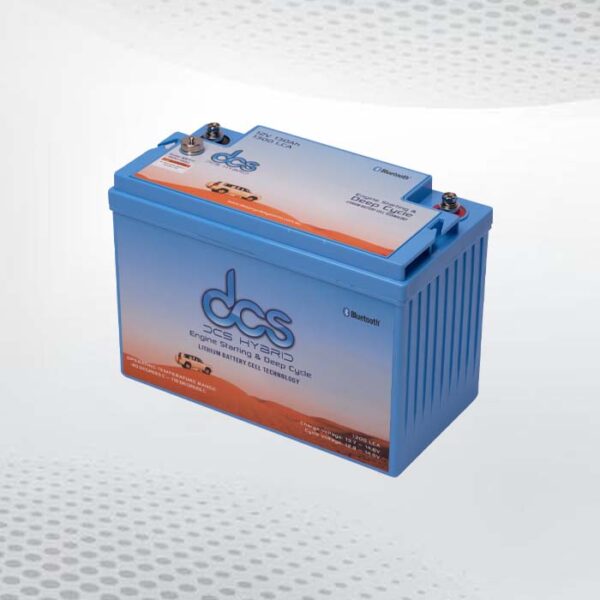
    Other Good Articles to Read
    Gabrielle Blogs
    Jason Toff Blogs
    Thumb Blogs
    Blog Shifter
    Social Bookmarking Blogs
    Free Blogs Template
    Blog Solidaire
    Michael Coyne Blog
    Born Free Blog
    Oz Blog Hosting
    Indepth News
    Link Forum
  • The Power Unleashed by lithium battery: An Analysis

    The Power Unleashed by lithium battery: An Analysis

    Today, lithium batteries are revolutionizing the way we power the everyday lives. From providing energy storage for the electric vehicles to powering the portable electronics, these cutting-edge batteries are quickly becoming an indispensable part of the lives. In that blog post, they will be exploring the revolutionary potential of lithium batteries and discussing how they are transforming the way they use energy. They will be looking at the current state of lithium battery technology, examining some of the potential applications of these devices, and analyzing the implications of their use. By the end of that article, you’ll have a better understanding of how these powerful batteries are helping to shape the future.

    The importance of lithium batteries

    Lithium batteries have taken the world by storm. They are now the go-to energy storage solution for a wide range of applications, from portable devices to electric vehicles and grid-scale energy storage. That is largely due to their exceptional properties, including their high energy density, long lifespan, and fast charge/discharge rate. In the past, traditional lead-acid batteries were used in a variety of applications. However, lead-acid batteries are heavy, have a relatively short lifespan, and require regular maintenance. In contrast, lithium batteries are much lighter and require no maintenance, making them an ideal choice for portable devices.

    How lithium batteries work

    Lithium batteries, like most other types of batteries, rely on a chemical reaction to store and release energy. However, the specific chemistry behind lithium batteries is what sets them apart from other types of batteries. Lithium batteries are made up of three main components: a cathode, an anode, and an electrolyte. The cathode is typically made from lithium cobalt oxide, while the anode is made from graphite. The electrolyte, which separates the cathode and anode, is made from a lithium salt dissolved in an organic solvent. When the battery is charged, lithium ions are removed from the cathode and travel through the electrolyte to the anode.

    Advantages of lithium battery pack

    Lithium battery pack offers numerous advantages that make them a popular choice for various applications. Here are some of the key benefits of using lithium batteries pack:

    1. High Energy Density: Lithium batteries pack has a higher energy density than other types of batteries. That means that they can store more energy in a smaller size and weight. For example, a lithium batteries pack can provide up to 3 times more energy than a lead-acid battery of the same weight.
    2. Long Life Cycle: Lithium batteries pack has a long life cycle compared to other battery types. They can withstand thousands of charge and discharge cycles, which makes them a more reliable and cost-effective option over the long term.
    3. Fast Charging: Lithium batteries pack can be charged faster than other battery types. They can also handle a higher charging current, which means that they can be fully charged in a shorter amount of time.
    4. Low Maintenance: Lithium batteries pack require little to no maintenance compared to other battery types. They do not require regular water top-ups, as is the case with lead-acid batteries, and they do not suffer from memory effect like nickel-cadmium batteries.

    lithium batteryApplications of lithium ion battery pack

    The widespread adoption of lithium ion battery pack has enabled the development of many exciting and innovative applications. Lithium batteries have found their way into a broad range of devices, from smartphones to electric vehicles, and even large-scale energy storage systems. One of the most prominent applications of lithium ion batteries is in portable electronics. Due to their high energy density, small size, and light weight, lithium batteries have become the battery of choice for smartphones, tablets, and laptops. These batteries have enabled these devices to become increasingly powerful and energy-efficient, with longer battery life and faster charging times.

    Provide high energy density

    In recent years, lithium batteries have also made significant strides in the automotive industry. Electric vehicles are becoming increasingly popular, and lithium ion batteries are the technology of choice for powering these cars. These batteries provide high energy density, enabling electric cars to travel longer distances on a single charge. Moreover, the use of lithium batteries also reduces greenhouse gas emissions from transportation. Beyond portable electronics and electric vehicles, lithium batteries are also being used in other applications, including renewable energy storage. As renewable energy sources like solar and wind become increasingly popular, energy storage solutions are becoming increasingly critical to balance the energy supply and demand.

    Current and future trends in lithium ion battery

    Lithium-ion batteries are currently dominating the portable electronics market and are rapidly expanding their reach in electric vehicles. As a result, research and development in the field of lithium ion battery is continuously progressing to make them safer, more efficient, and cost-effective.  One of the significant advancements in lithium-ion batteries is the introduction of solid-state batteries. These batteries use a solid electrolyte instead of a liquid one, which eliminates the risk of leakage, increases energy density, and allows faster charging. Several companies are actively researching and developing solid-state batteries, with Toyota and BMW already making significant investments in that technology.

    Of silicon-based anodes

    Another trend in lithium-ion batteries is the introduction of silicon-based anodes. Silicon can store ten times more lithium ions than graphite, the traditional anode material in lithium-ion batteries, thereby increasing the energy density. However, silicon’s expansion during charging and discharging can cause the electrode to break, leading to reduced performance. Researchers are working to address that issue to make silicon-based anodes viable in commercial applications. Moreover, recycling lithium-ion batteries is also becoming increasingly important as their use becomes more widespread. Recycling not only conserves resources but also helps prevent hazardous waste.

    Challenges and risks associated with lithium solar battery

    While the benefits of lithium solar battery is immense, they do come with their own set of challenges and risks that need to be addressed. One of the major concerns associated with lithium batteries is the risk of thermal runaway, which can occur due to a buildup of heat or the failure of one or more cells within the battery pack. That can result in a fire or explosion, posing a significant safety hazard. Another issue that needs to be considered is the environmental impact of lithium batteries. The mining and extraction of lithium can result in significant damage to the environment and cause harm to wildlife and habitats.

    Loss of capacity over time

    In addition to these challenges, there are also concerns regarding the overall reliability and durability of lithium batteries. While they are known for their high energy density and long lifespan, they are also susceptible to degradation and loss of capacity over time. Despite these challenges, the industry is actively working towards developing solutions to mitigate these risks and ensure the safe and sustainable use of lithium batteries. With ongoing research and development, it is expected that these challenges will be overcome, paving the way for even greater advancements in energy storage technology. Overall, while there are challenges and risks associated with lithium batteries, the benefits they offer far outweigh the drawbacks.

    Solar lithium battery has high energy density

    One of the key advantages of lithium batteries, especially lithium solar batteries, is their high energy density. Energy density refers to the amount of energy that can be stored in a given volume or weight of the battery. Solar lithium battery has a higher energy density than other types of batteries, which means they can store more energy in a smaller and lighter package. That high energy density of lithium solar batteries has made them a popular choice for renewable energy storage applications. Solar panels generate energy during the day, but it is not always possible to use all of that energy immediately. By storing excess energy in a lithium solar -battery, homeowners and businesses can access that energy later, when the sun is not shining, or during times of peak demand.

    Ideal for use in portable electronic devices

    The high energy density of lithium solar batteries also makes them ideal for use in portable electronic devices such as smartphones, laptops, and tablets. These devices require a lightweight and compact battery that can provide long-lasting power, and lithium batteries are a perfect fit for that purpose. Overall, the high energy density of lithium solar batteries has revolutionized the renewable energy and electronics industries, enabling a wide range of applications and innovations. As battery technology continues to evolve, it is likely that lithium batteries will continue to play a crucial role in powering the modern world.

    Wide operating temperature range

    One of the key advantages of lithium batteries is their ability to function efficiently across a wide range of temperatures. Unlike other battery chemistries that struggle in extreme temperatures, lithium batteries are built to withstand and operate in a wide variety of conditions. That makes them ideal for applications that require reliable performance in both hot and cold environments. From electric vehicles driving through sweltering summers to remote sensors monitoring temperatures in arctic conditions, lithium batteries can reliably power devices in even the most extreme environments.

    Work efficiently in cold temperatures

    The ability of lithium batteries to function efficiently in cold temperatures is particularly noteworthy. While other batteries struggle in freezing conditions, lithium batteries can continue to deliver power even in sub-zero temperatures. That has led to the increasing adoption of lithium batteries in cold climate regions, including in the development of hybrid heating systems for electric vehicles that combine electric heating with lithium- battery power. Overall, the wide operating temperature range of lithium batteries is a critical factor in their versatility and adoption across a wide range of industries. Whether it’s powering mobile devices or propelling electric vehicles, lithium batteries have demonstrated their ability to perform reliably across diverse environments.

    Conclusion

    In conclusion, lithium batteries have revolutionized the way they store and use energy. The advancements in that technology have provided a safer, more efficient and cost-effective alternative to traditional forms of energy storage. Lithium batteries have become essential components of modern life, powering everything from cell phones to electric cars. Moreover, as they continue to shift towards renewable energy sources, the demand for lithium batteries will only increase. The high energy density, wide operating temperature range, and fast charging capabilities of lithium batteries make them an ideal choice for energy storage systems.

    Other Good Articles to Read
    Gabrielle Blogs
    Jason Toff Blogs
    Thumb Blogs
    Blog Shifter
    Social Bookmarking Blogs
    Free Blogs Template
    Blog Solidaire
    Michael Coyne Blog
    Born Free Blog
    Oz Blog Hosting
    Indepth News
  • Reasons Why You Should Use A Lithium Ion Battery Pack

    Reasons Why You Should Use A Lithium Ion Battery Pack

    Are you looking for a reliable and efficient battery pack? Look no further than the lithium ion battery pack! Lithium-ion batteries have been popular recently due to their many advantages over traditional battery technologies. Lithium-ion batteries provide an excellent solution for your power needs, from their high energy density to their low self-discharge rate. In this blog post, we will explore  reasons you should use a lithium-ion battery pack for your power needs. Read on to learn why you should switch to a lithium-ion battery pack.

    They’re More Energy Dense

    Lithium-ion batteries are renowned for their energy density, the amount of energy stored in a given volume. It is one of the main advantages of lithium-ion batteries over other rechargeable batteries. Lithium-ion batteries have up to five times more energy density than lead-acid and nickel-cadmium batteries. It means they can store more power in a smaller space and be used in applications with a premium area. Not only that, but they also provide a longer run time than other types of batteries. As such, they’re ideal for powering devices like laptops and cell phones, where a reliable power source is needed to last the entire day.

    lithium ion battery packThey Have A Lower Self-Discharge Rate

    One of the most significant benefits of lithium-ion battery packs is their lower self-discharge rate. It means you don’t have to worry about your batteries losing power quickly over time if they’re not being used. Unlike other battery types, lithium-ion batteries lose only about 5% of their charge each month when idle, compared to the 10-20% self-discharge rate of lead acid batteries and up to 40% self-discharge rate of nickel metal hydride batteries.

    It means that you don’t have to recharge lithium-ion batteries as often and can rest assured that your power source will be available when needed. It also makes them ideal for applications requiring a continuous power supply, such as electric vehicles. With a lower self-discharge rate, you can trust that your lithium-ion battery pack will provide reliable and consistent energy over time. Additionally, due to its ability to hold its charge for long periods, a lithium-ion battery pack is perfect for devices that need to maintain a steady stream of power or store extra energy when not in use.

    A lithium-ion battery pack has a high capacity rating, meaning it can store more energy than other types of batteries of the same size. Lithium-ion battery packs are denser than different types of batteries, allowing them to contain more energy while still being lightweight. As a result, more efficient equipment designs are possible since more power can be stored in smaller form factors.

    Moreover, since they can store more energy than other battery types, this translates into longer run times. So you won’t have to worry about replacing or recharging your device as frequently. In addition, you’ll benefit from improved performance since a higher capacity rating translates into more sustained peak performance output.

    They Can Be Charged And Discharged More Times

    Lithium-ion batteries are an excellent choice for many applications because of their ability to be recharged more often. This means you can charge and discharge your battery multiple times without worrying about replacing it. Lithium-ion batteries have a much higher cycle life than traditional ones, meaning they can be charged and discharged much more frequently. With proper care, a single lithium-ion battery can provide thousands of charge/discharge cycles over its lifetime. This makes them ideal for portable electronic devices like laptops and smartphones that require frequent charging and discharging.

    Lithium-ion batteries are much safer than different types due to their lack of volatile components and advanced safety features, such as temperature monitoring and cell balancing. Additionally, the low self-discharge rate of lithium-ion batteries ensures that they retain their charge even when not in use. It helps extend the battery’s life and makes them a great long-term solution. Another benefit is that lithium-ion storms can produce more power than other types of batteries. It makes them perfect for applications such as electric vehicles where high power output is necessary. Furthermore, these batteries are relatively lightweight compared to other types, which makes them easy to transport or install. Overall, these reasons make lithium-ion batteries an intelligent choice for various applications.

    They’re More Environmentally Friendly

    With its low carbon footprint, lithium-ion technology can help reduce environmental impact while providing a safe and efficient energy storage source. Lithium-ion batteries are much more environmentally friendly than traditional lead-acid batteries. They use a rechargeable lithium-ion chemistry instead of toxic lead acid, which can pollute soil and water. Lithium-ion batteries also have a longer lifespan, which means less waste and fewer discarded batteries that need to be recycled. In addition, the production of lithium-ion batteries is far less energy-intensive than lead-acid batteries, making them a much more eco-friendly option.

    Additionally, lithium-ion batteries last longer than other types of batteries, making them an ideal choice for many applications. Compared to different battery chemistries, lithium-ion cells can deliver up to three times as much energy per unit weight, meaning they offer higher power density without sacrificing size or weight. They also operate more efficiently at lower temperatures than other chemistries, making them suitable for broader applications. Furthermore, these batteries don’t suffer from memory effects like some types do, meaning they can be recharged and discharged multiple times without losing performance or efficiency. Finally, their self-discharge rate is lower than different chemistries, meaning you don’t have to worry about your battery going dead between charges. All these features make lithium-ion batteries an excellent choice for almost any application.

    Lithium Ion Battery

    Lithium ion battery is the most common type of battery in use today. They are rechargeable, meaning they can be charged and discharged multiple times without losing performance. Lithium-ion batteries offer many benefits over traditional lead-acid and nickel-cadmium batteries, making them famous for various applications.

    One of the main advantages of lithium-ion batteries is their energy density. A lithium-ion battery can store up to twice as much energy as a similarly sized lead-acid or nickel-cadmium battery. It means that a smaller, lighter battery can be used for the same amount of power, allowing for greater portability and convenience.

    Another advantage of lithium-ion batteries is their low self-discharge rate. Lead-acid and nickel-cadmium batteries will self-discharge over time, even if not in use, resulting in reduced performance. With a lithium-ion battery, however, the self-discharge rate is much lower, allowing them to maintain their charge much longer even when not in use.

    Lithium-ion batteries can be charged and discharged more times than other types of batteries before their performance degrade. This makes them ideal for devices that require frequent charging, such as cell phones, laptops, and electric vehicles.

    Lithium-ion batteries are also more environmentally friendly than other types of batteries. Lead-acid and nickel-cadmium batteries contain toxic chemicals that can cause environmental damage if disposed of improperly. Lithium-ion batteries have no toxic materials and are recyclable, making them safer for the environment.

    Finally, lithium-ion batteries are lighter and easier to transport than lead-acid or nickel-cadmium batteries. This is especially beneficial for devices that must be carried around regularly, such as laptops and cell phones.

    They’re Lighter

    Regarding batteries, weight matters; if you’re carrying something like a laptop or an electric vehicle, you want the lightest battery possible. That’s where lithium-ion storms come in. Lithium-ion batteries are much weaker than lead acid or nickel metal hydride batteries, making them ideal for portable applications. They’re also great for powering drones and other aerial vehicles. And because of their lightweight, they can also be used to create lightweight yet powerful battery packs that are ideal for use in remote locations where weight is a concern. So if you need a light, powerful battery pack, a lithium-ion battery pack is the way to go. They’re more efficient.: Lead acid and nickel metal hydride batteries lose charge over time, even when not used. This means you have to recharge them more often, which adds up over time in terms of cost and energy consumption. With a lithium-ion battery pack, however, your energy storage efficiency is improved significantly. This means that your batteries will last longer and require less frequent recharging.

    They Don’t Require Maintenance

    One of the great benefits of using a lithium-ion battery pack is that they don’t require maintenance. Unlike other types of batteries, you don’t have to worry about adding water or recharging them regularly. They will last much longer than traditional batteries and are ready to use whenever you need them. Lithium-ion batteries also don’t suffer from sulfation, a buildup of crystals that can occur in some battery cells over time and reduce their capacity. It means they will stay at their optimal performance level for much longer than other battery types. All you have to do to keep your lithium-ion battery pack in top condition is ensure it’s kept in a relaxed, dry environment and charge it correctly. That’s it! There’s no extra maintenance required, like topping off fluids or replacing elements. Even if you rarely use the battery, you don’t have to recharge it regularly because it won’t experience as much self-discharge as other types of batteries. Furthermore, with proper care, lithium-ion batteries can last up to ten years. it makes them an ideal choice if you are looking for long-lasting power solutions.

    They Have Built-In Safety Features

    Lithium-ion battery packs come with built-in safety features, such as overcharge and over-discharge protection, temperature control, and short-circuit protection. This ensures that your device is protected from potential damage caused by overcharging or over-discharging the battery. It also helps protect against fire hazards and reduces the risk of personal injury or property damage. The lithium-ion cells in these batteries are highly stable, making them much safer than other types of batteries. Additionally, if you buy a lithium-ion battery pack from a trusted manufacturer, they will usually have additional safety features to ensure the safe and proper use of their products. For instance, most manufacturers include specialised charging software, which optimises the charging process to prevent it from getting too hot and damaging the battery. Furthermore, some lithium-ion battery packs may even feature something called “cell balancing” – this means that during the charging cycle, each cell gets equal amounts of charge so that all cells get charged at the same time without any one cell being overcharged.

    They’re More Affordable

    Lithium-ion battery packs are becoming increasingly affordable as technology continues to develop and production costs decrease. Compared to other rechargeable batteries such as lead-acid, nickel-cadmium, and nickel-metal-hydride, lithium-ion batteries have a significantly lower price per kWh, making them a much more cost-effective option. Additionally, since lithium-ion batteries are capable of handling higher currents, manufacturers are able to reduce the size of their battery pack for the same amount of energy, which further reduces costs. Finally, because of their long lifespan, lithium-ion batteries require less frequent replacement than other rechargeable batteries, helping to reduce the overall cost of ownership. In addition to being more affordable, there are many different reasons why you should consider using a lithium-ion battery pack in your applications.

    Conclusion

    Lithium-ion batteries have many advantages over other battery technologies, including higher energy density, longer life, lower self-discharge rate, lighter weight, and built-in safety features. These benefits make lithium-ion batteries an ideal choice for a variety of applications, from portable electronic devices to electric vehicles. The combination of all these features makes the lithium-ion battery pack an attractive and cost-effective option for many applications. With its ability to perform in various conditions, the lithium-ion battery pack is one of the most popular and reliable power sources available today.

    Related Websites:
    Articles on Blogshunt
    Articles on tbablogs
    Articles on Blogspeoples
    Articles on Thebigblogtheory
    Articles on Allcityforums

  • How to Choose the Right Size of 12 v lithium ion battery

    How to Choose the Right Size of 12 v lithium ion battery

    Lithium-ion (Li-ion) batteries are popular for portable electronics, from phones to cameras and laptops. They’re also an increasingly popular choice for electric vehicles (EVs). Due to their high performance and a wide variety of uses, many manufacturers make different models of Li-ion batteries. However, if you have never owned or operated a battery before, it is challenging to know what size is right for your needs. This article provides tips on choosing the size of lithium ion battery for your needs.

    What do you need your 12vdc deep cycle battery for?

    Most people buy 12v lithium ion batteries for their electronic devices, including phones, cameras, and other small electronics. These batteries are often too small to power cars, trucks, or larger vehicles. People may also buy 12vdc deep cycle battery for electric bicycles or scooters. This is very uncommon, however. You’re much more likely to find lithium ion batteries for e-bikes or scooters for the home because all you need is a battery for occasional use. When choosing your battery, think about what you will use it for. Will it be for one device or many? How long will you use it? If you need a battery that will last a long time, you might want to look into a more powerful model.

    Size of the the100AH Lithium Ion Battery

    Most lipo battery 12v come in many sizes and a few other types, such as “combo” or “universal” batteries. The capacity, or how much energy the battery can store, is always listed first, and capacity is listed in watt-hours (Wh). You may also see the ability listed as mAh. The “A” is the symbol for capacity (Wh), while the letter “H” stands for “hours”, which is listed as a decimal value after the decimal. The capacity of a 100AH Lithium Ion Battery will determine how long it will last. The capacity listed for a lithium ion battery can mislead, however, because it measures what the battery can deliver and not what it does rate. For example, let’s say you have a device that uses a 2,000 mAh battery. Most devices only draw 1,000 mAh, so the 2,000 mA means that the battery can deliver 2,000 mA.

    How long will you need it?

    Almost every 100 AH Lithium Ion Battery has a rating for how long it will last, measured in “cycle life”. This does list as a range; the longer side of the content is probably the more accurate rating. A lithium ion battery’s cycle life rating will be 10% to 90%. A 10% cycle life means the battery’s capacity will drop 10% after 500 complete charge/discharge cycles. And a 90% cycle life implies the battery will lose 90% of its capacity after 500 cycles. You may also see a lithium car battery as a “continuous discharge” or “CCD” rating. That is a specification for how long the battery can get discharged at 80%, 90%, or 100% before it loses power.

    How much power do you need?

    100ah lithium battery comes in three different voltage ratings: 3.6 V, 4.2 V, and 4.9 V. The 3.6 V batteries do found in miniature electronics such as GPS devices, smartphones, and other small devices that don’t power by a large computer or a vehicle. The 4.2 V lithium-ion batteries are what you’ll see in laptop computers and many electric vehicles, including EVs like the Chevrolet Bolt EV and the Nissan LEAF. And the 4.9 V lithium ion batteries can get found in vehicles, including luxury cars. To decide if a 100 ah lithium battery is correct, you can determine the maximum power you will use. For example, if you want to power a small lamp, there’s no need for a powerful battery. But if you plan to use the battery to power a larger device, such as an air conditioner, you may need a more powerful battery.

    How long will it last?

    100ah deep cycle battery has a label with a “capacity cycle life expectancy”. The capacity cycle life expectancy is the maximum number of times a lithium-ion battery will get fully charged and discharged. And the useful life expectancy, which gets listed as a range, is the amount of time you can use the battery before it loses capacity. The lifepo4 battery has a useful life expectancy of 300 to 500 cycles. One more thing to remember is that lithium ion batteries are not indestructible. They will lose some capacity over time, but how much is unknown.

    Other factors to consider

    Other things to consider when choosing the right size lithium ion deep cycle battery price are power cable length, weight, size, and safety. The power cable length will determine how far away from the battery you can safely operate the device. And the importance of the battery will affect how comfortable you will get working it.

    Final Words

    When choosing the right size of 12vdc deep cycle battery for your needs, you’ll need to consider a few factors. First, think about how long the battery will last and how much power it will get drawing. And, finally, think about the device you’ll get powering. When you understand the factors to consider, you’ll get better prepared to choose the right size of battery for your needs.