Tag: Lithium Battery Car Battery

  • Power Up Your Engine: Lithium Cranking Battery Solutions

    Power Up Your Engine: Lithium Cranking Battery Solutions

    Are you looking to boost your vehicle’s performance with a new cranking battery? Look no further than lithium-cranking battery options. In this blog post, they will explore the benefits of upgrading to a lithium-cranking battery, compare lithium and lead-acid options, provide installation and maintenance tips, highlight the best Lithium Cranking Battery on the market, and discuss future trends and innovations in the industry

    Cranking batteries, also known as starting batteries, are pivotal in powering up your vehicle’s engine. They are designed to deliver a swift, high-power output for a short duration, essential for initiating the engine’s operation. Unlike other types of batteries that might be used for longer-term power needs or auxiliary functions within a vehicle, cranking batteries are specifically optimized to ensure your car starts reliably. This is accomplished by discharging a large burst of energy, which turns the engine’s starter motor and sets the engine in motion. The importance of a dependable cranking battery becomes evident, especially under challenging conditions such as cold weather, where the engine requires more power to start. Without the instant power surge provided by a cranking battery, the vehicle simply cannot begin its operation, underscoring the battery’s critical role in everyday vehicle functionality.

    Lithium Starting Battery

    Embarking on the journey of understanding lithium starting batteries is essential for those contemplating upgrading their vehicle’s starting system. At the heart of these batteries lies advanced lithium-ion technology, renowned for its high energy density and efficiency. Unlike traditional options, lithium starting battery is engineered to provide a powerful yet lightweight solution to meet the demanding energy requirements of starting an engine. Its composition allows for a rapid discharge of energy necessary for cranking, followed by a swift recovery to ensure it’s ready for the next start.

    These batteries are not just about superior cranking power but embody the shift towards more sustainable automotive practices. With a focus on reducing environmental impact, lithium starting batteries offer a cleaner alternative, minimizing the release of harmful substances commonly associated with battery production and disposal. This section delves into the technological prowess that enables lithium-starting batteries to deliver unparalleled reliability and performance. It sets the stage for a deeper exploration of their advantages and integration into modern vehicular systems.

    Comparing Lithium and Lead-Acid Cranking Batteries

    When evaluating the distinctions between lithium and lead-acid cranking batteries, it becomes clear that each has unique advantages and considerations. The primary difference lies in their composition and impact on performance, weight, and durability. Lithium batteries boast a significantly lighter weight, contributing to less overall vehicle mass and potentially enhancing fuel efficiency and handling. This reduction in weight does not compromise power; in fact, lithium batteries typically offer a higher energy density, ensuring a more reliable start in various conditions, including extreme temperatures.

    Lead-acid batteries have been the traditional choice for many years, prized for their affordability and widespread availability. However, they are heavier and occupy more space, which can be a drawback for performance-oriented vehicles or those with strict weight constraints. Additionally, while lead-acid batteries have a respectable lifespan, they often fall short of the longevity achievable by lithium options, which can endure more charge-discharge cycles before performance begins to degrade.

    Another aspect to consider is each type’s environmental impact and maintenance requirements. Lithium batteries are generally more environmentally friendly and require less maintenance over their lifespan, unlike lead-acid batteries, which may need regular water top-ups and are more susceptible to sulfation if not properly maintained.

    The choice between lithium and lead-acid cranking batteries depends on the user’s priorities, whether it’s optimizing for weight, lifespan, initial cost, or maintenance considerations.
    Lithium Battery Car BatteryThe Benefits of Upgrading to a Lithium-Cranking Battery

    Opting for a cranking battery introduces a wealth of advantages for vehicle owners seeking an upgrade and a transformation in their ride’s startup and overall performance. Thanks to their superior energy output, these high-efficiency power units ensure that your vehicle responds with vigour every time you turn the key. The durability of lithium batteries outshines traditional options, with an impressive ability to weather numerous charge and discharge cycles without significant degradation. This resilience translates to fewer replacements and, ultimately, cost savings. Beyond longevity, the quick recharge capability stands out, minimizing downtime and ensuring your vehicle is always ready for action. Among the most tangible benefits is the weight reduction these batteries offer, contributing to a lighter, more agile vehicle that benefits from better fuel economy and sharper handling. This upgrade is not just about what you gain in terms of performance and efficiency but also what you lose in terms of maintenance headaches, as these batteries require little to no upkeep. Embracing cranking battery technology means embracing a future where your vehicle’s potential is fully realized.

    Installation and Maintenance Tips for Lithium Cranking Batteries

    Transitioning to a lithium-cranking battery can be a seamless process with the right approach. Begin by ensuring that your selected lithium battery is compatible with your vehicle’s specifications. During installation, adhere strictly to the manufacturer’s instructions, as incorrect installation can lead to performance issues or damage. It’s also wise to use a battery management system (BMS) if recommended, as this can help monitor the battery’s health and optimize its performance.

    For maintenance, lithium-cranking batteries present a low-maintenance solution. Unlike their lead-acid counterparts, they do not require water top-ups or regular acid checks. However, maintaining an optimal charge level is crucial; avoid letting the battery discharge completely. Periodic checks of the battery’s state of charge, using a quality charger designed for lithium batteries, will help maintain its health and extend its service life. Ensuring clean and tight connections will prevent potential power loss and corrosion issues. Following these guidelines will help you get the most out of your lithium-cranking battery, ensuring it provides reliable service and enhances your vehicle’s performance.

    Top Picks: The Best Lithium Cranking Batteries on the Market

    Navigating the market for lithium-cranking batteries can be overwhelming with the many choices available. However, a few brands stand out due to their superior performance, reliability, and customer satisfaction. Among them, XS Power Lithium Batteries are lauded for their robust power output and resilience under various conditions, making them an excellent choice for those who demand the best for their vehicle. Antigravity Batteries emerge as another top contender, offering lightweight yet powerful options perfect for high-performance applications.

    They are particularly noted for their versatility and ability to cater to a wide range of automotive needs. Braille Battery, meanwhile, is recognized for its commitment to innovation and quality, providing users with efficient, durable batteries that support quicker starts and longer life. These brands have consistently received positive feedback from the automotive community, confirming their status as some of the best lithium-cranking batteries on the market today. Their products are designed to meet the needs of even the most demanding users, ensuring your vehicle is always ready to perform at its peak.

    Lithium Battery Car Battery

    Delving into the specifics of lithium car batteries further illuminates their edge in automotive applications. These batteries leverage lithium-ion technology’s lightweight and high-efficiency characteristics to revolutionize how vehicles are powered. A pivotal aspect of their appeal lies in the significant weight reduction they offer over traditional lead-acid batteries, which directly translates to enhanced vehicle performance and efficiency. This advantage is not just in high-performance sports cars but extends to everyday passenger vehicles, where all drivers can appreciate the benefits of a lighter, more responsive ride.

    In addition to the performance gains Lithium Battery Car Battery exhibit superior thermal stability, ensuring reliable operation across a broader range of temperatures. This stability is critical in maintaining optimal performance, whether in the scorching heat of summer or the cold of winter. The thermal resilience of lithium batteries also contributes to their safety, reducing the risk of overheating and potential thermal runaway – a concern with some battery technologies.

    Moreover, the integration of lithium batteries into vehicles supports the push towards greener automotive technologies. Their efficiency and longer life cycle mean fewer battery replacements and, consequently, a reduced environmental footprint. As the automotive industry continues its march towards electrification, the role of lithium batteries as a sustainable and high-performance solution becomes increasingly indispensable.

    The Future of Cranking Batteries: Trends and Innovations

    As they gaze into the horizon of automotive advancements, the cranking battery sector is poised for significant transformation. Innovations are anticipated to usher in a new era of ultra-lightweight lithium batteries, boasting enhanced energy storage capacities and even faster-recharging capabilities. The advent of smart battery technology, integrating advanced monitoring systems, promises to optimize performance and extend lifespan further by precisely managing the charging and discharging processes. Researchers are also focusing on improving the sustainability aspect, exploring more eco-friendly materials and recycling methods to lessen the environmental impact.

    Moreover, integrating wireless charging for electric vehicles may pave the way for innovative cranking battery solutions, reducing dependency on traditional charging infrastructure. As electric vehicles continue to surge in popularity, the development of cranking batteries that support faster energy transfer and higher efficiency rates will be crucial in meeting the evolving demands of the automotive industry. These forward-looking trends indicate a dynamic shift towards cranking batteries that are not only more powerful and durable but also aligned with the global push towards greener, more sustainable transportation solutions.

    FAQs

    Q1: Can I replace my lead-acid cranking battery with a lithium one without any modifications?

    A1: Yes, in most cases, you can replace a lead-acid battery with a cranking battery as they are generally designed to be compatible with standard vehicle charging systems. However, it’s crucial to ensure the lithium battery’s specifications match your vehicle’s requirements.

    Q2: How long do lithium cranking batteries typically last compared to lead-acid batteries?

    A2: Lithium cranking batteries often have a longer lifespan than lead-acid batteries. While lead-acid batteries typically last 3-5 years, lithium batteries can last up to 5-10 years depending on usage, charging habits, and environmental conditions. The increased longevity is due to lithium’s higher resistance to degradation and fewer maintenance requirements.

    Q3: Are lithium cranking batteries environmentally friendly?

    A3: Yes, lithium batteries are considered more environmentally friendly than lead-acid batteries. They have a longer lifespan, reducing the frequency of replacements and, consequently, waste. Additionally, lithium batteries are more efficient and contain fewer toxic materials, making them a cleaner choice for powering vehicles.

    Conclusion

    Transitioning to a cranking battery marks a significant upgrade for any vehicle, offering a blend of efficiency, durability, and high performance. These batteries distinguish themselves through their robust power delivery, ensuring your vehicle starts promptly and reliably under various conditions. Their superior energy density and rapid recharge capabilities translate into less downtime and more time spent enjoying the drive. Furthermore, the reduction in weight attributed to lithium technology not only enhances fuel economy but also contributes to a smoother, more responsive handling experience.

    Other Good Articles to Read
    blogs rain
    cme blogspot
    Garcias Blogs
    Yyc Blogs
    Guiade Blogs
    Blogs-Hunt
    Impact-Blog
    Smarty Blogs
    Ed Blog
    Mo Blogs
    Blogs Em
    blogs t
    Related Business Listings
    Contact Directory
    Local Business Profiles
  • A Comprehensive Overview of Lithium Starter Batteries

    A Comprehensive Overview of Lithium Starter Batteries

    Lithium Starter-Batteries have overtaken the automotive industry with their superior performance and efficiency. These lightweight and compact batteries have become the go-to option for car owners, especially those with 4×4 vehicles. With the increasing demand for more powerful and reliable car batteries, lithium starter batteries have emerged as a popular choice due to their ability to deliver high-cranking power and longer lifespan. This comprehensive overview will delve into Lithium Starter-Batteries, exploring their features, benefits, and applications in the automotive industry.

    Understanding Lithium Starter-Batteries and Their Mechanism

    Lithium Starter-Batteries represent a notable advancement in energy storage technology, utilising the principles of lithium-ion chemistry. These batteries operate on the fundamental mechanism where lithium ions move back and forth between the anode and cathode. This action occurs during charging and discharging, facilitating a highly efficient energy transfer. The unique attribute of lithium-ion technology is its remarkable power-to-weight ratio, enabling these batteries to deliver substantial energy from a compact and lightweight unit.

    Such characteristics are particularly beneficial for automotive applications, where the swift initiation of engines is crucial. The efficiency of this energy flow not only supports rapid starting capabilities but contributes significantly to the overall performance and reliability of the vehicle’s power system. This underlying mechanism underscores the transformative potential of Lithium Starter-Batteries in revolutionising automotive energy solutions, offering a glimpse into the future of efficient and high-performance power storage.

    lithium starter batteriesThe Transition from Lead-Acid to lithium battery car battery

    The shift from lead-acid to lithium battery car batteries signifies a pivotal moment in automotive history. This transition is driven by the quest for more efficient, lighter, and higher-performing vehicle energy sources. While lead-acid batteries have served as the backbone of automotive starting systems for decades, their limitations in weight, performance under extreme conditions, and lifespan have spurred the search for alternatives. Lithium battery car batteries, with their superior energy density and ability to recharge more quickly, represent a significant leap forward.

    Lithium Battery Car Battery provide the necessary cranking power for vehicles without their lead-acid counterparts’ substantial weight and bulk. Furthermore, their resilience in various temperatures makes them ideal for modern cars, which often require reliable performance in varied environmental conditions. The transition is not merely a technological upgrade but reflects a growing awareness of ecological concerns, with lithium batteries offering a cleaner, more sustainable option. This move towards lithium-based solutions marks an exciting era in automotive power that promises enhanced performance and a reduced environmental impact.

    Lithium cranking battery for 4wd – A Game Changer

    The emergence of lithium cranking batteries for 4×4 vehicles marks a significant advancement in the realm of off-road adventure and challenging terrains. These batteries are engineered to withstand the rigorous demands of 4×4 systems, offering unparalleled cranking power and resilience. Unlike their predecessors, lithium-cranking batteries provide a consistent power supply, even under extreme conditions, ensuring that vehicles are always ready for action. The enhanced durability and reduced weight of these batteries contribute to superior vehicle performance and improve fuel efficiency by reducing the overall load.

    This is particularly beneficial for Lithium Cranking Battery for 4wd vehicles, which often navigate rough landscapes and require additional power for accessories and equipment. The advent of lithium technology in this sector signifies a shift towards more reliable and efficient power solutions tailored to meet the specific needs of 4×4 enthusiasts and the harsh environments they explore. With the adoption of lithium-cranking batteries, the future of 4×4 adventuring looks brighter, offering adventurers the confidence to tackle even the most daunting challenges easily.

    The Environmental Impact of Lithium Starter-Batteries

    Whilst adopting Lithium Starter-Batteries brings numerous benefits in terms of performance and efficiency, it is crucial to acknowledge their environmental implications. The extraction and processing of lithium, a core component, pose challenges, including water usage and potential ecological disruption in mining areas. Despite these concerns, Lithium Starter-Batteries are a preferable alternative in the longer term compared to lead-acid batteries. Their extended lifespan significantly reduces the frequency of battery replacements, and their potential for recyclability contributes to a more sustainable lifecycle.

    Efforts are continuously underway to enhance the environmental profile of these batteries, focusing on improving recycling methods and exploring less invasive lithium extraction techniques. As such, the industry strives to balance the technological advantages of Lithium Starter-Batteries with a conscientious approach to environmental stewardship, aiming to minimize the ecological footprint whilst maximising the benefits these batteries offer to the automotive sector.

    Installation and Maintenance Tips for Lithium Starter-Batteries

    Proper installation and diligent maintenance are pivotal for extending the lifespan and enhancing the performance of Lithium Starter-Batteries. These batteries, known for their lightweight and compact design, are inherently more susceptible to damage from high temperatures and overcharging than their lead-acid counterparts. Individuals must use a charger compatible with lithium-ion technology to prevent overcharging and potential damage. Moreover, these batteries should be shielded from prolonged exposure to high temperatures to mitigate degradation risks.

    Conducting regular checks on the battery’s state of charge and maintaining it within recommended levels can significantly contribute to its longevity. They store the battery in a cool and dry environment when not in active use, safeguarding its integrity and functionality. When adhered to, these maintenance practices facilitate optimal performance from Lithium Starter-Batteries, reinforcing their role in advancing automotive power solutions.

    The Future of Lithium Starter-Batteries in Automotive Applications

    The trajectory of Lithium Starter-Batteries within the automotive sphere is marked by burgeoning potential. With the automotive sector leaning increasingly towards electric and hybrid vehicles, the integral role of efficient, high-performance batteries is underscored. Future advancements are poised to expand upon current lithium-ion technology, with the anticipation of solid-state batteries and refined lithium-ion formulations taking centre stage. These innovations are expected to bolster the batteries’ performance and drive down costs, making them more accessible.

    This progression will likely cement Lithium Starter-Batteries’ status within the automotive industry, facilitating a seamless integration into future vehicle designs. The promise of these advancements heralds a new chapter in automotive power, where the symbiosis of performance, efficiency, and environmental sustainability remains paramount. The ongoing development and optimization of battery technology signify a commitment to meeting the evolving demands of both the industry and the consumers, ensuring that Lithium Starter-Batteries continue to be a linchpin in the drive towards more sustainable automotive solutions.

    Lithium Batteries and Vehicle Efficiency

    Introducing Lithium Starter-Batteries has marked a significant leap in pursuing enhanced vehicle efficiency. Owing to their lighter weight relative to traditional lead-acid counterparts, these batteries contribute to a noticeable reduction in the vehicle’s overall mass. This weight decrease directly translates to an uptick in fuel economy, allowing vehicles to traverse greater distances on the same amount of fuel or electric charge. Additionally, the superior efficiency of lithium batteries in both the storage and release of energy ensures a more judicious use of power.

    The consistency in power delivery they afford benefits the vehicle’s starting mechanism and the smoother operation of auxiliary systems. This optimization of energy usage is a key factor in the strides towards more fuel-efficient and environmentally friendly automotive technologies. The attributes of Lithium Starter-Batteries, encompassing their lightweight design and energy efficiency, play a pivotal role in advancing the automotive industry’s sustainability agenda and reducing environmental impact.

    Advantages of Lithium Starter-Batteries

    The myriad benefits of Lithium Starter-Batteries encompass a superior energy density, which allows them to store more power in a smaller footprint. This characteristic, coupled with their extended service life, positions them as a highly efficient choice for automotive applications. Lithium Starter-Batteries excel in a broad spectrum of temperatures, showcasing remarkable performance in scorching heat or freezing conditions. This adaptability ensures consistent and reliable vehicle starting.

    A notable advantage over traditional lead-acid counterparts is their resistance to sulphation, a process that can significantly impair battery efficiency and lifespan. Additionally, these batteries can be recharged at a faster rate, reducing downtime and enhancing user convenience. They offer a hassle-free solution with minimal maintenance requirements, eliminating the frequent checks and balances often associated with lead-acid batteries. The confluence of these advantages illustrates the significant strides Lithium Starter-Batteries have made in automotive power storage, reinforcing their status as a preferred choice for modern vehicular applications.

    Benefits of Lithium Starter-Batteries for Your Vehicle

    Incorporating Lithium Starter-Batteries into vehicles extends beyond mere enhancements in power and efficiency. These batteries play a critical role in contributing towards a greener automotive environment, primarily through their prolonged lifespan and superior energy management capabilities. The longer lifecycle of lithium batteries means fewer replacements are required over the vehicle’s lifetime, significantly reducing waste and resource consumption.

    Additionally, the efficient energy management of Lithium Starter-Batteries ensures that vehicles operate more cleanly, with a marked decrease in carbon emissions. For vehicle owners, this translates to lower overall maintenance costs and the reassurance of contributing to environmental sustainability. The amalgamation of these benefits not only underscores the practical advantages of opting for Lithium Starter-Batteries but also highlights the broader environmental merits, reinforcing the positive impact of such technology on the automotive landscape.

    Lithium Batteries – Powering the Automotive Industry’s Future

    Lithium-starter batteries emerge as a key player in this evolutionary journey as the automotive sector navigates a period of significant transformation, with a shift towards greener, more sustainable modes of transport. The advantages of these batteries, including their compact size, lightweight, and superior energy efficiency, align seamlessly with the industry’s objectives of reducing environmental impact whilst enhancing vehicle performance. Their role is increasingly pivotal in developing electric and hybrid vehicles at the heart of the transition to renewable energy sources.

    Innovations within lithium battery technology, such as the potential introduction of solid-state batteries, promise to enhance these benefits further, offering improved safety, performance, and cost-effectiveness. As such, Lithium Starter-Batteries are not just contributing to the present landscape of automotive power but also shaping its future contours. Their integration into the fabric of automotive design and function points towards a horizon where efficiency and sustainability coexist, heralding a new era for the industry that prioritises technological advancement and environmental responsibility.

    FAQS

    Q1: What sets lithium starter batteries apart from traditional lead-acid batteries?

    A1: Lithium starter batteries offer a higher energy density, meaning they can store more power in a smaller size and perform better in extreme temperatures. They’re also lighter, enhancing vehicle efficiency, and do not suffer from sulphation, extending their lifespan.

    Q2: Are Lithium Starter-Batteries environmentally friendly?

    A2: Yes, they are considered more environmentally friendly due to their longer lifespan, which reduces the need for frequent replacements and their potential for recyclability, thus contributing to less waste.

    Q3: Can I use a lithium starter battery in any vehicle?

    A3: Lithium Starter-Batteries are compatible with many modern vehicles. However, it’s important to check the manufacturer’s specifications to ensure compatibility, especially for vehicles with high energy demands or specific electronic systems.

    Q4: How do I maintain my lithium starter battery?

    A4: Maintenance involves using a compatible charger, avoiding overcharging, and keeping the battery cool and dry. Regular checks on the state of charge and ensuring it is stored properly when not in use are also recommended.

    Q5: How long do Lithium Starter-Batteries typically last?

    A5: The lifespan varies depending on usage and maintenance but is generally longer than traditional lead-acid batteries. They can last for several years with proper care, providing reliable service and performance.

    Conclusion

    Lithium starter batteries represent a paradigm shift in automotive power solutions, offering high performance, efficiency, and environmental sustainability. As the automotive industry moves towards a greener future, these batteries stand at the forefront, promising to meet and redefine the standards of vehicle power systems. Embracing Lithium Starter-Batteries is not merely an upgrade; it’s a step towards driving confidently, knowing that one’s vehicle is powered by technology that prioritises innovation and ecological responsibility.

    cme Blog Spot
    Blogs Rain
    Cme Blog Spot
    Garcias Blogs
    Yyc Blogs
    Guiade Blogs
    Blogs-Hunt
    Impact-Blog
    Smarty Blogs
    Ed Blog
    Mo Blogs
    Blogs Em
    Blogs T
    Related Business Listings
    Contact Directory
    Local Business Profiles
  • On the Road with Li Ion Car Battery: Powering the Future

    On the Road with Li Ion Car Battery: Powering the Future

    In the world of transportation, a major shift is taking place – one that has the potential to revolutionize the way we move. It’s a shift towards sustainable and efficient energy sources, and at the heart of this transformation are Li-Ion batteries. Li Ion Car Battery have become the power source of choice for many electronic devices, and now they are paving the way for the future of mobility. From electric cars to drones and even airplanes, Li-Ion batteries are changing the game and powering the vehicles of tomorrow. In this blog post, we will look closer at the role of Li-Ion batteries in the transportation industry and how they drive us towards a cleaner and more efficient future. So buckle up and join us on the road to explore the potential and possibilities of Li-Ion batteries as the heartbeat of future vehicles.

    Understanding Li-Ion Technology and Its Rise to Prominence

    The journey of Li-Ion technology from an experimental concept to a cornerstone of modern mobility is a testament to its superior attributes over previous battery technologies. The transition from lead-acid and nickel-metal hydride batteries was spurred by Li-Ion’s unmatched energy density and lighter weight, making it an ideal candidate for powering an array of electronic devices and, most significantly, electric vehicles. This battery technology has revolutionized our approach to power storage, offering a balance between efficiency and sustainability that aligns with contemporary demands for cleaner, more reliable energy sources. Its ascendancy is also attributed to its longevity and the minimal self-discharge rates it boasts, ensuring that energy storage solutions are more potent, durable, and reliable over time. These advantages have collectively cemented Li-Ion batteries’ status as a pivotal force in the shift towards electrification, embodying a key element in transportation and energy storage evolution.

    Indeed, Li-Ion technology is spearheading a new era of clean energy vehicles, fuelling innovation in private and commercial transportation. Its versatile application, extending beyond vehicular usage to grid storage and renewable energy solutions, solidifies its role as an indispensable tool in tackling global energy challenges.

    12 Volt Lithium BatteryThe Advantages of Li-Ion Batteries in Electric Vehicles

    Li-Ion batteries offer unparalleled advantages in the electric vehicle (EV) landscape. Their superior energy density means EVs can travel further on a single charge, alleviating range anxiety for drivers. This feature is crucial in fostering consumers’ wider acceptance and adoption of EVs. Additionally, these batteries exhibit lower self-discharge rates, ensuring that electric cars maintain their charge efficiently over periods of inactivity. This aspect particularly benefits EV owners who may use their vehicles sparingly.

    Furthermore, Li-Ion batteries are known for their fast-charging capabilities, significantly reducing the time drivers need to spend at charging stations. This convenience closely mirrors the traditional fueling experience, making the transition to electric vehicles smoother for consumers. Lastly, the durability and resilience of Li-Ion batteries to numerous charging cycles make them a long-lasting power source, ensuring that EVs can serve their owners reliably for years, contributing to the sustainability and environmental benefits of electric mobility.

    In light of these advantages, research and development efforts continue to optimize the efficiency and capacity of Li-Ion batteries, potentially revolutionizing the capabilities of future electric vehicles. This ongoing innovation signals a transformative power shift from conventional fuel to electricity in the automotive industry.

    Lithium Battery Car Battery

    The evolution of Lithium Battery Car Battery into the automotive sphere marks a significant leap towards advancing electric vehicle (EV) technology. These batteries ensure that cars are more lightweight compared to those powered by older battery types, but they also enhance performance through higher energy capacities and efficiency. With their integration into electric cars, Li-Ion batteries address critical consumer concerns such as extended driving ranges and quicker charging times. This shift towards Li-Ion technology in vehicles underscores a broader move towards optimizing energy usage and minimizing environmental impact. As manufacturers continue to innovate in battery design, including improvements in battery management systems and thermal regulation, Li-Ion car batteries are setting new standards for what consumers can expect from their electric vehicles. Their role is indispensable in driving the adoption of EVs, making electric transportation more accessible and appealing to a global audience.

    Innovations and Future Directions in Li-Ion Technology

    The landscape of Li-Ion technology is on the brink of transformative advances, driven by cutting-edge research and innovative developments. One of the most anticipated breakthroughs is the emergence of solid-state batteries, which aim to replace the liquid electrolyte with a solid counterpart. This innovation holds the promise of enhancing energy density and significantly elevates safety standards, mitigating risks associated with liquid electrolytes. Furthermore, the industry strives to lessen its dependence on rare and costly materials by exploring alternative chemistries that are both more abundant and less environmentally damaging. Advances in the efficiency of recycling processes are crucial in this regard, aiming to reclaim a higher percentage of valuable materials from spent batteries. These advancements are poised to redefine the capabilities and sustainability of Li-Ion batteries, ensuring their central role in powering future mobility and beyond.

    Simultaneously, the developing innovative charging technologies to complement the new wave of batteries is crucial, promoting faster and more efficient energy storage. Equally important is further refining battery management systems, guaranteeing longer life cycles and optimized performance for these future energy powerhouses.

    The Role of Li-Ion Batteries in the Broader Shift to Electrification

    Li-Ion batteries are instrumental in the global movement towards a more electrified and sustainable future, extending their impact far beyond the automotive sector. These power cells are key to harnessing and deploying renewable energy, enabling the storage of solar and wind power for use when sunlight and wind are not available. By facilitating a stable and reliable energy supply, they enhance the feasibility of renewables as primary energy sources, contributing significantly to reducing carbon emissions and dependency on fossil fuels. In the realm of transportation, Li-Ion batteries are not just propelling cars but are also vital in electrifying public transit systems, including buses and trucks, and even powering electric bicycles, broadening access to clean mobility solutions. Their versatility and efficiency underscore their essential role in the electrification ecosystem, making them a cornerstone in the transition to greener energy and transportation systems.

    As we move forward, it’s becoming evident that the growth and development of Li-Ion technology will shape the course of our sustainable future. Advances in battery technology will be key in addressing challenges of range and charging times, further facilitating the adoption of electric vehicles.

    Navigating the Future: Policies and Infrastructure for EVs

    The successful integration of Li-Ion battery-powered electric vehicles (EVs) into the mainstream demands more than technological advancements; it requires a robust framework of policies and infrastructure development. Governments globally are stepping up, offering tax incentives for EV purchases and funding the expansion of public charging networks. These efforts aim to create an environment where EVs are not just a viable option but a preferred mode of transportation. Yet, as the adoption of EVs accelerates, new challenges emerge, such as ensuring the electrical grid can withstand the added demand from widespread EV charging and expanding the charging infrastructure to eliminate range anxiety. Addressing these challenges head-on is crucial for paving the way toward a future where electric mobility is accessible to all, underscoring the need for continued collaboration between policymakers, industry stakeholders, and the community.

    Moving forward, the focus must be on strategic policy formulation, investment in research and development of cutting-edge battery technologies, and fostering public-private partnerships for efficient infrastructure development. Only through such a concerted approach can the seamless transition from conventional fuel vehicles to EVs be actualized.

    However, amidst these transformative steps, one cannot downplay the importance of consumer acceptance and public education. People must not only comprehend the benefits of EVs but also be willing and ready to adapt to the evolving face of transportation.

    12 Volt Lithium Battery

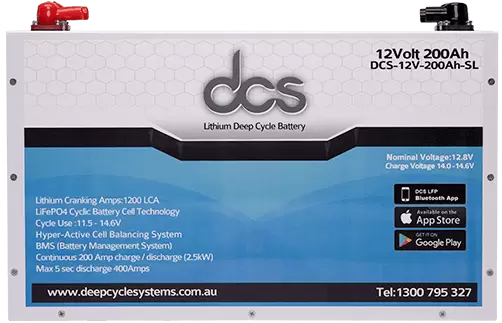
    In the diverse ecosystem of Li-Ion batteries, the 12 Volt Lithium Battery variant stands as a versatile powerhouse, widely adopted in a variety of applications beyond the automotive realm. From powering recreational vehicles (RVs) and boats to serving as reliable energy sources for solar panel systems and emergency backup systems, these batteries are celebrated for their compact size, lightweight design, and efficient power delivery. The adaptability of 12-volt Li-Ion batteries lies in their ability to provide high current for short bursts as well as sustained power for longer periods, making them indispensable for both high-demand applications and everyday use. Their maintenance-free nature, coupled with a resistance to the common pitfalls of traditional lead-acid batteries such as sulfation and acid leakage, further underscores their value. Innovations in Li-Ion technology have enhanced the safety, performance, and lifespan of these batteries, solidifying their position as a preferred choice for powering a wide array of devices and vehicles where reliable, efficient energy is paramount.

    Moving forward, the proliferation of electric vehicles and advancements in renewable energy sectors is anticipated to drive even greater demand and development of the 12-volt Li-Ion battery market. Manufacturers continue to invest heavily in R&D efforts to unlock further potential of this robust battery technology, ultimately to facilitate a seamless energy transition towards a more sustainable future.

    FAQs

    1. What is the typical lifespan of Li-Ion car batteries?

    The lifespan of Li-Ion car batteries can range from 8 to 15 years. Factors such as the frequency of use and adherence to proper maintenance practices play crucial roles in maximizing their longevity.

    2. Are there environmental benefits to using Li-Ion batteries?

    Li-Ion batteries offer a greener alternative to fossil fuels, but they do present environmental challenges, particularly concerning the extraction of raw materials and end-of-life disposal. Ongoing advancements in recycling technologies and efforts to find less harmful material alternatives aim to mitigate these issues.

    3. How effective is the recycling of Li-Ion batteries?

    Recycling processes for Li-Ion batteries are continually improving, allowing for the recovery of important materials like lithium, cobalt, and nickel. This not only reduces the environmental footprint associated with their production but also lessens the demand for new resource extraction.

    Conclusion

    In charting the path toward an electrified, more sustainable mode of transportation and energy consumption, lithium-ion (Li-Ion) batteries stand as a pivotal force. They not only power the vehicles of tomorrow but also symbolize a commitment to eco-friendly and efficient energy solutions. As these batteries evolve, driving innovations like solid-state technology and improved recycling methods, they promise to enhance both the performance of electric vehicles and the sustainability of our energy systems. While challenges in infrastructure and policy development remain, the collective effort of industry leaders, policymakers, and consumers indicates a future where electric mobility and renewable energy are within reach. Through ongoing advancements and a focused approach to overcoming obstacles, Li-Ion batteries are poised to continue their integral role in shaping a cleaner, more efficient world.

    Other Good Articles to Read
    Gabrielle Blogs
    Jason Toff Blogs
    Thumb Blogs
    Blog Shifter
    Social Bookmarking Blogs
    Free Blogs Template
    Blog Solidaire
    Michael Coyne Blog
    Born Free Blog
    Oz Blog Hosting
    Indepth News
    Related Business Listings
    Contact Directory
    Local Business Profiles