Tag: lithium battery

  • How Lithium Ion Battery Changed the Tech World Forever

    How Lithium Ion Battery Changed the Tech World Forever

    Lithium-ion batteries have become essential to our daily lives, powering everything from smartphones to electric cars. But it was sometimes different. A few decades ago, the idea of a rechargeable battery with high energy density and long lifespan seemed like a far-fetched dream. However, the development and widespread adoption of Lithium Ion Battery has revolutionized the tech world, changing how we use and rely on technology in our everyday lives. In this blog post, we’ll explore how these powerful batteries came to be and their impact on our modern world.

    The Birth and Evolution of Lithium Ion Batteries

    Lithium-ion batteries have come a long way since their inception. The journey began in the 1970s when Stanley Whittingham discovered lithium could be used as an effective cathode material in rechargeable batteries. This discovery laid the foundation for developing lithium-ion batteries as we know them today.

    Over the next few decades, researchers and scientists tirelessly worked to improve the performance and safety of lithium-ion batteries. In the 1980s, John Goodenough introduced cobalt oxide as a cathode material, which significantly increased the energy density of these batteries. This breakthrough paved the way for the commercialization of lithium-ion batteries.

    The evolution continued in the 1990s when Akira Yoshino developed the first practical lithium-ion battery that used carbon as the anode material. This made the batteries more stable, efficient, and less prone to overheating.

    Since then, lithium-ion batteries have undergone several advancements, including introducing new cathode materials like nickel, manganese, and aluminum. These innovations have led to even higher energy density and longer battery lifespans.

    Lithium-ion batteries are ubiquitous in our lives, powering our smartphones, laptops, and electric vehicles. The birth and evolution of these batteries have truly revolutionized the tech world, enabling us to stay connected, work remotely, and embrace sustainable transportation options.

    Revolutionizing the Tech Industry: The Power of Lithium Battery

    Lithium Battery has revolutionized the tech industry, harnessing the power to transform our lives and work. Their high energy density and long lifespan have made them essential to our everyday gadgets and devices, fueling the digital revolution.

    With the advent of lithium-ion batteries, smartphones have become powerful mini-computers that fit in the palm of our hands. We can now stay connected, communicate, and access information with unparalleled convenience and speed. These batteries have also enabled the rise of electric vehicles, paving the way for a more sustainable and eco-friendly transportation system.

    In addition to their impact on personal technology, lithium-ion batteries have played a crucial role in powering renewable energy sources. They store excess energy generated by solar panels and wind turbines, providing a reliable and efficient solution for energy storage.

    Furthermore, these batteries have opened up new possibilities in the medical field, powering life-saving devices like pacemakers and implantable defibrillators. They have also revolutionized the aerospace industry, providing power for satellites and space exploration missions.

    Environmental Impact and Sustainability of Lithium Ion Batteries

    Lithium-ion batteries have undoubtedly revolutionized the tech world, but what about their environmental impact and sustainability? It’s an important question, especially as we strive towards a greener and more sustainable future.

    When it comes to environmental impact, the production of lithium-ion batteries does have some drawbacks. For example, lithium extraction can have adverse effects on local ecosystems and water sources. Additionally, the disposal of lithium-ion batteries can be problematic, as they contain toxic materials that can harm the environment if not properly handled.

    However, despite these challenges, lithium-ion batteries also offer some environmental benefits. Their energy density and long lifespan make them more efficient and sustainable than other battery technologies. They have enabled the widespread adoption of renewable energy sources by providing reliable energy storage solutions. This, in turn, reduces our reliance on fossil fuels and helps combat climate change.

    In terms of sustainability, efforts are being made to improve lithium-ion batteries’ recyclability and lifecycle management. Research and development are focused on recovering valuable materials from old batteries and ensuring that they are reused or properly disposed of.

    The Future of Lithium Ion Technology in the Tech World

    As we look towards the future, the potential for lithium-ion technology in the tech world is boundless. The constant advancements and innovation in this field promise to reshape our lives and continue to push the boundaries of what is possible.

    One exciting area of development is the improvement of battery capacity and lifespan. Researchers are working tirelessly to increase the energy density of lithium-ion batteries, allowing them to hold even more power for longer periods. This will revolutionize the capabilities of our devices, enabling us to do more with less charging.

    Another promising avenue is the integration of lithium-ion batteries into wearable technology. Imagine a world where your smartwatch or fitness tracker never runs out of power, allowing you to track your health and stay connected throughout the day seamlessly. The potential for convenience and efficiency in our everyday lives is immense.

    Advancements in Lithium Ion Battery Manufacturing

    As the demand for lithium-ion batteries continues to grow, manufacturers are constantly working on advancements in battery manufacturing techniques. These advancements improve battery performance, energy density, and safety measures.

    One significant advancement in lithium-ion battery manufacturing is the development of new electrode materials. Researchers are exploring silicon as an alternative to graphite for the anode, as silicon has a higher energy storage capacity. This could lead to batteries with even higher energy density and longer lifespan.

    Manufacturers are also focusing on improving the efficiency of the battery production process. Implementing new manufacturing techniques and automation can streamline production and reduce costs. This benefits consumers by making lithium-ion batteries more affordable and supports the scalability of renewable energy systems as the demand for energy storage continues to rise.

    Furthermore, efforts are being made to enhance the safety of lithium-ion batteries. Researchers are developing new materials and designs that minimize the risk of thermal runaway, a major safety concern for these batteries. By incorporating advanced safety features, such as fire-resistant electrolytes and improved thermal management systems, manufacturers are making lithium-ion batteries safer for everyday use.

    Challenges and Limitations in Lithium Ion Battery Development

    While lithium-ion batteries have revolutionized the tech world, they have challenges and limitations. One of the main challenges in lithium-ion battery development is the issue of safety. Lithium-ion batteries can be prone to overheating and catching fire if improperly designed or used. This has led to incidents and recalls in the past, highlighting the need for continued research and improvement in safety measures.

    lithium batteryAnother limitation is the relatively short lifespan of lithium-ion batteries. Over time, the battery’s capacity decreases, reducing performance and requiring more frequent charging. This can be frustrating for users who rely on their devices for long periods or when charging options are limited.

    Furthermore, the production of lithium-ion batteries relies heavily on the availability of certain raw materials, such as lithium and cobalt. The extraction of these materials can have negative environmental impacts and raise concerns about the sustainability of battery production.

    Despite these challenges, researchers and manufacturers are actively working on addressing these limitations. Advances in battery technology, such as developing new electrode materials and improved safety features, aim to overcome these challenges and make lithium-ion batteries safer, more efficient, and longer-lasting.

    The Role of Lithium Ion Batteries in Energy Storage

    Lithium-ion batteries play a vital role in energy storage, revolutionizing how we generate and use electricity. These batteries have become integral to renewable energy systems, providing a reliable solution for storing excess energy generated by solar panels and wind turbines.

    One of the key advantages of lithium-ion batteries in energy storage is their high energy density. They can store large amounts of energy in a relatively small and lightweight package, making them ideal for residential and commercial applications. This energy storage capacity allows for the efficient utilization of renewable energy, ensuring a constant and reliable power supply even when the sun is not shining or the wind is not blowing.

    Additionally, lithium-ion batteries have fast response times, allowing for quick discharge and recharge cycles. This flexibility is crucial in managing the fluctuations in energy demand and supply, helping to stabilize the grid and prevent power outages.

    Moreover, the long lifespan of lithium-ion batteries makes them a cost-effective solution for energy storage. With proper maintenance and management, these batteries can last for many years, providing reliable and sustainable power storage for homes, businesses, and even entire communities.

    FAQs

    Have some burning questions about lithium-ion batteries? Don’t worry; we’ve got you covered. Here are some frequently asked questions to help you understand these incredible power sources:

    1. How do lithium-ion batteries work?

    Lithium-ion batteries move lithium ions between two electrodes, a cathode and an anode, through an electrolyte. During charging, lithium ions move from the cathode to the anode. During discharging, they return to the cathode, creating an electric current that powers our devices.

    2. How long do lithium-ion batteries last?

    The lifespan of a lithium-ion battery depends on various factors, such as usage patterns and operating conditions. On average, a lithium-ion battery can last between 2 to 3 years before its capacity declines. However, with proper care and maintenance, it can last even longer.

    3. Can lithium-ion batteries explode or catch fire?

    While lithium-ion batteries catching fire or exploding incidents have occurred, they are rare. The risk of such incidents can be minimized through proper design, manufacturing, and usage. Manufacturers have implemented safety measures, such as advanced thermal management systems and fire-resistant materials, to reduce the likelihood of these events.

    Conclusion

    Lithium-ion batteries have proven to be a game-changer in a world powered by technology. From smartphones to electric vehicles, these powerful batteries have revolutionized how we live, work, and interact with our environment. The birth and evolution of lithium-ion batteries have paved the way for advancements that were once thought impossible.

    With their high energy density, long lifespan, and fast response times, lithium-ion batteries have transformed our devices into powerful tools that keep us connected, informed, and productive. They have enabled the rise of renewable energy systems, providing a reliable solution for energy storage and reducing our dependence on fossil fuels.

    This Article Was First Published On

    Other Good Articles to Read
    niche blogs connect
    blogs 97
    Blog Stitution
    blogs unplugged
    blogs cotch rouge
    blog signatr
    blog sintonias
    blog zilla
    consumer forums
    finance forums
    g blogs
    too blog
    Local Business Profiles in Australia
    Business Directory Australia
    Business Listings Europe
    Business Directory Europe
  • The Inner Workings of a Lithium Battery – A Complete Guide

    The Inner Workings of a Lithium Battery – A Complete Guide

    Lithium-batteries have become the go-to choice for many consumers and industries when it comes to portable power solutions. These powerful and efficient batteries have revolutionised how we power our devices, vehicles, and homes. In this blog post, we will delve into the mechanics of a lithium battery, explicitly focusing on the structure, advantages, safety measures, cost dynamics, environmental impact, and prospects of these innovative power sources.

    The Basic Structure of a Lithium-Battery

    A lithium-battery comprises three essential components that combine to provide electrical power: an anode, a cathode, and an electrolyte medium. The anode is constructed from lithium metal oxide, which serves as the site for lithium ions to release electrical energy. On the other side, the cathode, made from graphite, is the receiver of these ions during the discharge cycle. Sandwiched between the anode and cathode is the electrolyte, a critical component that facilitates the flow of lithium ions.

    This electrolyte is a solution of lithium salts dissolved in an organic solvent, allowing ions to move freely between the electrodes. This movement of lithium ions from the anode to the cathode through the electrolyte generates electrical energy, powering devices and systems. The interplay between these components is the cornerstone of a lithium-battery’s operation, enabling it to deliver efficient and reliable power across various applications.

    Unveiling the Power of 12-V Lithium-Batteries

    12-V lithium-batteries have carved out a significant niche in various applications, underscored by their remarkable blend of reliability and longevity. These batteries stand out for their unparalleled energy density, enabling them to deliver a substantial amount of power despite their compact and lightweight nature. This feature is particularly beneficial for various uses, from powering recreational vehicles and boats to serving as the heart of off-grid solar systems.

    The advent of 12-V lithium-batteries has heralded a new era in power storage, significantly reducing the need for cumbersome alternatives. Beyond their practical applications, these batteries are also favoured for their robustness and ability to withstand numerous charge cycles without a significant loss in capacity. This resilience enhances their usability in demanding conditions and contributes to their economic viability over time.

    Their capability to maintain a consistent voltage output until fully depleted further sets them apart, ensuring that devices and systems function optimally for more extended periods. Combined with their rapid recharge rate, this attribute positions 12-V lithium-batteries as a preferred choice for ensuring that critical applications remain powered without interruption.

    The Unique Advantages of Lithium Batteries

    Lithium-batteries stand out from the competition due to their superior energy density, enabling them to hold a more significant amount of energy in a more compact and lighter format. This characteristic is particularly advantageous for mobile devices and electric vehicles, where reducing weight without compromising power is critical. Furthermore, these batteries exhibit exceptional longevity, capable of enduring more charges and discharges than their counterparts.

    This resilience extends the operational life of devices and systems they power, presenting a more economical option over time. Lithium batteries demonstrate a low self-discharge rate, meaning they retain their charge longer when not in use, an essential feature for applications requiring reliable power readiness. Their ability to rapidly recharge also contributes to their efficiency, reducing downtime between energy cycles. This combination of attributes makes lithium-batteries a preferred selection for various applications, underpinning their growing prominence in today’s energy-centric world.

    Safety Measures and Best Practices

    While embracing lithium-batteries’ benefits, it is paramount to heed specific safety protocols to avert potential hazards. Ensuring these batteries’ longevity and efficiency involves adhering to guidelines designed to mitigate risks. One critical precaution is to avoid exposure to extreme temperatures; lithium-batteries should not be subjected to high heat or frigid conditions, as such environments can induce chemical instabilities. Equally important is the vigilance against overcharging or deep discharging, which can compromise battery integrity and safety.

    A charger designed explicitly for lithium-batteries is advisable to maintain optimal charging cycles and prevent overheating. Physical care of the batteries is also crucial; they should be kept away from sharp objects and stored in non-conductive containers to prevent short circuits. Regular inspections for any signs of damage, such as swelling, leakage, or unusual odours, are recommended. If such signs are detected, the battery should immediately cease use and be adequately disposed of, adhering to local battery recycling and disposal regulations.Lithium Battery

    The Future of Lithium-Batteries in a Green World

    Lithium-batteries are integral to the advancement towards more eco-friendly energy solutions, marking a significant leap in the journey towards sustainability. Their capacity to efficiently store and release energy harnessed from renewable sources such as solar and wind significantly amplifies the potential for a cleaner, less carbon-dependent future.

    Moreover, the increasing incorporation of these batteries into electric vehicles underscores their pivotal role in diminishing our reliance on fossil fuels, thus contributing to a reduction in global carbon emissions. As technology evolves, efforts are being intensified to make lithium-batteries more environmentally benign. This includes innovations aimed at improving the recyclability of batteries and reducing the environmental footprint associated with their production.

    With ongoing research and development, the materials and processes used in lithium-battery production are becoming more sustainable, paving the way for batteries that are less harmful to the planet and more in line with the principles of the circular economy. This forward momentum is crucial for ensuring that lithium-batteries continue to be a cornerstone of green energy transition, highlighting their growing importance in building a more sustainable world.

    Understanding the Cost Dynamics

    The upfront expenditure on lithium-batteries can be notably higher than that of alternative battery technologies, such as lead-acid. This difference in cost is attributed to the sophisticated manufacturing processes and the high-quality materials required to produce lithium-batteries. However, lithium-batteries often present a more economical choice when evaluating the total cost of ownership. This is due to their extended lifespan and superior efficiency, which translates to fewer replacements and lower operational costs over time.

    Furthermore, as the adoption of lithium-battery technology accelerates globally, economies of scale come into play, gradually reducing manufacturing costs. This trend, coupled with ongoing advancements in battery technology, is expected to make lithium-batteries increasingly accessible. Consequently, while the initial investment may be more significant, lithium-batteries’ long-term savings and benefits can outweigh the initial cost for many users, rendering them a prudent investment for many applications.

    How to Choose the Right Lithium-Battery for Your Needs

    Selecting the appropriate lithium-battery for your specific requirements is crucial to ensure your device’s or system’s optimal performance and longevity. Here are vital considerations to help guide your choice:

    Understand Your Energy Needs

    Gauge your device or application’s energy consumption. This includes calculating the average power usage and determining the peak power demands. A battery with a higher energy density is beneficial for applications requiring a long run time or operating power-intensive devices.

    Consider the Form Factor

    The battery’s physical size and shape should fit your device or installation space. Lithium-batteries come in various form factors, including cylindrical, prismatic, and pouch cells. Ensure the battery’s dimensions and design align with your application’s spatial constraints.

    Evaluate the Charge and Discharge Rates

    Different applications require batteries capable of supporting specific charge and discharge rates. High-rate applications, such as electric vehicles or power tools, necessitate batteries that can handle rapid charging and discharge without degrading quickly. Assess the battery’s C-rate (charge and discharge rate) compatibility with your application.

    Review Safety and Compatibility Features

    Ensure the battery has built-in safety mechanisms, such as protection circuits, to prevent overcharging, over-discharging, and short-circuiting. Additionally, confirm that the battery chemistry and voltage are compatible with your device to avoid potential operational issues.

    The Environmental Impact of 12V Lithium Batteries

    The production and disposal of 12V lithium batteries entail specific environmental concerns that warrant attention. The extraction of lithium and other essential metals, such as cobalt and nickel, involves significant energy consumption. It can lead to land degradation, water pollution, and biodiversity loss in mining areas. These challenges underscore the importance of advancing towards more sustainable mining practices and improving resource use efficiency.

    On the disposal front, whilst lithium-batteries are less polluting than some alternatives, the proper recycling and handling of these batteries at the end of their lifecycle are critical to minimise environmental impact. Recycling processes are being refined to recover valuable materials from spent batteries, reducing the demand for new raw materials and lessening the ecological footprint.

    Additionally, research into alternative materials with lower environmental impacts is ongoing, aiming to replace or reduce the use of critical metals in battery production. These efforts are part of a broader strategy to mitigate the environmental consequences associated with 12-V lithium-batteries, ensuring they responsibly manage their role in the transition to sustainable energy solutions.

    Conclusion

    In synthesising the insights presented, it’s evident that lithium-batteries encapsulate a blend of high efficiency, durability, and potential for environmental sustainability. As technology progresses, their role becomes increasingly crucial across various sectors, from renewable energy storage to electric mobility. However, responsible usage and continued innovations in safety, recycling, and material sourcing remain paramount. Embracing these advancements ensures that lithium-batteries power our present and contribute to a greener, more sustainable future.

    FAQs

    How does a lithium-battery work?

    A lithium-battery moves lithium ions from the negative electrode (anode) to the positive electrode (cathode) during discharge and back when charging. This movement generates electrical energy. The electrolyte within the battery facilitates the flow of ions, while the separator prevents the electrodes from coming into direct contact.

    What are the advantages of a lithium-battery over other types of batteries?

    Lithium-batteries offer several advantages over traditional batteries, such as lead-acid or nickel-cadmium. These benefits include a higher energy density, longer cycle life, faster charging times, lower self-discharge rates, and lighter weight. These characteristics make lithium-batteries more efficient and suitable for modern technological demands.

    Are there any safety concerns with using a lithium battery?

    While a lithium battery is generally safe, it can pose safety risks if improperly handled or damaged. Overcharging, overheating, or physical damage can lead to thermal runaway, potentially causing fires or explosions. Proper usage, including certified chargers and avoiding extreme temperatures, can mitigate these risks.

    How should a lithium-battery be maintained for optimal performance?

    To maintain a lithium-battery for optimal performance, it is recommended to avoid deep discharges and keep it within a moderate charge range (typically 20-80%). Storing a lithium-battery in a cool, dry place and using compatible chargers also helps prolong its lifespan.

    What are the environmental impacts of a lithium-battery?

    A lithium-battery has a lower environmental impact than fossil fuel-based energy sources. However, mining lithium and other materials can be environmentally intensive. Recycling programs and advancements in battery technology are crucial to minimizing the environmental footprint of lithium-batteries, making them more sustainable in the long run.

    Other Good Articles to Read
    Gabrielle Blogs
    Jason Toff Blogs
    Thumb Blogs
    Blog Shifter
    Social Bookmarking Blogs
    Free Blogs Template
    Blog Solidaire
    Michael Coyne Blog
    Born Free Blog
    Oz Blog Hosting
    Indepth News
    Related Business Listings
    Contact Directory
    Local Business Profiles


  • Get Charged Up! The Incredible Benefits Of Lithium Battery Technology

    Get Charged Up! The Incredible Benefits Of Lithium Battery Technology

    Are you looking for a powerful, reliable, and eco-friendly energy source? Look no further than Lithium Battery technology! Lithium batteries are quickly becoming the go-to choice for a wide variety of industries due to their impressive performance and safety benefits. That blog post will explore the incredible advantages of battery of lithium technology and why it’s the perfect solution for your energy needs.

    What Are Lithium Batteries?

    Lithium batteries, also known as lithium-ion batteries, are rechargeable power sources that use lithium ions to store and release energy. They are the preferred choice for a wide range of applications due to their numerous advantages over traditional batteries. What sets lithium batteries apart is their high energy density, which means they can store more power in a smaller and lighter package.

    That makes them perfect for portable devices like smartphones, laptops, and electric vehicles, as they provide longer-lasting power without weighing you down. Another significant advantage of lithium batteries is their low self-discharge rate. Unlike other batteries that lose their charge over time, lithium batteries retain their energy for longer periods, making them more reliable and convenient.

    Additionally, lithium batteries have a longer lifespan compared to other battery types, with the ability to withstand hundreds, if not thousands, of charge-discharge cycles. These batteries are also much safer than traditional options, thanks to their built-in safety mechanisms that prevent overcharging and overheating.

    A Brief History Of Battery Of A Lithium Technology

    Battery of lithium technology has come a long way since its inception. The first battery of lithium was developed in the 1970s, but it wasn’t until the 1990s that it gained significant popularity. Sony Corporation commercialized the first lithium-ion battery, which quickly became the industry standard. Since then, battery of lithium technology has continued to evolve and improve.

    Researchers have made advancements in the design and composition of lithium batteries, resulting in higher energy densities, longer lifespans, and improved safety features. One of the key milestones in the history of battery of lithium technology was the development of the lithium iron phosphate (LiFePO4) battery in the early 2000s. That type of battery of lithium offers improved stability, thermal tolerance, and lifespan, making it suitable for applications like electric vehicles and renewable energy storage.

    Today, lithium batteries have become an integral part of your daily lives. They power your smartphones, laptops, electric vehicles, and even homes and businesses. With ongoing research and development, you can expect advancements that are even more exciting in battery of lithium technology in the future, leading to more efficient and sustainable energy solutions for all. The history of battery of lithium technology is a testament to human ingenuity and your relentless pursuit of cleaner and more efficient energy sources.

    How Does A Lithium Ion Battery Work?

    Lithium-ion batteries may seem like magical little powerhouses, but they work through a series of complex processes. Let’s break it down in simple terms! At the heart of a Lithium Ion Battery are two electrodes: the cathode and the anode. These electrodes are separated by a thin membrane, called the separator, and immersed in an electrolyte solution. When you connect the battery to a device, the magic begins.

    During charging, lithium ions from the cathode move through the electrolyte and the separator, where they are stored in the anode. That creates a flow of electrons that can be harnessed as electrical energy to power your devices. When you use your device, the process is reversed. The stored lithium ions flow back to the cathode, creating a flow of electrons in the opposite direction. That provides the power needed to operate your device.

    The efficiency of a lithium-ion battery lies in the ability of the lithium ions to move freely between the electrodes. That enables the battery to be recharged and discharged multiple times without losing capacity. So, in a nutshell, lithium-ion batteries work by transferring lithium ions between the cathode and anode to create electrical energy. That simple yet intricate process is what makes lithium batteries such a powerful and reliable energy source.

    Advantages Of Lithium Batteries Over Traditional Batteries

    Lithium batteries offer a multitude of advantages over traditional batteries, making them the clear choice for a wide range of applications. One of the key advantages is their high energy density, which means they can store more power in a smaller and lighter package. That makes them ideal for portable devices like smartphones and laptops, where lightweight and long-lasting power are essential.

    Additionally, lithium batteries have a low self-discharge rate, meaning they retain their energy for longer periods compared to other batteries. That makes them more reliable and convenient, as you don’t have to constantly worry about recharging or replacing them. Furthermore, lithium batteries have a longer lifespan, able to withstand hundreds, if not thousands, of charge-discharge cycles.

    That not only saves you money in the long run, but it also reduces waste and promotes a more sustainable energy solution. Lastly, lithium batteries have built-in safety mechanisms that prevent overcharging and overheating, making them much safer than traditional battery options. That ensures peace of mind, especially in applications where safety is a top priority.

    Applications Of Lithium Batteries

    Lithium batteries have become a game-changer in numerous industries due to their exceptional performance and versatility. From portable electronics to renewable energy storage, these batteries have a wide range of applications that continue to expand. In the consumer electronics world, lithium batteries power smartphones, laptops, tablets, and wearable devices.

    Their high energy density allows for longer usage times and faster charging, making them a popular choice for individuals on the go. Lithium batteries have also revolutionized the transportation industry, particularly with electric vehicles (EVs). Their ability to store large amounts of energy in a compact package enables longer driving ranges and faster acceleration.

    EV manufacturers are rapidly adopting lithium batteries as they offer cleaner and more efficient alternatives to traditional internal combustion engines. Lithium batteries play a crucial role in renewable energy storage. They are utilized in residential and commercial applications to store excess energy generated from solar panels or wind turbines. That stored energy can be used during high demand or when the renewable energy source is not actively producing power.

    In the medical field, lithium batteries are used in various devices such as pacemakers, hearing aids, and insulin pumps. These batteries provide reliable power and have longer lifespans, reducing the need for frequent replacements. The applications of lithium batteries continue to grow as technology advances. From aerospace to marine industries, these batteries are being integrated into a wide array of systems.

    Future Of LI Battery Technology And Research Advancementslithium battery

    As technology continues to advance at a rapid pace, so does the future of battery of lithium technology. Researchers and engineers are constantly working to push the boundaries of what lithium batteries can do, and the possibilities are truly exciting.

    • One of the key areas of focus for future research is increasing the energy density of lithium batteries. By finding ways to store even more power in a smaller package, you can expect longer battery life for your devices and vehicles. That would mean less frequent charging and more convenience for consumers.
    • Another area of research is improving the charging speed of lithium batteries. Imagine being able to fully charge your smartphone in just a few minutes or quickly refuel an electric vehicle. Researchers are exploring new materials and technologies to make that a reality.
    • Additionally, the development of more sustainable and environmentally friendly battery of lithium technologies is a major focus. That includes exploring alternative materials for the battery’s electrodes and electrolytes, as well as finding ways to recycle and repurpose lithium batteries at the end of their lifespan.

    The future of battery of lithium technology holds immense potential. As research and advancements continue, you can expect even more efficient, powerful, and eco-friendly energy solutions that will shape your lives and industries for years to come. So, get ready to be amazed by what the future holds for battery of lithium technology!

    Innovations In Li Battery Design And Performance

    As technology continues to evolve, so does the design and performance of lithium batteries. Innovations in battery of lithium technology are constantly pushing the boundaries of what these powerhouses can achieve. Engineers and researchers are dedicated to enhancing their efficiency, reliability, and overall performance.

    One of the key areas of innovation is improving the energy density of lithium batteries. By finding ways to store even more power in a smaller and lighter package, devices can last even longer without needing a recharge. That means less downtime and more convenience for users.

    Another area of focus is enhancing the charging speed of lithium batteries. Rapid charging technologies are being developed to reduce charging times significantly. Imagine being able to charge your device or electric vehicle in just a matter of minutes!

    In addition to these advancements, researchers are exploring new materials and designs for lithium batteries to improve their lifespan, durability, and safety features. They are also investigating ways to make battery of lithium technology more sustainable and environmentally friendly.

    FAQs

    Do you have some burning questions about lithium batteries? Don’t worry, we’ve got you covered! Here are some frequently asked questions to help shed some light on that incredible technology.

    Q: Are lithium batteries safe to use?

    A: Absolutely! Lithium batteries are designed with built-in safety mechanisms to prevent overcharging and overheating. That makes them much safer than traditional battery options.

    Q: How long do lithium batteries last?

    A: Lithium batteries have a longer lifespan than other battery types, with the ability to withstand hundreds, if not thousands, of charge-discharge cycles. That means they can serve you for a long time without losing their capacity.

    Q: Can lithium batteries be recycled?

    A: Yes, lithium batteries can and should be recycled. Many recycling centres and battery retailers accept used lithium batteries for recycling. That helps reduce waste and promotes a more sustainable energy solution.

    Q: Can I use lithium batteries in extreme temperatures?

    A: While lithium batteries are generally more tolerant of extreme temperatures compared to other batteries, it’s best to consult the manufacturer’s guidelines to ensure optimal performance and safety in specific temperature ranges.

    Q: Can I use lithium batteries in any device?

    A: Lithium batteries are versatile and can be used in a wide range of devices, from portable electronics to electric vehicles. However, it’s essential to check the specifications and compatibility requirements for your specific device before using lithium batteries.

    Conclusion

    In a world that increasingly relies on portable devices and sustainable energy solutions, battery of lithium technology has emerged as a game-changer. With their high energy density, longer lifespan, and improved safety features, lithium batteries offer an incredible range of benefits over traditional batteries. Lithium batteries have revolutionized industries such as consumer electronics, transportation, renewable energy storage, and even the medical field.

    Other Good Articles to Read
    blogs rain
    Cme Blog Spot
    Garcias Blogs
    Yyc Blogs
    Guiade Blogs
    Blogs-Hunt
    Impact-Blog
    Smarty Blogs
    Ed Blog
    Mo Blogs
    Blogs Em
    blogs t
  • Advanced Lithium Battery | Reliable Power Solutions

    Advanced Lithium Battery | Reliable Power Solutions

    Batteries have become integral to our modern lives, powering everything from smartphones to electric vehicles. Batteries have emerged as a key player in meeting these needs as the demand for reliable power solutions continues to grow. In this blog post, we will explore the rise of Batteries in modern technology, their role in renewable energy systems, and how they are driving the electric vehicle revolution. We will also discuss advancements in Lithium Battery technology, safety and maintenance tips, and the economic impact of Batteries, and address some frequently asked questions.

    The Rise of Batteries in Modern Technology

    The ascent of Batteries in the technological sphere marks a significant milestone in the evolution of energy storage systems. Initially, Batteries found their niche in small, portable electronics, offering a lightweight and long-lasting power source that was unparalleled at the time. Their unique properties quickly catapulted them into the limelight, making them a preferred choice for powering various devices, from mobile phones to laptops. This surge in popularity was not merely due to their superior energy density but also their resilience and reliability in performance. As the digital age advanced, so did the applications of Batteries, expanding their reach into more demanding sectors such as medical devices, aerospace, and defense. The critical turning point came with their integration into electric vehicles (EVs) and renewable energy storage solutions, setting the stage for a revolution in how we view and utilize energy. This widespread adoption underscores the transformative impact of Batteries on modern technology, pushing the boundaries of innovation and enabling the development of greener, more efficient energy systems.

     Lithium BatteryLithium Batteries

    Lithium Batteries stand at the forefront of energy storage solutions and are known for their high energy density and long lifecycle compared to traditional battery technologies. These batteries utilize lithium ions, moving from the negative to the positive electrode during discharge and back when charging. This process contributes to their efficiency and ability to provide a stable power source for various applications. One of the critical advantages of Batteries is their relatively low self-discharge rate, which makes them ideal for use in devices that require long-term, reliable power. Additionally, they can operate effectively across various temperatures, further enhancing their versatility. Batteries also have a significant advantage in scalability, powering small gadgets as efficiently as they can power an electric vehicle or act as storage in renewable energy systems. This adaptability has made them essential in advancing technology across various sectors, from portable electronics to large-scale energy projects. Their role in powering the future cannot be understated, as research and development efforts continue to unlock even greater potentials within this technology.

    The Role of Batteries in Renewable Energy Systems

    Batteries have carved out a pivotal role within renewable energy systems, primarily due to their high efficiency and energy density. These attributes make them indispensable in storing excess energy generated from renewable sources such as solar and wind. Unlike traditional energy sources that can be predictably managed to meet demand, renewable sources are inherently variable. Batteries address this challenge by capturing surplus energy during peak production times and storing it when production falls, such as during night-time for solar power or periods of low wind. This capability stabilizes the energy grid and maximizes the utility of renewable energy installations, ensuring a constant and reliable energy supply. Moreover, the modular nature of Lithium-Battery systems allows for scalability, enabling both small home systems and large utility-scale projects to benefit from efficient energy storage. The integration of Batteries into renewable energy systems is a critical step towards achieving a sustainable, low-carbon energy future, facilitating a seamless transition from fossil fuels to renewables by overcoming intermittency issues and enhancing grid stability.

    Batteries Driving the Electric Vehicle Revolution

    The electric vehicle (EV) revolution is accelerating, with Batteries pivotal in this transformative era. As the heart of EVs, these batteries offer the high energy density required to achieve longer driving ranges without frequent recharging, addressing one of the most significant barriers to EV adoption. Furthermore, their rapid charging capabilities enable more practical and convenient use of electric vehicles, mimicking the refueling times of traditional gasoline vehicles more closely than ever before. The advancement in Lithium-Battery technology has also contributed to reducing the overall cost of electric cars, making them more accessible to the general public and encouraging a shift away from fossil-fuel-dependent transportation. This transition is vital for reducing greenhouse gas emissions and combating climate change. As automakers continue to innovate and invest in electric models, Batteries are undoubtedly fueling the journey towards a more sustainable, emission-free mobility landscape, underpinning the electric vehicle revolution with unparalleled efficiency and performance.

    Advancements in Lithium-Battery Technology

    The evolution of Lithium-Battery technology has been marked by significant milestones that enhance performance, safety, and environmental sustainability. Innovators in the field have focused on developing new materials and chemistries to increase energy density, allowing batteries to store more power in the same space. One breakthrough is the development of solid-state Batteries, which replace the liquid electrolyte with a solid, offering the potential for higher energy densities and eliminating risks of leaks and fires. Additionally, advancements in electrode materials have led to batteries that can endure more charge-discharge cycles, extending their lifespan.

    Researchers are also exploring ways to decrease charging times without compromising battery life, aiming to make electric vehicles and devices more convenient for users. Another critical area of development is the reduction of cobalt in Batteries, a material that is both expensive and sourced under conditions that have raised ethical concerns. By finding alternative materials or reducing the cobalt content in Batteries, manufacturers aim to lower costs and improve the sustainability of battery production.

    Progress in recycling technologies is addressing the end-of-life aspect of Batteries, ensuring that valuable materials can be recovered and reused, reducing the need for new raw materials and minimizing environmental impact. These advancements collectively represent a leap forward in making Batteries more efficient, durable, affordable, and environmentally friendly, holding the promise of an even more electrified future.

    12V Lithium Batteries

    12V Lithium Batteries have carved a niche for themselves in the world of portable and stationary power sources thanks to their compact size and robust performance. Often used in applications ranging from marine and recreational vehicles to off-grid solar power systems, these batteries are praised for their lightweight nature and superior efficiency over traditional lead-acid batteries. The 12V designation makes them particularly suitable for a wide array of everyday applications, ensuring compatibility and ease of integration into existing systems. What sets these batteries apart is their ability to deliver consistent power output even under varying load conditions, making them highly reliable for critical applications. Additionally, their deep discharge capabilities allow users to maximize the usage of available power without the detrimental effects on lifespan commonly associated with deep cycling in other battery types. This, combined with their rapid recharge rate, positions 12V Batteries as a versatile and indispensable tool in achieving energy independence and efficiency in various settings, from emergency backup systems to everyday convenience devices, underscoring their pivotal role in the broader adoption of Lithium-Battery technology.

    Safety and Maintenance Tips for Batteries

    Ensuring the longevity and safety of Batteries is paramount for their effective use in various applications. To maintain these power sources properly, users should adhere to specific guidelines. Firstly, avoid exposing Batteries to extreme temperatures, as excessive heat can degrade their performance and capacity, while extreme cold can temporarily reduce their output. It’s also crucial to prevent overcharging or deep discharging, as this can harm the battery’s health; utilizing a charger specifically designed for Batteries is advisable. For devices or vehicles that will not be used for an extended period, store the batteries at a 50% charge state in a cool, dry place to preserve their lifespan. Regularly check for any signs of damage or bulging, which could indicate a need for replacement or professional inspection. Keeping the battery and its contacts clean and free from dust and corrosion also aids in maintaining optimal performance. Lastly, when disposing of Batteries, follow local regulations and recycling programs to ensure environmental safety. Following these tips will help maximize the efficiency and lifespan of Batteries, ensuring they remain a reliable power source for various needs.

    The Economic Impact of Batteries

    The global economy is witnessing a significant transformation, primarily fueled by the rapid adoption of Batteries across various sectors. This shift is not only promoting sustainable energy sources but is also creating new markets and job opportunities. Batteries’ production, development, and recycling contribute to economic growth by driving investments in technology and manufacturing sectors. As the demand for electric vehicles, renewable energy storage, and portable electronics continues to soar, the Lithium-Battery industry is poised for unprecedented expansion. This growth trajectory stimulates advancements in material science and engineering, further attracting venture capital and government funding to innovative battery projects.

    Moreover, the need for lithium and other associated materials has sparked interest in mining and extraction industries, although it also raises concerns about resource scarcity and environmental impact. Significantly, the shift towards Lithium-Battery technologies is reducing dependence on fossil fuels, potentially leading to cost savings on a global scale due to decreased oil consumption. As the industry evolves, the economic impact of Batteries will undoubtedly play a crucial role in shaping a more energy-efficient and sustainable global economy.

    FAQs

    Can Batteries be recycled?

    Yes, Batteries can be recycled, and doing so is increasingly important to manage resources sustainably and minimize environmental impact. Advances in recycling technologies have improved the efficiency of recovering valuable materials, including lithium, cobalt, and nickel, which can be reused in new batteries.

    Are Batteries safe for everyday use?

    Batteries are generally safe for use in a wide range of devices and applications, provided they are manufactured to high standards and used according to guidelines.

    How long do Batteries last?

    The lifespan of Batteries varies depending on their type, usage, and maintenance. On average, lithium-ion batteries used in consumer electronics can last between 2 to 3 years or about 300 to 500 charge cycles.

    Conclusion

    In summary, Batteries represent a transformative technology that is not only driving innovation across various industries but also playing a pivotal role in ushering in a more sustainable and efficient future. From powering the next generation of electric vehicles to enabling the widespread adoption of renewable energy systems, the impact of Batteries is profound. Advances in technology continue to enhance their performance, safety, and environmental sustainability, making them a cornerstone of modern energy solutions. As we navigate the challenges of climate change and the transition towards greener energy sources, the importance of Batteries cannot be overstated. Embracing these advancements and addressing the associated economic and environmental considerations will be crucial in maximizing their potential benefits. With continued innovation and responsible management, Batteries are set to empower our future with reliable power solutions that promise to reshape our energy landscape for the better.

    Other Good Articles to Read
    Blogs Rain
    Cme Blog Spot
    Garcias Blogs
    Yyc Blogs
    Guiade Blogs
    Blogs-Hunt
    Impact-Blog
    Smarty Blogs
    Mo Blogs
    Blogs Em
    Blogs T
    Related Business Listings
    Contact Directory
    Local Business Profiles
  • Exploring the Advantages of lithium battery

    Exploring the Advantages of lithium battery

    Lithium batteries are revolutionizing the way we power our devices. They are lightweight, long-lasting, and environmentally friendly. In this blog post, we will explore the advantages of lithium battery, including their superior energy density, fast recharge times, and greater safety compared to traditional lead-acid and nickel-cadmium batteries. By understanding the power of lithium, you can make informed decisions about the best type of battery for your needs.

    The Rise Of Lithium Ion Batteries

    Lithum ion batteries have recently experienced a remarkable rise in popularity, becoming the go-to choice for powering our devices. This rise can be attributed to several key factors that have revolutionized the battery industry. One major reason for the rise of lithium ion batteries is their incredible energy density. Unlike traditional lead-acid or nickel-cadmium batteries, lithium ion batteries pack much more power into smaller and lighter packages. This allows for greater energy storage in smartphones, laptops, and electric vehicles, making them more efficient and longer-lasting.

    Another factor driving the rise of lithium ion batteries is their impressive cycle life. These batteries have a significantly longer lifespan than their predecessors, so they can endure more charge and discharge cycles before losing capacity. This translates to a longer-lasting battery that doesn’t need to be replaced as frequently, saving both money and resources.

    What Makes Lithium Ion Battery So Popular?

    Lithium ion batteries have become incredibly popular in recent years, and it’s not hard to see why. Lithium ion battery offers many advantages, making them the top choice for powering our devices. One key factor driving the popularity of lithium ion batteries is their superior performance. Lithium ion batteries offer higher energy density than traditional lead-acid or nickel-cadmium batteries, meaning they can store more power in a smaller and lighter package.

    Another reason lithium ion batteries’ popularity is their impressive cycle life. These batteries can endure many more charge and discharge cycles before losing capacity compared to other types of batteries. This means they have a longer lifespan and don’t need to be replaced as frequently, saving both money and resources in the long run. Additionally, lithium ion batteries offer fast charging times, which is a major convenience in our fast-paced world. With quick recharge capabilities, you don’t have to wait around for hours to use your devices again.

    The Advantages Of Lithium Ion Batteries

    Lithium ion batteries offer many advantages, making them the preferred choice for powering our devices.

    High Energy Density

    One major advantage is their high energy density, which means they can store significant power in a compact and lightweight package. This makes them perfect for portable devices like smartphones, laptops, and electric vehicles, as they provide longer-lasting power and increased efficiency.

    Impressive Cycle Life

    Another advantage of lithium ion batteries is their impressive cycle life. These batteries can endure many more charge and discharge cycles before losing capacity compared to other types of batteries. This means they have a longer lifespan and don’t need to be replaced as frequently, saving both money and resources in the long run.

    Fast Charging Times

    Furthermore, lithium ion batteries offer fast charging times, making them highly efficient. With quick recharge capabilities, you don’t have to wait around for hours to use your devices again. This is especially beneficial for busy individuals who rely on their devices for work or communication.

    Safe And Eco-Friendly

    In addition to their technical advantages, lithium ion batteries are safe and eco-friendly. They don’t contain harmful heavy metals or toxic chemicals like lead-acid or nickel-cadmium batteries do. This makes lithium ion batteries a cleaner and more sustainable choice for the environment.

    High Energy Density: The Power-Packed Battery

    Thanks to their high energy density, lithium batteries are the powerhouses of the battery world. What exactly does that mean? Well, lithium batteries can pack significant power into a compact and lightweight package. In other words, they can store more energy in a smaller space than traditional batteries.

    This high energy density makes lithium batteries the go-to choice for portable devices like smartphones, laptops, and electric vehicles. With a lithium-battery, you can expect longer-lasting power and increased efficiency. Imagine using your smartphone all day without worrying about constantly recharging it, or driving your electric vehicle for miles and miles on a single charge. That’s the power of lithium!

    Long Life Span: Making The Battery Last

    Lithium batteries are not only powerful, but they also have an impressive long lifespan that sets them apart from traditional batteries. These batteries are built to last, with the ability to endure numerous charge and discharge cycles without losing capacity. This means that they can provide reliable power for a much longer than other types of batteries. With a longer lifespan, lithium batteries reduce the need for frequent battery replacements. This saves you money and minimizes the environmental impact of battery disposal. Using lithium batteries can contribute to a more sustainable future by reducing electronic waste.

    Fast Charging Time: Efficiency At Its Best

    When it comes to powering our devices, time is of the essence. That’s why the fast charging time of lithium batteries is a game-changer. With their quick recharge capabilities, you don’t have to wait around for hours to use your devices again. Whether you’re in a rush to get to work or eager to use your smartphone, lithium batteries have got your back.

    The efficiency of fast charging times goes hand in hand with our increasingly fast-paced lifestyles. We are constantly on the go, and our devices must keep up. With lithium batteries, you can recharge your smartphone or laptop in a fraction of the time it would take with traditional batteries. This means less downtime and maximum productivity.

    Not only do fast charging times save us time and frustration, but they also contribute to a more efficient and sustainable future. By reducing the time it takes to recharge our devices, we can minimize energy consumption and reduce our carbon footprint. It’s a win-win situation for both us and the environment.

    Safe And Eco-Friendly: A Sustainable Choice

    As we become more conscious of our environmental impact, the importance of choosing sustainable options has never been greater. That’s where lithium batteries come in. Not only are they powerful and efficient, but they are also safe and eco-friendly, making them a sustainable choice for powering our devices.

    One of the major advantages of lithium batteries is that they do not contain harmful heavy metals or toxic chemicals like lead-acid or nickel-cadmium batteries do. This means that when it comes time to dispose of or recycle these batteries, they have a much lower environmental impact. You are actively reducing your carbon footprint by choosing lithium batteries and contributing to a cleaner, greener future.

    lithium batteryThe Future Of Lithium Batteries

    As we look ahead to the future, it’s clear that lithium batteries have a significant role. Rapid technological advancements and the growing demand for more efficient and sustainable power sources have propelled lithium batteries into the spotlight. And the best part? This is just the beginning. The future of lithium batteries holds immense potential for even greater innovations and improvements. With ongoing research and development, we can expect to see energy density advancements, allowing even more power to be packed into smaller and lighter batteries. This means longer-lasting smartphones, laptops, and electric vehicles that can go farther on a single charge.

    FAQs

    1. Are Lithium Batteries Safe?

    Absolutely! Lithium batteries are known for their built-in safety features that protect against overcharging, overheating, and short-circuiting. This reduces the risk of accidents or damage, giving you peace of mind when using these batteries.

    2. How Long Do Lithium Batteries Last?

    Lithium batteries have an impressive lifespan compared to other types of batteries. They can endure numerous charge and discharge cycles before losing capacity. This means they provide reliable power for longer, reducing the need for frequent battery replacements.

    3. Can I Charge A Lithium Battery With Any Charger?

    While lithium batteries are generally compatible with a wide range of chargers, it’s always best to use the charger specifically designed for your battery. This ensures optimal charging performance and longevity.

    4. Can I Recycle Lithium Batteries?

    Yes! Lithium batteries can and should be recycled to minimize their environmental impact. Many recycling centers accept lithium batteries, so dispose of them properly.

    Conclusion

    In this blog post, we have explored the power and advantages of lithium batteries. From their high energy density to their long lifespan and fast charging times, lithium batteries have revolutionized how we power our devices. They are lightweight, efficient, and environmentally friendly, making them the preferred choice for various applications.

    Other Good Articles to Read
    Blogs-Nation
    Blogs-Peoples
    Bryan Smith Blogs
    intellect blogs
    the fault in our blogs
    blogs eu
    oz forums
    recruitment blogs
    zet blogs
    id blogs
    Blog Studio legale
    blogs map
    Local Business Profiles in Australia
    Business Directory Australia
    Business Listings Europe
    Business Directory Europe
  • Power Up Your Electronic Device with a Lithium Battery Pack

    Power Up Your Electronic Device with a Lithium Battery Pack

    Are you tired of constantly searching for a power outlet or worrying about your device running out of juice? Look no further, because a lithium battery pack is here to save the day! Whether you’re constantly on the go or simply want the convenience of a portable power source, a battery pack is a must-have accessory for all your devices. 

    Pivotal Benefits of Using Lithium Battery

    A Lithium battery offers a multitude of pivotal benefits that make it a superior choice for powering your devices. Firstly, they boast a high energy density, meaning they can store a significant amount of power in a compact and lightweight package. It makes them perfect for on-the-go use, ensuring you never have to worry about running out of battery in the middle of an important task or adventure.

    Additionally, lithium batteries have an extended lifespan compared to other battery types. With a lower self-discharge rate and the ability to withstand numerous charge cycles without losing capacity, they provide consistent and reliable power for an extended period of time. Say goodbye to constantly replacing batteries and hello to long-lasting performance.

    Moreover, lithium batteries are renowned for their fast charging capabilities. You’ll no longer have to wait for hours to recharge your devices; instead, you can quickly and efficiently power up and get back to your activities in no time.

    Making a Smart Choice: Comparing Lithium Battery with Other Types

    When it comes to choosing a battery for your devices, it’s important to make a smart choice. While there are several types of batteries available in the market, lithium batteries stand out for their exceptional performance and reliability.

    Compared to other types of batteries, such as alkaline or nickel-cadmium, lithium batteries offer a range of advantages. One key benefit is their high energy density, which means they can store more power in a smaller and lighter package. It makes them ideal for portable devices, where space and weight are crucial considerations.

    Another important factor to consider is the lifespan of the battery. Lithium batteries have a longer lifespan compared to other types. They can withstand numerous charge cycles without losing capacity, providing consistent power for a longer period of time. It means fewer battery replacements and more cost savings in the long run.

    Additionally, lithium batteries have a lower self-discharge rate, meaning they can hold their charge for longer periods of time when not in use. It makes them a reliable choice, ensuring your devices are always ready when you need them.

    Safety Measures while Using Lithium Batteries

    Lithium batteries are a powerful and convenient way to keep our devices charged and ready to go. However, it’s important to be aware of safety measures while using these batteries to ensure their proper function and avoid any potential hazards.

    First and foremost, always use the recommended charger for your lithium battery pack. Using a charger that is not compatible or approved can lead to overheating or even explosions. It’s crucial to follow the manufacturer’s instructions and use the charger specifically designed for your battery pack.

    Additionally, avoid exposing lithium batteries to extreme temperatures. High temperatures can cause the battery to overheat, while low temperatures can decrease its performance. Store your battery pack in a cool, dry place and avoid leaving it in direct sunlight or in a hot car.

    When transporting your lithium battery pack, make sure to protect it from any physical damage. Avoid dropping or crushing the battery pack, as it can result in leakage or even a fire. It’s also recommended to keep your battery pack in a protective case or pouch to prevent any accidental damage.

    Charging Lithium Batteries: Best Practices

    Charging your lithium batteries properly is essential to ensure their longevity and optimal performance. Here are some best practices to keep in mind when charging your lithium batteries:

    1. Use the right charger: Always use the charger that is specifically designed for your lithium battery pack. Using an incompatible charger can damage the battery or even lead to accidents. It’s crucial to follow the manufacturer’s instructions and use the recommended charger.
    2. Avoid overcharging: While lithium batteries have built-in protection circuits, it’s still important to avoid overcharging them. Overcharging can cause overheating and reduce the lifespan of the battery. Once your battery is fully charged, unplug it from the charger to prevent overcharging.
    3. Don’t drain the battery completely: Lithium batteries perform best when they are kept within a certain charge range. Avoid draining the battery completely before recharging it. It’s recommended to recharge the battery when it reaches around 20-30% capacity to maintain its overall health.
    4. Keep an eye on the temperature: Extreme temperatures can impact the performance and lifespan of lithium batteries. Avoid charging them in excessively hot or cold environments. It’s best to charge the battery at room temperature to ensure safe and efficient charging.


    Long-lasting and Environmentally-friendly

    When it comes to choosing a battery for your devices, longevity and environmental impact are two key factors to consider. Luckily, lithium batteries excel in both areas, making them a top choice for the environmentally-conscious consumer.

    One of the standout features of lithium batteries is their long-lasting performance. Unlike other battery types that may degrade over time or lose capacity after multiple charge cycles, lithium batteries are designed to last. With their lower self-discharge rate and ability to withstand numerous charge cycles, you can count on a lithium battery to provide consistent power for a longer period of time. This means fewer battery replacements and less waste in the long run.

    Additionally, lithium batteries are more environmentally-friendly compared to other battery types. They are made with non-toxic materials, which reduces their impact on the environment when disposed of properly. Furthermore, lithium batteries can be recycled, allowing for the recovery of valuable resources and reducing the need for raw materials. By choosing lithium batteries, you are making a conscious choice to reduce your carbon footprint and contribute to a more sustainable future.

    Enhancing Device Performance with Lithium Batteries

    When it comes to maximizing the performance of your devices, lithium batteries are the way to go. These powerful batteries not only provide reliable and long-lasting power, but they also enhance the overall performance of your devices. 

    One of the key ways that lithium batteries enhance device performance is through their high energy density. With their ability to store a large amount of power in a compact package, lithium batteries ensure that your devices can operate at their full potential. Whether you’re using a smartphone, laptop, or camera, you can expect faster processing speeds, smoother performance, and quicker response times with a lithium battery.

    Additionally, lithium batteries are known for their fast charging capabilities. It means that your devices can be charged up and ready to go in no time, allowing you to stay productive and connected throughout the day. No more waiting around for hours for your devices to charge.

    Innovations in Lithium Battery Technology

    Lithium battery technology has come a long way, and continues to evolve with exciting innovations. Manufacturers are constantly pushing the boundaries to improve the performance and efficiency of lithium batteries, making them even more reliable and powerful.

    One significant innovation is the development of solid-state lithium batteries. Unlike traditional lithium-ion batteries, which use liquid electrolytes, solid-state batteries use solid electrolytes. This makes them safer, as they are less prone to overheating and thermal runaway. Solid-state batteries also offer higher energy densities, meaning they can store more power in a smaller package.

    Another exciting development is the introduction of lithium-sulfur batteries. These batteries have the potential to provide even higher energy densities than lithium-ion batteries. Additionally, sulfur is a more abundant and environmentally friendly material, making lithium-sulfur batteries a promising solution for sustainable energy storage.

    FAQs

    Q: Are lithium batteries safe to use?

    A: Yes, lithium batteries are safe to use when handled properly. Just make sure to follow safety measures such as using the recommended charger, avoiding extreme temperatures, and not disassembling the battery pack.

    Lithium BatteryQ: How long do lithium batteries last?

    A: Lithium batteries have a longer lifespan compared to other types of batteries. They can withstand numerous charge cycles without significant loss of capacity, providing consistent power for a longer period of time.

    Q: Can I use a lithium battery pack to charge different devices?

    A: Absolutely! battery packs are versatile and can be used to charge a wide range of devices such as smartphones, laptops, cameras, and portable chargers. Just make sure to use the appropriate cables and adapters.

    Conclusion

    In a world where our devices have become essential for both work and play, having a reliable power source is crucial. And that’s where battery packs come in. These portable powerhouses offer a multitude of benefits that make them the perfect companion for all your devices.

    Other Good Articles to Read
    Gabrielle Blogs
    Jason Toff Blogs
    Thumb Blogs
    Blog Shifter
    Social Bookmarking Blogs
    Free Blogs Template
    Blog Solidaire
    Michael Coyne Blog
    Born Free Blog
    Oz Blog Hosting
    Indepth News
    Local Business Profiles in Australia
    Business Directory Australia
    Business Listings Europe
    Business Directory Europe
  • The Powerful Potential of a Lithium Battery for Energy Storage

    The Powerful Potential of a Lithium Battery for Energy Storage

    A Lithium battery has the potential to revolutionize the way we store energy. Not only are they lightweight and highly efficient, but they can also provide a much greater storage capacity than traditional lead-acid or Ni-Cd batteries. Lithium batteries are becoming increasingly popular as a viable solution for energy storage, with their durability and rechargeable capabilities making them an ideal choice for applications such as electric vehicles, home energy storage systems, and portable electronic devices.

    Fast Charging Capabilities

    Lithium batteries are not only efficient and lightweight, but they also offer incredibly fast charging capabilities, setting them apart from other types of batteries. It means that you can quickly recharge your devices and get back to using them in no time.

    With lithium batteries, you don’t have to wait for hours to charge your smartphone or laptop. In just a fraction of the time, you can have your device fully charged and ready to go. It is particularly useful for those who are always on the move and rely on their electronic devices for work or entertainment.

    The fast charging capabilities of lithium batteries are especially important for electric vehicles. One of the main concerns for electric vehicle owners is the time it takes to recharge their cars. However, with lithium batteries, charging times are significantly reduced, making electric vehicles more convenient and practical for everyday use.

    High Energy Density

    When it comes to energy storage, one of the most important factors to consider is the battery’s energy density. And this is where lithium batteries shine. They have an incredibly high energy density, meaning they can store a large amount of energy in a compact and lightweight package.

    Imagine having a battery that can power your portable electronic devices for longer periods without needing a recharge. With the high energy density of lithium batteries, this is now a reality. Whether you’re using your smartphone, tablet, or laptop, lithium batteries can provide extended usage times, allowing you to stay connected and productive without worrying about running out of power.

    But it’s not just portable electronics that benefit from high energy density. Electric vehicles can also take advantage of this technology. Lithium batteries provide the power and range necessary for longer trips, making electric vehicles a more viable and convenient option for everyday transportation.

    Lithium Battery Pack is Lightweight and Compact

    A Lithium battery pack is not only powerful and efficient, but it also has another fantastic quality: it is incredibly lightweight and compact. It means that you can enjoy the benefits of a high-performing battery without having to lug around a heavy and bulky device.

    Imagine carrying around a smartphone or laptop that is significantly lighter and smaller, thanks to a battery pack. Not only will it be easier on your back, but it will also make traveling and commuting much more convenient. Whether you’re a busy professional constantly on the go or a student who needs to carry their laptop to class, the lightweight and compact design of lithium batteries will make your life so much easier.

    Furthermore, the compact size of lithium batteries allows for more design flexibility, making it easier for manufacturers to create sleek and slim devices. So, not only will you enjoy the convenience of a lightweight device, but you’ll also get to flaunt a stylish and modern gadget.

    Low Self-Discharge Rate

    Lithium batteries have another remarkable feature that sets them apart from other types of batteries: a low self-discharge rate. It means that even when not in use, lithium batteries can hold their charge for a long period of time without losing significant power.

    Unlike traditional batteries that gradually lose their charge over time, lithium batteries retain their energy, making them ideal for devices that are not used frequently or for backup power applications.

    For example, if you have a portable electronic device that you only use occasionally, like a digital camera or a power tool, you can rely on a battery to provide instant power when you need it, even if the battery has been sitting idle for weeks or even months.

    This low self-discharge rate also means that you don’t have to constantly recharge your devices to keep them ready for use. With a battery, you can confidently grab your smartphone or tablet, knowing that it will still have a decent amount of power, even if you haven’t used it for a while.Lithium battery

    Low Maintenance

    Maintaining a battery is a breeze, making it an incredibly low-maintenance option for energy storage. Unlike other types of batteries that require regular upkeep and monitoring, lithium batteries can operate smoothly with minimal effort on your part.

    One of the main reasons why lithium batteries are low maintenance is their lack of memory effect. It means that you don’t have to worry about fully discharging the battery before recharging it, as is the case with some other battery types. With lithium batteries, you can recharge them whenever it’s convenient for you, without affecting their overall performance or capacity.

    Additionally, lithium batteries have a longer lifespan compared to other battery types. They are designed to withstand numerous charge and discharge cycles, allowing them to be used for extended periods without experiencing significant degradation. It means less frequent replacements and fewer trips to the store to buy new batteries.

    Environmentally Friendly

    Lithium batteries not only offer numerous benefits in terms of performance and convenience but are also an environmentally friendly option for energy storage. These batteries contribute to a greener and more sustainable future by reducing our dependence on fossil fuels and minimizing our carbon footprint.

    One of the key ways in which lithium batteries are environmentally friendly is their energy efficiency. They have a higher energy density compared to other battery types, which means they can store more energy while using fewer resources. It leads to less waste and a more efficient use of energy.

    Additionally, lithium batteries are recyclable. The lithium-ion cells can be safely and effectively recycled, allowing for the recovery of valuable materials like lithium, cobalt, and nickel. This helps to conserve resources and reduce the need for new mining and extraction, which can have harmful environmental impacts.

    Furthermore, the longer lifespan of lithium batteries compared to other battery types means fewer batteries end up in landfills. By using lithium batteries, we can minimize the amount of electronic waste and reduce the environmental damage caused by improper disposal.

    Versatility

    Lithium batteries are not only powerful and efficient, but they are also incredibly versatile. They can be used in a wide range of applications, making them a flexible choice for energy storage solutions.

    One of the key areas where lithium batteries excel is in the field of renewable energy. They can be seamlessly integrated into solar or wind energy systems, storing the energy generated during peak production for later use. It ensures a steady and reliable power supply, even when the sun isn’t shining or the wind isn’t blowing. Additionally, lithium batteries can be combined with other energy storage technologies, such as fuel cells or supercapacitors, to create hybrid energy systems that provide even greater versatility and resilience.

    Lithium batteries are also ideal for off-grid living or remote locations. They can power cabins, boats, or RVs, allowing individuals to enjoy the comforts of modern technology in even the most remote places. Furthermore, lithium batteries can be used in emergency backup power systems, providing a reliable source of energy during power outages or natural disasters.

    FAQs

    Are lithium batteries safe to use?

    Yes, lithium batteries are generally safe to use when handled properly. However, it’s important to follow the manufacturer’s guidelines and avoid mishandling or damaging the batteries. Overcharging or exposing lithium batteries to extreme temperatures can cause them to malfunction or even catch fire. It’s recommended to use the original charger provided by the manufacturer and avoid using damaged or expired batteries.

    How long do lithium batteries last?

    The lifespan of a lithium battery depends on various factors, such as the quality of the battery, usage patterns, and environmental conditions. On average, lithium batteries can last anywhere from 2 to 10 years. However, with proper care and maintenance, some lithium batteries have been known to last even longer. It’s important to regularly check the battery’s health and replace it if it starts showing signs of deterioration or decreased performance.

    Can lithium batteries be recycled?

    Yes, lithium batteries are recyclable. Recycling lithium batteries helps to conserve valuable resources like lithium, cobalt, and nickel. Additionally, proper recycling ensures that harmful materials in the batteries, such as lithium, are safely disposed of and don’t end up in landfills, where they can have detrimental environmental impacts. Many electronics stores and recycling centers accept lithium batteries for recycling, so be sure to dispose of them responsibly.

    Conclusion

    In conclusion, lithium batteries have proven to be a game-changer in the field of energy storage. With their lightweight and compact design, high energy density, fast charging capabilities, and low self-discharge rate, they offer a wide range of benefits for various applications. From powering portable electronic devices to providing the power and range necessary for electric vehicles, lithium batteries have revolutionized the way we use and store energy.

    Other Good Articles to Read
    Gabrielle Blogs
    Jason Toff Blogs
    Thumb Blogs
    Blog Shifter
    Social Bookmarking Blogs
    Free Blogs Template
    Blog Solidaire
    Michael Coyne Blog
    Born Free Blog
    Oz Blog Hosting
    Indepth News
    Link Forum
    Local Business Profiles in Australia
    Business Directory Australia
    Business Listings Europe
    Business Directory Europe
  • Exploring The Longevity Of Lithium Battery

    Exploring The Longevity Of Lithium Battery

    The lithium battery is a vital component of many modern devices and equipment. While there are several types of batteries to choose from, lithium batteries have become increasingly popular due to their longevity and performance.

    Higher Energy Density

    One of the primary benefits of using a battery is its high energy density. It means that the battery can store more energy per unit volume or weight than other battery types. It is due to the unique chemical composition of the lithium-ion battery, which allows it to hold a greater charge. For example, a lithium-ion battery can hold three times the energy of a lead-acid battery with the same weight. It translates to longer battery life for devices and equipment that use these batteries.

    In addition to having a higher energy density, lithium batteries are also known for their lower self-discharge rates. It means that the battery retains its charge for longer periods without needing to be recharged.

    The higher energy density of lithium batteries makes them ideal for use in a wide range of applications, from consumer electronics to electric vehicles and renewable energy storage systems. Their ability to store more energy in a smaller space also makes them perfect for mobile and portable devices. Overall, the higher energy density of lithium batteries makes them a more efficient and reliable source of power, offering longer battery life and better performance for a wide range of applications.

    Lithium Battery Pack Has A Lighter Weight And Smaller Size

    One of the major advantages of using a lithium battery pack is its lightweight and compact size. Compared to traditional lead-acid batteries or nickel-cadmium batteries, lithium batteries are significantly lighter, making them ideal for various applications where weight is a concern. The lightweight nature of lithium batteries has a profound impact on industries such as aerospace, electric vehicles, and portable electronics. For instance, in the aviation industry, reducing weight is crucial to increase fuel efficiency and extend flight range. Lithium batteries, with their smaller size and lower weight, are an excellent choice for powering aircraft, drones, and satellites.

    Furthermore, the compact size of lithium batteries allows for more flexibility in design. With their small form factor, manufacturers can create sleek and compact devices, maximizing space utilization. It is especially beneficial for portable electronics such as smartphones, tablets, and laptops, where space is limited.

    In addition to being lighter and smaller, lithium batteries also have a high energy density. It means that they can store a significant amount of energy in a compact package, enabling them to power devices for longer periods without the need for frequent recharging. The high energy density of lithium batteries is crucial for electric vehicles, where longer driving ranges are desired.

    Faster Charging Time

    One of the most significant advantages of using lithium batteries is their faster charging time. It is a crucial benefit in today’s fast-paced world, where people are constantly on the go and need their devices to be charged quickly. Lithium batteries have a high charging efficiency, allowing them to recharge at a much faster rate compared to other battery types. It means that you can quickly power up your smartphones, tablets, laptops, or any other electronic devices in a matter of minutes or hours, depending on the battery size and capacity.

    With traditional batteries, such as nickel-cadmium or lead-acid batteries, charging time could take several hours or even overnight. In contrast, lithium batteries can reach up to 80% capacity within just one hour of charging. It is a significant time-saver, especially when you’re in a rush or traveling and need to charge your devices quickly.

    Additionally, lithium batteries have a low self-discharge rate, meaning they can hold their charge for longer periods. This further enhances the convenience and efficiency of lithium batteries, as you don’t have to worry about constantly recharging them. Overall, the faster charging time of lithium batteries is a game-changer in terms of convenience and productivity. Whether you’re a busy professional, a student, or a traveler, having the ability to charge your devices quickly and efficiently is a valuable advantage that lithium batteries provide.

    Lithium BatteryMore Efficient

    Another significant benefit of using lithium batteries is their high energy efficiency. These batteries are designed to hold and deliver more energy per unit of weight and volume than other types of batteries. Lithium batteries can retain up to 95% of their original charge even after being discharged for a long period. It is because they use lithium as a highly reactive material that produces a strong electrical charge with minimal waste. It makes lithium batteries more efficient than traditional batteries, as it maximizes their energy output while reducing waste and increasing lifespan.

    Additionally, lithium batteries require less maintenance than other battery types. They don’t require periodic discharging, nor do they suffer from the memory effect, a phenomenon that affects the performance of nickel-cadmium batteries. Lithium batteries are also easier to handle, store, and dispose of, as they don’t contain harmful chemicals or materials. Overall, lithium batteries’ efficiency and convenience make them a better choice for a range of applications, including smartphones, laptops, electric vehicles, and renewable energy storage systems. Lithium batteries are not only more efficient in terms of energy output, but they also have a faster charging time compared to other battery types. They can be fully charged in a fraction of the time it takes to charge traditional batteries. It is particularly advantageous for devices that require frequent and quick recharging, such as smartphones and electric vehicles. The fast charging time of lithium batteries allows for increased productivity and convenience.

    Safer To Use

    One of the biggest advantages of using lithium batteries is that they are much safer to use compared to other types of batteries. It is because they have more stable chemistry and are less likely to overheat or catch fire. Lithium batteries also have built-in safety features, such as circuitry that protects against overcharging and over-discharging. It means that they are less likely to experience thermal runaway, which is a common cause of battery fires.

    In addition, lithium batteries do not contain toxic heavy metals such as lead and mercury, which can pose a risk to human health and the environment. It makes them a more environmentally friendly option and also reduces the risk of exposure to hazardous materials.

    Overall, the safety benefits of lithium batteries make them an ideal choice for a wide range of applications, from consumer electronics to electric vehicles and renewable energy storage systems. With their combination of high energy density, fast charging times, and superior safety, lithium batteries are sure to play an important role in powering the future. However, it is still essential to handle and store lithium batteries correctly to avoid any potential safety risks. It is recommended to use the proper charging equipment and avoid overcharging the batteries. If you notice any signs of damage or swelling on the battery, it should be disposed of safely, following the manufacturer’s instructions. Another safety benefit of lithium batteries is that they have a longer lifespan than traditional batteries. They can be charged and discharged repeatedly, and their capacity does not deteriorate as quickly as other types of batteries.

    Versatile Applications

    The benefits of using lithium batteries are not limited to just higher energy density, lighter weight, faster charging time, and more efficiency. These batteries also have a wide range of versatile applications. One of the most significant advantages of lithium batteries is their ability to provide long-lasting power for a variety of devices. From smartphones and laptops to electric cars and even airplanes, lithium batteries can power almost any electronic device efficiently and effectively. They are also commonly used in medical devices such as pacemakers and insulin pumps due to their reliability and long-lasting performance.

    Furthermore, lithium batteries are perfect for use in renewable energy sources such as solar panels and wind turbines, which can store the excess energy generated during peak hours and use it later when required.

    In addition to the above, lithium batteries have also become increasingly popular in the aerospace industry due to their lightweight nature, making them ideal for use in spacecraft and satellites. They also have the potential to revolutionize the way we store and transport energy, which is crucial in a world where environmental concerns are a major issue. Overall, lithium batteries are not only efficient, safe, and reliable, but also versatile in their applications, making them an excellent choice for powering almost any electronic device.

    Conclusion

    Overall, it is clear that lithium batteries have numerous advantages that make them a top choice for many applications. The higher energy density, lighter weight, smaller size, faster charging time, and increased efficiency make them ideal for use in everything from smartphones and laptops to electric vehicles and even renewable energy systems. Additionally, the safety features of lithium batteries, such as their ability to withstand high temperatures and prevent overheating, make them a safer option than other battery types. In conclusion, lithium batteries offer numerous advantages that make them a superior option for a range of applications. Their reliability, efficiency, safety, and versatility make them a worthwhile investment for anyone in need of a high-performance battery.

    Other Good Articles to Read
    Blogs-Nation
    Blogs-Peoples
    Bryan Smith Blogs
    Intellect Blogs
    The Fault In Our Blogs
    Blogs Eu
    Oz Forums
    Recruitment Blogs
    Zet Blogs
    Id Blogs
    Blogs Tudiolegale
    Blogs Map
  • Lithium Battery – How They Work And Why They’re The Best

    Lithium Battery – How They Work And Why They’re The Best

    Lithium Battery is one of the most revolutionary and widely used battery technologies. They are lightweight, powerful, and highly efficient, making them the ideal choice for many applications, such as electric vehicles and consumer electronics. Lithium Batteries provide longer life and higher energy density than other types of batteries, making them an excellent choice for those who need reliable and long-lasting power sources. In that blog post, we’ll discuss how Lithium Batteries work, why they are the best, and their advantages and disadvantages.

    What Is A Lithium Battery?

    A Lithium-Ion Battery (also known as a Li-Ion battery) is a rechargeable battery commonly used in electronic devices, such as laptop computers and cell phones. That type of battery comprises a cathode, an anode, and an electrolyte solution. The cathode consists of a lithium compound, while the anode is typically made from carbon material. The electrolyte solution helps to keep the charge-balanced between the cathode and the anode, allowing the battery to store and release electrical energy.

    Lithium Ion BatteryHigh Energy Density

    Lithium Ion Batteries have a high energy density, meaning they can store more energy in less space than other battery types. That makes them highly efficient and famous for many applications, including powering laptops, cell phones, digital cameras, and electric cars. They are also lighter than traditional batteries, making them easier to transport and install. Additionally, Lithium Ion Batteries can be recharged hundreds of times before needing to be replaced.

    The Advantages Of Lithium Ion Battery

    Lithium ion battery has become increasingly popular for powering consumer electronics and electric vehicles due to their numerous advantages over traditional lead-acid and nickel-metal hydride batteries. Lithium-ion batteries are known for their high energy density, meaning they can store more power in a smaller space than other rechargeable batteries. That makes them ideal for powering small electronic devices like cell phones and laptops. They also have a longer lifespan than traditional batteries, lasting up to twice as long.

    Withstand A Wide Range Of Temperatures

    In addition to their high energy density, lithium-ion batteries also have the advantage of being able to withstand a wide range of temperatures. That makes them well-suited for extreme environments where temperatures vary greatly. Lithium-ion batteries also tend to self-discharge slowly, meaning they retain more of their charge when unused. And because they do not contain any toxic substances like lead or cadmium, lithium-ion batteries are much safer for the environment.

    Offer Many Advantages

    Lithium-ion batteries offer many advantages, making them an excellent choice for powering consumer electronics and electric vehicles. They are lightweight and have a long lifespan, making them an economical choice for people who need reliable power sources. Their low environmental impact makes them an excellent choice for those concerned about their carbon footprint.

    Applications Of Lithium-Ion Battery

    Lithium Ion Batteries (Li-Ion) are famous for powering various consumer electronics, electric vehicles, and other industrial applications. Li-Ion batteries are also found in medical devices and aircraft applications.

    Provide Long-Lasting Power

    In consumer electronics, lithium-ion batteries provide long-lasting power for laptops, smartphones and tablets. Li-Ion batteries are lighter and more compact than other types of batteries, making them ideal for powering that smaller, portable devices. In addition, Li-Ion batteries have a much higher energy density than different types of batteries, allowing them to store more energy per unit of weight or volume. That makes them particularly useful for powering small electric vehicles such as golf carts and scooters.

    Used In Electric Buses, Light Rail Vehicles And Trains

    Li-Ion batteries are also used in electric buses, light rail vehicles and trains. That large-scale applications require powerful, reliable power sources that can last for long periods. Lithium-ion batteries can provide that power while still being lightweight and efficient.

    Lithium-ion batteries are also used in many medical applications, including implantable pacemakers, insulin pumps and medical monitors. In that applications, Li-Ion batteries provide a reliable, long-lasting power source for sensitive medical equipment.

    Used In Aerospace Applications

    Li-Ion batteries are increasingly being used in aerospace applications as well. They provide light, efficient power sources for satellite communication systems, unscrewed aerial vehicles (UAVs) and even hybrid electric propulsion systems for aircraft.

    Efficiency Of Lithium-Ion Batteries

    The versatility and efficiency of lithium-ion batteries make them the preferred choice for a wide range of applications. As technology continues to evolve and improve, so will the use of Li-Ion batteries in various applications.

    Benefits Of Using Lithium-Ion Battery

    The advantages of using lithium-ion batteries are numerous and varied. Lithium-ion batteries are becoming increasingly popular due to their superior performance, efficiency, safety, and cost-effectiveness compared to other battery types.  One of the significant benefits of lithium-ion batteries is their long life cycle. Lithium-ion batteries can last up to four times as long as traditional alkaline batteries, allowing you to replace them less often. Additionally, they can be recharged hundreds of times before needing to be replaced, which saves both money and resources.

    Offer Superior Performance

    Lithium-ion batteries also offer superior performance than other batteries. They have a higher energy density than different battery types, meaning they can store more energy per unit of weight. That makes them ideal for powering devices that require high energy output, such as cell phones and laptops. Lithium-ion batteries are safe to use. Unlike many other battery types, lithium-ion batteries do not contain volatile or combustible materials and have built-in safety features that help protect against overcharging or overheating.

    Highly Cost-Effective

    Lithium-ion batteries are highly cost-effective. Even though they may cost more upfront than other battery types, their superior performance and longer life cycles mean they will save you money in the long run.  lithium-ion batteries offer an excellent solution for powering various devices. Their superior performance, efficiency, safety, and cost-effectiveness quickly become the go-to choice for consumers looking for reliable, long-lasting power sources.

    Versatility Of Lithium-Ion Battery

    Lithium Ion batteries have become increasingly popular in recent decades due to their versatility. That batteries can be used in various applications and are becoming increasingly prevalent in consumer electronics such as laptops, cell phones, and tablets. In addition to their use in consumer electronics, lithium-ion batteries can be used in cars, trucks, boats, motorcycles, and more. They are ideal for powering electric vehicles because they are lightweight, efficient, and long-lasting. Many electric vehicles rely on lithium-ion batteries to power them.

    Used In Various Other Applications

    Lithium-ion batteries can also be used in various other applications, including medical devices, solar energy storage systems, etc. They are being used to power satellites and space exploration vehicles. That speaks to the impressive versatility of that batteries. Lithium-ion batteries have proven to be incredibly useful in a wide range of applications. Their ability to store and release energy quickly, efficiently, and reliably makes them the perfect choice for powering various electronic devices. Lithium-ion batteries will likely play a significant role in powering the world as technology evolves.

    Conclusion

    Lithium Ion Battery technology has revolutionized the way people power the electronics. It’s lightweight, versatile, and powerful enough to meet the needs of virtually any application. Its ability to store more energy in a smaller package makes it an excellent choice for portable devices. Lithium Ion Batteries are also very safe and provide a longer lifespan than traditional batteries. Its numerous benefits make it easy to see why Lithium Ion Batteries are becoming more popular and widely used.

    Lithiumbatterij is een van de meest revolutionaire en meest gebruikte batterijtechnologieën. Ze zijn lichtgewicht, krachtig en zeer efficiënt, waardoor ze de ideale keuze zijn voor vele toepassingen, zoals elektrische voertuigen en consumentenelektronica. Lithiumbatterijen gaan langer mee en hebben een hogere energiedichtheid dan andere soorten batterijen, waardoor ze een uitstekende keuze zijn voor mensen die behoefte hebben aan betrouwbare en duurzame stroombronnen. In die blogpost bespreken we hoe lithiumbatterijen werken, waarom ze de beste zijn en wat hun voor- en nadelen zijn.

    Wat is een lithiumbatterij?

    Een lithium-ionbatterij (ook wel Li-ionbatterij genoemd) is een oplaadbare batterij die veel wordt gebruikt in elektronische apparaten, zoals laptops en mobiele telefoons. Dat type batterij bestaat uit een kathode, een anode en een elektrolytoplossing. De kathode bestaat uit een lithiumverbinding, terwijl de anode typisch is gemaakt van koolstofmateriaal. De elektrolytoplossing helpt de lading tussen de kathode en de anode in evenwicht te houden, waardoor de batterij elektrische energie kan opslaan en afgeven.

    Lithium ion batterijHoge energiedichtheid

    Lithium-ionbatterijen hebben een hoge energiedichtheid, wat betekent dat ze meer energie kunnen opslaan in minder ruimte dan andere batterijtypes. Dat maakt ze zeer efficiënt en beroemd om vele toepassingen, waaronder het voeden van laptops, mobiele telefoons, digitale camera’s en elektrische auto’s. Ze zijn ook lichter dan traditionele batterijen, waardoor ze gemakkelijker te vervoeren en te installeren zijn. Bovendien kunnen lithium-ionbatterijen honderden keren worden opgeladen voordat ze moeten worden vervangen.

    De voordelen van lithium-ionbatterijen

    Lithium-ionbatterijen zijn steeds populairder geworden voor het voeden van consumentenelektronica en elektrische voertuigen vanwege hun talrijke voordelen ten opzichte van traditionele loodzuur- en nikkel-metaalhydridebatterijen. Lithium-ionbatterijen staan bekend om hun hoge energiedichtheid, wat betekent dat ze meer vermogen kunnen opslaan in een kleinere ruimte dan andere oplaadbare batterijen. Dat maakt ze ideaal voor het voeden van kleine elektronische apparaten zoals mobiele telefoons en laptops. Ze hebben ook een langere levensduur dan traditionele batterijen en gaan tot twee keer zo lang mee.

    Bestand tegen een breed scala aan temperaturen

    Naast hun hoge energiedichtheid hebben lithium-ionbatterijen ook het voordeel dat ze bestand zijn tegen een breed temperatuurbereik. Dat maakt ze zeer geschikt voor extreme omgevingen waar de temperatuur sterk varieert. Lithium-ionbatterijen hebben ook de neiging zichzelf langzaam te ontladen, wat betekent dat ze meer lading behouden wanneer ze niet worden gebruikt. En omdat ze geen giftige stoffen zoals lood of cadmium bevatten, zijn lithium-ionbatterijen veel veiliger voor het milieu.

    Bied veel voordelen

    Lithium-ionbatterijen bieden veel voordelen, waardoor ze een uitstekende keuze zijn voor het voeden van consumentenelektronica en elektrische voertuigen. Ze zijn licht van gewicht en hebben een lange levensduur, waardoor ze een economische keuze zijn voor mensen die betrouwbare stroombronnen nodig hebben. Hun lage milieu-impact maakt ze een uitstekende keuze voor degenen die zich zorgen maken over hun ecologische voetafdruk.

    Toepassingen van lithium-ionbatterijen

    Lithium-ionbatterijen (Li-Ion) staan erom bekend verschillende consumentenelektronica, elektrische voertuigen en andere industriële toepassingen van stroom te voorzien. Li-ionbatterijen worden ook aangetroffen in medische apparaten en vliegtuigtoepassingen.

    Zorg voor langdurige kracht

    In consumentenelektronica leveren lithium-ionbatterijen langdurige stroom voor laptops, smartphones en tablets. Li-ionbatterijen zijn lichter en compacter dan andere typen batterijen, waardoor ze ideaal zijn voor het voeden van kleinere, draagbare apparaten. Daarnaast hebben Li-Ion accu’s een veel hogere energiedichtheid dan verschillende soorten accu’s, waardoor ze per gewichts- of volume-eenheid meer energie kunnen opslaan. Dat maakt ze bijzonder handig voor het aandrijven van kleine elektrische voertuigen zoals golfkarretjes en scooters.

    Gebruikt in elektrische bussen, lightrailvoertuigen en treinen

    Li-ionbatterijen worden ook gebruikt in elektrische bussen, lightrailvoertuigen en treinen. Dat grootschalige toepassingen krachtige, betrouwbare stroombronnen vereisen die lang meegaan. Lithium-ionbatterijen kunnen dat vermogen leveren terwijl ze toch licht en efficiënt zijn.

    Lithium-ionbatterijen worden ook in veel medische toepassingen gebruikt, waaronder implanteerbare pacemakers, insulinepompen en medische monitoren. In die toepassingen vormen Li-Ion-batterijen een betrouwbare, duurzame stroombron voor gevoelige medische apparatuur.

    Gebruikt in ruimtevaarttoepassingen

    Li-Ion-batterijen worden ook steeds vaker gebruikt in ruimtevaarttoepassingen. Ze bieden lichte, efficiënte stroombronnen voor satellietcommunicatiesystemen, losgeschroefde luchtvaartuigen (UAV’s) en zelfs hybride elektrische voortstuwingssystemen voor vliegtuigen.

    Efficiëntie van lithium-ionbatterijen

    Door de veelzijdigheid en efficiëntie van lithium-ionbatterijen zijn ze de voorkeurskeuze voor een breed scala aan toepassingen. Naarmate de technologie zich blijft ontwikkelen en verbeteren, zal ook het gebruik van Li-Ion-batterijen in verschillende toepassingen toenemen.

    Voordelen van het gebruik van lithium-ionbatterijen

    De voordelen van het gebruik van lithium-ionbatterijen zijn talrijk en gevarieerd. Lithium-ionbatterijen worden steeds populairder vanwege hun superieure prestaties, efficiëntie, veiligheid en kosteneffectiviteit in vergelijking met andere batterijtypes. Een van de grote voordelen van lithium-ionbatterijen is hun lange levensduur. Lithium-ionbatterijen gaan tot vier keer zo lang mee als traditionele alkalinebatterijen, waardoor u ze minder vaak hoeft te vervangen. Bovendien kunnen ze honderden keren worden opgeladen voordat ze moeten worden vervangen, wat zowel geld als middelen bespaart.

    Bied superieure prestaties

    Lithium-ionbatterijen bieden ook superieure prestaties dan andere batterijen. Ze hebben een hogere energiedichtheid dan verschillende batterijtypes, wat betekent dat ze meer energie per gewichtseenheid kunnen opslaan. Dat maakt ze ideaal voor het voeden van apparaten die een hoge energie-output vereisen, zoals mobiele telefoons en laptops. Lithium-ionbatterijen zijn veilig in gebruik. In tegenstelling tot veel andere soorten batterijen bevatten lithium-ionbatterijen geen vluchtige of brandbare stoffen en hebben ze ingebouwde veiligheidsvoorzieningen die helpen beschermen tegen overladen of oververhitting.

    Zeer kosteneffectief

    Lithium-ionbatterijen zijn zeer kosteneffectief. Hoewel ze in het begin misschien meer kosten dan andere soorten batterijen, zorgen hun superieure prestaties en langere levensduur ervoor dat ze u op de lange termijn geld besparen. lithium-ionbatterijen bieden een uitstekende oplossing om verschillende apparaten van stroom te voorzien. Hun superieure prestaties, efficiëntie, veiligheid en kosteneffectiviteit worden al snel de eerste keuze voor consumenten die op zoek zijn naar betrouwbare, duurzame stroombronnen.

    Veelzijdigheid van lithium-ionbatterij

    Lithium-ionbatterijen zijn de afgelopen decennia steeds populairder geworden vanwege hun veelzijdigheid. Dat batterijen in verschillende toepassingen kunnen worden gebruikt en steeds vaker voorkomen in consumentenelektronica zoals laptops, mobiele telefoons en tablets. Naast hun gebruik in consumentenelektronica kunnen lithium-ionbatterijen worden gebruikt in auto’s, vrachtwagens, boten, motorfietsen en meer. Ze zijn ideaal voor het aandrijven van elektrische voertuigen omdat ze licht, efficiënt en duurzaam zijn. Veel elektrische voertuigen zijn afhankelijk van lithium-ionbatterijen om ze van stroom te voorzien.

    Gebruikt in verschillende andere toepassingen

    Lithium-ionbatterijen kunnen ook in verschillende andere toepassingen worden gebruikt, waaronder medische apparaten, opslagsystemen voor zonne-energie, enz. Ze worden gebruikt om satellieten en ruimteverkenningsvoertuigen van stroom te voorzien. Dat spreekt tot de indrukwekkende veelzijdigheid van die batterijen. Lithium-ionbatterijen hebben bewezen ongelooflijk nuttig te zijn in een breed scala aan toepassingen. Hun vermogen om energie snel, efficiënt en betrouwbaar op te slaan en vrij te geven, maakt ze de perfecte keuze voor het voeden van verschillende elektronische apparaten. Lithium-ionbatterijen zullen waarschijnlijk een belangrijke rol spelen bij het voeden van de wereld naarmate de technologie evolueert.

    Conclusie

    Lithium-ionbatterijtechnologie heeft een revolutie teweeggebracht in de manier waarop mensen de elektronica van stroom voorzien. Het is lichtgewicht, veelzijdig en krachtig genoeg om aan de behoeften van vrijwel elke toepassing te voldoen. Het vermogen om meer energie op te slaan in een kleiner pakket maakt het een uitstekende keuze voor draagbare apparaten. Lithium-ionbatterijen zijn ook erg veilig en gaan langer mee dan traditionele batterijen. De talrijke voordelen maken het gemakkelijk te begrijpen waarom lithium-ionbatterijen steeds populairder worden en steeds vaker worden gebruikt.

    La batterie au lithium est l’une des technologies de batterie les plus révolutionnaires et les plus largement utilisées. Ils sont légers, puissants et très efficaces, ce qui en fait le choix idéal pour de nombreuses applications, telles que les véhicules électriques et l’électronique grand public. Les batteries au lithium offrent une durée de vie plus longue et une densité d’énergie plus élevée que les autres types de batteries, ce qui en fait un excellent choix pour ceux qui ont besoin de sources d’alimentation fiables et durables. Dans cet article de blog, nous discuterons du fonctionnement des batteries au lithium, pourquoi elles sont les meilleures, ainsi que leurs avantages et inconvénients.

    Qu’est-ce qu’une batterie au lithium ?

    Une batterie lithium-ion (également connue sous le nom de batterie Li-Ion) est une batterie rechargeable couramment utilisée dans les appareils électroniques, tels que les ordinateurs portables et les téléphones portables. Ce type de batterie comprend une cathode, une anode et une solution d’électrolyte. La cathode est constituée d’un composé de lithium, tandis que l’anode est généralement constituée d’un matériau carboné. La solution d’électrolyte aide à maintenir l’équilibre de charge entre la cathode et l’anode, permettant à la batterie de stocker et de libérer de l’énergie électrique.

    Batterie aux ions lithiumDensité d’énergie élevée

    Les batteries au lithium-ion ont une densité d’énergie élevée, ce qui signifie qu’elles peuvent stocker plus d’énergie dans moins d’espace que les autres types de batteries. Cela les rend très efficaces et célèbres pour de nombreuses applications, notamment pour alimenter les ordinateurs portables, les téléphones portables, les appareils photo numériques et les voitures électriques. Elles sont également plus légères que les batteries traditionnelles, ce qui les rend plus faciles à transporter et à installer. De plus, les batteries lithium-ion peuvent être rechargées des centaines de fois avant de devoir être remplacées.

    Les avantages de la batterie lithium-ion

    La batterie au lithium-ion est devenue de plus en plus populaire pour alimenter les appareils électroniques grand public et les véhicules électriques en raison de leurs nombreux avantages par rapport aux batteries traditionnelles au plomb-acide et au nickel-hydrure métallique. Les batteries lithium-ion sont connues pour leur haute densité d’énergie, ce qui signifie qu’elles peuvent stocker plus d’énergie dans un espace plus petit que les autres batteries rechargeables. Cela les rend idéaux pour alimenter de petits appareils électroniques comme les téléphones portables et les ordinateurs portables. Elles ont également une durée de vie plus longue que les batteries traditionnelles, pouvant durer jusqu’à deux fois plus longtemps.

    Résister à une large gamme de températures

    Outre leur haute densité énergétique, les batteries lithium-ion présentent également l’avantage de pouvoir résister à une large plage de températures. Cela les rend bien adaptés aux environnements extrêmes où les températures varient considérablement. Les batteries lithium-ion ont également tendance à se décharger lentement, ce qui signifie qu’elles conservent une plus grande partie de leur charge lorsqu’elles ne sont pas utilisées. Et parce qu’elles ne contiennent aucune substance toxique comme le plomb ou le cadmium, les batteries lithium-ion sont beaucoup plus sûres pour l’environnement.

    Offrir de nombreux avantages

    Les batteries lithium-ion offrent de nombreux avantages, ce qui en fait un excellent choix pour alimenter les appareils électroniques grand public et les véhicules électriques. Ils sont légers et ont une longue durée de vie, ce qui en fait un choix économique pour les personnes qui ont besoin de sources d’alimentation fiables. Leur faible impact environnemental en fait un excellent choix pour les personnes soucieuses de leur empreinte carbone.

    Applications de la batterie lithium-ion

    Les batteries au lithium-ion (Li-Ion) sont réputées pour alimenter divers appareils électroniques grand public, véhicules électriques et autres applications industrielles. Les batteries Li-Ion se trouvent également dans les dispositifs médicaux et les applications aéronautiques.

    Fournir une puissance durable

    Dans l’électronique grand public, les batteries lithium-ion fournissent une alimentation longue durée pour les ordinateurs portables, les smartphones et les tablettes. Les batteries Li-Ion sont plus légères et plus compactes que les autres types de batteries, ce qui les rend idéales pour alimenter les petits appareils portables. De plus, les batteries Li-Ion ont une densité d’énergie beaucoup plus élevée que les différents types de batteries, ce qui leur permet de stocker plus d’énergie par unité de poids ou de volume. Cela les rend particulièrement utiles pour alimenter les petits véhicules électriques tels que les voiturettes de golf et les scooters.

    Utilisé dans les bus électriques, les véhicules légers sur rail et les trains

    Les batteries Li-Ion sont également utilisées dans les bus électriques, les véhicules légers sur rail et les trains. Que les applications à grande échelle nécessitent des sources d’alimentation puissantes et fiables qui peuvent durer pendant de longues périodes. Les batteries lithium-ion peuvent fournir cette puissance tout en restant légères et efficaces.

    Les batteries lithium-ion sont également utilisées dans de nombreuses applications médicales, notamment les stimulateurs cardiaques implantables, les pompes à insuline et les moniteurs médicaux. Dans ces applications, les batteries Li-Ion fournissent une source d’alimentation fiable et durable pour les équipements médicaux sensibles.

    Utilisé dans les applications aérospatiales

    Les batteries Li-Ion sont également de plus en plus utilisées dans les applications aérospatiales. Ils fournissent des sources d’énergie légères et efficaces pour les systèmes de communication par satellite, les véhicules aériens dévissés (UAV) et même les systèmes de propulsion électrique hybride pour les avions.

    Efficacité des batteries lithium-ion

    La polyvalence et l’efficacité des batteries lithium-ion en font le choix préféré pour une large gamme d’applications. À mesure que la technologie continue d’évoluer et de s’améliorer, l’utilisation des batteries Li-Ion dans diverses applications évoluera également.

    Avantages de l’utilisation de la batterie lithium-ion

    Les avantages de l’utilisation de batteries lithium-ion sont nombreux et variés. Les batteries lithium-ion sont de plus en plus populaires en raison de leurs performances, de leur efficacité, de leur sécurité et de leur rentabilité supérieures par rapport aux autres types de batteries. L’un des principaux avantages des batteries lithium-ion est leur longue durée de vie. Les piles lithium-ion peuvent durer jusqu’à quatre fois plus longtemps que les piles alcalines traditionnelles, ce qui vous permet de les remplacer moins souvent. De plus, ils peuvent être rechargés des centaines de fois avant de devoir être remplacés, ce qui permet d’économiser de l’argent et des ressources.

    Offrir des performances supérieures

    Les batteries lithium-ion offrent également des performances supérieures à celles des autres batteries. Ils ont une densité d’énergie plus élevée que les différents types de batteries, ce qui signifie qu’ils peuvent stocker plus d’énergie par unité de poids. Cela les rend idéaux pour alimenter des appareils qui nécessitent une production d’énergie élevée, tels que les téléphones portables et les ordinateurs portables. Les batteries lithium-ion sont sûres à utiliser. Contrairement à de nombreux autres types de batteries, les batteries lithium-ion ne contiennent pas de matériaux volatils ou combustibles et disposent de fonctions de sécurité intégrées qui aident à protéger contre la surcharge ou la surchauffe.

    Très rentable

    Les batteries lithium-ion sont très économiques. Même si elles peuvent coûter plus cher que les autres types de batteries, leurs performances supérieures et leurs cycles de vie plus longs signifient qu’elles vous feront économiser de l’argent à long terme. Les batteries lithium-ion offrent une excellente solution pour alimenter divers appareils. Leurs performances, leur efficacité, leur sécurité et leur rentabilité supérieures deviennent rapidement le choix incontournable des consommateurs à la recherche de sources d’alimentation fiables et durables.

    Polyvalence de la batterie lithium-ion

    Les batteries lithium-ion sont devenues de plus en plus populaires au cours des dernières décennies en raison de leur polyvalence. Ces batteries peuvent être utilisées dans diverses applications et sont de plus en plus répandues dans les appareils électroniques grand public tels que les ordinateurs portables, les téléphones portables et les tablettes. En plus de leur utilisation dans l’électronique grand public, les batteries lithium-ion peuvent être utilisées dans les voitures, camions, bateaux, motos, etc. Ils sont idéaux pour alimenter les véhicules électriques car ils sont légers, efficaces et durables. De nombreux véhicules électriques s’appuient sur des batteries lithium-ion pour les alimenter.

    Utilisé dans diverses autres applications

    Les batteries lithium-ion peuvent également être utilisées dans diverses autres applications, notamment les dispositifs médicaux, les systèmes de stockage d’énergie solaire, etc. Elles sont utilisées pour alimenter les satellites et les véhicules d’exploration spatiale. Cela témoigne de la polyvalence impressionnante de ces batteries. Les batteries lithium-ion se sont avérées incroyablement utiles dans un large éventail d’applications. Leur capacité à stocker et à libérer de l’énergie rapidement, efficacement et de manière fiable en fait le choix idéal pour alimenter divers appareils électroniques. Les batteries lithium-ion joueront probablement un rôle important dans l’alimentation du monde à mesure que la technologie évolue.

    Conclusion

    La technologie des batteries au lithium-ion a révolutionné la façon dont les gens alimentent l’électronique. Il est léger, polyvalent et suffisamment puissant pour répondre aux besoins de pratiquement toutes les applications. Sa capacité à stocker plus d’énergie dans un boîtier plus petit en fait un excellent choix pour les appareils portables. Les batteries au lithium-ion sont également très sûres et offrent une durée de vie plus longue que les batteries traditionnelles. Ses nombreux avantages permettent de comprendre facilement pourquoi les batteries lithium-ion sont de plus en plus populaires et largement utilisées.

    Die Lithiumbatterie ist eine der revolutionärsten und am weitesten verbreiteten Batterietechnologien. Sie sind leicht, leistungsstark und hocheffizient, was sie zur idealen Wahl für viele Anwendungen wie Elektrofahrzeuge und Unterhaltungselektronik macht. Lithiumbatterien bieten eine längere Lebensdauer und eine höhere Energiedichte als andere Batterietypen, was sie zu einer ausgezeichneten Wahl für diejenigen macht, die zuverlässige und langlebige Energiequellen benötigen. In diesem Blogbeitrag werden wir diskutieren, wie Lithiumbatterien funktionieren, warum sie die besten sind und welche Vor- und Nachteile sie haben.

    Was ist eine Lithiumbatterie?

    Eine Lithium-Ionen-Batterie (auch bekannt als Li-Ionen-Batterie) ist eine wiederaufladbare Batterie, die häufig in elektronischen Geräten wie Laptops und Mobiltelefonen verwendet wird. Dieser Batterietyp umfasst eine Kathode, eine Anode und eine Elektrolytlösung. Die Kathode besteht aus einer Lithiumverbindung, während die Anode typischerweise aus Kohlenstoffmaterial besteht. Die Elektrolytlösung trägt dazu bei, die Ladung zwischen Kathode und Anode im Gleichgewicht zu halten, sodass die Batterie elektrische Energie speichern und abgeben kann.

    Litium-Ionen-BatterieHohe Energiedichte

    Lithium-Ionen-Batterien haben eine hohe Energiedichte, was bedeutet, dass sie mehr Energie auf weniger Platz speichern können als andere Batterietypen. Das macht sie hocheffizient und berühmt für viele Anwendungen, einschließlich der Stromversorgung von Laptops, Mobiltelefonen, Digitalkameras und Elektroautos. Sie sind außerdem leichter als herkömmliche Batterien, wodurch sie einfacher zu transportieren und zu installieren sind. Darüber hinaus können Lithium-Ionen-Batterien hunderte Male aufgeladen werden, bevor sie ersetzt werden müssen.

    Die Vorteile von Lithium-Ionen-Akkus

    Lithium-Ionen-Batterien werden aufgrund ihrer zahlreichen Vorteile gegenüber herkömmlichen Blei-Säure- und Nickel-Metallhydrid-Batterien immer beliebter für die Stromversorgung von Unterhaltungselektronik und Elektrofahrzeugen. Lithium-Ionen-Batterien sind für ihre hohe Energiedichte bekannt, was bedeutet, dass sie mehr Energie auf kleinerem Raum speichern können als andere wiederaufladbare Batterien. Das macht sie ideal für die Stromversorgung kleiner elektronischer Geräte wie Handys und Laptops. Sie haben auch eine längere Lebensdauer als herkömmliche Batterien und halten bis zu doppelt so lange.

    einem breiten Temperaturbereich stand

    Lithium-Ionen-Akkus haben neben ihrer hohen Energiedichte auch den Vorteil, dass sie einem weiten Temperaturbereich standhalten. Das macht sie gut geeignet für extreme Umgebungen, in denen die Temperaturen stark schwanken. Lithium-Ionen-Akkus neigen auch dazu, sich langsam selbst zu entladen, was bedeutet, dass sie mehr Ladung behalten, wenn sie nicht verwendet werden. Und weil sie keine giftigen Stoffe wie Blei oder Cadmium enthalten, sind Lithium-Ionen-Akkus viel sicherer für die Umwelt.

    Bieten viele Vorteile

    Lithium-Ionen-Batterien bieten viele Vorteile, die sie zu einer ausgezeichneten Wahl für die Stromversorgung von Unterhaltungselektronik und Elektrofahrzeugen machen. Sie sind leicht und haben eine lange Lebensdauer, was sie zu einer wirtschaftlichen Wahl für Menschen macht, die zuverlässige Stromquellen benötigen. Ihre geringe Umweltbelastung macht sie zu einer ausgezeichneten Wahl für diejenigen, die sich Gedanken über ihren CO2-Fußabdruck machen.

    Anwendungen von Lithium-Ionen-Akkus

    Lithium-Ionen-Batterien (Li-Ion) sind berühmt für die Stromversorgung verschiedener Unterhaltungselektronik, Elektrofahrzeuge und anderer industrieller Anwendungen. Li-Ionen-Batterien finden sich auch in medizinischen Geräten und Flugzeuganwendungen.

    Sorgen Sie für langanhaltende Leistung

    In der Unterhaltungselektronik sorgen Lithium-Ionen-Akkus für langlebige Energie für Laptops, Smartphones und Tablets. Li-Ion-Batterien sind leichter und kompakter als andere Batterietypen, wodurch sie sich ideal für die Stromversorgung kleinerer, tragbarer Geräte eignen. Darüber hinaus haben Li-Ion-Batterien eine viel höhere Energiedichte als andere Batterietypen, wodurch sie mehr Energie pro Gewichts- oder Volumeneinheit speichern können. Das macht sie besonders nützlich für den Antrieb kleiner Elektrofahrzeuge wie Golfcarts und Roller.

    Wird in Elektrobussen, Stadtbahnen und Zügen verwendet

    Li-Ionen-Batterien werden auch in Elektrobussen, Stadtbahnen und Zügen eingesetzt. Dass groß angelegte Anwendungen leistungsstarke, zuverlässige Stromquellen erfordern, die lange halten können. Lithium-Ionen-Batterien können diese Leistung liefern und sind dennoch leicht und effizient.

    Lithium-Ionen-Batterien werden auch in vielen medizinischen Anwendungen verwendet, darunter implantierbare Herzschrittmacher, Insulinpumpen und medizinische Monitore. In diesen Anwendungen bieten Li-Ionen-Akkus eine zuverlässige, langlebige Energiequelle für empfindliche medizinische Geräte.

    Wird in Luft- und Raumfahrtanwendungen verwendet

    Auch in der Luft- und Raumfahrt werden zunehmend Li-Ion-Batterien eingesetzt. Sie bieten leichte, effiziente Energiequellen für Satellitenkommunikationssysteme, ungeschraubte Luftfahrzeuge (UAVs) und sogar hybride elektrische Antriebssysteme für Flugzeuge.

    Effizienz von Lithium-Ionen-Batterien

    Die Vielseitigkeit und Effizienz von Lithium-Ionen-Batterien machen sie zur bevorzugten Wahl für eine Vielzahl von Anwendungen. Mit der Weiterentwicklung und Verbesserung der Technologie wird sich auch die Verwendung von Li-Ion-Batterien in verschiedenen Anwendungen entwickeln.

    Vorteile der Verwendung von Lithium-Ionen-Akkus

    Die Vorteile der Verwendung von Lithium-Ionen-Akkus sind zahlreich und vielfältig. Lithium-Ionen-Batterien werden aufgrund ihrer überlegenen Leistung, Effizienz, Sicherheit und Kosteneffizienz im Vergleich zu anderen Batterietypen immer beliebter. Einer der wesentlichen Vorteile von Lithium-Ionen-Batterien ist ihre lange Lebensdauer. Lithium-Ionen-Batterien können bis zu viermal so lange halten wie herkömmliche Alkalibatterien, sodass Sie sie seltener austauschen müssen. Darüber hinaus können sie hunderte Male aufgeladen werden, bevor sie ausgetauscht werden müssen, was sowohl Geld als auch Ressourcen spart.

    Bieten Sie überlegene Leistung

    Lithium-Ionen-Batterien bieten auch eine überlegene Leistung als andere Batterien. Sie haben eine höhere Energiedichte als andere Batterietypen, können also mehr Energie pro Gewichtseinheit speichern. Das macht sie ideal für die Stromversorgung von Geräten, die eine hohe Energieabgabe benötigen, wie z. B. Mobiltelefone und Laptops. Lithium-Ionen-Akkus sind sicher in der Anwendung. Im Gegensatz zu vielen anderen Batterietypen enthalten Lithium-Ionen-Batterien keine flüchtigen oder brennbaren Materialien und verfügen über integrierte Sicherheitsfunktionen, die vor Überladung oder Überhitzung schützen.

    Sehr kostengünstig

    Lithium-Ionen-Akkus sind sehr kostengünstig. Auch wenn sie im Voraus mehr kosten als andere Batterietypen, bedeuten ihre überlegene Leistung und längere Lebensdauer, dass sie Ihnen langfristig Geld sparen. Lithium-Ionen-Batterien bieten eine hervorragende Lösung für die Stromversorgung verschiedener Geräte. Ihre überlegene Leistung, Effizienz, Sicherheit und Kosteneffizienz werden schnell zur ersten Wahl für Verbraucher, die nach zuverlässigen, langlebigen Stromquellen suchen.

    Vielseitigkeit der Lithium-Ionen-Batterie

    Lithium-Ionen-Batterien sind in den letzten Jahrzehnten aufgrund ihrer Vielseitigkeit immer beliebter geworden. Diese Batterien können in verschiedenen Anwendungen eingesetzt werden und werden immer häufiger in der Unterhaltungselektronik wie Laptops, Handys und Tablets eingesetzt. Neben ihrer Verwendung in der Unterhaltungselektronik können Lithium-Ionen-Batterien in Autos, Lastwagen, Booten, Motorrädern und mehr verwendet werden. Sie sind ideal für den Antrieb von Elektrofahrzeugen, da sie leicht, effizient und langlebig sind. Viele Elektrofahrzeuge sind auf Lithium-Ionen-Batterien angewiesen, um sie mit Strom zu versorgen.

    Wird in verschiedenen anderen Anwendungen verwendet

    Lithium-Ionen-Batterien können auch in verschiedenen anderen Anwendungen verwendet werden, einschließlich medizinischer Geräte, Solarenergiespeichersysteme usw. Sie werden zum Antrieb von Satelliten und Weltraumforschungsfahrzeugen verwendet. Das spricht für die beeindruckende Vielseitigkeit dieser Batterien. Lithium-Ionen-Batterien haben sich in einer Vielzahl von Anwendungen als unglaublich nützlich erwiesen. Ihre Fähigkeit, Energie schnell, effizient und zuverlässig zu speichern und abzugeben, macht sie zur perfekten Wahl für die Stromversorgung verschiedener elektronischer Geräte. Lithium-Ionen-Batterien werden wahrscheinlich eine bedeutende Rolle bei der Stromversorgung der Welt spielen, wenn sich die Technologie weiterentwickelt.

    Abschluss

    Die Lithium-Ionen-Batterietechnologie hat die Art und Weise revolutioniert, wie Menschen die Elektronik mit Strom versorgen. Es ist leicht, vielseitig und leistungsstark genug, um die Anforderungen praktisch jeder Anwendung zu erfüllen. Seine Fähigkeit, mehr Energie in einem kleineren Gehäuse zu speichern, macht es zu einer ausgezeichneten Wahl für tragbare Geräte. Lithium-Ionen-Batterien sind außerdem sehr sicher und bieten eine längere Lebensdauer als herkömmliche Batterien. Seine zahlreichen Vorteile machen deutlich, warum Lithium-Ionen-Batterien immer beliebter und weit verbreitet sind.

    La batteria al litio è una delle tecnologie di batteria più rivoluzionarie e ampiamente utilizzate. Sono leggeri, potenti e altamente efficienti, il che li rende la scelta ideale per molte applicazioni, come i veicoli elettrici e l’elettronica di consumo. Le batterie al litio offrono una maggiore durata e una maggiore densità di energia rispetto ad altri tipi di batterie, rendendole una scelta eccellente per coloro che necessitano di fonti di alimentazione affidabili e di lunga durata. In quel post sul blog, discuteremo di come funzionano le batterie al litio, perché sono le migliori e i loro vantaggi e svantaggi.

    Cos’è una batteria al litio?

    Una batteria agli ioni di litio (nota anche come batteria agli ioni di litio) è una batteria ricaricabile comunemente utilizzata nei dispositivi elettronici, come computer portatili e telefoni cellulari. Questo tipo di batteria comprende un catodo, un anodo e una soluzione elettrolitica. Il catodo è costituito da un composto di litio, mentre l’anodo è tipicamente realizzato in materiale di carbonio. La soluzione elettrolitica aiuta a mantenere bilanciata la carica tra il catodo e l’anodo, consentendo alla batteria di immagazzinare e rilasciare energia elettrica.

    Batteria agli ioni di litioAlta densità energetica

    Le batterie agli ioni di litio hanno un’elevata densità di energia, il che significa che possono immagazzinare più energia in meno spazio rispetto ad altri tipi di batterie. Ciò li rende altamente efficienti e famosi per molte applicazioni, tra cui l’alimentazione di laptop, telefoni cellulari, fotocamere digitali e auto elettriche. Sono anche più leggere delle batterie tradizionali, il che le rende più facili da trasportare e installare. Inoltre, le batterie agli ioni di litio possono essere ricaricate centinaia di volte prima di dover essere sostituite.

    I vantaggi della batteria agli ioni di litio

    La batteria agli ioni di litio è diventata sempre più popolare per l’alimentazione dell’elettronica di consumo e dei veicoli elettrici grazie ai suoi numerosi vantaggi rispetto alle tradizionali batterie al piombo-acido e al nichel-metallo idruro. Le batterie agli ioni di litio sono note per la loro elevata densità di energia, il che significa che possono immagazzinare più energia in uno spazio più piccolo rispetto ad altre batterie ricaricabili. Ciò li rende ideali per alimentare piccoli dispositivi elettronici come telefoni cellulari e laptop. Hanno anche una durata maggiore rispetto alle batterie tradizionali, fino al doppio della durata.

    Resistere a una vasta gamma di temperature

    Oltre all’elevata densità energetica, le batterie agli ioni di litio hanno anche il vantaggio di poter resistere a un’ampia gamma di temperature. Ciò li rende adatti per ambienti estremi in cui le temperature variano notevolmente. Le batterie agli ioni di litio tendono anche ad autoscaricarsi lentamente, il che significa che mantengono una parte maggiore della loro carica quando non vengono utilizzate. E poiché non contengono sostanze tossiche come piombo o cadmio, le batterie agli ioni di litio sono molto più sicure per l’ambiente.

    Offri molti vantaggi

    Le batterie agli ioni di litio offrono molti vantaggi, rendendole una scelta eccellente per alimentare l’elettronica di consumo e i veicoli elettrici. Sono leggeri e hanno una lunga durata, il che li rende una scelta economica per le persone che necessitano di fonti di alimentazione affidabili. Il loro basso impatto ambientale li rende una scelta eccellente per coloro che sono preoccupati per la loro impronta di carbonio.

    Applicazioni della batteria agli ioni di litio

    Le batterie agli ioni di litio (Li-Ion) sono famose per alimentare vari dispositivi elettronici di consumo, veicoli elettrici e altre applicazioni industriali. Le batterie agli ioni di litio si trovano anche nei dispositivi medici e nelle applicazioni aeronautiche.

    Fornire potenza di lunga durata

    Nell’elettronica di consumo, le batterie agli ioni di litio forniscono energia a lunga durata per laptop, smartphone e tablet. Le batterie agli ioni di litio sono più leggere e compatte rispetto ad altri tipi di batterie, il che le rende ideali per alimentare dispositivi portatili più piccoli. Inoltre, le batterie agli ioni di litio hanno una densità di energia molto più elevata rispetto a diversi tipi di batterie, consentendo loro di immagazzinare più energia per unità di peso o volume. Ciò li rende particolarmente utili per alimentare piccoli veicoli elettrici come golf cart e scooter.

    Utilizzato in autobus elettrici, veicoli ferroviari leggeri e treni

    Le batterie agli ioni di litio sono utilizzate anche negli autobus elettrici, nei veicoli ferroviari leggeri e nei treni. Che le applicazioni su larga scala richiedono fonti di alimentazione potenti e affidabili che possono durare per lunghi periodi. Le batterie agli ioni di litio possono fornire quella potenza pur essendo leggere ed efficienti.

    Le batterie agli ioni di litio sono utilizzate anche in molte applicazioni mediche, tra cui pacemaker impiantabili, pompe per insulina e monitor medici. In tali applicazioni, le batterie agli ioni di litio forniscono una fonte di alimentazione affidabile e di lunga durata per apparecchiature mediche sensibili.

    Utilizzato nelle applicazioni aerospaziali

    Le batterie agli ioni di litio sono sempre più utilizzate anche nelle applicazioni aerospaziali. Forniscono fonti di energia leggere ed efficienti per sistemi di comunicazione satellitare, veicoli aerei svitati (UAV) e persino sistemi di propulsione elettrica ibrida per aeromobili.

    Efficienza delle batterie agli ioni di litio

    La versatilità e l’efficienza delle batterie agli ioni di litio le rendono la scelta preferita per un’ampia gamma di applicazioni. Man mano che la tecnologia continua ad evolversi e migliorare, lo stesso farà l’uso delle batterie agli ioni di litio in varie applicazioni.

    Vantaggi dell’utilizzo della batteria agli ioni di litio

    I vantaggi dell’utilizzo di batterie agli ioni di litio sono numerosi e vari. Le batterie agli ioni di litio stanno diventando sempre più popolari grazie alle loro prestazioni, efficienza, sicurezza ed economicità superiori rispetto ad altri tipi di batterie. Uno dei vantaggi significativi delle batterie agli ioni di litio è il loro lungo ciclo di vita. Le batterie agli ioni di litio possono durare fino a quattro volte di più rispetto alle batterie alcaline tradizionali, consentendoti di sostituirle meno spesso. Inoltre, possono essere ricaricate centinaia di volte prima di dover essere sostituite, risparmiando denaro e risorse.

    Offri prestazioni superiori

    Le batterie agli ioni di litio offrono anche prestazioni superiori rispetto ad altre batterie. Hanno una densità di energia maggiore rispetto a diversi tipi di batterie, il che significa che possono immagazzinare più energia per unità di peso. Ciò li rende ideali per alimentare dispositivi che richiedono un’elevata produzione di energia, come telefoni cellulari e laptop. Le batterie agli ioni di litio sono sicure da usare. A differenza di molti altri tipi di batterie, le batterie agli ioni di litio non contengono materiali volatili o combustibili e dispongono di funzioni di sicurezza integrate che aiutano a proteggere dal sovraccarico o dal surriscaldamento.

    Altamente conveniente

    Le batterie agli ioni di litio sono molto convenienti. Anche se possono costare di più in anticipo rispetto ad altri tipi di batterie, le loro prestazioni superiori e i cicli di vita più lunghi significano che ti faranno risparmiare denaro a lungo termine. le batterie agli ioni di litio offrono un’ottima soluzione per alimentare vari dispositivi. Le loro prestazioni superiori, efficienza, sicurezza ed economicità diventano rapidamente la scelta ideale per i consumatori alla ricerca di fonti di energia affidabili e di lunga durata.

    Versatilità della batteria agli ioni di litio

    Le batterie agli ioni di litio sono diventate sempre più popolari negli ultimi decenni grazie alla loro versatilità. Che le batterie possono essere utilizzate in varie applicazioni e stanno diventando sempre più diffuse nell’elettronica di consumo come laptop, telefoni cellulari e tablet. Oltre al loro utilizzo nell’elettronica di consumo, le batterie agli ioni di litio possono essere utilizzate in auto, camion, barche, motociclette e altro ancora. Sono ideali per alimentare veicoli elettrici perché sono leggeri, efficienti e di lunga durata. Molti veicoli elettrici si affidano a batterie agli ioni di litio per alimentarli.

    Utilizzato in varie altre applicazioni

    Le batterie agli ioni di litio possono essere utilizzate anche in varie altre applicazioni, inclusi dispositivi medici, sistemi di accumulo di energia solare, ecc. Vengono utilizzate per alimentare satelliti e veicoli di esplorazione spaziale. Ciò parla dell’impressionante versatilità di quelle batterie. Le batterie agli ioni di litio si sono dimostrate incredibilmente utili in un’ampia gamma di applicazioni. La loro capacità di immagazzinare e rilasciare energia in modo rapido, efficiente e affidabile li rende la scelta perfetta per alimentare vari dispositivi elettronici. Le batterie agli ioni di litio giocheranno probabilmente un ruolo significativo nell’alimentare il mondo man mano che la tecnologia si evolve.

    Conclusione

    La tecnologia delle batterie agli ioni di litio ha rivoluzionato il modo in cui le persone alimentano l’elettronica. È leggero, versatile e abbastanza potente da soddisfare le esigenze di praticamente qualsiasi applicazione. La sua capacità di immagazzinare più energia in un pacchetto più piccolo lo rende una scelta eccellente per i dispositivi portatili. Le batterie agli ioni di litio sono anche molto sicure e offrono una durata maggiore rispetto alle batterie tradizionali. I suoi numerosi vantaggi rendono facile capire perché le batterie agli ioni di litio stanno diventando più popolari e ampiamente utilizzate.


    La batería de litio es una de las tecnologías de batería más revolucionarias y ampliamente utilizadas. Son livianos, potentes y altamente eficientes, lo que los convierte en la opción ideal para muchas aplicaciones, como vehículos eléctricos y productos electrónicos de consumo. Las baterías de litio brindan una vida más larga y una mayor densidad de energía que otros tipos de baterías, lo que las convierte en una excelente opción para aquellos que necesitan fuentes de energía confiables y duraderas. En esa publicación de blog, analizaremos cómo funcionan las baterías de litio, por qué son las mejores y sus ventajas y desventajas.

    ¿Qué es una batería de litio?

    Una batería de iones de litio (también conocida como batería de iones de litio) es una batería recargable que se usa comúnmente en dispositivos electrónicos, como computadoras portátiles y teléfonos celulares. Ese tipo de batería comprende un cátodo, un ánodo y una solución electrolítica. El cátodo consta de un compuesto de litio, mientras que el ánodo suele estar hecho de material de carbono. La solución de electrolito ayuda a mantener la carga equilibrada entre el cátodo y el ánodo, lo que permite que la batería almacene y libere energía eléctrica.
    Batería de iones de litioAlta densidad de energía

    Las baterías de iones de litio tienen una alta densidad de energía, lo que significa que pueden almacenar más energía en menos espacio que otros tipos de baterías. Eso los hace altamente eficientes y famosos para muchas aplicaciones, incluida la alimentación de computadoras portátiles, teléfonos celulares, cámaras digitales y automóviles eléctricos. También son más ligeras que las baterías tradicionales, lo que las hace más fáciles de transportar e instalar. Además, las baterías de iones de litio se pueden recargar cientos de veces antes de que sea necesario reemplazarlas.

    Las ventajas de la batería de iones de litio

    La batería de iones de litio se ha vuelto cada vez más popular para alimentar vehículos eléctricos y electrónicos de consumo debido a sus numerosas ventajas sobre las baterías tradicionales de plomo-ácido e hidruro de níquel-metal. Las baterías de iones de litio son conocidas por su alta densidad de energía, lo que significa que pueden almacenar más energía en un espacio más pequeño que otras baterías recargables. Eso los hace ideales para alimentar pequeños dispositivos electrónicos como teléfonos celulares y computadoras portátiles. También tienen una vida útil más larga que las baterías tradicionales, durando hasta el doble.

    Resiste una amplia gama de temperaturas

    Además de su alta densidad energética, las baterías de iones de litio también tienen la ventaja de poder soportar un amplio rango de temperaturas. Eso los hace muy adecuados para entornos extremos donde las temperaturas varían mucho. Las baterías de iones de litio también tienden a autodescargarse lentamente, lo que significa que retienen más carga cuando no se usan. Y debido a que no contienen sustancias tóxicas como plomo o cadmio, las baterías de iones de litio son mucho más seguras para el medio ambiente.

    Ofrece muchas ventajas

    Las baterías de iones de litio ofrecen muchas ventajas, lo que las convierte en una excelente opción para alimentar vehículos eléctricos y electrónicos de consumo. Son livianos y tienen una larga vida útil, lo que los convierte en una opción económica para las personas que necesitan fuentes de energía confiables. Su bajo impacto ambiental los convierte en una excelente opción para quienes se preocupan por su huella de carbono.

    Aplicaciones de la batería de iones de litio

    Las baterías de iones de litio (Li-Ion) son famosas por alimentar diversos productos electrónicos de consumo, vehículos eléctricos y otras aplicaciones industriales. Las baterías de iones de litio también se encuentran en dispositivos médicos y aplicaciones aeronáuticas.

    Proporcione energía duradera

    En la electrónica de consumo, las baterías de iones de litio brindan energía de larga duración para computadoras portátiles, teléfonos inteligentes y tabletas. Las baterías de iones de litio son más livianas y compactas que otros tipos de baterías, lo que las hace ideales para alimentar dispositivos portátiles más pequeños. Además, las baterías de iones de litio tienen una densidad de energía mucho mayor que los diferentes tipos de baterías, lo que les permite almacenar más energía por unidad de peso o volumen. Eso los hace particularmente útiles para impulsar pequeños vehículos eléctricos como carritos de golf y scooters.

    Utilizado en autobuses eléctricos, vehículos ligeros sobre rieles y trenes

    Las baterías de iones de litio también se utilizan en autobuses eléctricos, vehículos ferroviarios ligeros y trenes. Que las aplicaciones a gran escala requieren fuentes de energía potentes y confiables que puedan durar largos períodos. Las baterías de iones de litio pueden proporcionar esa energía sin dejar de ser livianas y eficientes.

    Las baterías de iones de litio también se utilizan en muchas aplicaciones médicas, incluidos marcapasos implantables, bombas de insulina y monitores médicos. En esas aplicaciones, las baterías de iones de litio proporcionan una fuente de energía confiable y duradera para equipos médicos sensibles.

    Utilizado en aplicaciones aeroespaciales

    Las baterías de iones de litio también se utilizan cada vez más en aplicaciones aeroespaciales. Proporcionan fuentes de energía ligeras y eficientes para sistemas de comunicación por satélite, vehículos aéreos no tripulados (UAV) e incluso sistemas híbridos de propulsión eléctrica para aeronaves.

    Eficiencia de las baterías de iones de litio

    La versatilidad y eficiencia de las baterías de iones de litio las convierten en la opción preferida para una amplia gama de aplicaciones. A medida que la tecnología continúa evolucionando y mejorando, también lo hará el uso de baterías de iones de litio en diversas aplicaciones.

    Beneficios de usar una batería de iones de litio

    Las ventajas de utilizar baterías de iones de litio son numerosas y variadas. Las baterías de iones de litio son cada vez más populares debido a su rendimiento, eficiencia, seguridad y rentabilidad superiores en comparación con otros tipos de baterías. Uno de los beneficios significativos de las baterías de iones de litio es su largo ciclo de vida. Las baterías de iones de litio pueden durar hasta cuatro veces más que las baterías alcalinas tradicionales, lo que le permite reemplazarlas con menos frecuencia. Además, se pueden recargar cientos de veces antes de que sea necesario reemplazarlos, lo que ahorra dinero y recursos.

    Ofrecer un rendimiento superior

    Las baterías de iones de litio también ofrecen un rendimiento superior al de otras baterías. Tienen una densidad de energía más alta que los diferentes tipos de baterías, lo que significa que pueden almacenar más energía por unidad de peso. Eso los hace ideales para alimentar dispositivos que requieren una salida de alta energía, como teléfonos celulares y computadoras portátiles. Las baterías de iones de litio son seguras de usar. A diferencia de muchos otros tipos de baterías, las baterías de iones de litio no contienen materiales volátiles o combustibles y tienen características de seguridad integradas que ayudan a proteger contra sobrecargas o sobrecalentamiento.

    Altamente rentable

    Las baterías de iones de litio son muy rentables. Aunque pueden costar más por adelantado que otros tipos de baterías, su rendimiento superior y ciclos de vida más largos significan que le ahorrarán dinero a largo plazo. Las baterías de iones de litio ofrecen una excelente solución para alimentar varios dispositivos. Su rendimiento superior, eficiencia, seguridad y rentabilidad se convierten rápidamente en la opción preferida de los consumidores que buscan fuentes de energía confiables y duraderas.

    Versatilidad de la batería de iones de litio

    Las baterías de iones de litio se han vuelto cada vez más populares en las últimas décadas debido a su versatilidad. Que las baterías se pueden usar en diversas aplicaciones y se están volviendo cada vez más frecuentes en los productos electrónicos de consumo, como computadoras portátiles, teléfonos celulares y tabletas. Además de su uso en productos electrónicos de consumo, las baterías de iones de litio se pueden usar en automóviles, camiones, botes, motocicletas y más. Son ideales para impulsar vehículos eléctricos porque son livianos, eficientes y duraderos. Muchos vehículos eléctricos dependen de baterías de iones de litio para alimentarlos.

    Utilizado en varias otras aplicaciones

    Las baterías de iones de litio también se pueden usar en otras aplicaciones, incluidos dispositivos médicos, sistemas de almacenamiento de energía solar, etc. Se están utilizando para alimentar satélites y vehículos de exploración espacial. Eso habla de la impresionante versatilidad de esas baterías. Las baterías de iones de litio han demostrado ser increíblemente útiles en una amplia gama de aplicaciones. Su capacidad para almacenar y liberar energía de manera rápida, eficiente y confiable los convierte en la opción perfecta para alimentar varios dispositivos electrónicos. Es probable que las baterías de iones de litio desempeñen un papel importante en la alimentación del mundo a medida que la tecnología evolucione.

    Conclusión

    La tecnología de baterías de iones de litio ha revolucionado la forma en que las personas alimentan los dispositivos electrónicos. Es lo suficientemente ligero, versátil y potente para satisfacer las necesidades de prácticamente cualquier aplicación. Su capacidad para almacenar más energía en un paquete más pequeño lo convierte en una excelente opción para dispositivos portátiles. Las baterías de iones de litio también son muy seguras y brindan una vida útil más larga que las baterías tradicionales. Sus numerosos beneficios hacen que sea fácil ver por qué las baterías de iones de litio se están volviendo más populares y ampliamente utilizadas.
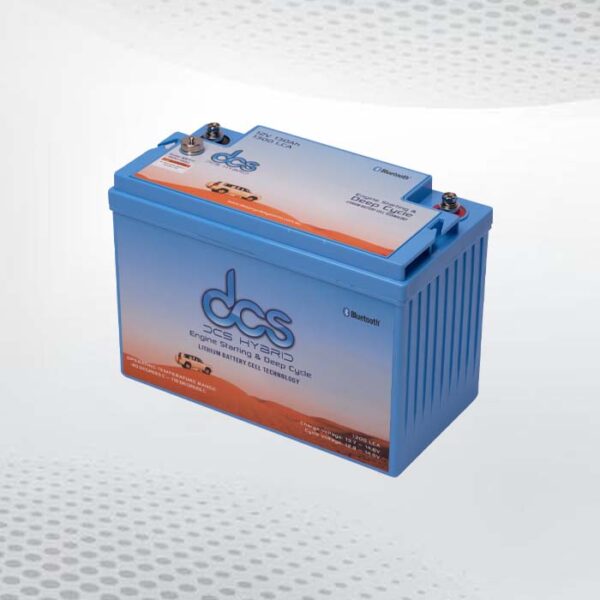
    Related Websites
    Articles on joeblogs
    Articles on blogsmap
    Articles on blogstudiolegale
    Articles on idblogs
    Articles on blogst
    Articles on blogsem
    Articles on blogs4me
    Articles on blogsemon
    Articles on indepthnews
    Articles on linkforum
  • Unlocking the Power of Lithium Battery

    Unlocking the Power of Lithium Battery

    The lithium battery revolution has changed the world as we know it. From powering our cell phones to electric vehicles, lithium batteries are now a reliable and powerful energy source. By unlocking the power of lithium batteries, we can open up a range of previously unimaginable possibilities. In this blog post, we will explore the technology behind lithium batteries and their implications for our future. We will also discuss this revolutionary power source’s advantages and potential drawbacks.

    What is a Lithium Battery Pack?

    A Lithium Battery Pack is a rechargeable battery that uses lithium ions to store energy. These batteries have become increasingly popular due to their high energy density and relatively low weight. Unlike other types of batteries, lithium batteries can store a large amount of energy in a small space, making them an ideal choice for a wide range of applications, including portable electronic devices, electric vehicles, and solar energy systems.

    Lithium batteries are also known for their long life and low self-discharge rates. They can hold a charge for extended periods, making them an excellent choice for backup power and emergency applications. Furthermore, lithium batteries are environmentally friendly and can be recycled after their useful life has ended because they do not contain toxic materials like lead or cadmium.

    Overall, the benefits of lithium batteries make them a clear choice for many different applications, from powering your cell phone to powering your home with a solar energy system. Understanding the inner workings of lithium batteries can help you harness their power and unleash their potential for maximum efficiency and longevity.

    The Advantages of Lithium Batteries: Unleashing their Potential

    Lithium batteries are quickly becoming the preferred choice for energy storage in various industries. From electric vehicles to home energy systems, lithium batteries offer a range of advantages over traditional lead-acid batteries. Let’s explore some of these advantages in detail.

    Firstly, lithium batteries have a much higher energy density than lead-acid batteries, so they can store more energy in a smaller, lighter package. It makes them ideal for portable devices and applications where space and weight are limited.

    Secondly, lithium batteries have a longer lifespan than lead-acid batteries. Depending on how they are used and maintained, they can last for hundreds or even thousands of cycles. It makes them a more cost-effective solution in the long run, as they don’t need to be replaced as frequently as lead-acid batteries.

    Thirdly, lithium batteries have a higher efficiency rate, meaning they can convert more of the energy they store into usable power. It translates into longer runtimes and improved performance for devices powered by lithium batteries.

    Lastly, lithium batteries are more environmentally friendly than lead-acid batteries. They are made with fewer toxic materials and can be recycled more easily, reducing electronic waste in landfills.

    Overall, the advantages of lithium batteries make them a highly sought-after energy storage solution. As technology continues to improve, we can expect even more exciting developments in lithium batteries.

    Decoding the Inner Workings of Lithium Ion Battery Pack

    Lithium Ion Battery Pack is highly versatile and commonly used in various applications, from portable electronics to electric vehicles. Despite their ubiquity, many people still need to learn how they work. In this section, we will delve deeper into the inner workings of a lithium-ion battery pack.

    At the heart of every lithium-ion battery is a cathode, an anode, and an electrolyte. The cathode is typically made from a lithium metal oxide compound, such as cobalt, nickel, or manganese. The anode is usually made from graphite, and the electrolyte is a lithium salt dissolved in an organic solvent.

    During charging, lithium ions flow from the cathode to the anode, while during discharging, they flow from the anode to the cathode. It is possible because the electrolyte separates the cathode and anode, which allows the lithium ions to move between them.

    One of the critical factors that determine the performance of a lithium-ion battery pack is the electrolyte. A high-quality electrolyte must have good conductivity, low viscosity, and excellent high-temperature stability.

    Another critical factor is the cathode material, which affects the battery’s energy density and cycle life. Cobalt-based cathodes, for example, have a higher energy density than nickel or manganese-based cathodes but are also more expensive.

    Finally, the anode material is also important, and researchers are continually seeking to develop new materials that can improve energy density and cycling performance. Silicon and lithium titanate are two promising materials that have recently gained attention.

    Overall, the inner workings of a lithium-ion battery pack are complex but fascinating. By understanding how these batteries work, we can better appreciate their potential and continue to unlock their full power.

    Optimizing the Performance of Lithium Ion Battery for Maximum Power

    One of the critical advantages of Lithium Ion Battery is their ability to provide high power output, making them ideal for use in applications that require frequent charging and discharging cycles. To ensure that your lithium-ion battery is optimized for maximum power, several important factors must be considered.

    One of the most important factors is the rate at which the battery is discharged. When a lithium-ion battery is discharged at a high rate, it can produce more power but degrade more quickly. Finding a balance between power output and battery life is essential to optimize performance.

    Another important factor is temperature. Lithium-ion batteries perform best at moderate temperatures, around 25°C (77°F). Higher temperatures can degrade the battery, while lower temperatures can reduce its performance. It’s essential to monitor your lithium-ion battery’s temperature to ensure it’s operating within its optimal range.

    In addition to the rate of discharge and temperature, the chemistry and design of the battery also play a crucial role in optimizing its performance. Lithium-ion batteries are available in various chemistries and designs, each with advantages and disadvantages. By choosing the right chemistry and design for your specific application, you can maximize the performance of your lithium-ion battery.

    Finally, proper maintenance is critical for ensuring that your lithium-ion battery remains optimized for maximum power. It includes regular charging and discharging cycles and monitoring the battery’s capacity and overall health.

    Capacity and Energy Density: Harnessing the Energy Storage Potential

    One of the main advantages of Lithium batteries is their high capacity and energy density, allowing for longer run times and greater energy storage potential. Capacity refers to the amount of electrical energy a battery can hold, while energy density refers to the amount of energy a battery can store concerning its size and weight.

    Compared to traditional lead-acid batteries, Lithium batteries have a significantly higher energy density, meaning they can store more energy in a smaller space and with less weight. It is especially important in applications where space and weight are at a premium, such as in portable devices or electric vehicles.Lithium Battery

    Moreover, Lithium batteries have a higher charge/discharge efficiency than traditional batteries, meaning they can be charged faster and more efficiently and deliver energy more efficiently to the device or application they are powering.

    To maximize the capacity and energy density of a Lithium-battery, it is essential to manage the charging and discharging cycles properly. Overcharging or over-discharging a Lithium-battery can decrease its capacity and shorten its lifespan, so it is necessary to use the correct charging method and monitor the battery’s charge levels regularly.

    In addition, using the correct type of Lithium-battery for the specific application can help maximize its energy storage potential. Lithium-ion batteries, for example, are ideal for applications where weight and energy density are important factors. In contrast, Lithium iron phosphate batteries are better suited for applications where safety and long lifespan are a priority.

    Overall, by harnessing the energy storage potential of Lithium batteries and using them correctly, we can unlock their full power and revolutionize the way we use and store energy in the future.

    Mitigating Risks and Ensuring Reliability of Lithium Solar Battery

    While the Lithium-Battery Revolution has unlocked the potential for more power and capacity in energy storage, risks must be addressed. Lithium batteries have been known to experience thermal runaway, resulting in fires or explosions if not properly managed. Additionally, lithium batteries can suffer from degradation over time, reducing their performance and longevity.

    Several steps can be taken when using a lithium solar battery to mitigate these risks and ensure reliability. Firstly, it is essential to select a high-quality battery pack that has undergone thorough safety testing. It is also crucial to ensure that the battery is being used within its specified limits, including temperature ranges and charging/discharging rates.

    Regular maintenance and monitoring of the battery’s performance can also help to identify potential issues before they become serious. It can include monitoring the battery’s voltage and temperature and performing regular capacity tests.

    Enhancing Efficiency and Longevity of Solar Lithium Battery

    As discussed earlier, lithium batteries are the go-to power source in many industries, including solar energy. They’re efficient, reliable, and high energy density, making them ideal for capturing and storing solar energy. However, to unlock their full potential, it’s crucial to optimize their efficiency and longevity.

    One way to enhance the efficiency of a solar lithium battery is to maintain its charge and discharge cycles. Lithium batteries have limited charge and discharge cycles, which can be significantly reduced if the battery is not charged or discharged correctly. To optimize its lifespan, ensure that the battery is charged fully before using it and that it’s not discharged beyond a certain threshold.

    Another way to increase the efficiency of a solar lithium-battery is to monitor its temperature. Lithium batteries generate heat when charging and discharging; if they get too hot, their performance and lifespan can be affected. Monitoring the battery’s temperature and keeping it within a safe range can help enhance its efficiency and prolong its lifespan.

    Another important factor to consider is the battery’s charging method. Lithium batteries can be charged in different ways, including constant voltage and current charging. Choosing the right charging method for the specific type of lithium-battery can improve its efficiency and lifespan.

    Conclusion

    Lithium-battery technology has revolutionized the way we power our lives. Lithium batteries have become essential in modern-day life, From smartphones to laptops to our cars and homes. Their ability to provide high energy density, long cycle life, and fast charging times make them the preferred choice for many applications.

    Other Good Articles to Read
    Gabrielle Blogs
    Jason Toff Blogs
    Thumb Blogs
    Blog Shifter
    Social Bookmarking Blogs
    Free Blogs Template
    Blog Solidaire
    Michael Coyne Blog
    Born Free Blog
    Oz Blog Hosting
    Indepth News
    Link Forum