Tag: Heating And Ventilation System

  • Revitalizing Indoor Air: The Benefits of HRV System

    Revitalizing Indoor Air: The Benefits of HRV System

    Indoor air quality is often an overlooked aspect of our daily lives, yet it can profoundly impact our health, comfort, and overall well-being. Modern homes and buildings are designed to be energy-efficient, but this often comes at the cost of ventilation, leading to stale, polluted air that can exacerbate respiratory issues, headaches, and fatigue. Fortunately, there is a solution that can revolutionize the way we breathe indoors: heat recovery ventilation (HRV). By revitalizing indoor air, the HRV system can significantly reduce the risk of indoor air pollution, improve indoor air quality, and even reduce energy consumption. 

    What is HRV Heating System

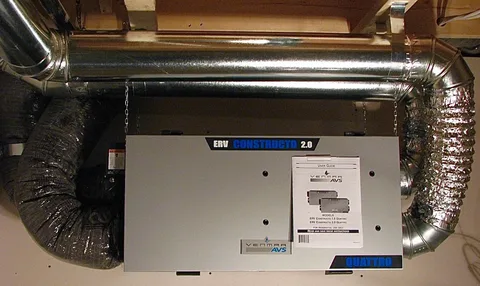
    An HRV (Heat Recovery Ventilation) heating system integrates the principles of ventilation with heat recovery to efficiently manage indoor climate control. Unlike traditional ventilation systems that exchange air, HRV heating systems recover heat from outgoing stale air and precondition the incoming fresh air.

    This process ensures that while indoor air is constantly refreshed, energy used for heating or cooling is conserved. HRV heating is especially effective in cold climates where winters necessitate heating, and indoor air quality can suffer from being tightly sealed against outdoor conditions. By maintaining a balanced indoor environment with reduced energy consumption, these heating systems enhance comfort and contribute to sustainability goals by minimizing carbon footprints associated with building operations.

    The benefits of HRV heating are significant. They improve indoor air quality by reducing pollutants, allergens, and moisture buildup, which can contribute to a healthier and more comfortable living or working environment. Additionally, these systems help lower energy bills by recovering and reusing heat that would otherwise be lost during ventilation. This energy-efficient approach reduces carbon emissions and aligns with sustainable building practices.

    The Role of Air Recovery System 

    ARS systems typically include a heat exchanger or enthalpy wheel, which transfers heat and sometimes humidity between the outgoing and incoming air streams. During colder months, the heat exchanger warms the incoming fresh air using the heat from the exhaust air, reducing the need for additional heating. Conversely, in warmer months, the air recovery system can transfer coolness and dehumidify incoming air, easing the load on air conditioning systems.

    Beyond energy efficiency, ARS systems significantly enhance indoor air quality by continuously removing pollutants, allergens, and excess moisture. It helps prevent the buildup of harmful substances and maintains a healthier indoor environment, which is crucial for occupant well-being and productivity.

    The Benefits of HRV for Indoor Air Quality

    As we spend more and more time indoors, the air quality we breathe has become a growing concern. The air inside our homes, offices, and public spaces can be a breeding ground for pollutants, allergens, and even toxins. Heat Recovery Ventilation (HRV) systems offer a revolutionary solution to revitalize indoor air quality.

    These systems exchange stale indoor air with fresh outdoor air while recovering heat energy from the exhaust air. It means the power that would otherwise be wasted is reused to warm or cool the incoming fresh air, significantly reducing energy consumption. However, the benefits of HRV extend far beyond energy efficiency. By constantly introducing fresh air into the indoor space, these systems help eliminate pollutants, odours, and allergens, creating a healthier and more comfortable indoor environment.

    Moreover, these systems can also help to reduce the risk of mould growth, mildew, and condensation, which can be particularly problematic in humid climates. By removing stale air and introducing fresh air, these systems help maintain a healthy indoor air balance, which is essential for maintaining good physical and mental health. With HRV, you can breathe easily, knowing you enjoy a healthier, more sustainable indoor environment.

    The Science behind Heat Recovery

    The science behind heat recovery ventilation is a fascinating concept extensively studied and refined over the years. At its core, heat recovery ventilation is a process that harnesses the thermal energy contained in the air we exhale and the air we bring into our homes. Doing so can recover a significant amount of heat that would otherwise be wasted and redirect it to warm or cool our living spaces.

    The principle is simple: when we breathe, our warm, stale air is replaced by the fresh, cool air from outside. But what happens to the heat that’s released during this process? Traditionally, this heat is lost, and our homes feel cold and drafty. Heat recovery ventilation, on the other hand, captures this heat and uses it to warm our homes, reducing the need for traditional heating systems and the energy consumption that comes with them.

    Through the use of sophisticated heat exchangers, heat recovery ventilation systems can recover up to 90% of the heat that would otherwise be lost. This can significantly impact our energy consumption and carbon footprint. By optimizing the heat transfer process, we can reduce the amount of energy needed to heat our homes, making our living spaces more comfortable, sustainable, and environmentally friendly.
    The Benefits of Heat Recirculation System

    A Heat Recirculation System (HRS) is a specialized HVAC (Heating, Ventilation, and Air Conditioning) system designed to improve building energy efficiency and comfort by recirculating heat within the building rather than venting it outside. This system works by capturing and redistributing excess heat generated in various areas of a building, such as from equipment, lights, or occupants, and using it to warm cooler areas.

    One common application of a heat-recirculation system is in commercial buildings, where large open spaces or multiple floors can lead to temperature variations. Instead of relying solely on centralized heating sources, an HRS can utilize heat recovery units strategically placed throughout the building to capture excess heat. These units then transfer the heat to areas where needed, reducing the overall demand on the primary heating system and improving energy efficiency.

    Recirculation systems can be integrated into home heating systems in residential settings to optimize comfort and reduce energy consumption. For instance, in a multi-story house, heat generated from the lower floors can be recirculated to the upper floors during colder seasons, evening out temperature differences and reducing heating costs.

    The Future of Indoor Air Quality and HRV

    As we continue to navigate the complexities of modern living, it’s clear that the importance of indoor air quality will only grow. The future of indoor air quality is not just about eliminating pollutants but also about creating a healthy, sustainable, and comfortable living space. Heat Recovery Ventilation (HRV) systems are poised to play a crucial role in this endeavour, offering a versatile and efficient solution for maintaining optimal indoor air quality.

    Imagine a world where buildings are not only thermally efficient but also breathe fresh, clean air. A world where indoor air quality is no longer a concern but a given. With these systems, this vision is no longer just a pipe dream but a reality within our grasp. As technology continues to advance and the demand for sustainable living solutions grows, these systems will be at the forefront of the indoor air quality revolution.

    In the future, these systems will not only recover heat from exhaust air but also integrate with other building systems to create a seamless, high-performance indoor air quality solution. They will be designed to work in harmony with renewable energy sources, such as solar and wind power, to create a truly sustainable and self-sufficient building ecosystem. The future of indoor air quality is bright, and HRV is poised to lead the way.

    Heating and Ventilation System

    Heating and ventilation systems (HVAC) are integral to building infrastructure and crucial for year-round maintaining comfortable and healthy indoor environments. These systems serve dual purposes: heating during colder months and ventilating throughout the year to ensure fresh air circulation. In colder climates, heating systems typically use furnaces, boilers, or heat pumps to generate warmth, distributing it through ducts or radiant systems to maintain desired indoor temperatures.

    Ventilation, on the other hand, involves exchanging indoor air with outdoor air to remove pollutants, control humidity levels, and replenish oxygen. Modern HVAC systems often integrate technologies like heat recovery ventilation (HRV) or energy recovery ventilation (ERV) to maximize efficiency by pre-conditioning incoming air with the heat or coolness from exhaust air.

    Beyond comfort, these ventilation systems are crucial in building energy efficiency and sustainability. Energy-efficient HVAC designs reduce operational costs and minimize environmental impact by optimizing energy use. Smart controls and sensors further enhance efficiency by adjusting heating and ventilation based on occupancy and outdoor conditions, ensuring optimal performance while conserving energy. Additionally, advanced filtration systems can improve indoor air quality by capturing airborne particles and allergens, promoting healthier indoor environments for occupants.

    Additional Tips for Improving Indoor Air Quality

    As you’ve learned about the benefits of heat recovery ventilation, you may wonder how to take your indoor air quality experience to the next level. Fortunately, you can follow several additional tips to ensure your indoor air is fresh, healthy, and free from pollutants. For instance, regular cleaning and maintenance of your HRV is crucial to prevent the buildup of dust and debris that can compromise its performance. Additionally, incorporating air purifiers and HEPA filters into your home can help eliminate airborne particles and allergens, making breathing easier and reducing the risk of respiratory issues.

    Another important aspect to consider is the importance of proper ventilation in areas prone to moisture, such as bathrooms and kitchens. Installing exhaust fans and ensuring adequate drainage can help prevent moisture buildup, which can lead to mould and mildew growth. Furthermore, incorporating plants into your home decor can also positively impact indoor air quality, as they naturally purify the air and release oxygen.

    By combining these additional tips with the benefits of heat recovery ventilation, you can create a healthier and more comfortable living or working space. Prioritizing indoor air quality can reduce the risk of health issues, improve your overall well-being, and enjoy a more pleasant living environment.

    Conclusion 

    In conclusion, an HRV system is an indispensable component of modern building design, enhancing indoor air quality, comfort, and energy efficiency. By continuously exchanging stale indoor air with fresh outdoor air while recovering the heat (or coolness) from the outgoing air, these systems help maintain a balanced indoor environment throughout the year. This process reduces the buildup of pollutants and allergens and minimizes the energy required for heating or cooling, resulting in significant cost savings and environmental benefits.

    FAQS

    What Is An HRV System? 

    It is a ventilation system that exchanges stale indoor air with fresh outdoor air while recovering the heat (or coolness) from the outgoing air. It helps maintain indoor air quality and temperature control efficiently.

    How Does A Heat Recovery System Work? 

    Heat recovery systems transfer heat from a high-temperature source to a lower-temperature sink. It is typically achieved through heat exchangers or heat pumps, which extract heat from the exhaust air or liquid and use it to preheat incoming air or water.

    Are Heat Recovery Systems Suitable For All Climates? 

    Yes, heat recovery systems can be adapted to various climates and applications. They are particularly effective in climates with large temperature differentials between seasons, where they can capture and reuse heat efficiently.

    Other Good Articles to Read
    Niche Blogs Connect
    Blogs 97
    Blog Stitution
    Blogs Cotch Rouge
    Blog Signatr
    Blog Sintonias
    Blog Zilla
    Consumer Forums
    Finance Forums
    G Blogs
    Too Blog
    Related Business Listings
    Contact Directory
    Local Business Profiles


  • Avoiding Issues with a Quality Heating and Ventilation System

    Avoiding Issues with a Quality Heating and Ventilation System

    Are you concerned about your family or employees’ health and safety? If so, you must invest in a quality heating system to help avoid mould and moisture issues. A reliable HVAC system is essential for maintaining a healthy indoor air environment. In this blog post, we’ll discuss why a quality heating and ventilation system is necessary, how it can help prevent mould and moisture issues, and what to look for when shopping for one.

    Understanding the Importance Of Air Quality

    Air quality plays a crucial role in our overall health and well-being. Poor indoor air quality can lead to various health issues, including respiratory problems, allergies, and even more severe conditions like asthma. When we think of air pollution, we often imagine outdoor pollution caused by vehicles or industrial emissions. However, studies have shown that indoor air can be even more polluted than outdoor air.

    It is where a quality heating system comes into play. HVAC systems help maintain a comfortable temperature and circulate and filter the air. By continuously exchanging indoor and outdoor air, these systems help remove pollutants, allergens, and other contaminants, ensuring cleaner and healthier indoor air.

    In addition to the health benefits, good air quality also contributes to increased productivity and overall well-being. Poor air quality can lead to fatigue, decreased focus, and increased sick leave. On the other hand, clean and fresh air can improve cognitive function, boost energy levels, and enhance overall performance.

    Investing in a quality heating system is essential for creating a safe and healthy indoor environment for your family or employees. By understanding the importance of air quality, you can make an informed decision and prioritize the well-being of those who rely on you.

    The Dangers Of Mould And Moisture

    Excessive moisture and mould growth in your home or workplace can pose serious health risks. Mould thrives in damp environments, and when left untreated, it can spread quickly and release harmful spores into the air. Breathing in these spores can trigger allergic reactions, worsen respiratory conditions, and even lead to infections in individuals with weakened immune systems.

    One of the main dangers of mould is its potential to cause allergic reactions. Common symptoms include sneezing, coughing, itching, and watery eyes. For individuals with asthma or other respiratory conditions, mould exposure can exacerbate their symptoms and lead to severe breathing difficulties.

    Mould can also release mycotoxins, which are toxic substances that can have serious health effects. Prolonged exposure to mycotoxins can cause neurological problems, such as memory loss and difficulty concentrating. It can also affect the immune system, increasing susceptibility to infections.

    In addition to the health risks, mould growth can cause structural damage to your property. It can weaken the walls, ceilings, and floors and lead to costly repairs and renovations.

    Investing in a quality heating system can effectively control the moisture levels in your indoor environment and prevent mould growth. These systems help regulate humidity levels and improve air circulation, creating an inhospitable environment for mould to thrive.

    To ensure the safety and well-being of your family or employees, promptly addressing any moisture or mould issues is crucial. A quality heating system can help mitigate the dangers of mould and moisture, creating a healthier and safer living or working environment.

    Benefits Of A Heating And Ventilation Unit

    A quality heating and ventilation unit offers numerous benefits for both residential and commercial settings.

    Firstly, a heating unit helps to regulate and maintain a comfortable temperature throughout the year. Whether it’s cold winter or hot summer days, the system ensures that the indoor environment remains cozy and pleasant, enhancing the overall comfort of occupants.

    Furthermore, these systems improve indoor air quality by constantly circulating and filtering the air. They remove airborne particles, allergens, and pollutants, which helps reduce the risk of respiratory problems and allergies. It is particularly important for individuals with asthma or other respiratory conditions.

    A heating system also helps to control and regulate humidity levels. Excessive moisture in the air can lead to mould growth and dampness issues. By maintaining optimal humidity levels, the system helps prevent mould, mildew, and rot, protecting the structure and integrity of the building.

    In addition, a well-functioning heating unit can save energy and reduce utility costs. Energy-efficient models can heat or cool a space, using less energy and minimizing waste. It benefits the environment and reduces the financial burden of high energy bills.

    Overall, investing in a quality heating system offers numerous advantages, including improved comfort, enhanced air quality, moisture control, energy savings, and protection against mould and moisture issues. It is essential for creating a healthy and safe indoor environment for residential and commercial spaces.

    Factors To Consider When Choosing A System For Heating And Ventilation

    When choosing a system for heating and ventilation, several factors must be considered to ensure you select the right system for your needs.

    Firstly, consider the space size you need to heat and ventilate. A system that is too small will need help to adequately heat or cool the area, while a system that is too large will save energy and result in higher utility bills. It’s important to accurately measure the square footage of the space and consult with HVAC professionals to determine the appropriate system size.

    Another important factor to consider is energy efficiency. Look for systems with high Energy Star ratings that minimize energy consumption and reduce greenhouse gas emissions. Energy-efficient systems can save money in the long run and are better for the environment.

    It would help if you also considered the noise level of the system. Some HVAC units can be loud and disruptive in residential settings or offices where quiet is essential. Look for systems that have noise-reduction features to ensure a peaceful and comfortable environment.

    Additionally, consider the system’s features and controls. Modern HVAC systems come with various features, such as programmable thermostats, remote control options, and smart home integration. These features can enhance convenience and allow you to control and adjust the system according to your preferences easily.

    Lastly, it’s crucial to consider your budget. Heating systems vary in price, and it’s important to find a system that fits your budget while still meeting your needs. However, keep in mind that investing in a higher-quality system may offer better performance, energy savings, and durability in the long run.

    By considering these factors when choosing a system for ventilation, you can make an informed decision and select a system that will provide optimal comfort, efficiency, and air quality for your space.

    Maintenance And Care For Optimal Performance

    Regular maintenance and care are essential to ensure optimal performance and longevity of your heating system. Here are some important steps to follow:

    Regularly Clean And Replace Air Filters

    Clogged or dirty air filters can restrict airflow and reduce the efficiency of your system. Check your filters every month and clean or replace them as needed. It will help improve air quality and prevent dust and debris from building up in your system.

    Keep The System Clean

    Dust and debris can accumulate on the various components of your heating system, affecting its performance. Regularly clean the vents, ducts, and outdoor unit to remove buildup. You can use a vacuum or a soft cloth to clean the vents and wipe down the outdoor unit with a damp cloth.

    heating and ventilation companies, heating and ventilation system, heating and ventilation unit, heating and ventilation Schedule Professional Maintenance

    It’s important to have your heating system professionally inspected and serviced at least once a year. A trained technician will check for any issues, clean the system thoroughly, and make any necessary repairs or adjustments to ensure optimal performance.

    Monitor And Regulate Humidity Levels

    Excessive moisture in the air can promote mould growth and damage your system. Use a humidistat or a hygrometer to monitor humidity levels in your space and adjust them accordingly. Consider installing a dehumidifier or humidifier to maintain optimal humidity levels.

    Ensure Proper Ventilation

    Proper airflow is crucial for the performance of your system. Ensure that furniture or other objects do not obstruct the vents and air registers. Keep the outdoor unit clear of debris and vegetation to allow for proper airflow.

    Following these maintenance and care tips ensures that your heating system operates efficiently and effectively, providing you with a comfortable and healthy indoor environment. Remember, a well-maintained system will not only improve air quality but also save you money on energy bills and extend the lifespan of your equipment.

    Choosing Reputable Heating And Ventilation Companies

    When investing in a quality heating system, choosing reputable heating and ventilation companies that will provide reliable products and services is important. With so many options available, it can be overwhelming to narrow down the choices.

    To ensure you’re working with a reputable ventilation company, here are a few things to consider:

    • Experience and Expertise: Look for a company with years of industry experience and a team of knowledgeable professionals. A company that has been around for a while is likelier to have a track record of providing quality products and services.
    • Reviews and Testimonials: Read customer reviews and testimonials to get an idea of other people’s experiences with the company. Positive reviews are a good indication of a company’s reputation and customer satisfaction.
    • Certifications and Accreditations: Check if the company holds any certifications or accreditations from reputable organizations. It can signify their commitment to meeting industry standards and best practices.
    • Licensing and Insurance: Ensure the company is properly licensed and insured. It protects you and the company in case of any accidents or damages during installation or maintenance.
    • Warranty and Customer Support: Inquire about the warranty provided for the heating system. A reputable company will stand behind their products and offer warranties to provide peace of mind. Additionally, find out what kind of customer support they offer if you have any questions or issues with your system.

    By taking the time to research and choose a reputable ventilation company, you can have confidence in the quality of their products and services, ensuring a reliable and efficient system for your indoor environment.

    FAQs

    1. How often should I clean or replace the air filters in my heating system?

    It is recommended to clean or replace air filters every 1-3 months, depending on the manufacturer’s instructions and the usage level. Regularly cleaning or replacing air filters helps maintain optimal airflow and ensures the efficiency of your system.

    2. Can a heating and ventilation system prevent mould growth completely?

    While a quality heating and ventilation system can help control moisture levels and reduce the risk of mould growth, it cannot completely prevent mould in all circumstances. It is important to address any moisture issues promptly, such as leaks or condensation, and ensure proper ventilation to minimize the conditions favourable for mould growth.

    3. How can I tell if my heating system needs professional maintenance?

    Some signs that your heating system may need professional maintenance include reduced airflow, strange noises, unpleasant odours, frequent breakdowns, or higher energy bills. It is best to schedule regular professional inspections and maintenance to ensure the optimal performance of your system.

    4. Can I install a heating system myself?

    Installing a heating system can be complex and requires technical knowledge and expertise. Hiring a professional HVAC technician for installation is recommended to ensure the system is properly installed and functions efficiently and safely.

    Conclusion

    The cost of heating and ventilation systems can vary depending on various factors, including the space size, the type of system, and any additional features or accessories. It is best to consult with HVAC professionals who can assess your specific needs and provide accurate cost estimates for your desired system.

    Other Good Articles to Read
    Blogs Rain
    Cme Blog Spot
    Garcias Blogs
    Yyc Blogs
    Guiade Blogs
    Blogs-Hunt
    Impact-Blog
    Smarty Blogs
    Ed Blog
    Mo Blogs
    Blogs Em
    Blogs T
    Business Listings in Australia
  • How To Save Money And Keep Your Home Comfortable With A Heating And Ventilation System

    How To Save Money And Keep Your Home Comfortable With A Heating And Ventilation System

    Heating and ventilation system is essential to any building, providing comfort and air quality for occupants. There are many benefits to using a heating and ventilation system, from increased energy efficiency to improving air quality. Learn more about how a ventilation and heating system can improve your life and environment!

    Heating And Ventilation Unit Can Improve Air Quality

    A heating and ventilation unit can be a great way to improve the air quality in your home. Not only will you be able to keep your home comfortable and free from dust and allergens, but you will also be able to help reduce the number of pollutants in the air. It is essential if you have children or elderly family members living in the home, as they are particularly vulnerable to air pollution.

    Using a unit can help ensure that your family is breathing in clean, healthy air. It exchanges stale, warm air inside the home with fresh, cooler air from outside. It helps keep the indoor air clean and free from pollutants, as the incoming air has been filtered. Additionally, it will help regulate the temperature inside the home, preventing any discomfort caused by extreme heat or cold. Additionally, many units come equipped with special filters that can trap dust and other particles in the air. These filters trap dirt and contaminants, preventing them from circulating through the home’s ventilation system. With this feature, you no longer have to worry about dusty rooms, clogged vents, or dirty carpets!

     heating and ventilation companiesIncreased Comfort

    Having a ventilation and heating system in your home can drastically improve the comfort level in your living space. You’ll no longer have to deal with hot and cold spots throughout the house. The air in your home will be evenly distributed, so you won’t have to worry about one room being too hot and another too cold. You can set the temperature of each room in your home, allowing you to achieve greater comfort and relaxation. It can be beneficial during winter when the weather is colder and you need more warmth in certain rooms.

    In addition, the improved air circulation helps reduce allergens and other contaminants in the air, making breathing easier for those with allergies. It also creates better indoor air quality by circulating fresh, clean air throughout the home. Regulating the temperature and moisture levels in your home can help prevent mould from growing, which can cause health problems over time.

    Heating And Ventilation Can Reduce Energy Consumption

    One of the most important benefits of using heating and ventilation is that it can help to reduce energy consumption. It works by controlling the temperature inside a building, ensuring the air is not too hot or cold. It helps to ensure that the energy used for heating or cooling is kept to a minimum. Using a system can significantly reduce your energy consumption and save money on energy bills in the long run.

    Many modern heating and ventilation systems also come with energy-saving features such as timers, humidity sensors, and zone control, which can further help lower energy consumption. Furthermore, with a well-maintained system, you won’t need to rely on additional heat sources like space heaters during colder months.

    Reduced Condensation

    Condensation results from excess moisture in the air, which can cause problems in your home. Mould, mildew and even structural damage can occur if condensation is unchecked. Fortunately, a properly installed ventilation and heating system can help reduce condensation. A heating and ventilation unit will draw in dry outside air and expel moist indoor air, reducing the amount of moisture that can build up inside your home. It can help keep mould and mildew at bay and reduce the amount of water that can damage wood or other building materials. Investing in a system allows you to enjoy a more comfortable home with less risk of damage from condensation.

    Not only does this benefit your home, but it can also save you money in the long run. Not only will you not have to repair any damage due to excessive moisture, but the cost of running the system is often much lower than alternative heating and cooling methods. The ventilation system costs are usually much lower than installing a central HVAC system or running multiple space heaters throughout the house. Additionally, because these systems are designed to run efficiently and use only what energy they need, they also help save energy costs over time.

    Heating And Ventilation Companies Can Save Extended Equipment Life

    Hiring a professional heating and ventilation companies to install, maintain and repair your equipment is the best way to ensure your system runs efficiently and effectively. Experienced technicians are trained to identify potential issues before they become serious so that you can enjoy extended equipment life and peace of mind. Proper maintenance ensures that your system is operating at peak efficiency, which will help to extend its life span.

    A good HVAC company can provide regular service visits to clean, inspect and make minor repairs as needed, keeping your system in top condition for years. These periodic check-ups can also alert homeowners to more severe problems that need attention and provide valuable tips on keeping their heating and cooling systems running more efficiently. Another benefit of using an HVAC company is improved indoor air quality. Dust and pollen particles can collect inside a home’s ductwork over time, reducing airflow and creating an unhealthy environment. By scheduling periodic inspections, technicians can detect air quality problems early on and work to improve circulation throughout your home.

    Additionally, using a professional technician to inspect your unit routinely helps protect against costly repairs down the line. Catching minor problems now means avoiding larger ones in the future. Finally, hiring an experienced HVAC company allows homeowners to save money by taking advantage of seasonal specials or discounts on energy-efficient products.

    Reduced Maintenance

    One of the main benefits of installing a ventilation and heating system is the reduced maintenance associated with it. Combining an efficient HVAC system and regular filter replacement will reduce the need for frequent maintenance on your equipment. Not only does this save you time and effort, but it also saves money on repair bills. Since the system has less wear and tear, parts are more likely to last longer, meaning you won’t have to replace them as often.

    Regular maintenance checks can help you identify and fix problems before they cause more extensive, more costly issues. You can reduce your overall maintenance costs and enjoy a more comfortable home for years. Many homeowners opt for monthly or yearly service contracts that provide routine maintenance, helping to ensure that all components are working correctly and efficiently. Regularly changing filters, cleaning coils and checking motors can keep your HVAC system running at peak performance. It leads to lower energy consumption, translating into fewer electricity bills throughout the year.

    Conclusion

    When it comes to heating and ventilation systems, the benefits are clear. Not only can they help you save money on your energy bill, but they can also help keep your home comfortable, improve air quality, reduce condensation and extend the life of your equipment. All these advantages come with little maintenance and are an easy way to maximize your home’s comfort and efficiency. Investing in a ventilation system is a wise decision that will pay off for years.

    Related Websites:
    Articles on Blogshunt
    Articles on tbablogs
    Articles on Blogspeoples
    Articles on Thebigblogtheory
    Articles on Allcityforums

  • What Is A Heating And Ventilation System, And How Does It Works

    What Is A Heating And Ventilation System, And How Does It Works

    A heating and ventilation system (HVAC) is a complex network of pipes, ducts, vents, blowers, valves, and other components that supply your home with heated or cooled air. The HVAC system can heat and cool your home and provide ventilation.

    HVAC Is The Technology Of Indoor And Vehicular Environmental Comfort

    HVAC is the technology of indoor and vehicular environmental comfort. Its goal is to provide thermal comfort, defined as “…a condition within a space where the temperature is sufficiently high for suitably clothed people to be comfortable.

    HVAC systems can be designed using either an empirical or scientific approach. In practice, these two approaches are used in combination since their strengths complement each other. For example: in a building with no previous HVAC system, a series of trial and error tests run until it finds one that works accurately. Afterwards, more detailed calculations would be made to ensure that it was thermodynamically feasible given the internal load on a particular day at peak time in summer when doors were open, etcetera.

    Heating And Ventilation System Design Is A Subdiscipline Of Mechanical Engineering

    Thermodynamics is the branch of physics that deals with heat and temperature. It gives us a framework for understanding how systems change in response to changes in their surroundings. Fluid mechanics is the study of fluids in motion. Liquids can flow and take the shape of a container, like water or air. Heat transfer is the process by which heat energy moves from one place to another. All chemical reactions must occur.

    Heat transfer through heating and ventilation system deals with the exchange of thermal energy between physical systems such as solid objects, liquids and gases; or between systems like fluids inside them or between such systems and their surroundings.

    Heating And Ventilation Companies Are Used In Both Residential As Well As Commercial Buildings

    Heating and ventilation companies are used to consult and install ventilation systems in both residential as well as commercial buildings. Residential buildings have HVAC systems installed to keep the temperature comfortable and maintain a good level of humidity. Commercial buildings use HVAC systems to control temperature and moisture so that they can be used for various purposes. These commercial buildings include offices, hotels, hospitals, schools, restaurants and other structures that require an effective heating system.

    HVAC systems have various components, including the following:

    CompressorsThese are used to pump refrigerant through the system. In a split system, they are installed outside the building in a separate compartment.

    A Heating And Air Conditioning System Can Be Divided Into Two Parts

    A heating and air conditioning system can be divided into two parts:

    • Heating System
    • Cooling System.

    There are several ways to produce heat for residential purposes, including electricity, gas and oil. An HVAC technician will determine which type of heating system is best for your home depending on factors such as budget and level of maintenance required.

    Cooling systems remove unwanted heat from your home using evaporation or absorption methods. Evaporative coolers blow air past water-soaked pads that cool the air before it’s exhausted into your living spaces. Absorption refrigeration systems work by absorbing the heat through a chemical process with materials such as ammonia or propane gas acting like refrigerants; this process requires electricity to power compressors inside an AC unit that pump out hot gases at temperatures below zero degrees Celsius to keep things calm around us during summer months (or warm if we live somewhere colder!).

    A Primary Heating And Air Conditioning System Consists Of These Things

    A direct heating and air conditioning system consists of:

    • Thermostat
    • Return air duct
    • Supply air duct
    • Air filter
    • Furnace
    • Heat exchanger
    • Blower fan
    • Evaporator coil
    • Expansion valve
    • Condenser coil
    • Compressor
    • Refrigerant lines
    • Outdoor unit
    • Capacitors
    • Relay switch.

    The thermostat controls the temperature in your house by turning your system on or off as needed. When the temperature reaches 60 and 70 degrees, it depends on your return air duct to supply fresh air into the house through an opening near an exterior wall. Outside that opening is an intake grille that takes in fresh air from outside, filtered before it goes through a duct leading back into your home.

    From there, it travels through another opening near another exterior wall where a fan blows warm or cool air throughout your house based on what needs to happen at any given time (you could have both heat and cooling systems installed if desired.)

    The heat exchanger and blower fan are part of the furnace, which uses gas or electricity to heat air and send it through hot water pipes in your home. The compressor pumps the refrigerant through your system while the expansion valve regulates how much pressure builds up inside it.

    The Major Components Of An HVAC System Include:

    The major components of an HVAC system include a central heating plant for warm-air or hot-water distribution, an air-conditioning plant, and the ductwork necessary for the distribution of the conditioned air.

    The central heating plant may consist of electric resistance coils or oil burners with a fan that distributes air through ducts. Alternatively, the central heating plant may have boilers and an automatic burner control system that operates electric radiant heaters when needed. The main cooling/heating equipment should be appropriately sized to meet peak demands on cold and hot days by using variable speed fans and variable flow dampers in each return trunk to adjust airflow through various zones as needed based on outside temperatures.

    Flow control valves and meters should also be incorporated in each branch circuit so that power consumption can be monitored over time and comparisons made between different operating conditions (e.g., outdoor temperature versus outdoor humidity).

    Improving The Efficiency Of Heating And Ventilation Unit Is An Important Goal

    Improving the efficiency of heating and ventilation unit is an important goal to reduce building energy consumption by up to 25%. It can be done by upgrading current systems and improving building design. For example, appropriately sized equipment with accurate installation can reduce energy use by up to 40%.

    Improving indoor air quality will help employees feel more comfortable at work, reducing sick days and increasing productivity. And since many illnesses are caused by airborne pathogens such as mould spores or dust mites, improving IAQ will also help you avoid legal repercussions from sick workers who fall ill on the job.

    Increasing comfort goes hand in hand with reducing heating and cooling costs—a win-win! By using a smart thermostat, you’ll be able to program your heating system so that it turns off when no one’s home or turns on before anyone wakes up from their nightly slumber (or so that it doesn’t turn on until someone is awake).

    Reducing greenhouse gas emissions is another way for businesses to save money while doing good for the planet. Most people understand how critical reducing carbon dioxide emissions is due to climate change—but did you know that refrigerants are responsible for 6% of total GHG emissions? Replacing old systems with new ones helps cut carbon footprint while saving money over time!

    Conclusion

    HVAC systems are a vital part of modern life and have an essential role in reducing the carbon footprint of cities and buildings. They are also playing an increasingly important role in helping us manage the health effects of air pollution, including those from fossil fuel combustion.

    Related Websites

    Articles on Blogshunt
    Articles on Blogseu
    Articles on Blogspeoples
    Articles on Allcityforums

  • Ventilate Your Home With A Heating And Ventilation System

    Ventilate Your Home With A Heating And Ventilation System

    Heating, ventilation and air conditioning systems are designed to provide thermal comfort to your home and other buildings. The Heating And Ventilation System delivers heated or cooled air to the living spaces and removes humidity. It has several components, such as a blower wheel (fans), ductwork, heat exchanger coils, humidifier unit and cooling coil.

    Heating And Ventilation Companies Immaculate Clean Air

    If you are looking for ventilation companies in your area, you need to go as far as Immaculate Clean Air. Heating And Ventilation Companies provide quality services for over two decades and have helped thousands of customers like yourself improve their homes and lives.

    If you want better air quality in your home, they can help with that too! The HVAC system is designed specifically for homes with high allergens, such as dust mites or pollen. If you have asthma or other respiratory conditions, they can help you breathe more easily. The systems are designed to remove all contaminants from your air, leaving it fresh and clean.

    The heating ventilation will install a heating ventilation system in your home. It will vary based on the size of your house and the number of rooms you have. It is essential to consider how much space you need to heat or cool when making this decision so that you can get a unit that is appropriate for your needs. The HVAC professionals at Immaculate Clean Air are happy to help with this process in a free consultation!

    The cost of installing an HVAC system will vary depending on the size of your home and the type of unit you choose. It is essential to consider these factors when making this decision so that you can get a team that is appropriate for your needs.

    Keep Indoor Air Clean

    The ventilation systems can use to maintain a comfortable environment, keep indoor air clean and help control humidity. Heating ventilation systems can operate in residential, commercial or industrial buildings. A heating system will typically use a boiler that burns fuel, such as oil or gas, to heat water circulated through radiators or baseboard units throughout the building.

    A ventilation system consists of fans that pull stale air out of your home while forcing outside air in through vents placed throughout your home. The quality of indoor air can be affected by external factors such as wind direction and temperature fluctuations from day to day, which can result in drafts coming through cracks in windows or doors around your home if you don’t have an adequate ventilation system installed; this could also lead to mould growth inside walls due to high humidity levels being present for long periods, so it’s vital that you keep up on maintenance with regular cleaning schedules if possible to keep your HVAC equipment running efficiently. A heating ventilation system is one of the most critical components in any building because it helps maintain a comfortable environment for you and your family. If you are having problems with your system, you must call an experienced technician as soon as possible so they can diagnose the problem and make repairs if needed before they get worse.

    Provides Thermal Comfort To Your Home And Other Buildings

    The heating ventilation system provides thermal comfort to your home and other buildings. It does this by providing a constant supply of fresh air, which mixes with the existing air in the room. The heating process removes excess moisture from the inside of your home through condensation on cold surfaces such as windows, walls or ceilings, and it warms up the air inside your home, so it’s comfortable to live in during winter months.

    During winter, when outdoor temperatures drop below 18 degrees Celsius (64 degrees Fahrenheit), your heating system will automatically turn on if you have one installed, ensuring an even flow of warm air throughout all rooms in your house.

    The air exchange in your home happens through a series of openings called registers located near the floor or ceiling. These openings allow fresh air to enter the room and circulate throughout. A chimney can ventilate smoke from your fireplace or wood stove out of your home.

    When you turn on your heating system, the air is pulled through the registers by a fan in an outdoor unit. This fan pulls cold air from outside and pushes it across a heat exchanger inside your furnace. The heat exchanger contains copper tubing filled with refrigerant that boils at shallow temperatures. As the refrigerant passes through this pipe, it absorbs heat from the air and transfers it to another tube where warm water circulates.

    Heating And Ventilation Unit Provides Heating, Cooling And Humidity Control

    The heating, ventilation, and air conditioning (HVAC) system is essential to your home. The heating And Ventilation Unit provides thermal comfort to your home and other buildings. You must understand how it works and what you can do to ensure it keeps working smoothly.

    Look at the function of each part of an HVAC system:

    • Condenser. This part removes heat from inside the house or building by condensing refrigerant in liquid form into a gas state. It helps lower the temperature inside so that it will be more comfortable for people there.
    • Compressor. This component pumps gases into refrigeration coils which produce cold air when needed by altering them back into a liquid form before being released outside through vents or ducts through small openings where they mix with other gases like CO2. When you breathe out, carbon dioxide comes out too, so if there weren’t enough oxygen, humans wouldn’t survive because they would suffocate. Still, if there were too much carbon dioxide, plants wouldn’t either because those plants need carbon dioxide just like humans do!

    A heating, ventilation, and air conditioning (HVAC) system is designed to heat, cool and dehumidify the air in a building. HVAC systems can use for both residential and commercial buildings. Most modern HVAC systems use one or more large furnaces or heat pumps to move the conditioned air throughout a structure.

    Heating And Ventilation Ventilate Your Home Correctly

    Heating And Ventilation System

    You should know the importance of ventilation systems in your home. Heating And Ventilation can help with allergies, asthma, and other respiratory conditions. They can also help with energy efficiency by reducing mould, mildew buildup, and carbon dioxide levels. If you have these issues in your home or office, it’s essential to talk to a professional about installing a heating and ventilating system to help reduce these problems. Ventilation systems are critical to creating a healthy environment. They can help with allergies, asthma and other respiratory conditions, and energy efficiency. Ventilation systems also help reduce mould and mildew growth in the home. Finally, ventilation systems reduce carbon dioxide levels by regularly providing fresh air into your home.

    The best ventilating system for your home depends on a variety of factors. The size of your house, how many people live there and how often they use it all play a role in determining what type of ventilation system is best for you.

    There are two types of ventilation systems: passive and active. Passive ventilation relies on natural air flow through windows, doors and other openings in your home. Active ventilation uses fans to pull air into the house or push it out.

    Conclusion

    Living in a house with lousy ventilation can be dangerous and uncomfortable. If your home has poor ventilation, or even if it doesn’t have any at all, then the air quality will suffer. It can lead to health problems and an increase in allergies, so you must take steps now to ensure that everyone stays healthy at home.

    Related Websites:
    Articles on Blogshunt
    Articles on tbablogs
    Articles on Blogspeoples
    Articles on unrealblogs
    Articles on Allcityforums