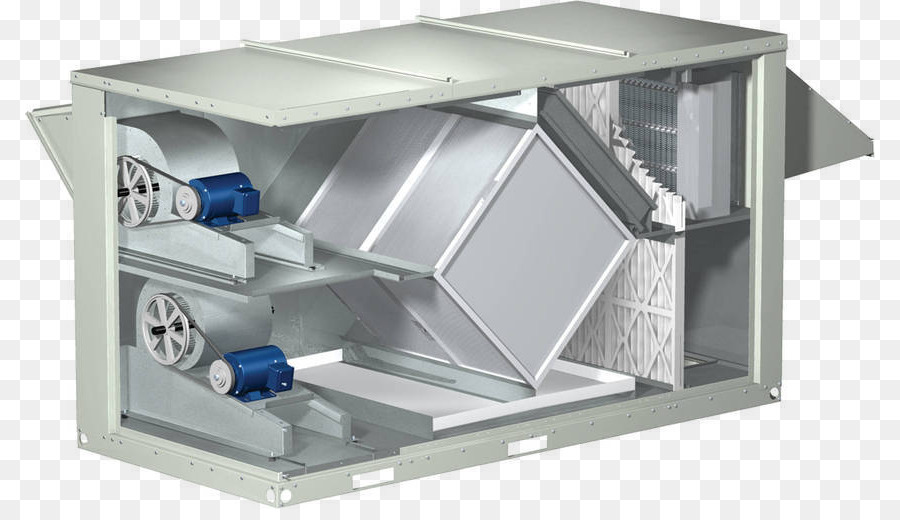
Tag: Heat Recovery Ventilation Unit

  • Undeniable Necessity of Heat Recovery Ventilation Unit

    Undeniable Necessity of Heat Recovery Ventilation Unit

    Energy efficiency is crucial for sustainable growth and development in today’s industrial landscape. One effective way to achieve energy efficiency is by harnessing the power of Heat Recovery Ventilation Unit. HRUs are innovative solutions that capture waste heat and convert it into usable energy, reducing energy costs and environmental impact.

    Benefits of a Heat Recovery Unit

    Energy Savings

    Heat recovery unit can help reduce energy costs by recovering waste heat and using it to pre-heat incoming fluid. This can lead to significant energy savings, especially in industries where heat is a critical process component. By recovering waste heat, HRUs can reduce the energy needed to heat incoming fluid, resulting in lower energy bills and a more efficient process.

    Environmental Benefits

    Heat recovery units can help reduce greenhouse gas emissions and minimize environmental impact. By recovering waste heat, HRUs can reduce the energy needed to generate heat, which can lead to reduced emissions. Additionally, HRUs can help reduce water pollution by minimizing the amount of wastewater generated by industrial processes.

    Increased Efficiency

    Heat recovery units can help increase efficiency by recovering waste heat and using it to improve the overall process. HRUs can pre-heat incoming fluid, reducing the time and energy needed to heat it to the required temperature. This can lead to faster production times, increased productivity, and a more efficient process.

    Cost-Effective

    Heat recovery units are cost-effective for industries looking to reduce energy costs and improve efficiency. HRUs can pay for themselves through energy savings and increased productivity, making them a worthwhile investment for many industries. Additionally, HRUs can help extend the lifespan of equipment and reduce maintenance costs by reducing the strain on heating systems.

    Reliability

    Heat recovery units are designed to be reliable and long-lasting, making them a trustworthy solution for industries that require consistent heat recovery. HRUs are built with durable materials designed to withstand the rigours of industrial use, making them a reliable choice for many industries. Additionally, HRUs require minimal maintenance, making them a low-maintenance solution for heat recovery.

    Common Applications of Heat Recovery Units

    Heat recovery units (HRUs) have a wide range of applications across various industries, including:

    -Power generation

    HRUs recover heat from power plant exhaust gases, increasing efficiency and reducing emissions. This is particularly useful in combined-cycle power plants, where HRUs can recover heat from the exhaust gases of gas turbines and use it to produce steam for the steam turbine.

    Chemical processing

    HRUs recover heat from chemical reactions, reducing energy costs and improving process efficiency. For example, in producing chemicals such as ammonia, HRUs can recover heat from the reaction process and use it to produce steam for power generation or process heating.

    Oil and gas

    HRUs recover heat from oil and gas processing, reducing energy consumption and emissions. For example, in oil refineries, HRUs can recover heat from refining and use it to produce steam for power generation or process heating. Heat Recovery Unit
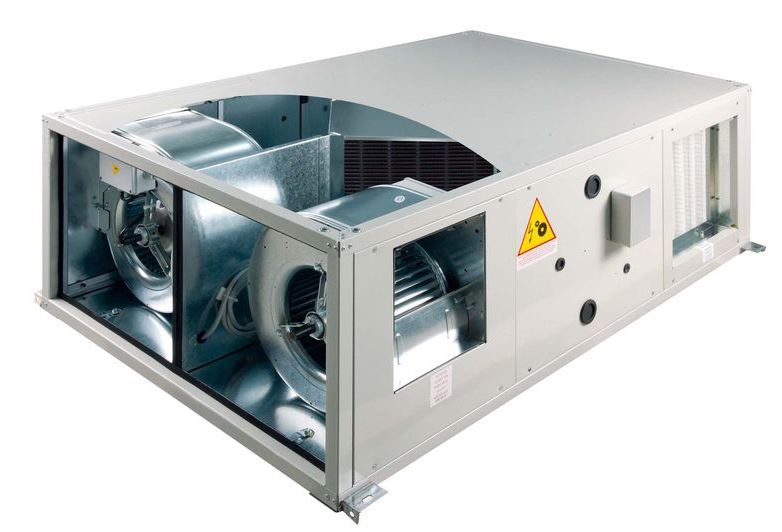
    Challenges and Solutions in Implementing Heat Recovery Ventilation System

    – High initial costs: Heat Recovery Ventilation System requires significant investment, but long-term energy savings and cost reductions can offset this cost. Industries can consider financing options or grants for energy-efficient projects to address this challenge.

    – Space constraints: HRUs require space for installation, but compact designs and modular systems can address this challenge. For example, modular HRUs can be installed in existing facilities without requiring additional space.

    – Maintenance requirements: HRUs need regular maintenance, but scheduling regular checks and inspections can ensure optimal performance. Industries can also consider outsourcing maintenance to specialized companies to reduce the burden on their maintenance teams.

     Future Developments and Trends in Heat Recovery Units

    Heat recovery units (HRUs) offer several benefits for industries that require efficient heat management. One of the most significant advantages of HRUs is their ability to reduce energy costs. By recovering waste heat and using it to pre-heat incoming fluid, HRUs can significantly reduce the energy needed to heat the fluid to the required temperature. This can lead to substantial energy savings, especially in industries where heat is a critical process component.

    In addition to energy savings, HRUs also offer environmental benefits. By reducing the energy needed to generate heat, HRUs can help minimize greenhouse gas emissions and reduce the environmental impact of industrial processes. Furthermore, HRUs can help reduce water pollution by minimizing the wastewater generated by industrial processes. This makes HRUs an attractive solution for industries looking to reduce their environmental footprint.

    HRUs are also a cost-effective solution for industries looking to improve efficiency. While the initial investment in an HRU may seem significant, the long-term energy savings and increased productivity can quickly pay for the cost of the unit. Additionally, HRUs can help extend the lifespan of equipment and reduce maintenance costs by reducing the strain on heating systems. This makes HRUs a worthwhile investment for many industries.

    Overall, HRUs offer a reliable and efficient solution for industries that require heat recovery. With their ability to reduce energy costs, minimize environmental impact, and improve efficiency, HRUs are an attractive solution for many industries. Additionally, HRUs are designed to be durable and long-lasting, making them a trustworthy choice for industries that require consistent heat recovery.

    Tips to Maintain Heat Recovery and Ventilation System

    Regular Cleaning

    Regular cleaning is essential to maintain the efficiency and performance of Heat Recovery Ventilation System. Dust, dirt, and other debris can accumulate on the heat exchanger surfaces, reducing heat transfer and increasing pressure drops. Cleaning the HRU regularly can help prevent these issues and ensure optimal performance. Use a soft brush or cloth to clean the HRU, and avoid using harsh chemicals or abrasive materials that can damage the surfaces.

    Inspect and Replace Filters

    Filters play a crucial role in maintaining the performance and efficiency of heat recovery units. Regularly inspect the filters to ensure they are clean and free from damage. Replace the filters as the manufacturer recommends or when they become damaged or clogged. Clean or replace the filters to prevent dust and debris from entering the HRU and reducing its performance.

    Monitor Temperature and Pressure

    Monitoring temperature and pressure levels is essential to ensure the HRU operates within safe and efficient parameters. Regularly check the temperature and pressure gauges to ensure they are within the recommended ranges. High temperatures or pressures can damage the HRU or reduce its performance, while low temperatures or pressures can indicate a problem with the system.

    Schedule Regular Maintenance

    Scheduling regular maintenance checks with a qualified technician can help identify and address potential issues before they become major problems. Regular maintenance can include inspecting and cleaning the HRU, replacing filters, and checking electrical connections. Regular maintenance can help extend the lifespan of the HRU and ensure it operates efficiently and effectively.

    Check Electrical Connections

    Regularly check electrical connections to ensure they are secure and not damaged. Loose or damaged electrical connections can cause the HRU to malfunction or fail, resulting in costly repairs or safety hazards. Check the electrical connections regularly and tighten or replace them to ensure the HRU operates safely and efficiently.

    Industries That Need Heat Recovery Units

    Power Generation and Utility Companies

    Heat recovery units can recover heat from power plant exhaust gases, increasing efficiency and reducing emissions. This is particularly useful in combined-cycle power plants, where HRUs can recover heat from the exhaust gases of gas turbines and use it to produce steam for the steam turbine.

    Chemical and Petrochemical Plants

    Heat recovery units can recover heat from chemical reactions, reducing energy costs and improving process efficiency. For example, in producing chemicals such as ammonia, HRUs can recover heat from the reaction process and use it to produce steam for power generation or process heating.

    Oil and Gas Refineries

    Heat recovery units can recover heat from oil and gas processing, reducing energy consumption and emissions. For example, in oil refineries, HRUs can recover heat from refining and use it to produce steam for power generation or process heating.

    Manufacturing and Processing Facilities

    Heat recovery units can recover heat from various manufacturing processes, reducing energy costs and improving process efficiency. For example, in producing paper, HRUs can recover heat from the drying process and use it to produce steam for power generation or process heating.

    Incinerators and Turbines

    Heat recovery units can recover heat from the hot exhaust and gases discharged by industrial equipment such as incinerators and turbines. This heat can produce steam for power generation or process heating, reducing energy costs and emissions.

    Case Studies and Examples

    Power Plant Heat Recovery_A power plant in the United States installed a heat recovery unit to recover waste heat from its gas turbines. The HRU used the recovered heat to produce steam, which was then used to power a steam turbine, generating additional electricity. The HRU increased the power plant’s efficiency by 10% and reduced greenhouse gas emissions by 12%.

    Chemical Plant Heat Recovery

    A chemical plant in Europe installed a heat recovery unit to recover waste heat from its chemical reactions. The HRU used the recovered heat to pre-heat incoming fluid, reducing the energy needed to heat the fluid to the required temperature. The HRU saved the plant $1.2 million in energy costs per year and reduced greenhouse gas emissions by 15%.

    Oil Refinery Heat Recovery

    An oil refinery in the Middle East installed a heat recovery unit to recover waste heat from refining processes. The HRU used the recovered heat to produce steam, which was then used to power a steam turbine, generating additional electricity. The HRU increased the refinery’s efficiency by 12% and reduced greenhouse gas emissions by 18%.

    Paper Mill Heat Recovery

    A paper mill in the United States installed a heat recovery unit to recover waste heat from its paper drying processes. The HRU used the recovered heat to pre-heat incoming fluid, reducing the energy needed to heat the fluid to the required temperature. The HRU saved the mill $800,000 in energy costs annually and reduced greenhouse gas emissions by 10%.

    HVAC Heat Recovery

    A commercial building in Canada installed a heat recovery unit to recover waste heat from its HVAC system. The HRU used the recovered heat to pre-heat incoming fluid, reducing the energy needed to heat the fluid to the required temperature. The HRU saved the building $200,000 in energy costs annually and reduced greenhouse gas emissions by 12%.

     Conclusion

    In conclusion, heat recovery units (HRUs) are an effective and efficient solution for industries looking to reduce energy costs, minimize environmental impact, and improve overall efficiency. By recovering waste heat and using it to pre-heat incoming fluid, HRUs can significantly reduce the energy needed to heat it to the required temperature. This can lead to substantial energy savings, reduced greenhouse gas emissions, and extended equipment lifespan. HRUs are a reliable and cost-effective solution with a quick return on investment and minimal maintenance requirements. With their ability to recover heat from various sources, including power plants, chemical reactions, oil refineries, paper mills, and HVAC systems, HRUs offer a versatile solution for various industries. As industries continue to seek innovative solutions to reduce their environmental footprint and improve efficiency, HRUs are poised to play a critical role in achieving these goals. By implementing HRUs, industries can reduce energy costs and emissions and contribute to a more sustainable future.

    FAQ’S

    What is a heat recovery system?

    –       A heat recovery system is a ventilation system that recovers heat from the air in your home that would otherwise be wasted.

    How does a heat recovery system work?

    –       Heat recovery systems extract moist air from the rooms in your home and transfer the heat from that air to fresh air from outside.

    Where do heat recovery systems work best?

    –       Heat recovery systems work best in well-insulated homes and industrial settings.

    Other Good Articles to Read
    Gabrielle Blogs
    Jason Toff Blogs
    Thumb Blogs
    Blog Shifter
    Social Bookmarking Blogs
    Free Blogs Template
    Blog Solidaire
    Michael Coyne Blog
    Born Free Blog
    Oz Blog Hosting
    Indepth News
    Related Business Listings
    Contact Directory
    Local Business Profiles


  • The Advantages Of Having Mechanical Ventilation Heat Recovery Systems In Your Home

    The Advantages Of Having Mechanical Ventilation Heat Recovery Systems In Your Home

    Are you considering installing a mechanical ventilation heat recovery system in your home? If so, you are making an excellent decision. Mechanical heat recovery systems provide several advantages to homeowners, from improved energy efficiency to better air quality. ThisNot only can these systems reduce your energy bills and make your home more comfortable. Still, they can also help improve indoor air quality and reduce environmental impact. This blog post will discuss advantages of having mechanical ventilation heat recovery systems in your home. Read on to learn more about the benefits of having an automated ventilation heat recovery system in your home.

    Heat Exchange Ventilation System Is Much More Energy Efficient

    A heat exchange ventilation system is an excellent way to improve your home’s energy efficiency. It reduces the energy used to heat the house by reducing the need for additional heating sources. An MVHR unit uses a heat exchanger to transfer heat from the air expelled from the building and recovers it for reuse within the building.

    The recovered heat is transferred back into the home, helping to maintain a comfortable temperature and reduce energy consumption. As the MVHR system operates constantly, it helps to ensure an even temperature throughout the house while using less energy than traditional heating systems. The improved energy efficiency helps to reduce your energy bills while creating a more comfortable living space.

    Home Heat Recovery System Helps Improve Indoor Air Quality

    Having a home heat recovery system in place can be incredibly beneficial for improving indoor air quality. A mechanical ventilation heat recovery system works by exchanging heat between two different sources, usually between the exhaust air and the incoming fresh air. It helps reduce the hot or cold air that escapes through the building envelope.

    As a result, your home will maintain a comfortable temperature throughout the year while reducing energy costs. However, the most crucial benefit is that these systems help reduce the number of airborne pollutants and allergens entering your home. Controlling the air pressure prevents these pollutants from entering your home through cracks or small openings in the walls or windows. These systems are equipped with filters that catch dust, pollen, and other pollutants, providing cleaner and healthier air inside your home.

    By installing a mechanical ventilation heat recovery system, you can rest assured that you are breathing in fresher, cleaner air, which can improve the overall health and well-being of those living in your home

    mechanical ventilation heat recovery systems 

    Heat Recovery Ventilation Unit Helps Control Humidity Levels

    Humidity levels can significantly impact our home’s comfort and health. Too much humidity can lead to mould growth, while too little can cause dryness in the air, which can cause respiratory issues.

    A heat recovery ventilation unit can help maintain healthy humidity levels in your home by transferring moisture between the air being exhausted and supplied. This process helps to keep the humidity comfortable and healthy, ensuring your home is free of excess water and dry air. The unit also helps to filter out particles that may be present in the incoming air, making the air inside your home cleaner and healthier. It can help reduce the incidence of allergies and other respiratory problems.

    The Whole House Heat Recovery System Is Quieter

    A whole house heat recovery system in your home can make it much quieter. It is because the system works to reduce the amount of noise that passes through the walls and into your living space. Sometimes, the noise level can be decreased by up to 80%. It makes it easier to sleep and relax in your home, especially in an area with a lot of noise pollution.

    The system also helps reduce drafts which can make the air in your home feel colder and uncomfortable. Not only does this help improve comfort and reduces your heating costs since your system won’t have to work as hard to keep the temperature stable.

    A Heat Recovery And Ventilation System Require Less Maintenance

    A heat recovery and ventilation system in your home can save you time, energy and money for maintenance. It means that the system is more durable and requires less frequent maintenance. There are fewer moving parts than in traditional methods, making them easier to maintain. Heat exchangers are designed to be corrosion-resistant and have fewer parts that require maintenance.

    In addition, the heat recovery unit will also help reduce the dust, pollen and other airborne particles that enter your home. It reduces the amount of cleaning required, which ultimately means less maintenance.

    Finally, the heat recovery unit helps to reduce energy consumption, which means fewer repairs and maintenance costs. By reducing energy consumption, you’ll enjoy lower utility bills and use the savings for other purposes.

    Home Heat Recovery Ventilation System Is Safer

    When it comes to improving the air quality of your home, you need to ensure that you have a reliable and safe system. A home heat recovery ventilation system is one of the safest options available. Unlike other systems, these are designed to protect your home from accumulating pollutants, toxins, and other harmful substances.

    The heat exchange process helps to reduce the number of air pollutants inside your home. It prevents the accumulation of dangerous chemicals or gases in the air. It also helps to minimize dust, smoke, and other allergens which can cause breathing problems.

    The mechanical ventilation heat recovery unit is also designed with safety features such as fire-resistant materials, double-walled insulation, and sealed joints. It helps to protect your home from any fire hazard. The unit is also tested to ensure it meets industry safety standards.

    A recovery ventilation system can help you ensure your indoor air is safe and free from harmful substances. It also protects against fire hazards and is quieter than other ventilation systems.

    Mechanical Heat Recovery Unit Is More Durable

    When investing in a home comfort system, one of the most essential features you want is durability. After all, you want to keep your system the same for a few years. With a mechanical heat recovery unit, you don’t have to worry about that.

    A mechanical ventilation heat recovery unit is designed to be more durable than other systems. It is because it uses a combination of fans and air-to-air exchangers to move air and heat throughout the home, resulting in less wear and tear on components. The internal parts of the unit are designed to last longer as well.

    The high-quality materials used to construct the unit also help ensure its longevity. The team is typically made of metal or plastic, solid and durable materials that can withstand wear and tear over time. The quality of the components also helps ensure the unit will stand up to the rigours of everyday use.

    The final benefit of a mechanical ventilation heat recovery unit is its low maintenance requirements. It makes it an attractive choice for busy homeowners who want a reliable system that they don’t have to worry about maintaining. The unit can last for years with minimal attention, proper care and maintenance. The air filters will need to be replaced periodically, but only a little else needs to be done.

    Investing in a mechanical ventilation heat recovery unit is a wise decision that can provide many benefits. Not only is it energy efficient, but it also helps improve indoor air quality and control humidity levels. Plus, it’s quieter, safer, and more durable than other systems, making it an excellent investment for your home.

    They Add Value To Your Home

    Installing a mechanical ventilation heat recovery system in your home can be a great way to add value and appeal to potential buyers. This system helps reduce energy costs and improve indoor air quality, attractive features for potential buyers. Furthermore, having a high-efficiency system will allow you to market your home as being ‘green’, giving it an edge over similar homes on the market.

    In addition, when you install a mechanical ventilation heat recovery system in your home, you may qualify for tax credits or other financial incentives. Depending on the type of system you choose, you could be eligible for up to $2,000 in rebates or incentives from federal or state governments. It is a great way to recoup some of your installation costs, and it will also help to add value to your home.

    Finally, installing a mechanical ventilation heat recovery system can be considered a long-term investment. Using this system, you can expect to save on energy bills year after year. And as energy costs continue to rise, the savings will become even more noticeable. These savings make it easier to justify the installation cost since the return on your investment will be substantial.

    Overall, installing a mechanical ventilation heat recovery system in your home is an excellent way to add value and appeal to potential buyers. Not only will it help reduce energy costs and improve indoor air quality, but it could also qualify you for rebates and financial incentives. It’s worth considering if you want to add value to your home.

    Conclusion

    Installing a mechanical ventilation heat recovery system in your home has numerous benefits. They help improve indoor air quality and control humidity levels while also helping to reduce energy costs and save money on maintenance. Plus, they are quieter and more durable than traditional systems and can add value to your home. A mechanical ventilation heat recovery system is an excellent choice if you’re looking for a more efficient and effective way to keep your home comfortable.

    Related Websites:
    Articles on Blogshunt
    Articles on tbablogs
    Articles on Blogspeoples
    Articles on Thebigblogtheory
    Articles on Allcityforums

  • How Installing A Mechanical Ventilation Heat Recovery Systems Can Benefit Your Home

    How Installing A Mechanical Ventilation Heat Recovery Systems Can Benefit Your Home

    Mechanical ventilation heat recovery systems are a great way to improve your home’s energy efficiency while reducing your energy bills. Installing an automated ventilation heat recovery system can offer many benefits, including improved air quality, comfort, and reduced energy costs. With these benefits, you’ll see why this system can be an excellent investment for your home.

    Heat Exchange Ventilation System Can Improve Indoor Air Quality

    A heat exchange ventilation system, also known as an MVHR, is an energy-efficient way to improve indoor air quality in your home. These systems use fans to draw air from outside and exhaust air from inside your home to exchange fresh, clean air for stale, polluted air. This process helps remove pollutants from your home, such as smoke, dust, and other allergens.

    The system also helps to reduce moisture levels in your home, which can help to prevent mould and mildew growth.

    Mechanical ventilation heat recovery systemsHigh humidity levels can also be hazardous to your health, as they can promote the growth of bacteria and other organisms. You can keep these moisture levels in check with a heat exchange ventilation system.

    Furthermore, these systems can help to regulate temperatures throughout your home. By removing hot or cold air and replacing it with fresh air, the system can help to keep your home cooler in the summer and warmer in the winter. It can result in greater energy efficiency and fewer fluctuations in temperature throughout the home.

    Home Heat Recovery System Can Reduce Energy Costs

    Installing a home heat recovery system can help reduce energy costs in your home. This type of system uses the same principles of an HVAC system to transfer heat from inside to outside. It also has a fan that draws air from the outside and circulates it through the house. It allows fresh air to be brought in, but with the added benefit of transferring heat from inside to outside so that you don’t need to use as much energy to heat or cool your home. The result is lower energy bills, as you won’t need as much energy to keep your home at a comfortable temperature.

    Additionally, some heat recovery systems can monitor and adjust the temperature depending on the conditions, which further helps reduce energy costs. Because of this ability to monitor and adapt, these systems are perfect for people living in climates that vary throughout the year. For example, if temperatures tend to rise during summer, this system will automatically adjust the temperature to ensure it doesn’t get too hot in your home.

    Heat Recovery Ventilation Unit Can Reduce Your Carbon Footprint

    Heat recovery ventilation unit is an excellent way to reduce your carbon footprint. You can make the most of the heat that is produced by your HVAC system. It helps to reduce the amount of energy used, reducing the amount of carbon dioxide released into the atmosphere.

    It works by taking in warm air from one area of your home and transferring it to another location. This process, known as heat exchange, can help save up to 90% of the energy that would usually be wasted.

    The warm air is circulated throughout the home, and this helps to keep the temperature comfortable in all areas. As a result, you’ll need less energy to heat or cool your home during the winter and summer months. A heat recovery system will also significantly improve the indoor air quality of your home by reducing the presence of pollutants, allergens, and other airborne contaminants.

    A Whole House Heat Recovery System Can Extend The Life Of Your HVAC System

    Installing a whole house heat recovery system can help extend your HVAC system’s life. Heat recovery systems are designed to reduce strain on the central HVAC unit, allowing it to run more efficiently and for more extended periods. Using a heat recovery system, you can reduce the amount of time that the central unit runs, which helps reduce wear and tear over time. In addition, heat exchange systems also reduce the risk of overheating and ensure that air is adequately circulated throughout your home.

    It can help prevent dust and other allergens from building up in your HVAC system, leading to poor indoor air quality. Overall, installing a whole house heat recovery system can help keep your HVAC system in good working condition for longer. It can save you money by avoiding costly repairs or replacements and reducing energy costs by using less energy.

    Heat Recovery And Ventilation System Can Create A More Comfortable Indoor Environment

    Heat recovery and ventilation system is designed to help you create a more comfortable indoor environment without compromising energy efficiency. An MVHR system works by recovering the heat energy from extracted air and transferring it into the incoming supply air. It helps to maintain a comfortable temperature indoors while also reducing energy costs.

    The MVHR system filters the air, removing dust and other allergens from the atmosphere, which can help reduce respiratory conditions and improve air quality. The MVHR system also helps regulate humidity levels, helping to prevent dampness and condensation that can lead to mould growth.

    An MVHR system ensures a healthy and comfortable indoor environment for you and your family. Additionally, because these systems require little maintenance, they are easier to install and operate than traditional heating and cooling systems.

    Home Heat Recovery Ventilation System Can Improve The Resale Value Of Your Home

    When it comes to increasing the resale value of your home, installing a home heat recovery ventilation system can be an excellent investment. With the addition of a heat recovery unit, your home will become much more attractive to potential buyers. The energy-efficient features of a mechanical ventilation heat recovery system make it an ideal choice for those looking to save money on energy bills.

    Furthermore, many potential buyers are willing to pay more for a home equipped with this type of system, as they know they won’t have to spend extra money in the future to make their home more efficient. A heat recovery system can also provide added value if you are planning to put your house up for sale, as it can improve the air quality in the place, making it more pleasant for potential buyers.

    All in all, investing in a home heat recovery ventilation system can be a great decision when it comes to improving the resale value of your property.

    Mechanical Heat Recovery Unit Can Help To Preserve The Environment

    A mechanical heat recovery unit is a great way to help preserve the environment. Heat recovery ventilation systems take advantage of the natural energy in the air and use it to preheat or precool the air entering your home. This process reduces the amount of energy that must be used to keep your home comfortable and helps reduce greenhouse gas emissions. It makes them an ideal choice for those who are looking for ways to reduce their carbon footprint. Additionally, using heat recovery units can help reduce the amount of energy consumed by your HVAC system, which can further reduce your impact on the environment.

    Conclusion

    Installing a Mechanical Ventilation Heat Recovery System in your home can be a great way to improve the air quality, reduce energy costs, reduce your carbon footprint, extend the life of your HVAC system, create a more comfortable indoor environment, improve the resale value of your home, and help to preserve the environment. All these benefits make it an investment that can pay for itself in the long run and is worth considering for any homeowner.

    Related Websites:
    Articles on Blogshunt
    Articles on tbablogs
    Articles on Blogspeoples
    Articles on Thebigblogtheory
    Articles on Allcityforums