Tag: Heat Recovery And Ventilation System

  • Exploring the Efficiency of HRV Ventilation System

    Exploring the Efficiency of HRV Ventilation System

    HRV-Ventilation-Systems have become increasingly popular in recent years as people seek more energy-efficient and environmentally friendly solutions for their homes. These systems not only improve indoor air quality but also help to reduce heating and cooling costs. In this blog post, they will explore the efficiency of HRV Ventilation System, discussing the basics of how they work, the benefits of installing one, key features of effective systems, and much more.

    Understanding the Basics of HRV-Ventilation

    HRV-Ventilation-Systems, known formally as heat recovery and-ventilation systems, are designed to enhance the indoor air quality of a building whilst optimizing energy efficiency. These innovative systems achieve this by exchanging the air inside the building with fresh air from outside. Crucially, they recover heat from the air being expelled. This mechanism allows for the warming of incoming air during colder months and the cooling of it when temperatures rise.

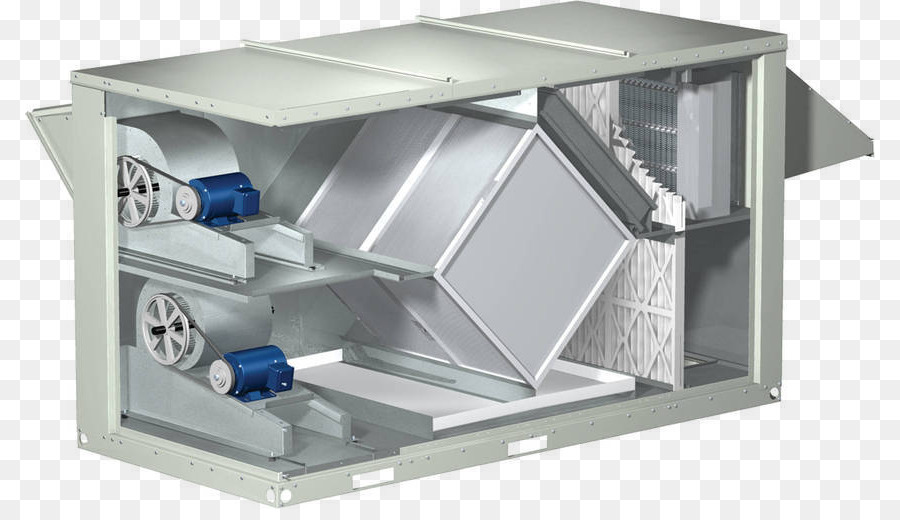
    The core principle behind HRV systems centers on a heat exchanger, a unit that facilitates the transfer of heat without mixing the indoor and outdoor air streams. This process ensures a continuous supply of fresh air, maintaining a comfortable indoor environment and significantly reducing the energy demands associated with heating or cooling a space.

    By leveraging the thermal energy from exhaust air, HRV systems play a pivotal role in managing a building’s climate control efficiently, underscoring their growing popularity amongst those seeking sustainable and cost-effective solutions for their indoor air quality needs.

    Key Features of Effective HRV Ventilation

    Effective HRV Ventilation embody a confluence of innovative design and technological advancements. These systems are distinguished by their high heat exchange efficiency, which is fundamental in maximizing energy recovery and minimizing heat loss. A hallmark of effective HRV units is the incorporation of a counter-flow heat exchanger, which ensures optimal thermal transfer between incoming and outgoing air streams without direct mixing.

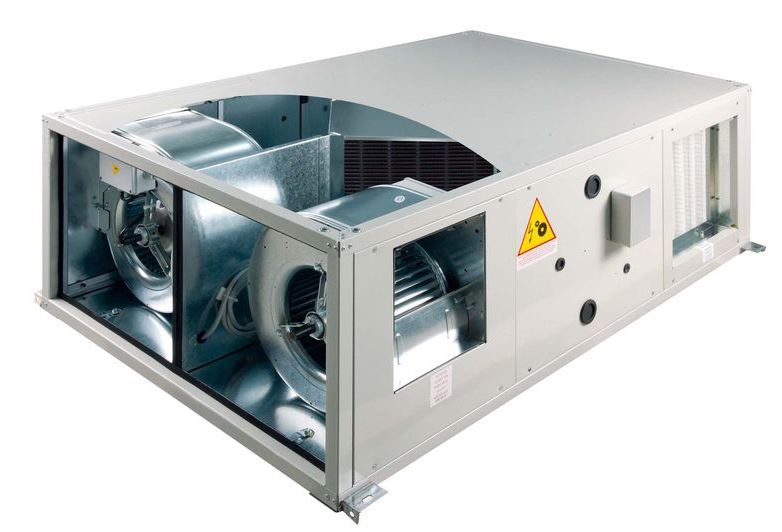
    Additionally, these systems are characterized by their low noise levels, an essential consideration for maintaining a tranquil indoor environment. The presence of advanced filtration mechanisms within HRV units is critical, as these filters capture and remove airborne particles, contributing to a healthier indoor air quality. Variable speed fans, another key feature, allow for the modulation of airflow by the specific needs of the indoor space, enhancing both energy efficiency and comfort.

    Energy-efficient motors further contribute to the system’s overall sustainability, reducing electrical consumption. Effective HRV-Ventilation-Systems are also designed with ease of maintenance in mind, featuring accessible components that facilitate regular cleaning and servicing. Collectively, these features underscore the sophistication of HRV systems, enabling them to deliver superior air quality, thermal comfort, and energy savings.

    The Benefits of Installing an HRV System

    The installation of an HRV system offers a myriad of advantages, paramount among them being the enhancement of indoor air quality through the continuous introduction of fresh air and the simultaneous extraction of stale, humid air. This process not only purifies the indoor environment by reducing pollutants and allergens but also mitigates the risk of condensation build-up, which can lead to mold growth and structural damage over time.

    The strategic recovery of heat from expelled air contributes to a decrease in humidity levels, fostering a comfortable living space. Additionally, these systems stand out as a sustainable choice for energy consumption, as they significantly lower the need for traditional heating and cooling methods.

    This reduction in energy usage is not only beneficial for the environment but also translates into considerable savings on energy bills for homeowners. The eco-friendly nature of HRV systems, coupled with their potential for cost savings, makes them an attractive investment for those prioritizing both environmental impact and economic efficiency.HRV Ventilation
    How to Choose the Right Heat Recovery and Ventilation System for Your Home

    Selecting the appropriate Heat Recovery and Ventilation System necessitates a thorough assessment of various factors that can influence its performance and suitability for a home. The dimensions of the property play a pivotal role, as the capacity of the HRV system must be adequate to effectively manage the air quality and temperature of the space it serves.

    Additionally, the local climate conditions are a significant consideration, as these systems are designed to optimize thermal comfort throughout the year, requiring different capabilities depending on the seasonal temperature fluctuations and humidity levels encountered. Budgetary constraints also come into play, guiding the selection process towards solutions that balance initial investment with long-term savings and efficiency gains.

    Consulting with a seasoned HVAC professional offers invaluable insights, ensuring that the chosen system aligns with the specific requirements of the home and its occupants. Opting for a system that boasts an Energy Star certification or a high-efficiency rating can further enhance energy conservation efforts, delivering environmental benefits alongside financial savings.

    Installation and Maintenance Tips for HRV Systems

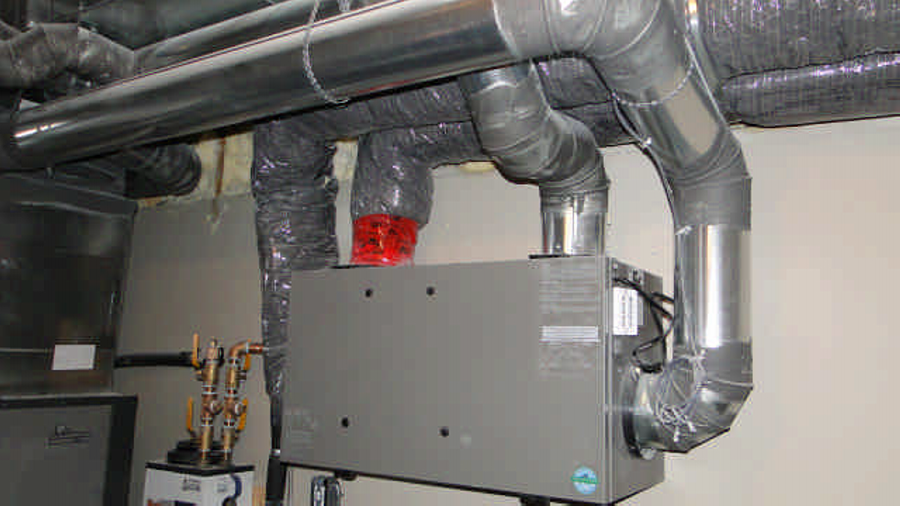
    Ensuring the effective operation and longevity of HRV-Ventilation-Systems necessitates adherence to precise installation protocols and a diligent maintenance regime. Manufacturers provide comprehensive guidelines that must be meticulously followed during the installation process to secure optimal functionality. It is pivotal that installations are conducted by professionals who possess a deep understanding of the system’s requirements, thereby guaranteeing that it is correctly integrated within the existing infrastructure of the home.

    Maintenance, a critical aspect of HRV systems, involves regular inspections to confirm the system operates efficiently. This includes the cleaning and, when necessary, replacement of filters, a task that Furthermore, engaging a qualified technician for annual checks can preemptively address potential malfunctions, ensuring the system remains in peak condition

    Such preventative measures are essential for maintaining the system’s efficacy, safeguarding against unforeseen repairs, and extending the unit’s service life. This approach to installation and maintenance underscores the commitment to sustaining an environment characterized by superior air quality and energy efficiency.

    The Cost-Benefit Analysis of Investing in an Air Recovery Ventilation System

    Investing in an Air Recovery Ventilation System, such as an HRV, involves a comprehensive analysis of both upfront costs and long-term benefits. Initially, the purchase and installation of an HRV system represent a significant expenditure. This outlay, however, is mitigated over time by the system’s ability to reduce energy consumption. By recapturing heat from exhaust air and diminishing the need for additional heating or cooling, these systems substantially lower utility bills.

    Moreover, the enhancement of indoor air quality can lead to health benefits, potentially reducing medical expenses associated with air-quality-related conditions. The longevity of HRV systems, coupled with their minimal maintenance requirements, further underscores the financial viability of this investment. The environmental aspect, while not directly quantifiable in monetary terms, contributes to a broader societal benefit by reducing the household’s carbon footprint.

    Thus, the initial financial commitment is counterbalanced by the enduring advantages of reduced operational costs, health improvements, and environmental sustainability, painting a favorable picture of the long-term economic and ecological impact of installing an air recovery ventilation system.

    Case Studies: Real-Life Success Stories of HRV-Ventilation

    The effectiveness of HRV-Ventilation-Systems is illuminated through a series of compelling case studies. One notable example involves a family residing in a historically draughty home in the United Kingdom. After enduring years of high heating bills and inconsistent indoor temperatures, they decided to install an HRV system. The result was a dramatic improvement in both the comfort of their home and their energy consumption.

    Another case study comes from a newly constructed eco-friendly home in Scotland, designed from the outset to incorporate an HRV system. The homeowners reported that the system played a crucial role in maintaining a stable and comfortable indoor environment throughout the year, despite the variable Scottish climate. Additionally, the HRV system contributed to the home achieving an outstanding energy efficiency rating, setting a benchmark for sustainable living.

    These real-life stories highlight the tangible benefits of HRV systems in diverse settings, showcasing their adaptability and effectiveness in improving indoor comfort, reducing energy usage, and supporting health and well-being. The experiences of these homeowners underline the potential of HRV-Ventilation-Systems to transform living spaces into more sustainable, comfortable, and healthy environments.

    Future Trends in Buy Heat Recovery Ventilator Technology

    The realm of Buy Heat Recovery Ventilator technology is on the cusp of significant advancements, promising to enhance both the efficacy and user experience of these systems. Innovations in smart technology are expected to play a pivotal role, introducing sophisticated controls and sensors that optimize system performance in real-time.

    These enhancements will not only adjust ventilation rates automatically based on indoor air quality and occupancy levels but also incorporate predictive algorithms that anticipate changes in the external environment, ensuring optimal efficiency.

    Furthermore, the integration of air purification features is anticipated, offering a dual function that not only recovers heat but also purifies air, thus elevating the standard of indoor air quality. This progression towards more intelligent and multifunctional systems indicates a future where HRV technology not only contributes to energy conservation and environmental sustainability but also actively improves health and comfort in living spaces.

    Maximizing Energy Savings with MVHR Systems

    Mechanical Ventilation with Heat Recovery (MVHR) systems represent a sophisticated solution for enhancing energy efficiency within residential settings. These systems are ingeniously designed to reclaim heat not only from the outgoing air but also from warm exhaust streams, such as those from kitchens and bathrooms. This dual recovery process is particularly beneficial in dwellings experiencing high demands for heating and cooling.

    The strategic deployment of MVHR systems within a property can led to substantial reductions in energy bills, underscoring the systems’ role in fostering a more sustainable and economically viable living environment. By leveraging the advanced technology inherent in MVHR systems, households can achieve a balance between maintaining optimal indoor air quality and pursuing aggressive energy conservation goals.

    The efficiency of these systems is further enhanced when integrated into homes designed or renovated with energy savings in mind, such as those incorporating high levels of insulation and airtight construction techniques. In essence, MVHR systems stand at the forefront of energy-saving ventilation solutions, offering a robust response to the challenges of modern, eco-conscious living without compromising on comfort or indoor air quality.

    Maximizing HRV Efficiency with Proper Use and Maintenance

    Achieving the highest level of efficiency from HRV systems is contingent upon diligent maintenance and judicious operation. An essential routine involves the cleaning of filters, which is critical in maintaining air quality and system performance. Adjustments to fan speeds in response to varying indoor air requirements further enhance the system’s efficiency, tailoring its operation to real-time needs.

    Additionally, commissioning annual maintenance checks conducted by qualified technicians plays a pivotal role in preempting potential issues, ensuring the HRV system continues to function optimally. These practices, when observed consistently, contribute significantly to the sustainability and efficacy of HRV-Ventilation, ensuring that the benefits of improved air quality and energy savings are fully realized.

    Conclusion

    In summarizing the exploration of HRV Ventilation System, it is evident that these innovative solutions stand at the intersection of environmental sustainability and enhanced indoor living quality. The journey from understanding the fundamental mechanics behind HRV technology to recognizing its myriad benefits, key features, and practical application tips underscores the pivotal role such systems play in contemporary residential environments. These systems epitomize the advancement in domestic climate control technologies, prioritizing energy efficiency, air quality, and user comfort. The adoption of HRV systems aligns with the broader trend towards eco-friendly living practices, showcasing how technological innovation can foster significant energy savings and contribute to a more sustainable future.

    FAQS

    1. What is Heat Recovery and Ventilation System and how does it work?

    Heat Recovery and Ventilation System is a type of ventilation system that exchanges stale indoor air with fresh outdoor air while recovering heat from the outgoing air. It uses a heat exchanger to transfer heat from the exhaust air to the incoming fresh air, which helps maintain indoor temperature and improves air quality without significant heat loss.

    2. What are the benefits of using an HRV-Ventilation-System?

    HRV systems offer several benefits, including improved indoor air quality, enhanced energy efficiency, and better temperature control. They help reduce humidity levels, remove pollutants and odors, and decrease the need for additional heating or cooling by recovering and reusing heat from the exhaust air.

    3. Is an HRV-Ventilation-System suitable for all types of buildings?

    HRV systems are suitable for a wide range of buildings, including residential homes, commercial spaces, and industrial facilities. They are especially beneficial in well-insulated, airtight buildings where natural ventilation might be insufficient to maintain good air quality and temperature control.

    4. How does the installation of an HRV system impact building design?

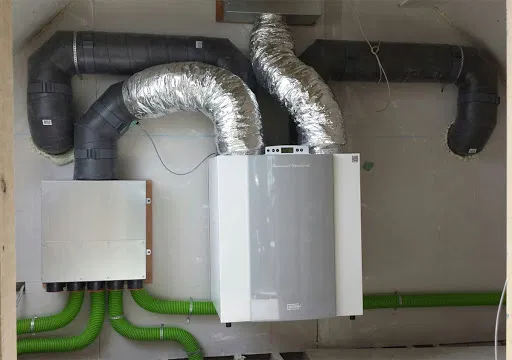
    Installing an HRV system requires careful planning and integration into the building’s design. The system involves ductwork and vents that need to be strategically placed for optimal air circulation and heat recovery. For new constructions, HRV can be seamlessly incorporated into the design. In existing buildings, retrofitting may be needed, which could involve some modifications.

    5. What maintenance is required for an HRV-Ventilation-System?

    HRV systems require regular maintenance to function efficiently. This includes cleaning or replacing air filters every three to six months, checking and cleaning the heat exchanger annually, and ensuring that the ductwork is free of obstructions. Regular maintenance helps ensure optimal performance, energy efficiency, and longevity of the system.

    Other Good Articles to Read
    Gabrielle Blogs
    Jason Toff Blogs
    Thumb Blogs
    Blog Shifter
    Social Bookmarking Blogs
    Free Blogs Template
    Blog Solidaire
    Michael Coyne Blog
    Born Free Blog
    Oz Blog Hosting
    Indepth News
    Related Business Listings
    Contact Directory
    Local Business Profiles


  • Undeniable Necessity of Heat Recovery Ventilation Unit

    Undeniable Necessity of Heat Recovery Ventilation Unit

    Energy efficiency is crucial for sustainable growth and development in today’s industrial landscape. One effective way to achieve energy efficiency is by harnessing the power of Heat Recovery Ventilation Unit. HRUs are innovative solutions that capture waste heat and convert it into usable energy, reducing energy costs and environmental impact.

    Benefits of a Heat Recovery Unit

    Energy Savings

    Heat recovery unit can help reduce energy costs by recovering waste heat and using it to pre-heat incoming fluid. This can lead to significant energy savings, especially in industries where heat is a critical process component. By recovering waste heat, HRUs can reduce the energy needed to heat incoming fluid, resulting in lower energy bills and a more efficient process.

    Environmental Benefits

    Heat recovery units can help reduce greenhouse gas emissions and minimize environmental impact. By recovering waste heat, HRUs can reduce the energy needed to generate heat, which can lead to reduced emissions. Additionally, HRUs can help reduce water pollution by minimizing the amount of wastewater generated by industrial processes.

    Increased Efficiency

    Heat recovery units can help increase efficiency by recovering waste heat and using it to improve the overall process. HRUs can pre-heat incoming fluid, reducing the time and energy needed to heat it to the required temperature. This can lead to faster production times, increased productivity, and a more efficient process.

    Cost-Effective

    Heat recovery units are cost-effective for industries looking to reduce energy costs and improve efficiency. HRUs can pay for themselves through energy savings and increased productivity, making them a worthwhile investment for many industries. Additionally, HRUs can help extend the lifespan of equipment and reduce maintenance costs by reducing the strain on heating systems.

    Reliability

    Heat recovery units are designed to be reliable and long-lasting, making them a trustworthy solution for industries that require consistent heat recovery. HRUs are built with durable materials designed to withstand the rigours of industrial use, making them a reliable choice for many industries. Additionally, HRUs require minimal maintenance, making them a low-maintenance solution for heat recovery.

    Common Applications of Heat Recovery Units

    Heat recovery units (HRUs) have a wide range of applications across various industries, including:

    -Power generation

    HRUs recover heat from power plant exhaust gases, increasing efficiency and reducing emissions. This is particularly useful in combined-cycle power plants, where HRUs can recover heat from the exhaust gases of gas turbines and use it to produce steam for the steam turbine.

    Chemical processing

    HRUs recover heat from chemical reactions, reducing energy costs and improving process efficiency. For example, in producing chemicals such as ammonia, HRUs can recover heat from the reaction process and use it to produce steam for power generation or process heating.

    Oil and gas

    HRUs recover heat from oil and gas processing, reducing energy consumption and emissions. For example, in oil refineries, HRUs can recover heat from refining and use it to produce steam for power generation or process heating. Heat Recovery Unit

    Challenges and Solutions in Implementing Heat Recovery Ventilation System

    – High initial costs: Heat Recovery Ventilation System requires significant investment, but long-term energy savings and cost reductions can offset this cost. Industries can consider financing options or grants for energy-efficient projects to address this challenge.

    – Space constraints: HRUs require space for installation, but compact designs and modular systems can address this challenge. For example, modular HRUs can be installed in existing facilities without requiring additional space.

    – Maintenance requirements: HRUs need regular maintenance, but scheduling regular checks and inspections can ensure optimal performance. Industries can also consider outsourcing maintenance to specialized companies to reduce the burden on their maintenance teams.

     Future Developments and Trends in Heat Recovery Units

    Heat recovery units (HRUs) offer several benefits for industries that require efficient heat management. One of the most significant advantages of HRUs is their ability to reduce energy costs. By recovering waste heat and using it to pre-heat incoming fluid, HRUs can significantly reduce the energy needed to heat the fluid to the required temperature. This can lead to substantial energy savings, especially in industries where heat is a critical process component.

    In addition to energy savings, HRUs also offer environmental benefits. By reducing the energy needed to generate heat, HRUs can help minimize greenhouse gas emissions and reduce the environmental impact of industrial processes. Furthermore, HRUs can help reduce water pollution by minimizing the wastewater generated by industrial processes. This makes HRUs an attractive solution for industries looking to reduce their environmental footprint.

    HRUs are also a cost-effective solution for industries looking to improve efficiency. While the initial investment in an HRU may seem significant, the long-term energy savings and increased productivity can quickly pay for the cost of the unit. Additionally, HRUs can help extend the lifespan of equipment and reduce maintenance costs by reducing the strain on heating systems. This makes HRUs a worthwhile investment for many industries.

    Overall, HRUs offer a reliable and efficient solution for industries that require heat recovery. With their ability to reduce energy costs, minimize environmental impact, and improve efficiency, HRUs are an attractive solution for many industries. Additionally, HRUs are designed to be durable and long-lasting, making them a trustworthy choice for industries that require consistent heat recovery.

    Tips to Maintain Heat Recovery and Ventilation System

    Regular Cleaning

    Regular cleaning is essential to maintain the efficiency and performance of Heat Recovery Ventilation System. Dust, dirt, and other debris can accumulate on the heat exchanger surfaces, reducing heat transfer and increasing pressure drops. Cleaning the HRU regularly can help prevent these issues and ensure optimal performance. Use a soft brush or cloth to clean the HRU, and avoid using harsh chemicals or abrasive materials that can damage the surfaces.

    Inspect and Replace Filters

    Filters play a crucial role in maintaining the performance and efficiency of heat recovery units. Regularly inspect the filters to ensure they are clean and free from damage. Replace the filters as the manufacturer recommends or when they become damaged or clogged. Clean or replace the filters to prevent dust and debris from entering the HRU and reducing its performance.

    Monitor Temperature and Pressure

    Monitoring temperature and pressure levels is essential to ensure the HRU operates within safe and efficient parameters. Regularly check the temperature and pressure gauges to ensure they are within the recommended ranges. High temperatures or pressures can damage the HRU or reduce its performance, while low temperatures or pressures can indicate a problem with the system.

    Schedule Regular Maintenance

    Scheduling regular maintenance checks with a qualified technician can help identify and address potential issues before they become major problems. Regular maintenance can include inspecting and cleaning the HRU, replacing filters, and checking electrical connections. Regular maintenance can help extend the lifespan of the HRU and ensure it operates efficiently and effectively.

    Check Electrical Connections

    Regularly check electrical connections to ensure they are secure and not damaged. Loose or damaged electrical connections can cause the HRU to malfunction or fail, resulting in costly repairs or safety hazards. Check the electrical connections regularly and tighten or replace them to ensure the HRU operates safely and efficiently.

    Industries That Need Heat Recovery Units

    Power Generation and Utility Companies

    Heat recovery units can recover heat from power plant exhaust gases, increasing efficiency and reducing emissions. This is particularly useful in combined-cycle power plants, where HRUs can recover heat from the exhaust gases of gas turbines and use it to produce steam for the steam turbine.

    Chemical and Petrochemical Plants

    Heat recovery units can recover heat from chemical reactions, reducing energy costs and improving process efficiency. For example, in producing chemicals such as ammonia, HRUs can recover heat from the reaction process and use it to produce steam for power generation or process heating.

    Oil and Gas Refineries

    Heat recovery units can recover heat from oil and gas processing, reducing energy consumption and emissions. For example, in oil refineries, HRUs can recover heat from refining and use it to produce steam for power generation or process heating.

    Manufacturing and Processing Facilities

    Heat recovery units can recover heat from various manufacturing processes, reducing energy costs and improving process efficiency. For example, in producing paper, HRUs can recover heat from the drying process and use it to produce steam for power generation or process heating.

    Incinerators and Turbines

    Heat recovery units can recover heat from the hot exhaust and gases discharged by industrial equipment such as incinerators and turbines. This heat can produce steam for power generation or process heating, reducing energy costs and emissions.

    Case Studies and Examples

    Power Plant Heat Recovery_A power plant in the United States installed a heat recovery unit to recover waste heat from its gas turbines. The HRU used the recovered heat to produce steam, which was then used to power a steam turbine, generating additional electricity. The HRU increased the power plant’s efficiency by 10% and reduced greenhouse gas emissions by 12%.

    Chemical Plant Heat Recovery

    A chemical plant in Europe installed a heat recovery unit to recover waste heat from its chemical reactions. The HRU used the recovered heat to pre-heat incoming fluid, reducing the energy needed to heat the fluid to the required temperature. The HRU saved the plant $1.2 million in energy costs per year and reduced greenhouse gas emissions by 15%.

    Oil Refinery Heat Recovery

    An oil refinery in the Middle East installed a heat recovery unit to recover waste heat from refining processes. The HRU used the recovered heat to produce steam, which was then used to power a steam turbine, generating additional electricity. The HRU increased the refinery’s efficiency by 12% and reduced greenhouse gas emissions by 18%.

    Paper Mill Heat Recovery

    A paper mill in the United States installed a heat recovery unit to recover waste heat from its paper drying processes. The HRU used the recovered heat to pre-heat incoming fluid, reducing the energy needed to heat the fluid to the required temperature. The HRU saved the mill $800,000 in energy costs annually and reduced greenhouse gas emissions by 10%.

    HVAC Heat Recovery

    A commercial building in Canada installed a heat recovery unit to recover waste heat from its HVAC system. The HRU used the recovered heat to pre-heat incoming fluid, reducing the energy needed to heat the fluid to the required temperature. The HRU saved the building $200,000 in energy costs annually and reduced greenhouse gas emissions by 12%.

     Conclusion

    In conclusion, heat recovery units (HRUs) are an effective and efficient solution for industries looking to reduce energy costs, minimize environmental impact, and improve overall efficiency. By recovering waste heat and using it to pre-heat incoming fluid, HRUs can significantly reduce the energy needed to heat it to the required temperature. This can lead to substantial energy savings, reduced greenhouse gas emissions, and extended equipment lifespan. HRUs are a reliable and cost-effective solution with a quick return on investment and minimal maintenance requirements. With their ability to recover heat from various sources, including power plants, chemical reactions, oil refineries, paper mills, and HVAC systems, HRUs offer a versatile solution for various industries. As industries continue to seek innovative solutions to reduce their environmental footprint and improve efficiency, HRUs are poised to play a critical role in achieving these goals. By implementing HRUs, industries can reduce energy costs and emissions and contribute to a more sustainable future.

    FAQ’S

    What is a heat recovery system?

    –       A heat recovery system is a ventilation system that recovers heat from the air in your home that would otherwise be wasted.

    How does a heat recovery system work?

    –       Heat recovery systems extract moist air from the rooms in your home and transfer the heat from that air to fresh air from outside.

    Where do heat recovery systems work best?

    –       Heat recovery systems work best in well-insulated homes and industrial settings.

    Other Good Articles to Read
    Gabrielle Blogs
    Jason Toff Blogs
    Thumb Blogs
    Blog Shifter
    Social Bookmarking Blogs
    Free Blogs Template
    Blog Solidaire
    Michael Coyne Blog
    Born Free Blog
    Oz Blog Hosting
    Indepth News
    Related Business Listings
    Contact Directory
    Local Business Profiles


  • Reasons to Invest in Heat Recovery and Ventilation System

    Reasons to Invest in Heat Recovery and Ventilation System

    Are you looking to improve your indoor air quality, save on energy bills, and reduce your carbon footprint? Investing in a heat recovery ventilation system could be the answer you’ve been searching for. By harnessing the power of heat recovery and ventilation, these systems can provide a range of benefits for your home or business. In this blog post, we will explore solid reasons why you should consider investing in a Heat Recovery and Ventilation System.

    Enhanced Indoor Air Quality

    A heat recovery ventilation system significantly upgrades air quality inside your premises. It draws fresh air from the outside and expels stale, contaminated air from within, ensuring a constant supply of clean air. This process filters out pollutants, allergens, and dust, improving occupants’ air. The system’s design allows for the removal of harmful indoor air pollutants, including everything from volatile organic compounds (VOCs) released from furnishings and building materials to carbon dioxide generated by breathing, thus reducing the risk of respiratory issues and enhancing overall well-being.

    Furthermore, maintaining optimal indoor air quality supports a healthier living and working environment, which is essential for those with allergies or respiratory conditions. This continual air renewal and purification underscores the importance of such a system in maintaining a clean, healthy indoor atmosphere, free from the pollutants that pervade our modern lives.

    Energy Efficiency and Lower Heating Bills

    Heat recovery ventilation systems are ingeniously designed to recapture the warmth from outgoing air and use it to temper the incoming fresh air. This innovative process significantly reduces the demand on your heating system during the colder months, directly leading to a noticeable reduction in heating costs. By leveraging the heat that would typically be exhausted to the outdoors, these systems ensure that very little energy is wasted.

    As a result, homeowners and businesses alike can enjoy a cosy, warm environment without the hefty price tag, making these systems an intelligent choice for those looking to optimise their energy consumption. The efficiency gained translates into lower energy bills, positioning heat recovery ventilation systems as a pivotal investment for achieving sustainable energy usage in homes and commercial spaces. HRV Ventilation

    Reduction in Carbon Footprint

    Heat recovery ventilation systems stand at the forefront of energy-efficient technologies, pivotal in diminishing your property’s environmental impact. Through their advanced mechanism, these systems repurpose the warmth from the expelled indoor air, significantly reducing the need for additional heating. This innovation reflects a reduction in energy consumption and contributes markedly to the decrease in greenhouse gas emissions associated with domestic and commercial heating.

    As the world gravitates towards greener solutions to address climate change, incorporating such systems into our homes and workplaces is a practical step towards minimising our ecological footprint. Embracing heat recovery ventilation is a proactive measure, aligning personal comfort with environmental stewardship, thus fostering harmony between modern living and sustainability.

    Prevention of Condensation and Mould

    Heat recovery ventilation systems offer an efficient solution to the common problems of condensation and mould growth within properties. By continuously cycling fresh air in and stale air out, these systems maintain a balance that significantly reduces the conditions conducive to mould development. Moisture-laden air, which often contributes to the formation of condensation on windows and walls, is effectively removed before it can settle and encourage mould spores to proliferate.

    It not only aids in keeping the structural elements of your home healthy but also contributes to a cleaner living environment by preventing the growth of mould, which can be detrimental to both the property and the health of its occupants. With the ability to manage humidity levels actively, heat recovery ventilation systems are a proactive step towards safeguarding your home against the risks associated with excessive moisture and mould.

    Continuous Supply of Fresh Air with HRV ventilation

    Investing in a heat recovery ventilation (HRV) system ensures that your property benefits from a steady stream of fresh air, which is crucial for maintaining a healthy indoor environment. Here are the key advantages:

    Constant Ventilation

    Unlike traditional ventilation methods that depend on opening windows, an HRV system provides continuous airflow, ensuring your indoor space is always supplied with fresh air without losing heat.

    Improved Comfort

    By balancing indoor humidity levels and providing constant fresh air, HRV systems create a more comfortable living and working environment, free from stuffiness or dry air.

    Filtering Out Pollutants

    The system efficiently filters incoming air, removing pollutants and particulates. This is particularly beneficial in urban areas where outdoor air quality may be compromised.

    Energy Efficiency

    As fresh air is warmed by the heat from the outgoing stale air, heating systems have less strain to maintain a comfortable temperature, contributing to energy savings.

    By integrating HRV ventilation, properties gain the advantage of a healthier indoor climate, optimised for comfort and energy efficiency, without compromising air quality or incurring unnecessary energy costs.

    Compatibility with Existing Heating Systems

    The adaptability of heat recovery ventilation systems to complement existing heating setups is a significant advantage for homeowners looking to enhance their indoor climate without extensive modifications. Whether your home has a conventional central heating system, underfloor heating, or even radiators, a heat recovery ventilation system can be incorporated with minimal disruption. This compatibility extends the benefits of improved air quality and energy efficiency across various heating arrangements, offering a streamlined approach to upgrading your home’s ventilation.

    The integration process is designed to be straightforward, ensuring that the transition not only boosts the system’s effectiveness but also maintains the integrity and performance of your current heating solution. This seamless blend between old and new technologies empowers homeowners to achieve a healthier indoor environment and energy savings without significant infrastructural changes.

    Low Maintenance Requirements for the HRV Ventilation System

    One of the appealing aspects of a heat recovery ventilation (HRV) system is its low maintenance requirements, making it an ideal choice for busy homeowners and commercial property managers. These systems are designed with simplicity and longevity, requiring only periodic checks and basic upkeep to ensure optimal performance. Typically, maintenance involves the regular cleaning or replacing of filters to maintain air quality, alongside a general inspection of the system to ensure everything is functioning as it should.

    Compared to more complex heating and cooling solutions, HRV systems do not demand frequent professional servicing, which can significantly reduce long-term upkeep costs. This ease of maintenance enhances the appeal of installing an HRV Ventilation System. It ensures that it continues to operate efficiently over time, providing a consistent return on investment through improved air quality and energy savings without the burden of high maintenance demands.

    Noise Reduction Capabilities

    Heat recovery ventilation systems are adept at operating with minimal noise disruption, a feature that significantly enhances the comfort of any living space. Their design incorporates advanced technology that ensures the system’s mechanics work quietly in the background, preventing external noise intrusion and the system’s operational sounds. Reducing noise pollution is particularly beneficial in residential areas, where maintaining a tranquil environment is paramount for relaxation and concentration.

    The discreet operation of these systems allows occupants to enjoy the benefits of constant fresh air and temperature regulation without the annoyance of loud mechanical noises, making it an unobtrusive addition to the home environment. This quiet efficiency is a testament to the sophisticated engineering behind heat recovery ventilation systems, prioritising occupant comfort and serenity.

    Enhanced Property Value

    A heat recovery ventilation system is a critical feature that can significantly enhance the attractiveness of your property in the competitive housing market. Modern buyers increasingly seek homes that embody sustainable living and energy efficiency, making such systems highly desirable. A heat recovery ventilation system signals a commitment to environmental responsibility and long-term cost savings, which are rapidly gaining priority among discerning homeowners.

    Furthermore, the added benefit of improved indoor air quality and the system’s contribution to a healthier living environment can be a decisive factor for potential buyers. This investment elevates your home’s appeal and can translate into a higher resale value, offering a tangible return on investment beyond energy savings and comfort.

    Improved Sleep Quality

    The constant renewal of fresh, clean air facilitated by a heat recovery ventilation system is a boon for those seeking a good night’s rest. This system ensures that bedroom environments are free from pollutants and allergens that can disrupt sleep patterns and contribute to sleep disorders. With the added benefit of maintaining an optimal sleeping temperature, the body can relax more fully into restorative sleep cycles.

    It is particularly beneficial during colder months when indoor air quality deteriorates. Ensuring a continuous supply of fresh air can significantly improve sleep quality, making it easier to fall and stay asleep, leading to a more restful and rejuvenating night.

    Air Recovery Ventilation System – Support for Allergy Sufferers

    For individuals with allergies, a heat recovery ventilation system provides essential relief by significantly reducing allergens in the indoor environment. These systems adeptly filter out pollen, dust mites, and pet dander, common triggers for allergy symptoms, from the air before they enter your home. Continuous circulation of purified air ensures that allergens are constantly removed, providing a sanctuary for allergy sufferers. This can lead to a marked improvement in living conditions, reducing the frequency and severity of allergic reactions such as sneezing, itching, and respiratory discomfort.

    Particularly during seasons when pollen levels are high or in areas prone to dust, the benefits of having an air recovery ventilation system become invaluable, offering fresh air to those impacted by allergies. This targeted support enhances the quality of life for allergy sufferers, making it an indispensable feature in creating a healthier, more comfortable home environment.

    Easy Integration with Smart Home Systems

    The compatibility of heat recovery ventilation systems with contemporary smart home technologies is a significant boon for modern homeowners. This seamless connectivity facilitates the effortless management of your indoor climate, offering the luxury of adjusting settings through smartphones or voice-activated devices. The integration enables users to tailor the ventilation rates based on actual need or preference, potentially enhancing energy efficiency.

    Additionally, it provides the convenience of monitoring air quality levels in real-time, ensuring that the indoor environment remains optimal for inhabitants’ health and comfort. This advanced functionality underscores the system’s adaptability to today’s digital lifestyle, making it a forward-thinking addition to any home seeking to blend comfort with technological innovation.

    Buy Heat Recovery Ventilator for long-term savings that outweigh the initial costs

    Investing in a heat recovery ventilator may appear as a significant upfront expense, but it’s a decision that pays dividends in the long run. The substantial savings on energy bills quickly offset the initial outlay, thanks to the system’s efficiency in utilising warmth from extracted air. Over time, the reduced need for additional heating and cooling means that the running costs of your property are markedly decreased. Maximize savings with a heat recovery ventilator. Despite initial costs, enjoy long-term benefits in energy efficiency and indoor air quality. Buy Heat Recovery Ventilator now!

    Furthermore, these systems’ durability and low maintenance requirements ensure that they continue to provide financial benefits for years to come without necessitating frequent or costly repairs. This makes the purchase of a heat recovery ventilator a wise financial decision for those seeking to enhance their living environment and achieve long-term savings. The financial outlay initially considered becomes an investment in future cost-efficiency, solidifying the system’s role as a prudent choice for eco-conscious homeowners.

    Contribution to a Sustainable Future

    Opting for a heat recovery ventilation system signifies a proactive stance towards environmental sustainability. It embodies a commitment to leveraging technology for eco-friendly living, aligning personal comfort with the broader goal of ecological preservation. These systems are at the heart of modern sustainable building practices, highlighting the role of individual choices in the collective effort to mitigate climate change.

    By significantly reducing energy needs and, thus, carbon emissions, each installation becomes a step forward in the journey towards a greener planet. This choice not only reflects an investment in the health and well-being of occupants but also in the health of our environment, reinforcing the importance of sustainable solutions in today’s world.

    Conclusion

    Embracing a Heat Recovery and Ventilation System offers a multifaceted solution to the modern homeowner or business, marrying the necessity for enhanced air quality with the imperative of energy conservation. This investment is not merely a response to immediate comfort and health benefits but a conscientious step towards a more sustainable and environmentally friendly living or working space. Through adopting such systems, we contribute to a future where efficiency, well-being, and ecological responsibility merge, paving the way for a healthier planet and a more sustainable way of inhabiting it.

    FAQ’s

    Frequently asked questions about heat recovery ventilation systems often highlight common concerns and curiosities potential buyers might have. Here, we further address some of the most pertinent queries to clarify these innovative systems’ benefits and functionality.

    1. How does a heat recovery ventilation system work?

    Heat recovery ventilation (HRV) systems extract warm, stale air from inside your property and heat fresh, incoming air from outside. This process ensures energy efficiency and provides a continuous supply of fresh air, enhancing indoor air quality.

    2. Is it expensive to run an HRV system?

    Despite the initial installation costs, HRV systems are designed to be energy-efficient, potentially leading to lower energy bills. The system reuses heat that would otherwise be wasted, reducing overall heating demand and operational costs.

    3. Can HRV systems be used in all types of buildings?

    HRV systems can be adapted to suit various properties, from residential homes to commercial buildings. Their flexibility and compatibility with existing heating systems make them viable for most building types.

    1. Do I still need to open windows if I have an HRV system?

    While HRV systems provide a continuous flow of fresh air, you might occasionally want to open windows for direct ventilation or in case of exceptionally high indoor pollutants. However, for the most part, the system efficiently maintains air quality, reducing the need for open windows.

    Other Good Articles to Read
    Gabrielle Blogs
    Jason Toff Blogs
    Thumb Blogs
    Blog Shifter
    Social Bookmarking Blogs
    Free Blogs Template
    Blog Solidaire
    Michael Coyne Blog
    Born Free Blog
    Oz Blog Hosting
    Indepth News
    Related Business Listings
    Contact Directory
    Local Business Profiles


  • The Advantages Of Having Mechanical Ventilation Heat Recovery Systems In Your Home

    The Advantages Of Having Mechanical Ventilation Heat Recovery Systems In Your Home

    Are you considering installing a mechanical ventilation heat recovery system in your home? If so, you are making an excellent decision. Mechanical heat recovery systems provide several advantages to homeowners, from improved energy efficiency to better air quality. ThisNot only can these systems reduce your energy bills and make your home more comfortable. Still, they can also help improve indoor air quality and reduce environmental impact. This blog post will discuss advantages of having mechanical ventilation heat recovery systems in your home. Read on to learn more about the benefits of having an automated ventilation heat recovery system in your home.

    Heat Exchange Ventilation System Is Much More Energy Efficient

    A heat exchange ventilation system is an excellent way to improve your home’s energy efficiency. It reduces the energy used to heat the house by reducing the need for additional heating sources. An MVHR unit uses a heat exchanger to transfer heat from the air expelled from the building and recovers it for reuse within the building.

    The recovered heat is transferred back into the home, helping to maintain a comfortable temperature and reduce energy consumption. As the MVHR system operates constantly, it helps to ensure an even temperature throughout the house while using less energy than traditional heating systems. The improved energy efficiency helps to reduce your energy bills while creating a more comfortable living space.

    Home Heat Recovery System Helps Improve Indoor Air Quality

    Having a home heat recovery system in place can be incredibly beneficial for improving indoor air quality. A mechanical ventilation heat recovery system works by exchanging heat between two different sources, usually between the exhaust air and the incoming fresh air. It helps reduce the hot or cold air that escapes through the building envelope.

    As a result, your home will maintain a comfortable temperature throughout the year while reducing energy costs. However, the most crucial benefit is that these systems help reduce the number of airborne pollutants and allergens entering your home. Controlling the air pressure prevents these pollutants from entering your home through cracks or small openings in the walls or windows. These systems are equipped with filters that catch dust, pollen, and other pollutants, providing cleaner and healthier air inside your home.

    By installing a mechanical ventilation heat recovery system, you can rest assured that you are breathing in fresher, cleaner air, which can improve the overall health and well-being of those living in your home

    mechanical ventilation heat recovery systems 

    Heat Recovery Ventilation Unit Helps Control Humidity Levels

    Humidity levels can significantly impact our home’s comfort and health. Too much humidity can lead to mould growth, while too little can cause dryness in the air, which can cause respiratory issues.

    A heat recovery ventilation unit can help maintain healthy humidity levels in your home by transferring moisture between the air being exhausted and supplied. This process helps to keep the humidity comfortable and healthy, ensuring your home is free of excess water and dry air. The unit also helps to filter out particles that may be present in the incoming air, making the air inside your home cleaner and healthier. It can help reduce the incidence of allergies and other respiratory problems.

    The Whole House Heat Recovery System Is Quieter

    A whole house heat recovery system in your home can make it much quieter. It is because the system works to reduce the amount of noise that passes through the walls and into your living space. Sometimes, the noise level can be decreased by up to 80%. It makes it easier to sleep and relax in your home, especially in an area with a lot of noise pollution.

    The system also helps reduce drafts which can make the air in your home feel colder and uncomfortable. Not only does this help improve comfort and reduces your heating costs since your system won’t have to work as hard to keep the temperature stable.

    A Heat Recovery And Ventilation System Require Less Maintenance

    A heat recovery and ventilation system in your home can save you time, energy and money for maintenance. It means that the system is more durable and requires less frequent maintenance. There are fewer moving parts than in traditional methods, making them easier to maintain. Heat exchangers are designed to be corrosion-resistant and have fewer parts that require maintenance.

    In addition, the heat recovery unit will also help reduce the dust, pollen and other airborne particles that enter your home. It reduces the amount of cleaning required, which ultimately means less maintenance.

    Finally, the heat recovery unit helps to reduce energy consumption, which means fewer repairs and maintenance costs. By reducing energy consumption, you’ll enjoy lower utility bills and use the savings for other purposes.

    Home Heat Recovery Ventilation System Is Safer

    When it comes to improving the air quality of your home, you need to ensure that you have a reliable and safe system. A home heat recovery ventilation system is one of the safest options available. Unlike other systems, these are designed to protect your home from accumulating pollutants, toxins, and other harmful substances.

    The heat exchange process helps to reduce the number of air pollutants inside your home. It prevents the accumulation of dangerous chemicals or gases in the air. It also helps to minimize dust, smoke, and other allergens which can cause breathing problems.

    The mechanical ventilation heat recovery unit is also designed with safety features such as fire-resistant materials, double-walled insulation, and sealed joints. It helps to protect your home from any fire hazard. The unit is also tested to ensure it meets industry safety standards.

    A recovery ventilation system can help you ensure your indoor air is safe and free from harmful substances. It also protects against fire hazards and is quieter than other ventilation systems.

    Mechanical Heat Recovery Unit Is More Durable

    When investing in a home comfort system, one of the most essential features you want is durability. After all, you want to keep your system the same for a few years. With a mechanical heat recovery unit, you don’t have to worry about that.

    A mechanical ventilation heat recovery unit is designed to be more durable than other systems. It is because it uses a combination of fans and air-to-air exchangers to move air and heat throughout the home, resulting in less wear and tear on components. The internal parts of the unit are designed to last longer as well.

    The high-quality materials used to construct the unit also help ensure its longevity. The team is typically made of metal or plastic, solid and durable materials that can withstand wear and tear over time. The quality of the components also helps ensure the unit will stand up to the rigours of everyday use.

    The final benefit of a mechanical ventilation heat recovery unit is its low maintenance requirements. It makes it an attractive choice for busy homeowners who want a reliable system that they don’t have to worry about maintaining. The unit can last for years with minimal attention, proper care and maintenance. The air filters will need to be replaced periodically, but only a little else needs to be done.

    Investing in a mechanical ventilation heat recovery unit is a wise decision that can provide many benefits. Not only is it energy efficient, but it also helps improve indoor air quality and control humidity levels. Plus, it’s quieter, safer, and more durable than other systems, making it an excellent investment for your home.

    They Add Value To Your Home

    Installing a mechanical ventilation heat recovery system in your home can be a great way to add value and appeal to potential buyers. This system helps reduce energy costs and improve indoor air quality, attractive features for potential buyers. Furthermore, having a high-efficiency system will allow you to market your home as being ‘green’, giving it an edge over similar homes on the market.

    In addition, when you install a mechanical ventilation heat recovery system in your home, you may qualify for tax credits or other financial incentives. Depending on the type of system you choose, you could be eligible for up to $2,000 in rebates or incentives from federal or state governments. It is a great way to recoup some of your installation costs, and it will also help to add value to your home.

    Finally, installing a mechanical ventilation heat recovery system can be considered a long-term investment. Using this system, you can expect to save on energy bills year after year. And as energy costs continue to rise, the savings will become even more noticeable. These savings make it easier to justify the installation cost since the return on your investment will be substantial.

    Overall, installing a mechanical ventilation heat recovery system in your home is an excellent way to add value and appeal to potential buyers. Not only will it help reduce energy costs and improve indoor air quality, but it could also qualify you for rebates and financial incentives. It’s worth considering if you want to add value to your home.

    Conclusion

    Installing a mechanical ventilation heat recovery system in your home has numerous benefits. They help improve indoor air quality and control humidity levels while also helping to reduce energy costs and save money on maintenance. Plus, they are quieter and more durable than traditional systems and can add value to your home. A mechanical ventilation heat recovery system is an excellent choice if you’re looking for a more efficient and effective way to keep your home comfortable.

    Related Websites:
    Articles on Blogshunt
    Articles on tbablogs
    Articles on Blogspeoples
    Articles on Thebigblogtheory
    Articles on Allcityforums

  • How Installing A Mechanical Ventilation Heat Recovery Systems Can Benefit Your Home

    How Installing A Mechanical Ventilation Heat Recovery Systems Can Benefit Your Home

    Mechanical ventilation heat recovery systems are a great way to improve your home’s energy efficiency while reducing your energy bills. Installing an automated ventilation heat recovery system can offer many benefits, including improved air quality, comfort, and reduced energy costs. With these benefits, you’ll see why this system can be an excellent investment for your home.

    Heat Exchange Ventilation System Can Improve Indoor Air Quality

    A heat exchange ventilation system, also known as an MVHR, is an energy-efficient way to improve indoor air quality in your home. These systems use fans to draw air from outside and exhaust air from inside your home to exchange fresh, clean air for stale, polluted air. This process helps remove pollutants from your home, such as smoke, dust, and other allergens.

    The system also helps to reduce moisture levels in your home, which can help to prevent mould and mildew growth.

    Mechanical ventilation heat recovery systemsHigh humidity levels can also be hazardous to your health, as they can promote the growth of bacteria and other organisms. You can keep these moisture levels in check with a heat exchange ventilation system.

    Furthermore, these systems can help to regulate temperatures throughout your home. By removing hot or cold air and replacing it with fresh air, the system can help to keep your home cooler in the summer and warmer in the winter. It can result in greater energy efficiency and fewer fluctuations in temperature throughout the home.

    Home Heat Recovery System Can Reduce Energy Costs

    Installing a home heat recovery system can help reduce energy costs in your home. This type of system uses the same principles of an HVAC system to transfer heat from inside to outside. It also has a fan that draws air from the outside and circulates it through the house. It allows fresh air to be brought in, but with the added benefit of transferring heat from inside to outside so that you don’t need to use as much energy to heat or cool your home. The result is lower energy bills, as you won’t need as much energy to keep your home at a comfortable temperature.

    Additionally, some heat recovery systems can monitor and adjust the temperature depending on the conditions, which further helps reduce energy costs. Because of this ability to monitor and adapt, these systems are perfect for people living in climates that vary throughout the year. For example, if temperatures tend to rise during summer, this system will automatically adjust the temperature to ensure it doesn’t get too hot in your home.

    Heat Recovery Ventilation Unit Can Reduce Your Carbon Footprint

    Heat recovery ventilation unit is an excellent way to reduce your carbon footprint. You can make the most of the heat that is produced by your HVAC system. It helps to reduce the amount of energy used, reducing the amount of carbon dioxide released into the atmosphere.

    It works by taking in warm air from one area of your home and transferring it to another location. This process, known as heat exchange, can help save up to 90% of the energy that would usually be wasted.

    The warm air is circulated throughout the home, and this helps to keep the temperature comfortable in all areas. As a result, you’ll need less energy to heat or cool your home during the winter and summer months. A heat recovery system will also significantly improve the indoor air quality of your home by reducing the presence of pollutants, allergens, and other airborne contaminants.

    A Whole House Heat Recovery System Can Extend The Life Of Your HVAC System

    Installing a whole house heat recovery system can help extend your HVAC system’s life. Heat recovery systems are designed to reduce strain on the central HVAC unit, allowing it to run more efficiently and for more extended periods. Using a heat recovery system, you can reduce the amount of time that the central unit runs, which helps reduce wear and tear over time. In addition, heat exchange systems also reduce the risk of overheating and ensure that air is adequately circulated throughout your home.

    It can help prevent dust and other allergens from building up in your HVAC system, leading to poor indoor air quality. Overall, installing a whole house heat recovery system can help keep your HVAC system in good working condition for longer. It can save you money by avoiding costly repairs or replacements and reducing energy costs by using less energy.

    Heat Recovery And Ventilation System Can Create A More Comfortable Indoor Environment

    Heat recovery and ventilation system is designed to help you create a more comfortable indoor environment without compromising energy efficiency. An MVHR system works by recovering the heat energy from extracted air and transferring it into the incoming supply air. It helps to maintain a comfortable temperature indoors while also reducing energy costs.

    The MVHR system filters the air, removing dust and other allergens from the atmosphere, which can help reduce respiratory conditions and improve air quality. The MVHR system also helps regulate humidity levels, helping to prevent dampness and condensation that can lead to mould growth.

    An MVHR system ensures a healthy and comfortable indoor environment for you and your family. Additionally, because these systems require little maintenance, they are easier to install and operate than traditional heating and cooling systems.

    Home Heat Recovery Ventilation System Can Improve The Resale Value Of Your Home

    When it comes to increasing the resale value of your home, installing a home heat recovery ventilation system can be an excellent investment. With the addition of a heat recovery unit, your home will become much more attractive to potential buyers. The energy-efficient features of a mechanical ventilation heat recovery system make it an ideal choice for those looking to save money on energy bills.

    Furthermore, many potential buyers are willing to pay more for a home equipped with this type of system, as they know they won’t have to spend extra money in the future to make their home more efficient. A heat recovery system can also provide added value if you are planning to put your house up for sale, as it can improve the air quality in the place, making it more pleasant for potential buyers.

    All in all, investing in a home heat recovery ventilation system can be a great decision when it comes to improving the resale value of your property.

    Mechanical Heat Recovery Unit Can Help To Preserve The Environment

    A mechanical heat recovery unit is a great way to help preserve the environment. Heat recovery ventilation systems take advantage of the natural energy in the air and use it to preheat or precool the air entering your home. This process reduces the amount of energy that must be used to keep your home comfortable and helps reduce greenhouse gas emissions. It makes them an ideal choice for those who are looking for ways to reduce their carbon footprint. Additionally, using heat recovery units can help reduce the amount of energy consumed by your HVAC system, which can further reduce your impact on the environment.

    Conclusion

    Installing a Mechanical Ventilation Heat Recovery System in your home can be a great way to improve the air quality, reduce energy costs, reduce your carbon footprint, extend the life of your HVAC system, create a more comfortable indoor environment, improve the resale value of your home, and help to preserve the environment. All these benefits make it an investment that can pay for itself in the long run and is worth considering for any homeowner.

    Related Websites:
    Articles on Blogshunt
    Articles on tbablogs
    Articles on Blogspeoples
    Articles on Thebigblogtheory
    Articles on Allcityforums