Tag: heart specialist Sydney

  • Meet Your Heart Specialist Sydney for Better Heart Health

    Meet Your Heart Specialist Sydney for Better Heart Health

    Are you looking for a heart specialist in Sydney to help you achieve better heart health? Look no further! Our team of highly trained and experienced cardiologists are dedicated to providing the best care and treatment for your heart. We understand the importance of a healthy heart and are committed to helping you maintain it. With cutting-edge technology and a patient-centred approach, our Heart Specialist Sydney are here to guide you on your journey towards a stronger and healthier heart. Let’s meet your heart specialist and take the first step towards better heart health together.

    Understanding the Role of a Heart Specialist

    When it comes to matters of the heart, a heart specialist plays a crucial role in maintaining and improving your heart health. But what exactly is the role of a heart specialist?

    A heart specialist, also known as a cardiologist, is a medical professional who specializes in diagnosing and treating conditions related to the heart and blood vessels. They are experts in identifying and managing various heart conditions, such as coronary artery disease, heart failure, arrhythmias, and congenital heart defects.

    The role of a heart specialist goes beyond just diagnosing and treating heart conditions. They are also responsible for assessing your overall cardiovascular health and developing a personalized treatment plan based on your specific needs. It may include lifestyle modifications, medication management, and, in some cases, invasive procedures or surgeries.

    Furthermore, a heart specialist is an essential part of your healthcare team, working collaboratively with other healthcare professionals, such as primary care physicians and cardiac surgeons, to provide comprehensive and coordinated care.

    Identifying Symptoms and Risks that Require a Heart Specialist

    If you’re experiencing symptoms that are causing concern or have certain risk factors for heart disease, it may be time to seek the expertise of a heart specialist. Identifying the symptoms and risks that require a heart specialist is essential for early detection and effective treatment.

    Some common symptoms that may indicate the need for a heart specialist include chest pain or discomfort, shortness of breath, palpitations, dizziness or lightheadedness, and swelling in the legs or ankles. These symptoms could be a sign of various heart conditions, such as coronary artery disease or heart failure. It’s important to pay attention to these warning signs and consult a heart specialist for proper evaluation and diagnosis.

    In addition to symptoms, certain risk factors also warrant a visit to a heart specialist. These risk factors include a family history of heart disease, high blood pressure, high cholesterol, smoking, diabetes, obesity, and a sedentary lifestyle. Suppose you have any of these risk factors. In that case, it’s crucial to prioritize your heart health and schedule an appointment with a heart specialist for a comprehensive evaluation and personalized care plan.
    Latest Innovations in Heart Specialist Sydney Care

    In the field of heart specialist care in Sydney, there have been numerous advancements and innovations that have revolutionized the way heart conditions are diagnosed and treated. These latest innovations are changing the landscape of cardiovascular care, offering patients new hope and better outcomes.

    One of the most significant innovations is the use of minimally invasive procedures for the treatment of heart conditions. This approach allows for smaller incisions, reduced scarring, and faster recovery times compared to traditional open-heart surgeries. For example, minimally invasive heart valve replacements can now be performed using catheters, eliminating the need for open-heart surgery.

    Another exciting innovation is the use of artificial intelligence (AI) in the field of cardiology. AI algorithms are being developed to analyze large amounts of patient data and provide valuable insights for diagnosis and treatment planning. These algorithms can help detect patterns and identify high-risk patients, allowing for early intervention and personalized treatment plans.

    Additionally, the advent of telemedicine has greatly improved access to Heart Specialist Sydney care. Patients can now consult with their cardiologists remotely, allowing for more convenient appointments and reducing the need for travel. Telemedicine has proven especially beneficial for patients in rural areas who may have limited access to specialized heart care.

    Choosing Your Heart Specialist: What to Consider

    When it comes to choosing a heart specialist in Sydney, there are several important factors to consider. Your heart health is of utmost importance, and finding the right specialist to guide you on your journey is crucial. Here are some key things to think about when making your decision.

    First and foremost, you want to ensure that the heart specialist you choose is highly qualified and experienced in their field. Look for certifications and accreditations, as well as reviews and testimonials from previous patients. A reputable heart specialist will have a track record of success and positive patient outcomes.

    Additionally, consider the location and accessibility of the specialist’s clinic or hospital. You want to choose a provider who is easily accessible for regular check-ups and follow-up appointments. It is especially important if you have any ongoing heart conditions that require ongoing care and monitoring.

    Another factor to consider is the communication style and bedside manner of the heart specialist. You want to feel comfortable and confident in your doctor’s ability to explain complex medical terms and treatment options in a way that you can understand. A good heart specialist will take the time to listen to your concerns and answer any questions you may have.

    Enhancing Your Heart Health: Prevention and Treatment Options

    To enhance your heart health, it’s crucial to prioritize prevention and explore the various treatment options available. Prevention plays a significant role in maintaining a healthy heart, and it’s never too early to start implementing healthy lifestyle habits. Incorporating regular exercise into your routine, adopting a balanced diet rich in fruits, vegetables, and whole grains, managing stress levels, and quitting smoking are all essential steps to prevent heart disease and promote overall heart health.

    In addition to prevention, there are various treatment options available for individuals with existing heart conditions. Depending on the severity of the condition, treatment may include medications to manage symptoms and improve heart function, lifestyle modifications to address risk factors, or surgical interventions such as angioplasty or bypass surgery.

    Your heart specialist in Sydney will work closely with you to develop a personalized treatment plan tailored to your specific needs and goals. They will guide you through the available options, explain potential risks and benefits, and help you make informed decisions about your care.

    Caring for Your Heart after Treatment

    After undergoing treatment for a heart condition, it’s essential to continue caring for your heart to ensure long-term success and maintain optimal heart health. While the treatment provided by your heart specialist in Sydney is crucial, it’s equally important to take steps to support your recovery and prevent future complications.

    One of the key aspects of caring for your heart after treatment is following the guidelines and recommendations provided by your heart specialist. It may include taking prescribed medications as directed, making lifestyle modifications such as adopting a heart-healthy diet, exercising regularly, and attending regular follow-up appointments to monitor your progress.

    Additionally, it’s essential to prioritize self-care and manage stress levels. High levels of stress can have a detrimental impact on your heart health, so finding healthy ways to cope with stress, such as practising relaxation techniques or engaging in activities you enjoy, is crucial.

    It’s also important to maintain open and honest communication with your heart specialist. If you experience any new symptoms or concerns, don’t hesitate to reach out and seek guidance. Your heart specialist is there to support you and provide any necessary adjustments to your treatment plan.

    FAQs about heart Specialist

    Do you have questions about heart specialists and their role in maintaining and improving heart health? We’ve got you covered! In this section, we’ll address some frequently asked questions about heart specialists to provide you with the information you need.

    1. What is a Heart Specialist Sydney?

    A heart specialist, also known as a cardiologist, is a medical professional who specializes in diagnosing and treating conditions related to the heart and blood vessels. They are experts in identifying and managing various heart conditions, such as coronary artery disease, heart failure, arrhythmias, and congenital heart defects.

    2. When should I see a heart specialist?

    You should consider seeing a heart specialist if you experience symptoms such as chest pain or discomfort, shortness of breath, palpitations, dizziness, or swelling in the legs or ankles. Additionally, suppose you have risk factors for heart disease, such as a family history of heart disease, high blood pressure, high cholesterol, smoking, diabetes, obesity, or a sedentary lifestyle. In that case, it’s important to seek the expertise of a heart specialist.

    3. What treatments do heart specialists offer?

    Heart specialists offer a range of treatments depending on the specific condition. These may include lifestyle modifications, medication management, minimally invasive procedures, or surgeries. Your heart specialist will develop a personalized treatment plan based on your needs and goals.

    4. How do I choose the right heart specialist for me?

    When choosing a heart specialist, it’s important to consider their qualifications, experience, location, communication style, and cost. Look for certifications and accreditations, read reviews from previous patients, and ensure the specialist is easily accessible for regular check-ups and follow-up appointments.

    5. How can I prevent heart disease?

    Prevention is key to maintaining a healthy heart. Incorporate regular exercise into your routine, adopt a balanced diet, manage stress levels, quit smoking, and address any risk factors you may have. Your heart specialist can guide prevention strategies tailored to your specific needs.

    Conclusion

    In conclusion, taking care of your heart health is crucial for overall well-being. By partnering with a dedicated and experienced heart specialist in Sydney, you can receive the best care and treatment for your heart. From early detection and personalized treatment plans to the latest innovations in cardiovascular care, your heart specialist will guide you towards a stronger and healthier heart. Remember to prioritize prevention, follow recommended guidelines, and maintain open communication with your specialist. With the right support, you can achieve better heart health and live a fulfilling life.
    Other Good Articles to Read
    Blogs-Nation
    Blogs-Peoples
    bryan smith blogs
    intellect blogs
    the fault in our blogs
    blogs eu
    oz forums
    Recruitment Blogs
    Zet Blogs
    Id Blogs
    Blogs Tudiolegale
    Blogs Map
    Local Business Profiles in Australia
    Business Directory Australia
    Business Listings Europe
    Business Directory Europe
  • Understanding the Process of Your First Appointment with a Heart Specialist Sydney

    Understanding the Process of Your First Appointment with a Heart Specialist Sydney

    Your first appointment with a heart specialist in Sydney can be a nerve-wracking experience. After all, you’re entrusting a qualified professional with the well-being of your heart and overall health. Knowing what to expect during this appointment can help you to feel more at ease. In this blog post, we will discuss the process of your first appointment with a heart specialist Sydney, including what tests may be performed and what questions you can expect to be asked. With this information, you can prepare for your first appointment and feel confident you will receive the best possible care.

    Understanding the Role of a Heart Specialist

    A heart specialist, a cardiologist, is a medical professional specializing in diagnosing and treating heart-related conditions and diseases. These highly skilled professionals have received specialized training to treat the heart and circulatory systems.

    The heart is a vital organ responsible for pumping blood throughout the body. The circulatory system is responsible for transporting oxygen and nutrients to tissues and organs. Heart specialists are experts in managing heart conditions such as coronary artery disease, heart failure, arrhythmias, and congenital heart defects.

    These professionals work alongside other healthcare providers to develop personalized patient treatment plans. Treatment plans may involve medication, lifestyle changes, or medical procedures. They also educate patients on preventive measures to maintain good heart health.

    It’s essential to consult a heart specialist if you experience any symptoms or conditions related to the heart and circulatory system. A heart specialist can provide a proper diagnosis and treatment plan to manage your condition. Heart Specialist Sydney

    Preparing for Your First Appointment

    Your first appointment with a heart specialist in Sydney is important in managing your heart health. To make an appointment, it is essential to come prepared and informed. Here are a few things you can do to prepare for your work:

    1. Gather Your Medical Records:

    Ensure you have all your relevant medical records, including previous test results, medication lists, and family medical history.

    1. Create a List of Symptoms:

    Please list any symptoms you have been experiencing, including their duration, severity, and any triggers that may worsen them.

    1. Bring Your Medications:

    Ensure you bring a list of all the medications you are currently taking, including prescription and over-the-counter ones.

    1. Have Your Insurance Information Ready:

    Ensure you have your insurance information ready, including your insurance card and relevant contact information.

    1. Ask Questions:

    Write down any questions or concerns you have so that you can discuss them with your heart specialist during the appointment.

    Coming prepared and informed can help your heart specialist provide you with the best care possible.

    What to Bring to Your Appointment

    When preparing for your first appointment with a heart specialist in Sydney, you must bring along some crucial documents and information to aid your evaluation and diagnosis. Here are some items you should remember to bring:

    1. Medical records: Carry along your recent medical records and previous test results, including X-rays, CT scans, or MRIs.
    2. Medication list: A comprehensive list of your current medication, including the prescribed and over-the-counter drugs, will be useful for your specialist in understanding your overall health.
    3. Insurance card: Be sure to carry your health insurance card, which will assist your specialist in determining your insurance coverage and necessary tests.
    4. Symptoms diary: Keep a record of your symptoms, the date and time they occur, and their severity, as this information is valuable in diagnosis and treatment.
    5. Questions list: Write down any questions about your condition and treatment options, allowing you to discuss them with your specialist.

    By coming to your appointment with these essential items, you are better prepared for your consultation, which can help you receive proper treatment for your condition.

    Why You Might Need to See a Heart Specialist Sydney

    A heart specialist Sydney, also known as a cardiologist, specializes in diagnosing, treating, and preventing heart diseases and disorders. There are many reasons why you might need to see a heart specialist, including:

    1. You have a family history of heart disease:

    If you have a family history of heart disease, you may be at an increased risk of developing heart problems. A heart specialist can assess your risk and provide you with strategies to lower your risk.

    1. You have high blood pressure or high cholesterol:

    High blood pressure and high cholesterol are two major risk factors for heart disease. A heart specialist can help you manage these conditions to prevent heart problems.

    1. You are experiencing symptoms of heart disease:

    Common symptoms of heart disease include chest pain, shortness of breath, fatigue, and dizziness. If you are experiencing any of these symptoms, seeing a heart specialist as soon as possible is important.

    1. You have a history of heart attacks or heart surgery:

    If you have an account of heart attacks or heart surgery, you may need ongoing care from a heart specialist to manage your condition.

    1. You are at risk for developing heart disease:

    If you have other risk factors for heart disease, such as diabetes, smoking, or obesity, a heart specialist can provide you with guidance and support to help you reduce your risk.

    Diagnostic Tests and Examinations: Exploring the Evaluation Process

    During your first appointment with a heart specialist in Sydney, you can expect to undergo various diagnostic tests and examinations as part of the evaluation process. These tests aim to determine your heart’s health, identify any potential issues or conditions, and create an effective treatment plan.

    Some common diagnostic tests and examinations you may undergo during your first appointment with a heart specialist in Sydney include electrocardiogram (ECG), stress testing, echocardiogram, blood tests, and more. The specialist will discuss these tests with you and explain what to expect during each procedure.

    The specialist may also perform a physical examination to evaluate your overall health, including your blood pressure, weight, and any other relevant factors that may impact your heart health.

    Following the specialist’s instructions carefully during the evaluation process is essential to ensure you receive the most accurate results possible. Remember to ask questions about the tests or the process, as understanding the procedures can help alleviate any concerns.

    Conducting Medical History and Physical Examination

    Once you are settled into the consultation room, the heart specialist in Sydney will begin by conducting a comprehensive medical history and physical examination. This is essential in evaluating your overall heart health and determining the root cause of any existing or potential issues.

    During the medical history portion of your visit, the heart specialist will inquire about any symptoms you have been experiencing, such as chest pain, shortness of breath, fatigue, and any other heart-related issues. They may also ask about your medical history, including any heart conditions that may be hereditary or present in your family.

    Following this, the physical examination will begin. The specialist will perform a series of tests to evaluate your heart’s health, including blood pressure, pulse rate, and heart rhythm. They may also conduct an electrocardiogram (ECG) test, which records the electrical activity of your heart. This helps the specialist identify underlying cardiac problems and determine the most suitable treatment approach.

    It’s essential to remember that the heart specialist In Sydney is here to help and support you throughout the process. Be sure to communicate openly and honestly about your symptoms and any concerns you may have to receive the most accurate and beneficial treatment.

    Discussing Symptoms and Concerns

    During your first appointment with a heart specialist, discussing any symptoms and concerns you have about your heart health is essential. Be open and honest with your doctor about your lifestyle, health history, and any medications or supplements you are taking.

    You may be experiencing symptoms such as chest pain, shortness of breath, or palpitations. Describing these symptoms in detail is important to help your doctor understand what you are experiencing. Your doctor may also ask questions about your family history of heart disease and other medical conditions that may affect your heart health.

    Based on your symptoms and medical history, your heart specialist may recommend further testing, such as an electrocardiogram (ECG) or echocardiogram, to evaluate your heart function. Remember, the more information you provide, the better your doctor can help you. Feel free to ask questions or voice any concerns you may have. Your heart specialist is there to provide guidance and support for your heart health.

    3 FAQs about Heart Specialist Sydney

    Certainly! Here are three frequently asked questions (FAQs) about pole saws in Brisbane:

    1. What are the qualifications of a Heart Specialist in Sydney?

    Heart specialists, also known as cardiologists, undergo rigorous training and education to specialize in diagnosing, treating, and managing heart-related conditions. They complete at least three years of specialized training in internal medicine and then three more years in cardiology. Additionally, they must pass board certification exams to practice as Heart Specialists in Sydney.

    2. What types of heart conditions do Heart Specialist Sydney treat?

    Heart Specialists Sydney diagnose and treat a wide range of heart-related conditions such as coronary artery disease, heart attack, heart valve disease, arrhythmia, heart failure, congenital heart defects, and peripheral artery disease.

    3. What treatments do Heart Specialist Sydney offer?

    Heart specialists use various treatment methods depending on the severity and type of condition. They may prescribe medication, recommend lifestyle changes, perform invasive procedures like angioplasty, cardiac catheterization, or surgery, implant pacemakers or defibrillators, and educate and counsel patients and their families. Your heart specialist will work with you to create a personalized treatment plan to manage your condition effectively.

    Conclusion

    Your first appointment with a Sydney heart specialist can be a daunting experience, but it is important to remember that your health is their top priority. Understanding the process and preparing beforehand can help alleviate anxiety and ensure a smooth appointment.

    During your appointment, you can expect a comprehensive evaluation that includes a medical history and physical examination, diagnostic tests, and discussions about your symptoms and concerns. It is important to bring a list of any medications, supplements, or allergies you may have.

    Other Good Articles to Read
    Skank Blogs
    Unreal Blogs
    Tba Blogs
    All City Forums
    Dany Blogs
    Refuge Blogs
    The Music Blogs
    Key Forums
    Joe Blogs
    Blogs 4 Me
    Blogs Emon
  • Heart Specialist Sydney: A Guide to Holter Monitor Testing and Treatment Options

    Heart Specialist Sydney: A Guide to Holter Monitor Testing and Treatment Options

    Heart disease is one of the leading causes of death worldwide, and Sydney is no exception. However, with technological advancement and medical expertise, Sydney has some of the best heart specialists who can effectively diagnose and treat heart disease. In this blog, we will discuss the importance of heart specialist Sydney, the Holter monitor test, and the availability of cardiologists in Sydney.

    Why Consult a Heart Specialist in Sydney?

    A heart specialist, a cardiologist, is a professional medical specialising in diagnosing and treating heart diseases. Heart diseases can range from minor issues like palpitations to severe conditions like heart attacks and heart failure. Consulting a heart specialist in Sydney is crucial because heart disease is often asymptomatic, and early detection can save your life.

    Heart specialists in Sydney have access to the latest diagnostic and treatment tools and are well-equipped to provide the best care to their patients. They work closely with other medical professionals like primary care physicians, cardiac surgeons, and electrophysiologists to provide comprehensive care to their patients.

    The Holter Monitor Test Sydney

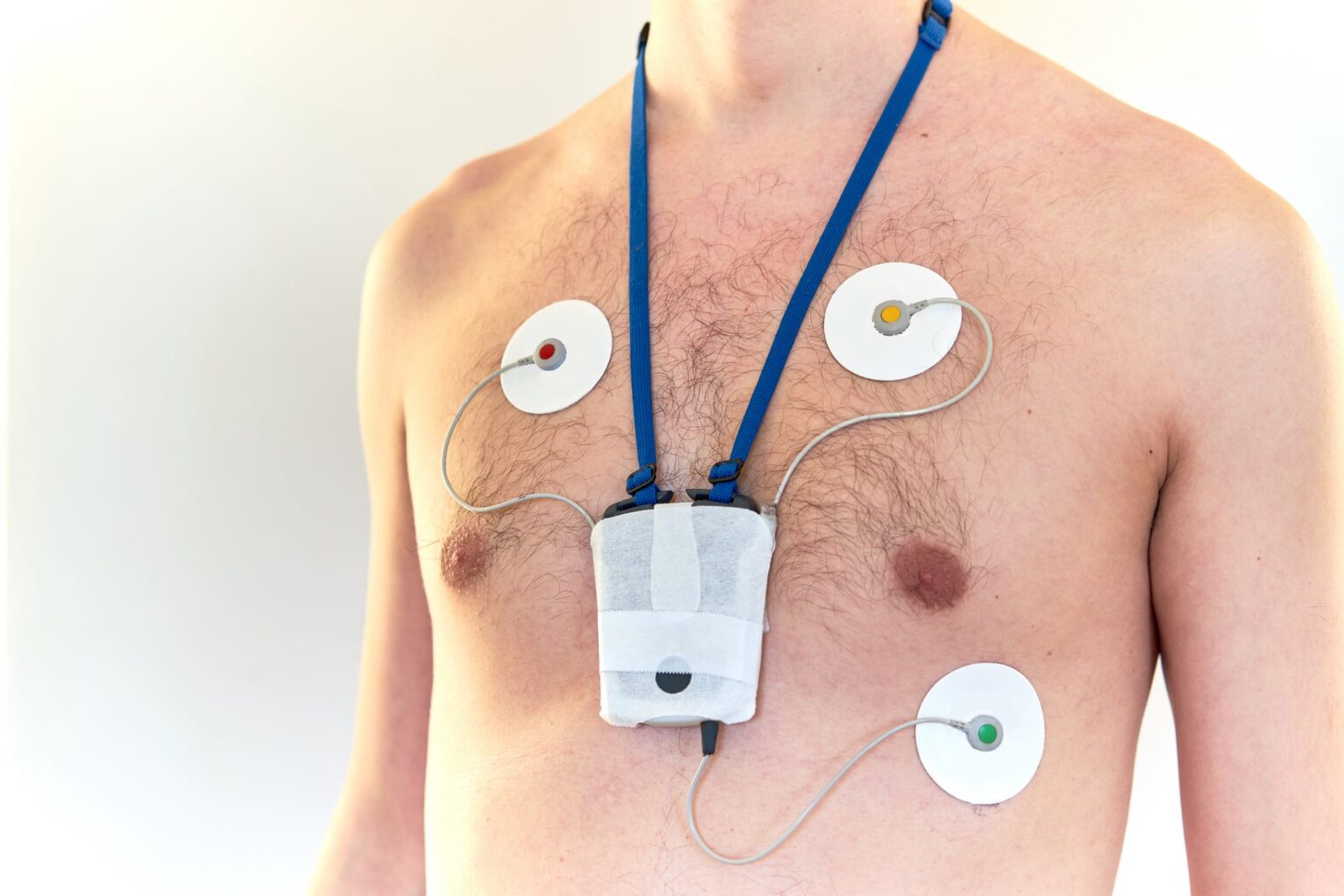
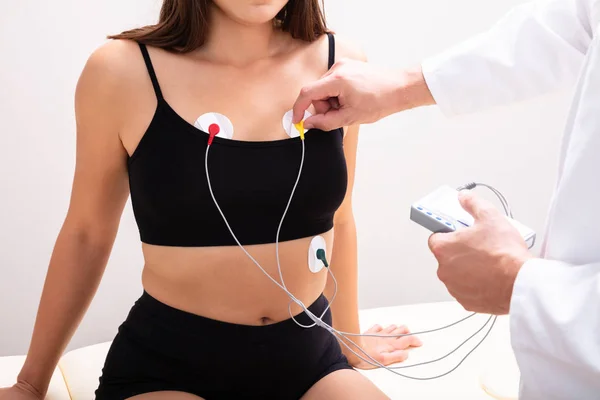
    The Holter monitor test Sydney is a diagnostic test that records your heart’s electrical activity throughout 24 to 48 hours. The test involves attaching electrodes to your chest, connected to a small recording device you wear on your waist or shoulder. The test is painless and non-invasive, and you can carry out your daily activities as usual while wearing the device.

    heart specialist SydneyThe Holter monitor test detects irregular heartbeats, also known as arrhythmias. Arrhythmias can be harmless, but some can be life-threatening, especially if you have an underlying heart condition. The Holter monitor test is instrumental in diagnosing arrhythmias that may not appear during a routine electrocardiogram (ECG).

    The Holter monitor test is available in Sydney at most hospitals and cardiac diagnostic centres. Your heart specialist may recommend a Holter monitor test if you have symptoms like palpitations, dizziness, or fainting spells. If you experience these symptoms, you must consult a heart specialist in Sydney immediately.

    Cardiologists in Sydney

    Cardiologists in Sydney work in hospitals, private clinics, and research centres. They work in teams with other medical professionals like nurses, cardiac surgeons, and medical technicians to provide the best care to their patients

    Sydney has a wide range of cardiologists specialising in various heart disease aspects. Some of the most common specialties include:

    Interventional Cardiologists – These cardiologists specialise in performing minimally invasive procedures like angioplasty and stenting to treat blocked arteries.

    Electrophysiologists – These cardiologists specialise in treating heart rhythm disorders like arrhythmias and atrial fibrillation.

    Heart Failure Specialists – Cardiologists specialise in treating patients with heart failure, a condition where the heart cannot pump blood efficiently.

    Pediatric Cardiologists – These cardiologists specialise in treating children’s heart conditions.

    Preventive Cardiologists – These cardiologists focus on preventing heart disease by promoting healthy lifestyle habits like exercise, healthy eating, and stress management.

    .Heart disease is a prevalent health concern in Sydney, with coronary artery disease being the most common type. Other types of heart disease commonplace in Sydney include heart failure, arrhythmias, and valve diseases.

    Coronary artery disease occurs when the arteries that supply blood to the heart become narrow or blocked, reducing blood supply to the heart muscle. This can cause chest pain or discomfort, also known as angina, and lead to a heart attack if left untreated.

    Heart failure is when the heart cannot pump blood efficiently, leading to fluid buildup in the lungs and other parts of the body. This can cause symptoms like shortness of breath, fatigue, and swelling in the legs and feet.

    Arrhythmias are abnormal heart rhythms that can cause palpitations, dizziness, or fainting spells. Some arrhythmias can be life-threatening, especially if you have an underlying heart condition.

    Valve diseases occur when the valves in the heart do not function properly, leading to reduced blood flow to the body. Symptoms of valve diseases can include shortness of breath, chest pain, and fatigue.

    It is essential to consult a heart specialist in Sydney if you experience any of these symptoms, especially if you have risk factors for heart disease like high blood pressure, high cholesterol, or a family history of heart disease.

    Heart specialists in Sydney use various diagnostic tools to diagnose heart disease, including ECGs, echocardiograms, and stress tests. They also use advanced imaging techniques like CT and MRI scans to get a more detailed picture of the heart and blood vessels.

    Once a diagnosis is made, heart specialists in Sydney develop a personalised treatment plan based on the patient’s condition and medical history. Treatment options include lifestyle modifications like exercise and dietary changes, medications, and surgical procedures like angioplasty, stenting, or bypass surgery.

    In addition to treating heart disease, heart specialists in Sydney also focus on preventing heart disease by promoting healthy lifestyle habits like exercise, healthy eating, and stress management. They work closely with patients to develop a plan tailored to their needs and goals.

    Choosing a heart specialist in Sydney with expertise in your specific type of heart disease is essential. You can ask your primary care physician for a referral or search online for a cardiologist. Consider their experience, qualifications, and patient reviews when choosing a heart specialist..

    Conclusion

    heart disease is a serious health concern in Sydney, but with the help of a heart specialist, it can be effectively diagnosed and treated. The Holter monitor test is a valuable tool that can detect irregular heartbeats, and a range of cardiologists in Sydney specialise in different aspects of heart disease. If you experience any symptoms of heart disease, you must consult a heart specialist in Sydney immediately to receive the best possible care. Additionally, a healthy lifestyle can go a long way in preventing heart disease and improving overall heart health.

    Related Website
    Articles on allcityforums
    Articles on moblogs
    Articles on skankblogs
    Articles on tbablogs
    Articles on guiadeblogs 

  • Conditions That the Holter Monitor Test Sydney Can diagnose

    Conditions That the Holter Monitor Test Sydney Can diagnose

    The Holter Monitor Test Sydney is a medical diagnostic tool that monitors a patient’s heart rate and rhythm over 24 hours. It is a noninvasive test that can provide valuable information to diagnose various cardiac conditions. In this blog post, we will explore the conditions that the Holter Monitor Test Sydney can diagnose.

    Arrhythmias

    Heart rhythm irregularities, known as arrhythmias, are one of the conditions that the Holter Monitor Test can diagnose in Sydney. Several factors, such as heart disease or electrolyte imbalances, can cause arrhythmias. Some types of arrhythmia are benign and require no treatment, while others can be quite serious and require medical intervention. If you are experiencing any irregular heartbeat, it is important to consult a heart specialist in Sydney or one of the many Cardiologists in Sydney to determine the best course of action.

    heart specialist SydneyMyocardial Infarction? Consult a heart specialist Sydney


    A myocardial infarction, also known as a heart attack, is a potentially life-threatening condition that can be detected by the Holter monitor test Sydney. It occurs when the blood flow to an area of the heart muscle is blocked. This disrupts the vital functions that the heart carries out. Symptoms include chest pain, shortness of breath, nausea, and lightheadedness. If you experience any of these symptoms, it is important to contact your local heart specialist Sydney or cardiologists in Sydney immediately. The Holter monitor test Sydney can help to diagnose myocardial infarctions accurately and quickly, allowing for timely treatment that could help save your life. Heart specialists Sydney will likely recommend a Holter monitor test if they suspect a patient has had a heart attack. Discussing all options with your doctor before undergoing this testing is important so that you are aware of the risks involved. Cardiologists in Sydney also have specialized knowledge and expertise in interpreting Holter monitor results. When correctly interpreted, results from this test can provide helpful insight into the health of your heart. Furthermore, experts at heart specialists Sydney may suggest follow-up tests such as an echocardiogram if more information on your cardiac health is needed. Knowing what conditions the Holter monitor test Sydney can diagnose will give you peace of mind and ensure you get the necessary medical attention when needed.

    Pulmonary Embolism

    Pulmonary embolism is a condition that affects the pulmonary artery and its branches and can be diagnosed using a Holter monitor test in Sydney. Pulmonary embolism can be fatal, so it is important to seek medical attention if you experience any symptoms. Common symptoms include chest pain, shortness of breath, and coughing blood. Suppose your doctor suspects that you have a pulmonary embolism. In that case, they may refer you to a heart specialist in Sydney or one of the many cardiologists in Sydney for further testing. A Holter monitor test is a noninvasive way to diagnose this condition, as it can measure the electrical activity of your heart. The test involves wearing a device on your chest for a few days that records your heart’s rhythm and activity. The information gathered by the Holter monitor test can help the doctor determine if you are suffering from a pulmonary embolism.

    Cardiac Tamponade

    Cardiac tamponade is a life-threatening medical condition that occurs when the accumulation of fluids in the pericardial sac puts pressure on the heart, preventing it from functioning normally. Various conditions, including trauma, cancer, and infections, can cause it. The Holter monitor test Sydney can help diagnose this condition by looking for evidence of fluid accumulation in the pericardial sac. The most common symptoms of cardiac tamponade include shortness of breath, chest pain, and a rapid heart rate. If left untreated, this condition can be fatal, so seeking medical attention as soon as possible is important. Heart specialists in Sydney and cardiologists in Sydney will typically use the Holter monitor test to confirm a diagnosis of cardiac tamponade. The Holter monitor test Sydney can provide a comprehensive assessment of cardiac function and detect any rhythm or electrical activity changes associated with cardiac tamponade. Treatment for this condition usually involves draining the fluid from the pericardial sac, which requires a procedure known as pericardiocentesis. It is important to note that cardiac tamponade is an emergency condition and requires immediate medical attention to prevent further complications.

    Aortic Dissection? Seek Help from the Cardiologists in Sydney

    Aortic Dissection is a serious condition with a tear in the inner layer of the aorta, which is the body’s main artery. This tear leads to blood being forced between the layers of the aorta, causing a separation of the layers and causing pain. Aortic Dissection can be life-threatening, so it is important to be diagnosed and treated promptly. The Holter monitor test Sydney can be used to diagnose Aortic Dissection. Aortic Dissection is a condition that requires specialist attention from a heart specialist Sydney. If you think you may be suffering from this condition, it is important to seek medical attention from Cardiologists in Sydney immediately. Early diagnosis and treatment are key to improving outcomes with Aortic Dissection. Once diagnosed, treatment will depend on the severity of the condition. Treatment options include medications, lifestyle changes, and surgery. It is important to remember that Aortic Dissection is a severe condition and should not be taken lightly. If you have any signs or symptoms that could suggest Aortic Dissection, it is important to contact a heart specialist Sydney as soon as possible. Early diagnosis and treatment can save your life.

    Conclusion

    The Holter monitor test Sydney is an invaluable tool for heart specialists in Sydney and cardiologists to diagnose and treat various conditions. It is especially useful for detecting arrhythmias, myocardial infarction, pulmonary embolism, cardiac tamponade, and aortic Dissection. The accuracy of the results from the Holter monitor test can provide cardiologists in Sydney with the necessary information to accurately diagnose and manage various cardiac conditions. If you are experiencing any symptoms that could indicate a cardiac condition, it is important to seek medical advice from a heart specialist in Sydney.

    Related Websites:
    Articles on Blogshunt
    Articles on Blogseu
    Articles on Blogspeoples
    Articles on Thebigblogtheory
    Articles on Allcityforums

  • What are some prevalent medical issues treated by Cardiologists in Sydney?

    What are some prevalent medical issues treated by Cardiologists in Sydney?

    Cardiology is the branch of medicine dealing with disorders of the heart. The heart is a muscular organ that pumps blood through your body. It is one of the most vital organs in our bodies, and any other organ or tissue cannot replace its functions. Thus, cardiologists in Sydney are trained and qualified to treat various conditions related to the cardiovascular system. Here are some prevalent medical issues treated by cardiologists in Sydney:

    Cardiologists in Sydney are trained and qualified to treat cardiovascular diseases

    Cardiologists are specialized in diagnosing and treating heart-related diseases. They can also help you prevent such diseases by providing you with information on what to look out for, how to maintain good health and what lifestyle changes you should make to improve your cardiovascular system. Cardiology is a branch of medicine that deals with heart and blood vessel disorders. A cardiologist needs extensive training to become qualified because these professionals need to know how each part of your body works together and its parts individually so as not to confuse symptoms with other illnesses that may appear similar but are not caused by coronary artery disease (CAD).

    Doctors recommend Holter monitor test Sydney for Coronary Artery Disease (CAD)

    Coronary artery disease (CAD) is a narrowing of the arteries that supply blood to the heart. It’s often called “hardening of the arteries” because it causes fatty deposits called plaque to build up inside your coronary arteries. Coronary artery disease is the most common cause of death in the western world, accounting for over 300,000 deaths annually in Australia alone. The condition can develop slowly over time or suddenly due to an injury or illness such as high blood pressure and diabetes mellitus. When this happens, there isn’t enough oxygen-rich blood reaching your heart muscle because its supply has been cut off by narrowed coronary arteries–the vessels that deliver oxygenated blood throughout your entire body, including into your brain! For this purpose the cardiologists recommend the Holter monitor test Sydney after regular intervals of time.

    Rheumatic Heart Disease

    Rheumatic heart disease (RHD) is a type of heart disease caused by rheumatic fever. It’s an autoimmune disease that can lead to heart failure, arrhythmias and blood clots. The bacteria that cause RHD are Streptococcus pyogenes, which live on our skin and noses. When you get an infection from these bacteria, it triggers your immune system to attack them with antibodies called anti-streptolysin O antibodies (ASO). If you have been infected with this type of strep before or if you’re born into a family with a history of RHD, then your body may produce too many ASOs, which damage the walls inside your heart valves, causing them to become stiffened and narrow over time – preventing blood from flowing properly through them.

    Cardiomyopathy

    Cardiomyopathy is a disease of the heart muscle. The cardiac muscle becomes enlarged and thickened, which makes it harder for your heart to pump blood through your body. Cardiomyopathies are usually caused by genetic factors or alcohol abuse, but they can also be caused by high blood pressure and other factors. Cardiomyopathy can lead to heart failure or sudden cardiac arrest (SCA). Heart failure occurs when your weakened heart cannot pump enough blood through your body at rest, even though you’re not exercising or exerting yourself physically. SCA occurs when an electrical disturbance causes sudden death within one minute of onset; symptoms include dizziness and chest pain that lasts for more than 20 minutes without relief

    Congestive Heart Failure

    Congestive heart failure is a condition that occurs when the heart muscle is unable to pump enough blood to meet the body’s needs. It can lead to fluid build-up in the lungs, legs, and abdomen. The symptoms of congestive heart failure include:

    • Shortness of breath or fatigue while exercising
    • Swelling in your ankles or feet (edema)
    • Feeling tired all the time

    Endocarditis

    Endocarditis is a potentially life-threatening condition involving inflammation of the heart’s inner lining (the endocardium). This article will discuss the causes, symptoms, risk factors and treatments for endocarditis. The main cause of endocarditis is a bacterial infection in your bloodstream. It can also occur when you have an artificial heart valve or prosthetic cardiac device. A membrane called staphylococcal protein A keeps bacteria from entering your blood vessels and causing infections; if it breaks down due to aging or other reasons, it becomes easier for bacteria to enter your body through open wounds or cuts on your body skin.

    Heart Attack (Acute Myocardial Infarction)

    Cardiologists in SydneyA heart attack is a medical emergency that should be treated immediately. Call an ambulance immediately if you suspect that you or someone you know has suffered a heart attack. In addition to calling for help, several things can be done while waiting for the paramedics’ arrival:

    • Administer CPR if necessary (you may want to learn how).
    • Give oxygen if available and not contraindicated by other injuries or conditions such as asthma; do not give mouth-to-mouth resuscitation unless the victim’s airway is blocked by vomit or blood from broken teeth or gums.

    Myocarditis / Pericarditis

    Myocarditis is an inflammation of the heart muscle. The most common cause of myocarditis is a viral infection, which can also be caused by other infections or drugs that damage the heart muscle. Pericarditis is an inflammation of the pericardium (a membrane surrounding your heart). The most common cause of pericarditis is a bacterial infection, but it can also be caused by other infections or even cancerous growths in or around your chest cavity.

    A Heart specialist Sydney treats medical issues related to the heart

    A heart specialist Sydney treats heart issues. Cardiology is the medical specialty that studies and treats diseases of the heart. They are trained to treat prevalent cardiovascular disease, such as high blood pressure, coronary artery disease and congestive heart failure; they also treat congenital heart defects in children (cardiac anomalies). They have extensive training in treating all types of cardiac arrhythmias (abnormal rhythms), including atrial fibrillation or AFib; ventricular tachycardia/ventricular fibrillation (V-tach/VF); long QT syndrome; Wolff-Parkinson-White Syndrome.

    Conclusion

    Cardiologists in Sydney are trained and qualified to treat cardiovascular diseases. They understand all aspects of the heart, including its function and structure. Please contact us today if you have any questions related to this article or would like more information on how we can help with your heart issue.

    Related Websites:
    Articles on Blogshunt
    Articles on Blogseu
    Articles on Blogspeoples
    Articles on unrealblogs
    Articles on Allcityforums

  • Best holter monitor test Sydney

    Best holter monitor test Sydney

    Advanced Cardiology in Sydney is the best place to go for any heart issues and holter monitor test Sydney.

    Cardiologists in Sydney

    Do you have heart problems and want the best heart doctors in Sydney, Australia? A heart clinic with a team of Cardiologists in Sydney can help you. They will be able to diagnose your condition and give you their professional advice on what course of treatment would suit your condition best. They’ll provide immediate care for patients suffering from acute cardiac events if it’s an emergency. What causes heartburn? It’s caused by acid refluxing back up into the esophagus from the stomach due to weak sphincter muscles in the lower esophageal sphincter (LES). The LES is a ring-like muscle that connects your stomach and esophagus. When it fails to keep food down for too long when eating or drinking too much alcohol late at night after having had dinner earlier, during which there was no problem with digestion (like not enough fiber), it can lead to a painful burning sensation while eating because now all those partially digested foods are going back up through into where they’re not supposed to go anymore: out through mouth!

    • holter monitor test SydneyHolter Monitoring
    • Echocardiography
    • Cardiac MRI
    • Cardiac CT

    Best heart doctors

    The best heart doctors in Sydney are cardiologists. Cardiology is the medical specialty dealing with heart and blood vessel disorders. A doctor who specialises in this field of medicine is called a cardiologist.  Cardiologists treat patients who have cardiovascular diseases such as coronary artery disease (CAD), congestive heart failure (CHF), valvular heart disease (VHD) and arrhythmias like atrial fibrillation (AF). They also provide consultation services for surgery on your heart or circulation system. Heart specialist Sydney may perform angioplasty or electrophysiology studies to diagnose and treat conditions affecting your blood flow through narrowed arteries that supply oxygen-rich blood to your body’s tissues and organs–your coronary arteries.[1]

    Heart clinic Sydney

    Heart Clinic Sydney is a specialist heart monitoring clinic in Sydney, Australia. At the Heart Clinic Sydney, you will find the best heart doctors who can perform Holter Monitoring and Echocardiography in the comfort of your home. These procedures are performed by experienced and qualified professionals who are trained to provide you with accurate results. Heart Clinic Sydney is known for delivering high-quality services to patients suffering from cardiac diseases or conditions such as coronary artery disease, hypertension (high blood pressure) and arrhythmia (abnormal heartbeat). Heartburn treatment Sydney is also available at Heart Clinic Sydney, so make sure to visit this clinic if you have any questions about your condition or need help with any other medical problems related to your heart health!

    Heartburn treatment Sydney

    Heartburn is a burning sensation in the chest that spreads to the throat. Heartburn, also known as acid reflux and GERD (gastroesophageal reflux disease), is a condition in which stomach acid backs up into the esophagus.

    Holter Monitoring

    We must first look at the heart to understand what a Holter monitor is and how it works. The heart comprises four chambers: the two upper chambers are atria (singular = atrium), and the two lower chambers are called ventricles (singular = ventricle). The heart’s electrical system consists of specialised cells called cardiac muscle cells. These cells work together in groups that make up structures called conduction pathways that conduct electricity from one part of your heart muscle to another. Your heart has an electrical system like any other organ in your body because everything in our bodies has an electrical system that conducts nerve impulses—allowing us to move our muscles, feel pain when we touch something hot, see the light coming through our eyes as colour or form an image out of those colours when we look at something like this page full of words!

    Echocardiography

    Echocardiography is a non-invasive test that uses sound waves to examine the heart. It can diagnose heart disease, monitor heart disease and determine how well your heart is working. Echocardiography can also identify if there are any blockages in your arteries or veins.

    Cardiac MRI

    Cardiac MRI is a non-invasive test that uses magnetic resonance imaging (MRI) to assess the heart. It is used to diagnose coronary artery disease, heart muscle disease, congenital heart disease, and cardiac tumours. The procedure involves lying on a narrow bed while the machine produces strong magnetic fields and radio waves. The images are taken by a computer that analyses them before creating detailed pictures of your heart.

    Cardiac CT

    Cardiac CT is a non-invasive diagnostic test that uses X-rays and computer technology to create images of the heart. It is used to detect coronary artery disease (CAD), congenital heart defects, and other heart abnormalities.

    Cardiovascular Disease Prevention and Treatment

    Cardiovascular disease is Australia’s leading cause of death, with over 50% of all deaths being attributed to cardiovascular disease. Cardiovascular disease refers to any disease affecting your heart or blood vessels. This includes coronary artery disease (CAD), peripheral artery disease and stroke. Many risk factors can increase your chance of cardiovascular diseases, such as high blood pressure, high cholesterol levels, obesity and smoking. Treatment for these diseases includes medication and lifestyle changes such as quitting smoking or reducing alcohol intake.

    Advanced Cardiology in Sydney.

    The best place to go for any kind of heart issue is the best heart hospital in Sydney. The doctors and specialists at the best heart clinic in Sydney will be able to provide you with all the services that you need. This includes everything from physical examinations to diagnostic tests and treatments. The best heart doctor or specialist will have a lot of experience dealing with this type of problem before they can be considered one of the best. A good doctor should also have access to all kinds of advanced medical equipment to perform more accurate tests on patients from all over Australia!

    Conclusion

    The heart is a vital organ in our body. It pumps blood to every part of our body, so it should be in good shape and healthy. If you have any heart issues or concerns, it is best to go and see a doctor who specialises in this area as soon as possible before things get worse.

    Related Websites

    Articles on Blogshunt
    Articles on Blogseu
    Articles on Garciasblogs
    Articles on Skankblogs

  • 10 Habits That Can Put Your Heart at Risk – heart specialist Sydney

    10 Habits That Can Put Your Heart at Risk – heart specialist Sydney

    The heart is an amazing organ. It’s the powerhouse that keeps us alive, pumping blood throughout our bodies 24 hours a day. And yet, it’s so fragile that most people don’t know how to take care of it properly—especially since heart disease often has no warning signs until it’s too late. Below are the top 10 habits that put your heart at risk by heart specialist Sydney:

    1. Snacking on salty foods.

    Avoiding salty foods is an extremely good idea if you want to protect your heart. Salt (sodium) is a necessary nutrient that helps regulate blood pressure, but too much of it can raise your risk for high blood pressure and stroke. Salt is found in many foods, including breads, cereals, meats, processed foods and condiments such as soy sauce and salad dressings. To put things into perspective: one teaspoon of table salt contains 2,300 milligrams of sodium—more than twice the daily recommended amount!

    1. heart specialist SydneySkipping breakfast.

    Breakfast is the most important meal of the day, and not just because it gets you out of bed in the morning. Eating breakfast can help you lose weight, sleep better and focus better. But skipping that first meal can also put your heart at risk. If you’re starving when you wake up—and aren’t planning on eating for another six hours or so—you might find yourself reaching for a high-sugar snack like sugar-coated cereal or fruit roll-ups. Those foods are full of simple carbohydrates that spike blood sugar levels quickly and then drop them down even faster, leaving you feeling hungry again soon after eating them. A healthy breakfast gives your body time to digest food slowly throughout the day rather than all at once at 8:15am sharp while simultaneously making sure that it has enough fuel stored up to last until lunchtime (or whenever).

    1. Eating sweets and fast food regularly.

    Eating sweets and fast food regularly can be hazardous to your heart health. Sugar is a major cause of heart disease, and both fast food and sweets are high in saturated fat and salt, which increases blood pressure. Consuming sweet foods daily can increase your risk of heart disease by up to 50%.

    1. Sleeping too little or too much.

    Sleeping less than five hours a night can raise your risk of heart disease, according to a study in the Journal of the American Heart Association. And sleeping more than eight hours a night may also be bad for your heart, as well as other parts of your body. But how much sleep do you need? It depends on who you ask: The National Sleep Foundation recommends seven to nine hours per night at most; while other groups say that adults should get between six to eight hours every night. In general, most studies suggest that somewhere between seven and eight hours is ideal for most people (but this varies depending on age—the younger you are, the more sleep you need).

    1. Getting stressed out a lot or often feeling anxious or depressed.

    Stress can be a major player in putting your heart at risk. Stress can cause your heart to beat faster, breathing faster, blood pressure rising and feeling more anxious or depressed. All of these things put stress on your body that can lead to health problems like high blood pressure, diabetes or even irregular heartbeat. Stress also affects what you eat which causes an unhealthy spike in blood sugar levels that can lead to diabetes and increased risk of heart disease.

    1. Drinking alcohol excessively, which typically means more than one drink a day for women, or more than two drinks a day for men by Cardiologists in Sydney.

    • Drinking alcohol excessively, which typically means more than one drink a day for women, or more than two drinks a day for men.
    • Alcohol can damage the heart and blood vessels
    • It increases blood pressure and also puts you at risk of high blood pressure in the future
    • It increases the risk of stroke (a sudden loss of brain function)
    • Drinking alcohol increases your risk for breast cancer
    • Alcohol can cause liver disease and pancreatitis (Cardiologists in Sydney) .
    1. Smoking

      cigarettes regularly, instead of quitting.

    Actually smoking cigarettes regularly is a major risk factor for heart disease. Smoking raises blood pressure, which puts stress on your heart and arteries. This can increase the risk of developing coronary artery disease (CAD). Smoking also increases the risk of irregular heartbeats, called arrhythmias. These abnormal rhythms can lead to sudden death if they are not treated right away with medication or other treatments. In addition, smoking can cause blood clots to form in your veins (venous thromboembolism), which can travel to the lungs causing a blockage in one or more arteries that supply blood to the lungs (pulmonary embolism).

    1. Not exercising enough, or doing too strenuous exercise at times that are considered hazardous, such as late at night or very early in the morning.

    Your heart needs exercise for good health. But how much and what type of exercise is best? The American Heart Association recommends that adults do at least 150 minutes of moderate-intensity aerobic physical activity or at least 75 minutes of vigorous-intensity aerobic physical activity each week, in addition to muscle strengthening activities at least twice a week that work all major muscles (legs, hips, back, abdomen, chest and shoulders). Exercise should be performed in a safe setting and at a convenient time. Good times to exercise include early morning hours before breakfast; lunchtime when you take your break; after dinner if you are not too tired; and later in the evening after dinner or just before bedtime.

    Ignoring signs of heart disease that you’ve noticed in yourself, such as severe pain in the chest with exertion, dizziness

    It’s important to know and understand your own body, so you can tell if something is amiss. Some signs that may indicate heart disease are chest pain, dizziness, shortness of breath and unusual fatigue. If you experience any of these symptoms while exercising or at rest, it’s important to seek medical help immediately.

    You need to pay attention to your heart health every day.

    Heart disease is a serious condition that can be managed with lifestyle changes. Heart disease is common and affects people of all ages, but it’s still the leading cause of death in the AU. If you have heart disease, you should know what to expect and how to keep yourself safe. To stay healthy, follow these ten habits:

    Conclusion

    Make sure you’re doing everything you can to take care of your heart health. It’s important to be aware of the risks of unhealthy habits and make changes when needed in order to keep your body and mind healthy. You can also go for a holter monitor test Sydney to check your heart health.

  • Some insider information on how to find the best heart specialist Sydney

    Some insider information on how to find the best heart specialist Sydney

    A heart specialist Sydney is a physician who specializes in diagnosing and treating heart problems. When you have heart issues, you need to make sure that the person treating you has the right training and experience. It is also important that they are good listeners, so they can understand your symptoms and refer you to other specialists as needed. If possible, choose a doctor who has treated similar cases before so that you can get an idea of what types of treatment options are available for your condition.

    Look for the right expertise

    If you want to find the best heart specialist, look for one who specializes in the type of heart problem you have. An excellent example of this is how cardiologists treat atrial fibrillation (AFib). If your doctor has not been trained to treat AFib, they may not be able to help you. In fact, in most cases it’s actually better for someone with paroxysmal AFib (your heart beats irregularly every once in a while) to see an electrophysiologist instead of their primary care physician as they specialize in detecting and treating abnormal heart rhythms.

    Pay attention to specialties

    A heart doctor is a physician who specializes in the cardiovascular system and its disorders. Heart doctors (cardiologists) treat a wide range of conditions, including heart attacks, congenital heart defects, heart failure, irregular heartbeat and high blood pressure. Cardiology is the branch of medicine that deals with heart and blood vessels. In addition to treating patients with coronary artery disease or other forms of atherosclerosis (such as peripheral artery disease), cardiologists also diagnose congenital cardiac defects such as patent ductus arteriosus that require surgical intervention to correct them.

    Look for a heart specialist Sydney who listens and answers all your questions

    Finding a heart specialist Sydney who listens and answers all your questions is important. You want someone who takes your concerns seriously, explains things in an easy to understand way, cares about your health and wellbeing, and is friendly and approachable

    heart specialist Sydney, holter monitor test Sydney, Cardiologists in SydneyMake sure the cardiologist you choose communicates well with other specialists
    It’s important to consider how well your cardiologist communicates with other specialists, as well as you and your family. The heart specialist who can communicate clearly and effectively with everyone involved in your care is more likely to give you the best chance of recovery and long-term health. A good way to know if a cardiologist has this ability is by asking them how they would handle a difficult situation that may occur during treatment—such as when another doctor suggests an alternative method of treatment than what the cardiologist has prescribed.

    Choose a doctor you feel comfortable speaking to about your health concerns

    If you’re going to work with a heart specialist, it’s important that you feel comfortable talking about your health. Your cardiologist is a professional who has been trained to listen carefully and ask questions that will help them understand your condition. However, they don’t know everything about each patient they see—they need the patient’s help in order to properly diagnose their conditions and make an accurate treatment plan. If you are uncomfortable speaking up with your concerns, then it will be much harder for your doctor to give you effective care.

    You need to be comfortable talking about your health with your cardiologist.

    One of the most important things you need to look for when choosing a heart specialist is finding one who you feel comfortable talking to. While getting medical advice from your doctor can be nerve-wracking enough, you will likely have more anxiety if the doctor is not someone with whom you are at ease. If it’s possible for you, try scheduling appointments with a few different doctors and see which ones give off good vibes and make you feel comfortable. You’ll then want to check out reviews on their websites or other resources online before making an appointment with them!

    Check the number of procedures done by them?

    The number of procedures done by a doctor is a good indicator of their experience. The more procedures done, the more experience they have. This is important because it can help you get the best care and treatment, and make sure your surgery goes well. At first, it might be hard to find this information on each doctor’s website, but it’s not impossible to do so. You might have to call around and ask each hospital where they perform procedures for your condition (or heart conditions).

    Kind of modern technology used for diagnostics and treatment.

    In order to find the best heart specialist, you need to know what modern technology they use in their practice. The following are some of the most common diagnostic tools used by cardiologists:

    • CT scan: This is a noninvasive imaging procedure that allows doctors to look inside the body. It can be used to diagnose many diseases and conditions, including heart problems.
    • MRI: A magnetic resonance imaging (MRI) uses radio waves and a strong magnet to create images of your internal organs without using radiation, which makes it safer than other tests that use radiation or contrast dye.
    • Hotler monitor test: This holter monitor test Sydney uses sound waves (echoes) instead of x-rays to take pictures inside your body. Doctors use it when they want a close-up view of your heart muscle or blood flow through blood vessels in your chest cavity so they can find out if anything is blocking them or causing problems with how well blood flows through them.

    Read patient testimonials for that particular doctor.

    There are several ways to find the best heart specialist for you. One of the most effective methods is reading patient testimonials from other patients who have experienced great care from that doctor. Patient testimonials offer an in-depth look into each physician’s skill and experience, so they can be extremely helpful when making a decision about your healthcare needs.

    Conclusion

    A Cardiologists in Sydney is a specialist physician who deals with the disorders of heart and blood vessel system. He or she is an expert in diagnosing and treating heart conditions, as well as performing procedures such as angioplasty or stenting. You need to choose a cardiologist wisely because he may be your last hope when it comes to life-threatening conditions like congestive heart failure or arrhythmia (abnormal beats).

  • How Can Holter Monitor Test Sydney Help Us

    How Can Holter Monitor Test Sydney Help Us

    A Holter monitor test Sydney used to record your heart’s activity, and we can place it on the chest, or it can be worn around the waist or the neck. You don’t need to go to a hospital for this test. Instead, you wear the Holter monitor while you carry out your normal daily activities over several days or weeks. When finished, you take off the monitor and bring it back to your doctor’s office so they can analyze its data and assess how well your heart is functioning during exercise and at rest

    What Is A Holter Monitor?

    A Holter monitor is a small, portable device that records your heart’s activity for 24 hours or more. It detects abnormal heart rhythms and helps diagnose some heart conditions. It can also be used to help assess the effectiveness of medication for heart rhythm disorders.

    The Holter monitor records your heart’s electric activity during normal daily activities (e.g., while at work or exercising). This information helps your doctor understand what causes irregular heartbeat patterns so they can develop treatment plans with you in mind.

    Holter monitor test SydneyHow Does Holter Monitor Work?

    The Holter monitor is a portable device worn around your chest for about 24 hours. It records your heart’s activity for 24 hours and can help you understand any abnormal heart rhythms. The results from the test will be sent to your doctor, who will review them with you.

    If you are having symptoms of an irregular heartbeat such as palpitations (a feeling of pounding or fluttering in the chest), dizziness or fainting, skin that is unusually pale or flushed and sweating more than usual, then consult with your heart specialist Sydney immediately as these may be signs of severe health problems.

    A Holter monitor test is a simple, painless, and non-invasive procedure that can help determine if you are experiencing an irregular heartbeat. The only thing you will feel during the test is a slight pressure around your chest.

    How can a Heart Specialist Sydney help Us with The Holter monitor?

    A Holter monitor is a device used to record your heart’s activity. It’s primarily used to diagnose arrhythmias, such as atrial fibrillation and ventricular tachycardia. The monitor can also be used with an electrocardiograph (EKG) machine to measure the electrical patterns of your heartbeat over time.

    Holter monitors are often used to identify irregular heartbeats or abnormal heart rhythms that may not be detectable during an EKG exam. A Holter monitor is worn for 24 hours or longer, which allows doctors and other healthcare professionals ample time to see how many abnormal beats occur and how often they occur throughout the day when you’re awake and asleep. This can help determine if you should seek treatment or if it’s safe for you not to pursue further treatment.

    How Is the Holter Monitor Test Done?

    The Holter monitor is a small device that you wear around your chest. It can be worn during daily activities, such as work or exercise.

    The Holter monitor may also be called a:

    • Ambulatory electrocardiography (ECG)
    • Portable ECG
    • Ambulatory electrocardiogram (ECG)

    To put on the Holter monitor properly, put it on over a shirt but under any clothing that might be bulky or otherwise interfere with contact between the sticky pads and skin.

    What Are the Results Of A Holter Monitor Test?

    The results of a Holter monitor test are sent to a doctor for review, providing valuable information about the heart. The recordings can help diagnose arrhythmias and other heart problems. In addition, the device records heart activity for at least 24 hours, so you might be able to see how your condition changes over time. It’s non-invasive and doesn’t require any needles or stitches—strap it on and go about your day! This means you don’t have to stay in one place for long periods; you can get up and move around as usual without worrying about having an accident with all those wires attached to your body.

    The device itself is also highly flexible. It can be worn on the chest or wrist (depending on what kind of activity you’re doing). While this may limit some activities such as swimming, remember that even though most people won’t notice when someone has one strapped onto their body while they’re at work or out shopping around town. However, there are still those who would rather not chance running into someone who’s wired up so prominently displayed.

    Is There a Long-Term Risk of Using a Holter Monitor?

    You may wonder if a Holter monitor has any long-term risks. With proper use and care, there shouldn’t be. While Holter monitors to monitor the heart’s activity, they are not designed to do anything other than record training over a period. It is widespread for doctors to prescribe them for patients with arrhythmia or other cardiac conditions who need closer monitoring than what they can get with an EKG test alone.

    A Holter Monitor Test Is Used to Record Your Heart’s Activity.

    A Holter monitor test is a portable device worn for 24-48 hours. It records your heart’s activity and can be used to diagnose problems with the heart, monitor heart problems and detect irregular heartbeats. It may also be used to check for abnormal electrical activity with the help of cardiologists in Sydney in your chest, where your heart lies. The test can also detect problems with any of these:

    • Your heart valves
    • Your coronary arteries (veins) that supply blood to your heart muscle

    The Holter monitor is worn on your body using electrodes or adhesive tapes attached to your chest or shoulder. You need to wear it as much as possible during this time so that doctors can determine what kind of arrhythmias you have, whether they are severe and how best to manage them.

    Conclusion

    Holter monitor test Sydney can check your heart’s health and see if it has any abnormalities. It can be done in a hospital or clinic setting. This test is painless and non-invasive, so there is little chance of complications during the procedure. The results will help your doctor determine what’s causing irregular rhythms in your heart activity and whether medications are necessary.

  • Why Should We Go To The Heart Specialist Sydney?

    Why Should We Go To The Heart Specialist Sydney?

    The heart is the essential part of your body. Heart specialist Sydney tests your heart and checks for any issues regarding the blood vessels or anything else. A heart specialist takes care of your heart by giving it the proper treatment. Only a heart specialist can make a difference in your heart. So, if you want to stay healthy for a long time, then always go to the heart specialist for better results and health!

    1.    Heart Is The Most Important Part Of Your Body

    The heart is the most critical organ in your body. It is responsible for pumping blood to all body parts, supplying oxygen to all body parts, removing waste from all aspects of your body, and controlling blood pressure. The heart holds the functioning of all parts of your body and the proper functioning of the digestive system and nervous system or brain.

    Suppose a person doesn’t have any problem with his heart. In that case, he can run at full speed for a long distance without getting tired or breathless because the heart pumps enough blood throughout his entire body to supply oxygenated blood cells that help him do this task easily without getting tired quickly as other people would generally get after running one-mile distance on foot!

    When you see a doctor about any health issue, tell them what symptoms are bothering you. So, they can treat those areas first before trying something else, hoping it works out better than last time.

    A doctor will ask you many questions about your health, lifestyle, and family history to get an idea of what might be causing your heart problems. They will also perform various tests to determine what is going on with your heart. Some standard tests they may perform include an electrocardiogram (ECG), blood pressure readings and an echocardiogram.

    2.    Heart Specialist Tests Your Heart

    Cardiologists in Sydney can check your heart’s health by doing an EKG. This measures electrical activity in the heart. An echo shows a cross-section of your heart; an echocardiogram (or ultrasound). This uses sound waves to create real-time images of your blood flow; and other tests. Heart specialists assess how well each part of your heart is working, examine any damage that may have occurred to it over time and determine if any problems could be causing you pain or making it difficult for you to breathe normally.

    If necessary, they may recommend surgery or other procedures such as angioplasty or stenting — both ways that doctors open blocked arteries so blood can flow more easily through them.

    If you have cardiovascular disease, your doctor will likely recommend lifestyle changes and medication to help control your blood pressure and cholesterol levels. Your doctor may also suggest that you quit smoking if you smoke.
    Cardiologists in Sydney

    3.    Heart Specialist Takes Care Of Your Heart

    If you need a better heart, the heart specialist is who you should go to. The heart specialist takes care of your heart and tests it too. They can ensure your heart is healthy and strong by checking it with tests like an EKG or electrocardiogram. If there are problems with your heart, they can fix them too! All in all, the best way to get better at something is by seeking help from a professional who knows what they’re doing—and that’s precisely how going to see your cardiologist feels.

    The best way to get better at something is by seeking help from a professional heart specialist Sydney. If you want to be the best version of yourself, you need to get advice from someone who knows what they’re talking about and wants nothing but good things for you in terms of their specialty.

    4.    Only Heart Specialist Can Make A Difference To Your Heart

    A heart specialist is a doctor who treats heart problems. Your family doctor can refer you to a heart specialist if your condition needs further treatment. Still, knowing how to recognize when seeing a cardiologist would help is essential.

    Here are a few signs that you should see a cardiologist:

    • Chest pain or pressure
    • Shortness of breath or trouble breathing
    • A fast heartbeat (tachycardia) does not go away with relaxation. Or an irregular heartbeat (arrhythmia) that does not go away with peace.
    • Chest pain that wakes you up at night, especially if it gets worse or lasts longer than before.
    • You have a history of heart disease, like high blood pressure and diabetes.
    • You have a family history of heart disease
    • You are pregnant or breastfeeding
    • Your doctor has told you that there is something wrong with your heart, such as an irregular heartbeat

    5.    Go To The Heart Specialist For Better Results And Better Heart Health

    When you visit a heart specialist, they will perform a Holter monitor test Sydney to see if it is in good health. They can tell you what kind of treatment is needed. The heart specialist will also provide advice on improving your health and ensuring that your body has all the right conditions for a healthy life.

    He will be able to make a difference in your life. The heart is an essential part of our bodies. So, it makes sense that we need someone who specializes in treating it! If you have any problems with this vital organ, then going straightaway should be one of the first things on your mind after any symptoms arise – don’t wait until it’s too late! Heart specialists diagnose and treat all types of heart conditions. They will examine your medical history to determine the cause of your problem.

    Conclusion

    Heart specialist Sydney is the best way to get better results for your heart. A heart specialist helps you to keep your heart healthy and strong. It is essential to maintain a healthy lifestyle by following a good diet and exercise routine. Still, it is also necessary that we go to the heart specialist for regular checkups so that they can identify any potential problems in the early stages before they become serious issues.