If you suffer from bunions, you know how painful and uncomfortable they can be. Finding the Best Shoes For Bunions that will keep your feet happy and healthy can be challenging. Fortunately, many options are available that provide comfort and support while also helping to prevent further damage to the feet. In this blog post,companies will  look at some of the Best Shoes For the Bunions and provide tips on choosing the right pair for your needs. Do you suffer from bunions? If so, you know that finding the Best Shoes For the Bunions can be a difficult task. Bunions can cause pain and discomfort, but you can keep your feet happy and healthy with the right pair of shoes.
What are Bunions?
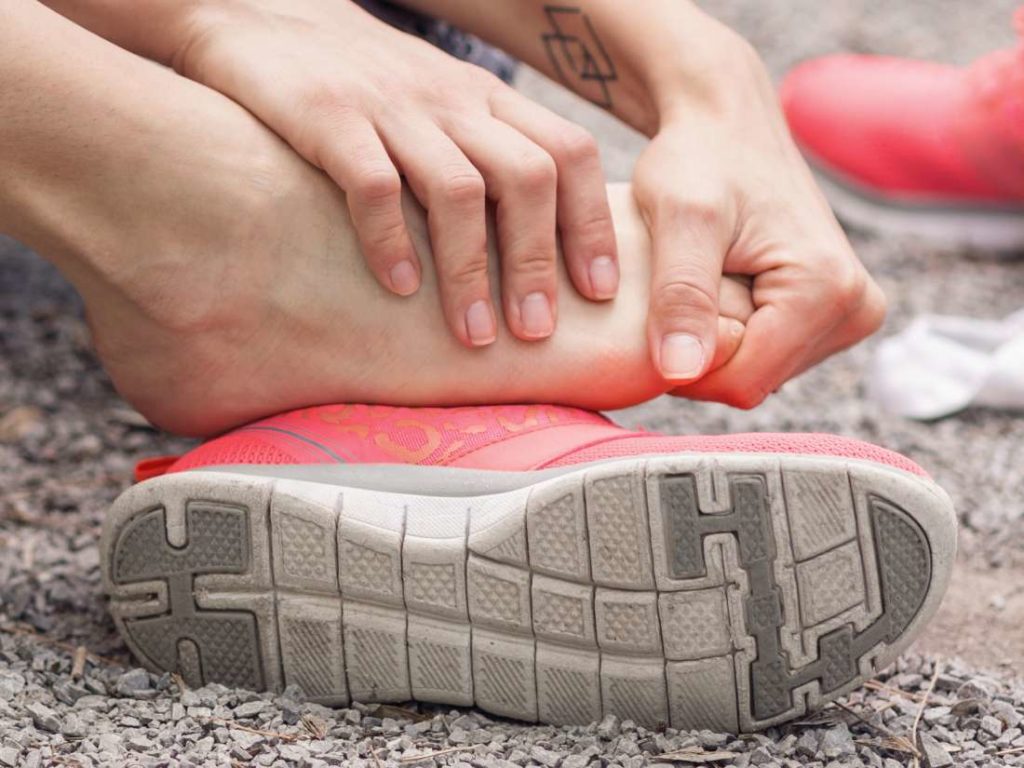
Bunions are bony protrusions located at the base of the big toe joint, where the foot and the big toe meet. A structural deformity causes bunions in the foot, which causes the big toe to point toward the other toes instead of straight ahead. This misalignment of the joint creates an unnatural bump on the side of the foot that can become inflamed, sore, and swollen. Bunions can cause pain when walking, wearing shoes, or participating in physical activities. It is estimated that approximately 33 per cent of adults in the United States have bunions. The best way to prevent and treat bunions is to wear comfortable shoes that provide good arch support and fit correctly.
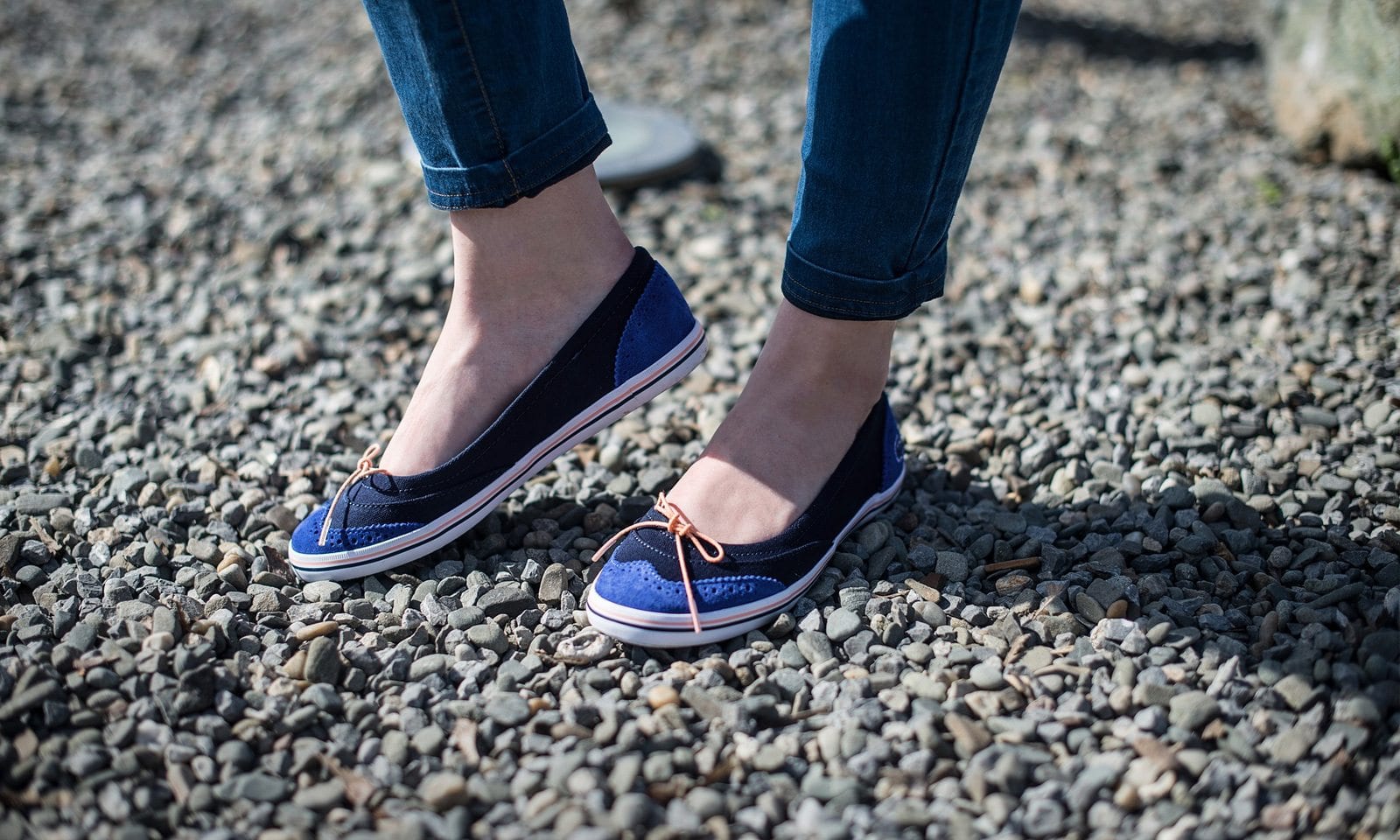
 Wear unfit shoes are the Cause of Bunions
Bunions are caused by a combination of factors, including genetics, improper foot mechanics, and wearing ill-fitting shoes. Genetics play a role in the development of bunions because some people are more likely to develop them than others. This is because the structure of their feet predisposes them to create a bunion more easily. Improper foot mechanics, such as overpronation or rolling inward of the feet while walking, can also cause bunions. Wearing ill-fitting shoes, such as those with a narrow toe box, can also contribute to the development of bunions. Tight and constricting shoes can pressure the toes and force them into an unnatural position, leading to bunions.
Can Prevent Bunions
Prevention of bunions is always better than treatment, so knowing how to prevent them from developing is essential. One of the best things you can do to prevent bunions is to wear shoes that fit correctly. Shoes that are too tight or have a high heel can cause pressure on the big toe joint, leading to the development of a bunion. Shoes should be comfortable and provide enough room for your toes to move without rubbing against the sides of the shoe. Avoid wearing high heels or shoes with a narrow toe box, as these can put extra pressure on your toes. Exercises that strengthen and stretch the muscles in the feet can also help prevent bunions. Simple activities such as toe flexes, pointing and spreading your toes, and ankle circles can help improve mobility in the foot and may help reduce the chance of bunions developing.
It’s also essential to maintain a healthy weight
It’s also essential to maintain a healthy weight. Overweight or obese people are more likely to develop bunions due to extra pressure on their feet. Eating a healthy diet and exercising regularly can help keep your weight in check. Finally, if you already have a bunion, it is essential to seek treatment right away. Early intervention can help prevent the bunion from getting worse and may even reverse some of the damage. Your doctor may recommend orthotics, splints, or other treatments to reduce the pain and improve mobility.
Bunions Treated
Bunions can be treated through both conservative and surgical methods. Non-surgical treatments may include:
- Footwear Modification – You should start by wearing well-fitting, comfortable shoes with a wide-toe box and plenty of room for your toes. Avoid tight or narrow shoes as much as possible.
- Orthotics – Over-the-counter arch supports, or custom orthotics can help relieve pressure from the bunion and decrease pain.
- Medications – Your doctor may prescribe non-steroidal anti-inflammatory drugs (NSAIDs), such as ibuprofen, to reduce pain and inflammation.
Splints and pads can help keep the big toe
Several exercises may help relieve bunion pain and slow the progression of the deformity. These include stretching, toe-strengthening exercises, and calf stretches. Splints and pads can help keep the big toe in its correct position while walking or sleeping. Best Shoes For Bunions can also reduce pressure on the bunion. If these conservative treatments are unsuccessful, surgery may be an option to correct the deformity and reduce pain. Surgery typically involves removing the bony bump and realigning the bones of the foot to straighten the joint. Recovery times vary depending on the type of procedure performed.
Relieve Bunion Pain
If you have bunions, pain relief is an essential part of managing them. In addition to wearing the Best Shoes For the Bunions, you can take several other measures to help relieve bunion pain. Start by soaking your feet in warm salt water for about 20 minutes daily. This will help reduce inflammation and soothe your feet. You can also use a topical anti-inflammatory cream or ointment to reduce swelling and provide temporary relief. Another way to relieve bunion pain is through stretching exercises. Various stretching exercises can help to loosen the muscles and ligaments around the bunion joint. Regular exercise can help reduce pain, improve flexibility and range of motion, and strengthen the foot muscles.
Custom orthotics may also help relieve bunion pain
A night splint can also keep the toes aligned adequately while sleeping. This will help reduce pressure on the bunion joint and alleviate pain. Custom orthotics may also help relieve bunion pain and prevent further deformity. Lastly, if conservative measures do not provide adequate relief, your doctor may recommend surgical treatment for your bunion. Surgery can help restore the joint’s normal alignment, improve function and reduce pain. By following these steps, you can help reduce pain caused by bunions and maintain healthy feet. Wearing the Best Shoes For the Bunions, conservative treatments, and lifestyle modifications will help you keep your feet happy and healthy.
 The Best medicated Shoes for the Bunions
When shopping for shoes, look for plenty of cushioning, such as foam or gel inserts. Best Shoes For Bunions will help relieve any pain or discomfort associated with wearing shoes with bunions. Additionally, look for shoes with good arch support, as this can help reduce the strain on the bunion. When it comes to finding the Best Shoes For the Bunions, you should keep a few things in mind:
- You want to ensure the shoe is wide enough to allow your toes to spread out without being too loose.
- You should look for shoes with a low or flat heel that won’t put extra pressure on the bunion.
- Ensure the toe box of the shoe is rounded and soft enough to prevent irritation of the bunion.
Look for shoes with a flexible sole
It’s also essential to look at the shoe’s material. Look for breathable fabrics like leather and mesh, as these will help keep your feet cool and comfortable. Additionally, look for shoes with a flexible sole that will bend with your foot and provide extra support. Finally, don’t forget to break into your new shoes slowly. Start by wearing them for short periods, and gradually increase how much you wear them each day. Doing this will help you get used to them and allow them to conform to the shape of your foot. Considering all of these factors, you can easily find a pair of shoes that will help keep your feet happy and healthy.
For anyone dealing with bunions, wide fitting shoes for bunions are an absolute must. But did you know there are also various surprising benefits to wearing wide fitting shoes? From improved foot health to increased comfort and style, there is much to be gained from wearing wide fit shoes. It provides ample space for the bunion to heal and plenty of comfort and support. Orthopaedic shoes are a great choice if you need extra support while running, and tennis shoes can help reduce pain and inflammation.
Ladies’ Shoes For Bunions Are More Comfortable
Regarding comfort, ladies’ shoes for bunions are the way to go. Bunions can cause extreme discomfort when wearing traditional shoes with a narrow fit. Wearing wide-fitting shoes for bunions gives your feet extra room, allowing them to naturally expand and flex without being confined by the shoe. It means less pain, rubbing, and pressure on the bunion. Furthermore, wide-fitting shoes provide more stability and cushioning around the bunion area, reducing any additional irritation or discomfort.

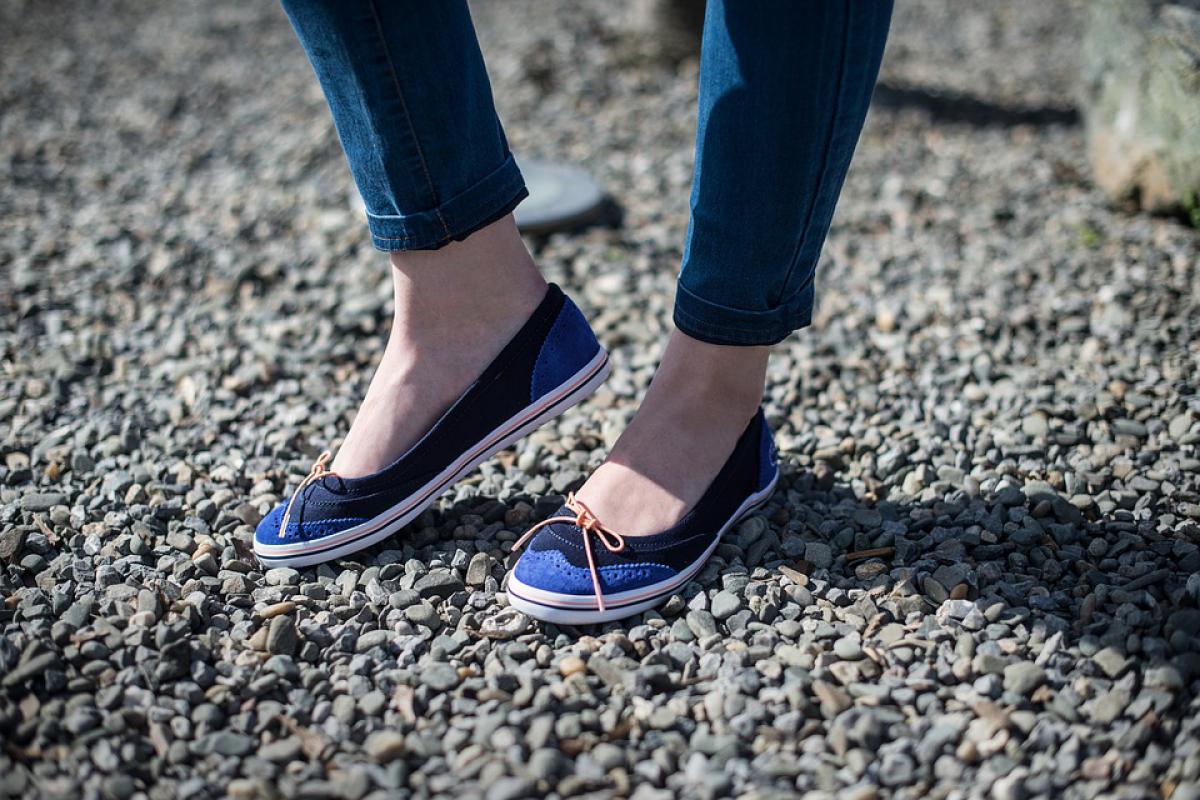
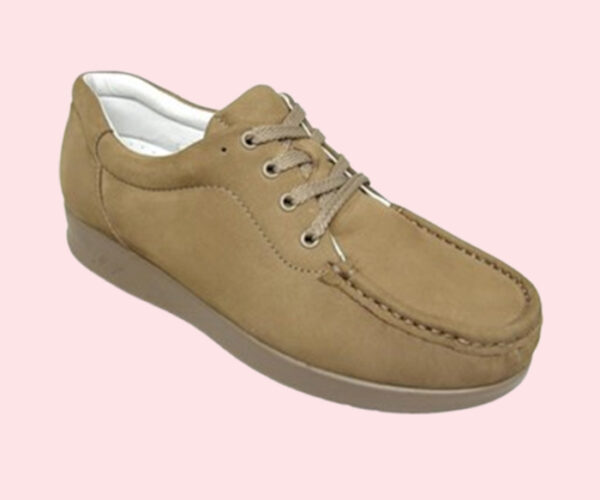
Ladies’ shoes also often feature softer materials, such as leather or suede, making them even more comfortable. So if you have bunions and are looking for comfortable footwear, look no further than women’s shoes for bunions! These shoes reduce the pain and discomfort associated with bunions and promote better foot health. With proper care and maintenance, these shoes can help keep your feet healthy for years. Additionally, many of these shoes come in fashionable designs that keep you stylish while providing optimal support.
Orthopaedic Shoes For Bunions Offer Better Support
Regarding foot health, orthopaedic shoes for bunions are often the best option. It provides much-needed support, helping to reduce pain and inflammation in the affected area. These shoes can help realign the toes, providing improved balance and stability. They are also designed to fit the shape of your foot, providing extra comfort. It comes with extra cushioning and arch support, making them ideal for those who spend much time on their feet.
You can protect your feet from further damage by wearing orthopaedic shoes, reducing pain, and improving your overall foot health. It can also help relieve stress on the heel, arch, ankle, and calf muscles, reducing strain and increasing comfort levels during everyday activities. Furthermore, by relieving pressure on other body parts, these shoes can reduce the risk of developing conditions such as plantar fasciitis or Achilles tendonitis.
Running Shoes For Bunions Help Reduce Pain And Inflammation
If you suffer from bunions, wearing running shoes for bunions can be an excellent way to help reduce pain and inflammation. Specialty running shoes are designed to provide extra cushioning and support to the area around the bunion while helping reduce any potential pressure.
Additionally, these shoes are often made with a broader toe box, giving your feet more room to move and reducing the strain on your toes and bunion. It also typically comes with extra arch support and heel stability, which help protect your feet from repetitive running motions. Furthermore, bunion running shoes are often designed with breathable fabrics and air-mesh uppers that allow your feet to stay calm and dry during a run. It helps reduce discomfort from heat and sweat and can even help prevent blisters.
Overall, running shoes are an excellent choice for those looking to reduce their pain and inflammation from bunions. These specialty running shoes can help make running more comfortable for those with bunions by providing extra cushioning, arch support, and heel stability.
Special Shoes For Bunions Can Prevent Further Damage
If you suffer from bunions, it’s important to consider wearing special shoes for bunions designed for this condition. These shoes provide additional support and cushioning that helps to protect your feet from further damage. Special shoes designed for bunions are typically wide-fitting and feature a roomy toe box that provides ample space for your toes. This design helps to reduce pressure on the bunion, which prevents the bunion from becoming worse over time.
Additionally, these shoes often have extra cushioning and arch support, which helps relieve the pain and discomfort caused by bunions. You can prevent further damage by wearing special shoes for bunions and enjoy greater comfort during daily activities. They also help to minimize friction between your skin and the shoe material, reducing the risk of painful blisters and calluses. In addition to providing improved comfort and protection, special shoes for bunions may also offer other advantages.
For instance, many of these shoes feature stylish designs that give fashion choices for individuals with limited options due to their foot conditions. Whether you’re looking for a dress or casual footwear, plenty of stylish options are available in wide-fitting sizes to accommodate your feet.
Tennis Shoes For Bunions Can Improve Your Balance
Tennis shoes for bunions can provide much-needed support and comfort for people with bunions. Bunions can cause pain, swelling, and discomfort, making staying balanced on the court challenging. Tennis shoes designed for bunions can help alleviate these symptoms and provide extra stability. The shoe should have a wide toe box and plenty of cushioning, which helps reduce pressure on the bunion. Additionally, the shoe should be flexible to support your foot to move more freely and naturally.
The right tennis shoes can also improve your balance. A broader base will provide better balance, allowing you to move faster and more confidently on the court. Additionally, the shoe’s cushioning helps reduce joint strain, improving your overall balance. It can be a great way to improve your game and keep your feet comfortable. You can feel more secure and confident on the court with the right pair of shoes.
Walking Shoes For Bunions Can Make Walking And Standing Easier
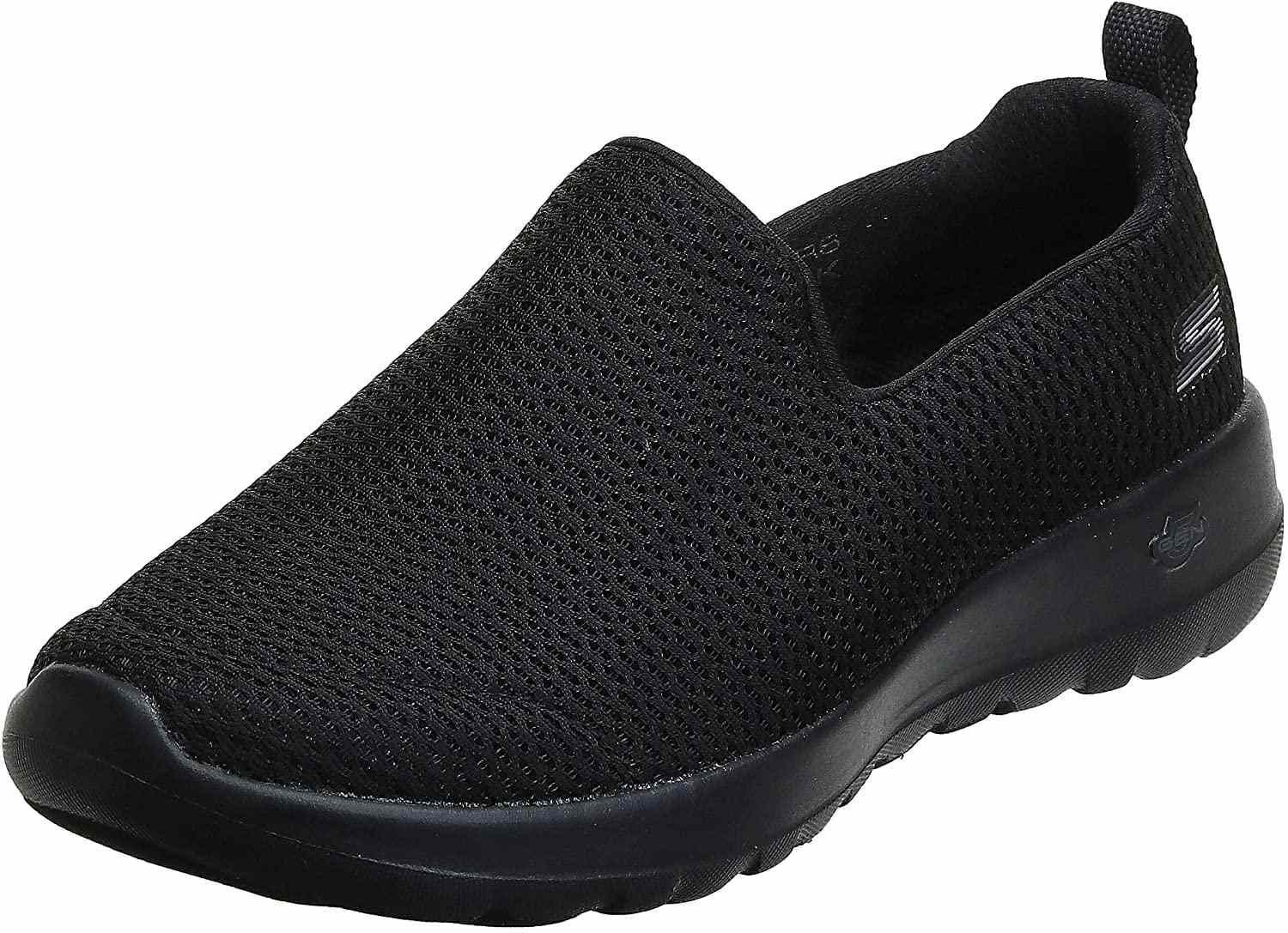
For those with bunions, walking and standing can be difficult. But with the right walking shoes for bunions, you can reduce the pressure and strain on your feet and make walking and standing more comfortable. Wide-fitting shoes with a rounded toe box, cushioned footbeds, and arch support are the best choice for reducing discomfort from bunions.
Look for shoes with ample space in the toe box to provide plenty of wiggle room for your toes. It helps to reduce friction and keep your bunions from rubbing against your shoe. Shoes with cushioning in the footbed also help absorb shock, reducing stress on your feet as you walk. Additionally, shoes with good arch support can help improve your balance and minimise discomfort.
When shopping for walking shoes, look for styles that offer extra depth, width, and cushioning. Shoes that are too tight can lead to increased pain and irritation, while shoes that are too loose can cause blisters. Finding the right fit is critical to improving your walking or standing comfort. It’s also essential to invest in quality shoes made with materials that are durable and breathable.
Finding the right walking shoes for bunions can make a difference in your foot health. With a bit of research and an understanding of what features you need, you can find the perfect pair of shoes to make walking and standing more accessible and more comfortable.
Conclusion
When managing bunions, wearing wide-fitting shoes is one of the best solutions. Special shoes designed for bunion sufferers can also prevent further damage to your feet. Walking and standing will be much easier with the right pair of wide-fitting shoes. By finding the right shoes for your feet, you can improve your overall foot health and keep your bunions
Related Websites
Articles on Blogshunt
Articles on Blogseu
Articles on Blogspeoples
Articles on Thebigblogtheory
Articles on Allcityforums