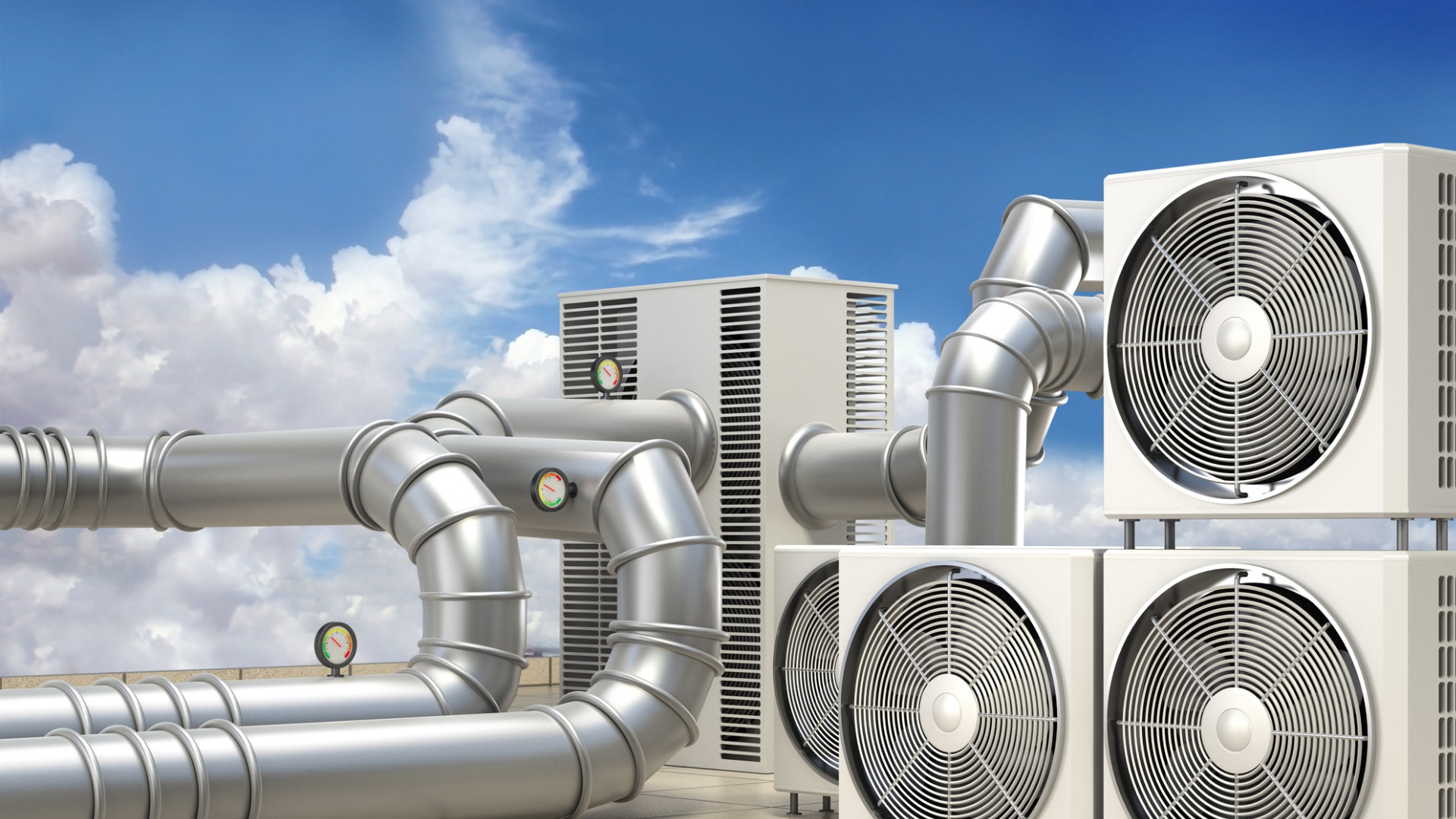
Tag: Balanced Ventilation System

  • Breathe Easy: An Insight into Importance of Air Ventilation

    Breathe Easy: An Insight into Importance of Air Ventilation

    In today’s fast-paced world, we often overlook the importance of the air we breathe. Air quality plays a significant role in our overall health and wellbeing. One essential aspect of ensuring good air quality is proper ventilation. Air Ventilation is not merely about circulating air but ensuring that the air is fresh and pure. It’s crucial for maintaining a healthy living and working environment, contributing to our overall wellbeing and productivity.

    The Fundamentals of Fresh Air Heater

    A fresh-air heater serves as a cornerstone in ventilation, functioning by drawing outdoor air into a building. This system takes the cooler external air, warms it to a set temperature, and then circulates it within an indoor space. The operation of a fresh air heater is a sophisticated blend of ventilation and heating, ensuring that indoor environments remain comfortable regardless of the outdoor climate.

    This air exchange method supports indoor temperature regulation and plays a pivotal role in introducing a steady stream of fresh air. The infusion of outdoor air helps dilute and displace indoor pollutants, thereby enhancing air quality within a space. The fresh-air heater stands as a critical component in the architecture of modern ventilation systems, marrying the necessity of thermal comfort with the imperative of air quality management.

    Its operation underscores the seamless integration of temperature control with the vital task of ensuring healthful indoor air. Indeed, it provides a robust solution to balance achieving optimal indoor comfort and prioritizing air quality, which is essential for overall health and wellbeing. The sophisticated technology of a fresh-air heater makes this task simpler and more effective.

    Enhancing Indoor Air Quality through Ventilation

    Ensuring a robust ventilation system is pivotal in mitigating the accumulation of indoor pollutants detrimental to health and wellbeing. In environments lacking adequate air circulation, contaminants such as dust mites, volatile organic compounds (VOCs), and carbon dioxide can reach harmful levels. These pollutants originate from everyday activities and materials, including cleaning products, furniture, and electronic devices.

    Effective ventilation systems facilitate the exchange of indoor air with fresh outdoor air, significantly reducing the concentration of these pollutants. Optimal ventilation is not merely about refreshing the air but also involves controlling humidity levels. Excessive moisture can encourage the growth of mould and mildew, which are known to exacerbate respiratory issues.

    Ventilation systems are critical in sustaining an environment that promotes respiratory health, comfort, and wellbeing by balancing air exchange and humidity control. Advanced ventilation strategies, such as demand-controlled ventilation, further optimize air quality by adjusting airflow based on occupancy levels and indoor pollutant concentrations, ensuring that indoor environments are healthy and energy-efficient.

    The Role of Using the Air Ventilation Unit

    Using an air ventilation unit is integral to achieving an optimal indoor climate, seamlessly blending the necessity for comfort and health within our living or working spaces. These units are the powerhouse behind effective air circulation, ensuring that stale, polluted air is replaced with fresh, filtered air from outside. The primary function revolves around its ability to efficiently manage air exchange rates, keeping indoor air pollutants to a minimum while maintaining desired temperature levels.

    Furthermore, ventilation units are crucial in addressing the challenges posed by both humidity extremes. They aid in reducing excess moisture in the air during damp conditions, which helps prevent the growth of mould and mildew. Conversely, in dry conditions, they can help maintain a humidity level that prevents skin, eyes, and respiratory irritation. This dual role emphasizes not only the comfort aspect but also the health benefits of using such systems.

    The strategic placement and operation of ventilation units can also mitigate the risks associated with airborne pathogens, providing a safer environment during health crises or in areas prone to infectious diseases. This underscores their importance in not just maintaining but actively improving the health standards of indoor environments, making them indispensable in the pursuit of a healthier indoor atmosphere.

    Boosting Productivity and Cognitive Performance

    Ample research supports that ventilation significantly influences mental acuity and workplace efficiency. High-quality air circulation is pivotal in fostering an environment where focus and alertness thrive. Poor air quality, characterized by elevated levels of carbon dioxide and other pollutants, has been linked to a decline in cognitive performance, affecting decision-making processes, concentration, and problem-solving abilities.

    Conversely, environments with optimal ventilation promote a refreshing and invigorating atmosphere conducive to mental clarity. This is particularly beneficial in workspaces where intellectual engagement and creativity are paramount. An increase in oxygen levels through effective air exchange can combat lethargy and enhance overall mood, facilitating a more dynamic and productive work culture.
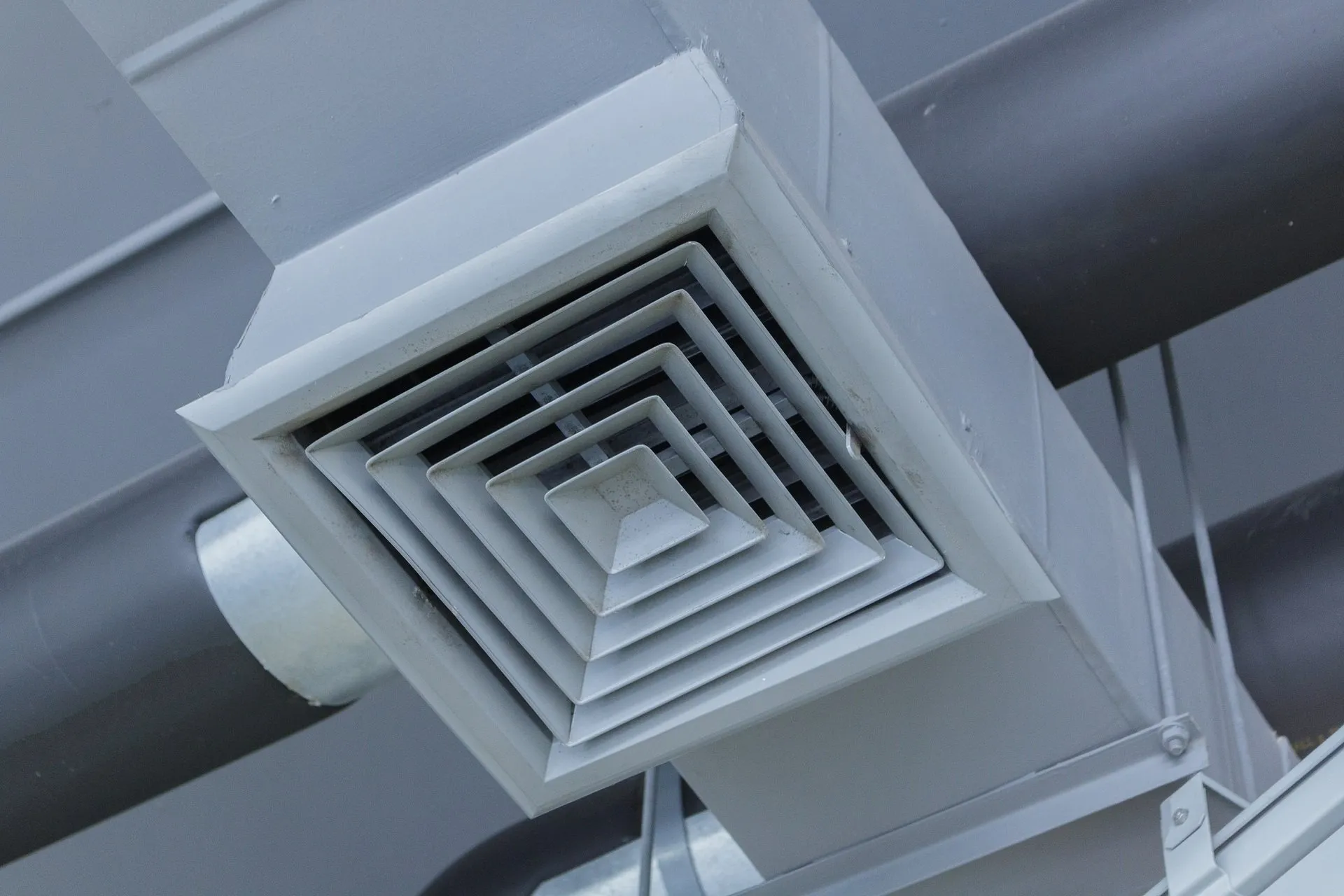
     Air ventilationMoreover, the strategic introduction of clean air helps mitigate the afternoon slump many experience, boosting sustained daily performance. Implementing a robust ventilation system is not just about maintaining a comfortable temperature; it’s about elevating individuals’ cognitive function and productivity, enabling them to perform at their best.

    Balanced Ventilation System and Energy Efficiency

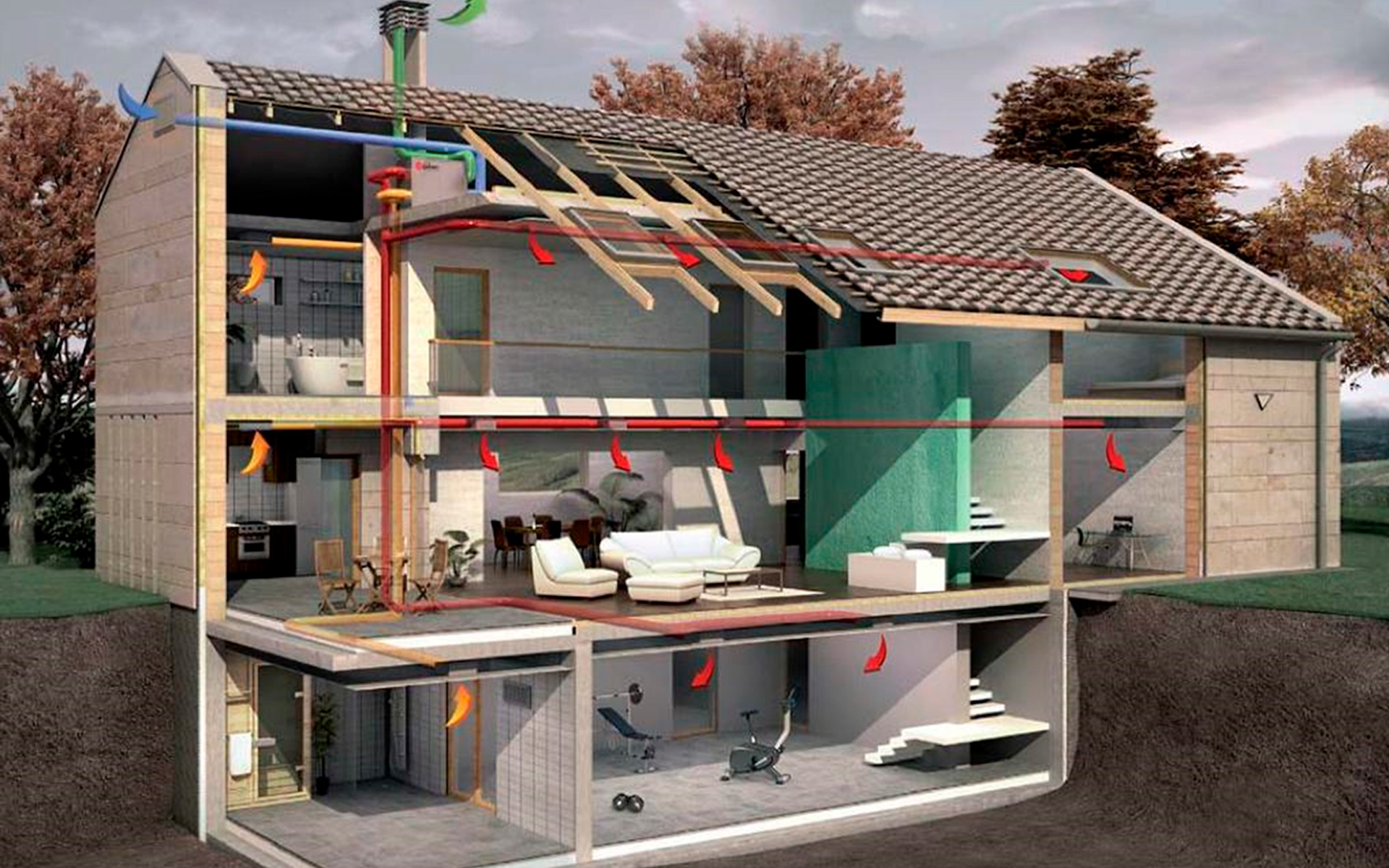
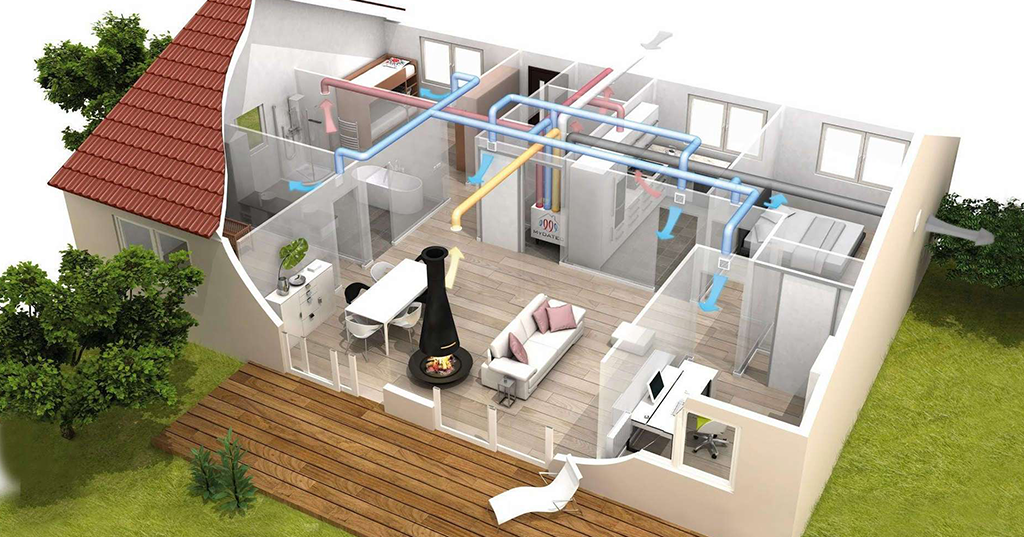
    A balanced ventilation system exemplifies an innovative approach to achieving harmony between indoor air quality and energy conservation. Unlike traditional ventilation methods that might inadvertently increase energy usage due to unregulated air exchange, balanced systems meticulously manage the inflow and outflow of air. This precision ensures that for every unit of air expelled, an equal amount is introduced into the space, maintaining a constant and controlled environment.

    These systems often incorporate heat recovery ventilators (HRVs) or energy recovery ventilators (ERVs) that play a pivotal role in preserving indoor thermal conditions. Transferring heat (and, in the case of ERVs, moisture) between incoming and outgoing airstreams significantly reduces the energy demands of heating or cooling the fresh air. Consequently, this not only minimizes the environmental footprint of buildings but also leads to tangible reductions in utility costs.

    Implementing a balanced ventilation strategy is especially beneficial in climates with extreme temperatures, where maintaining indoor air quality could otherwise result in substantial energy consumption. Balanced ventilation systems are a sophisticated solution to the modern challenge of creating efficient, healthy indoor environments by optimizing air exchange without compromising thermal comfort.

    Implementing Effective Air-Ventilation Solutions

    Navigating the array of ventilation solutions available requires careful consideration to match the unique needs of each building or space. The market offers a diverse range of systems, from those that automate the process of air exchange to simple yet effective natural methods that leverage wind and thermal buoyancy. Consulting with a qualified HVAC professional is crucial in assessing a space’s specific requirements, considering factors such as size, occupancy, and local climate conditions.

    These experts can guide the selection process, ensuring that the chosen system optimizes air quality and aligns with energy efficiency goals. For instance, mechanical ventilation systems with advanced filters and energy recovery units can control fresh air flow while minimizing energy consumption.

    On the other hand, enhancing natural ventilation through strategic window placement and operable openings can capitalize on natural forces to refresh indoor environments, offering a cost-effective alternative in suitable climates. Engaging with professionals will also help in understanding the maintenance needs of the installed system, ensuring its longevity and performance. Individuals and organizations can significantly improve indoor air quality by prioritizing a tailored approach to ventilation, contributing to healthier and more productive environments.

    The Future of Air-Ventilation: Trends and Innovations

    The evolution of air-ventilation systems is geared towards further integrating cutting-edge technology to enhance indoor air quality and user convenience. Innovations on the horizon include developing intelligent ventilation systems capable of learning from the environment and adapting airflow accordingly. These systems utilize real-time sensors to monitor indoor air quality, adjusting ventilation rates to optimize air purity and energy consumption. Another significant trend is the emergence of green ventilation technologies.

    These eco-friendly solutions focus on reducing the carbon footprint of buildings by leveraging renewable energy sources to power ventilation systems. Photovoltaic-powered fans and geothermal heating and cooling systems exemplify how sustainable practices are incorporated into ventilation design. Additionally, advancements in air purification technologies are set to redefine standards of cleanliness.

    Innovations such as ultraviolet (UV) light air purifiers and next-generation HEPA filters promise to eliminate microscopic pollutants with unprecedented efficiency. As these trends unfold, integrating smart home ecosystems with ventilation systems is becoming increasingly seamless, offering users unparalleled control over their indoor environments through smartphone apps and voice commands.

    Benefits of Industrial Ventilation

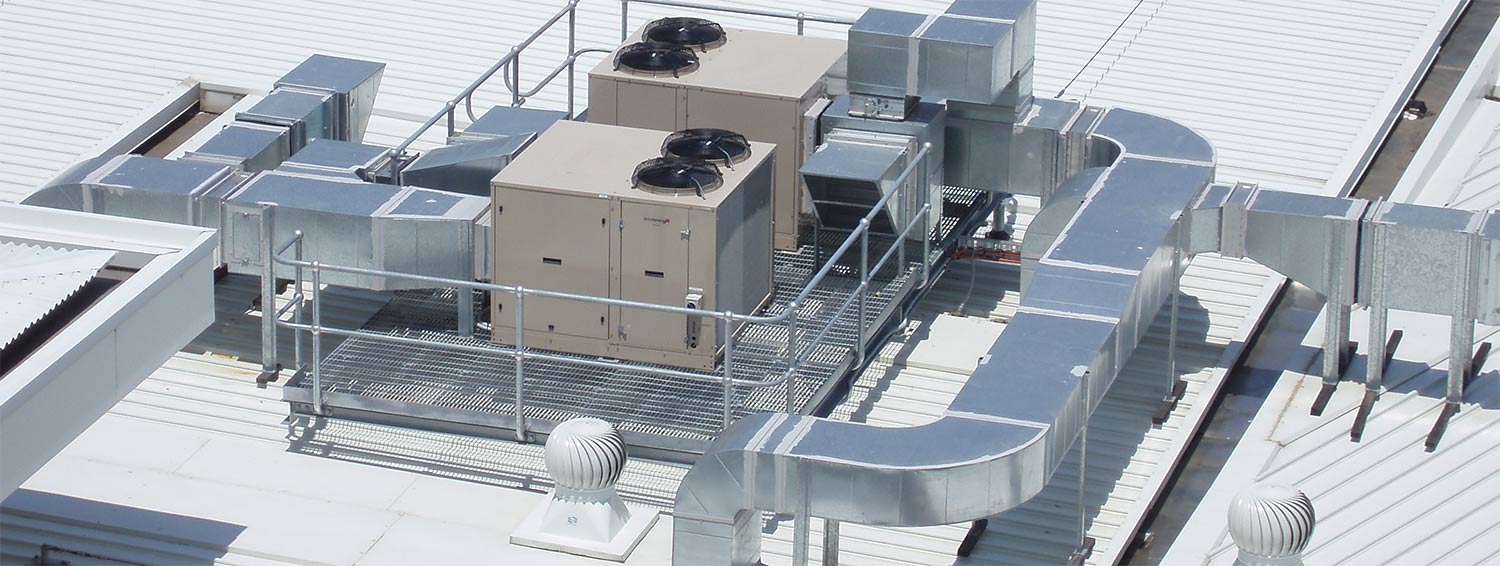
    Industrial settings often deal with many airborne pollutants, from hazardous chemical vapours to fine particulate matter, making effective ventilation indispensable. A well-designed industrial ventilation system is tailored to meet these challenges head-on, efficiently extracting contaminants directly from their source and significantly reducing the risk of occupational diseases.

    Such systems are pivotal in maintaining a cleaner, safer work environment, which protects workers’ health and complies with stringent occupational health and safety regulations. Beyond health considerations, optimized ventilation contributes to operational efficiency. It prevents the accumulation of dust and debris on machinery, reducing wear and tear and extending the lifespan of equipment.

    It leads to lower maintenance costs and minimal disruptions in production processes. Moreover, by controlling atmospheric conditions, industrial-ventilation supports precision in manufacturing tasks sensitive to humidity and temperature fluctuations. This precision, in turn, enhances product quality and consistency, providing a competitive edge in the market. In essence, this ventilation is a key factor in safeguarding worker health, ensuring regulatory compliance, and bolstering production efficiency in industrial environments.

    FAQS

    Q: How Often Should Ventilation Systems Be Maintained Or Checked?

    A: To ensure optimal performance, it’s recommended that ventilation systems undergo professional inspection at least once a year. However, the frequency can depend on the system type and usage. Regular maintenance, such as filter changes, should be done according to the manufacturer’s guidelines or more frequently in high-pollution areas.

    Q: Can Air-Ventilation Help Reduce Energy Costs?

    A: Yes, modern ventilation systems, especially those equipped with energy recovery ventilators (ERVs) or heat recovery ventilators (HRVs), can help reduce energy costs. These systems minimize the need for additional heating or cooling by reclaiming energy from exhaust air.

     Q: Is Natural Ventilation Sufficient To Maintain Good Air Quality?

    A: While natural ventilation can be effective in certain climates and conditions, it might only sometimes provide consistent air quality control, especially in areas with high outdoor pollution levels or during extreme weather conditions. Mechanical ventilation systems offer more control over air exchange rates and filtration.

    Conclusion

    The essence of their discussion underscores the pivotal role of air ventilation in fostering a conducive environment for health, productivity, and comfort. The strategic implementation of ventilation solutions transcends mere temperature control, deeply embedding itself into our daily life’s fabric. By proactively addressing indoor air quality through various ventilation strategies, we arm ourselves against pollutants and enhance our air quality. This commitment to air-ventilation supports our physical wellbeing and invigorates our mental faculties, enabling us to achieve optimal performance.

    Other Good Articles to Read
    Niche Blogs Connect
    Blogs 97
    Blog Stitution
    Blogs Unplugged
    Blogs Cotch Rouge
    Blog Signatr
    Blog Sintonias
    Blog Zilla
    Consumer Forums
    Finance Forums
    Too Blog
    Related Business Listings
    Contact Directory
    Local Business Profiles


  • Get a Fresh Start with a Balanced Ventilation System: Health Benefits Included

    Get a Fresh Start with a Balanced Ventilation System: Health Benefits Included

    It’s time to make a change for the better! A balanced-ventilation system is a great way to improve your home’s air quality and reduce your energy costs. Not only that, but it offers numerous health benefits as well. In this blog post, we’ll explain the ten top reasons why you should switch to a balanced ventilation system, including improved respiratory health and reduced allergens. With the right system, you can breathe easier knowing you’re taking steps to better your family’s air quality and overall health.

    Consistent Temperature Control

    Maintaining a consistent temperature in your home is crucial for your comfort and overall well-being. With a balanced-ventilation system, you can say goodbye to hot and cold spots, and hello to a comfortable and evenly heated or cooled space. No more shivering in one room while sweating in another!

    A balanced-ventilation system works by circulating fresh air throughout your home while simultaneously exhausting stale air. This ensures that every corner of your house receives the same amount of conditioned air, leading to consistent temperature control throughout. You can set your thermostat to your desired temperature, and the system will work efficiently to maintain it. This not only keeps you comfortable but also helps to improve the overall energy efficiency of your home. By evenly distributing conditioned air, a balanced-ventilation system eliminates the need for constantly adjusting your thermostat in different rooms.

    Increased Comfort

    When it comes to the comfort of your home, there’s nothing quite like the feeling of stepping into a perfectly temperature-controlled space. With a balanced-ventilation system, you can experience increased comfort like never before. Say goodbye to those annoying hot and cold spots that make certain areas of your home unbearable while leaving others too chilly.

    A balanced-ventilation system works by circulating fresh air throughout your home while simultaneously exhausting stale air. This ensures that every corner of your house receives the same amount of conditioned air, leading to consistent temperature control throughout. No more shivering in one room while sweating in another!

    Fresh Air Heater Improve Indoor Air Quality

    Improving the indoor air quality of your home is crucial for the health and well-being of you and your family. And with a fresh air heater as part of a balanced-ventilation system, you can achieve just that! A air heater brings in filtered and conditioned air from the outside, ensuring that the air circulating throughout your home is clean and free of pollutants.

    With a balanced-ventilation system, you can say goodbye to stale and stuffy air. The fresh air brought in by the heater helps to dilute and remove indoor pollutants, such as dust, pollen, and volatile organic compounds (VOCs). This is especially important for individuals with allergies or respiratory conditions, as it reduces their exposure to triggers that can worsen symptoms.

    By improving indoor air quality, air heater can also help prevent the spread of airborne illnesses and improve overall respiratory health. The clean air provided by the system promotes easier breathing, reducing the risk of respiratory infections and allergies.

    Better Health For Residents

    When it comes to your home, the health of you and your family is of utmost importance. And that’s where a balanced-ventilation system comes in. One of the top reasons to switch to this system is the positive impact it has on your health. By improving indoor air quality and reducing pollutants, a balanced-ventilation system can significantly enhance the health of residents.

    Indoor air pollutants can cause a variety of health issues, including allergies, respiratory infections, and even long-term conditions like asthma. But with a balanced-ventilation system, you can greatly reduce the risk of these ailments. The system works by constantly circulating fresh, filtered air throughout your home, diluting and removing pollutants like dust, pollen, and volatile organic compounds (VOCs).

    Heat Reclaim Ventilation Reduce Moisture and Mold

    A major concern in many homes is the presence of excess moisture and the potential for mold growth. However, with a heat reclaim ventilation system, you can effectively tackle this issue and create a healthier living environment.

    By incorporating heat reclaim technology into your ventilation system, you can not only bring in fresh air but also remove excess moisture from your home. This is especially important in areas such as bathrooms and kitchens, where moisture tends to accumulate. By efficiently removing moisture, you can prevent the growth of mold and mildew, which can have serious health implications.

    In addition to reducing the risk of mold, a reclaim ventilation system also helps to maintain a comfortable humidity level in your home. Excess humidity can lead to a range of problems, from musty odors to damage to furniture and wallpaper. With a balanced-ventilation system, you can say goodbye to these issues and enjoy a dry and mold-free home.

    Environmental Sustainabilitybalanced ventilation system

    When it comes to making a change for the better, environmental sustainability is a top priority. By switching to a balanced-ventilation system, you are not only improving your home’s air quality and comfort, but you are also making a positive impact on the environment.

    A balanced-ventilation system operates with energy efficiency in mind. By circulating fresh air and exhausting stale air, it reduces the need for excessive heating or cooling, resulting in lower energy consumption and greenhouse gas emissions. This helps to minimize your carbon footprint and contribute to a more sustainable future.

    In addition, balanced-ventilation systems often incorporate heat reclaim technology, which further enhances their environmental benefits. This technology captures and recycles heat from the outgoing air, using it to pre-warm the incoming fresh air. By utilizing this wasted energy, a balanced-ventilation system reduces the demand for additional heating and saves even more energy.

    Enhance Energy Efficiency with Residential Roof Ventilation Systems

    If you’re looking to enhance the energy efficiency of your home, consider the installation of a residential roof ventilation system. These systems are designed to optimize airflow and reduce the need for excessive heating or cooling, resulting in significant cost savings and environmental benefits.

    Residential roof ventilation systems work by allowing air to circulate freely in the attic space. This helps to prevent the build-up of hot air during the summer months, reducing the strain on your air conditioning system and lowering your energy costs. In the winter, these systems prevent moisture from accumulating in the attic, reducing the risk of mold growth and potential damage to your roof.

    Cost Savings

    One of the most appealing reasons to switch to a balanced-ventilation system is the potential for significant cost savings. By improving the energy efficiency of your home, you can reduce your monthly energy bills and keep more money in your pocket.

    A balanced-ventilation system operates by circulating fresh air throughout your home while simultaneously exhausting stale air. This ensures that your heating and cooling systems work more efficiently, as they are not constantly battling against uneven temperatures and air pressure. With consistent temperature control and reduced energy waste, you can expect to see a noticeable decrease in your energy bills.

    FAQs

    Got questions about balanced-ventilation systems? We’ve got you covered! Here are some frequently asked questions to help you better understand this innovative system and its benefits.

    1. How Does A Balanced Ventilation System Work?

    A balanced ventilation system circulates fresh air throughout your home while simultaneously exhausting stale air. This creates a continuous flow of clean air, improving indoor air quality and reducing the risk of respiratory issues.

    2. Will A Balanced-Ventilation System Increase My Energy Costs?

    No, a balanced-ventilation system is designed to be energy efficient. By maintaining consistent temperature control and reducing energy waste, it can actually help lower your monthly energy bills.

    3. Can I Install A Balanced-Ventilation System In My Existing Home?

    Yes, a balanced-ventilation system can be installed in both new and existing homes. It can be retrofitted to your current HVAC system or installed as a standalone system.

    4. What Maintenance Does A Balanced-Ventilation System Require?

    Regular maintenance includes cleaning or replacing filters and ensuring the system is free from debris. It’s recommended to schedule professional maintenance at least once a year.

    Remember, a balanced-ventilation system is a valuable investment in your home’s air quality, comfort, and energy efficiency. If you have more questions or want to explore your options further, don’t hesitate to reach out to an HVAC professional.

    Conclusion

    In conclusion, making the switch to a balanced-ventilation system offers numerous benefits that can greatly improve your home’s air quality, comfort, and energy efficiency. By investing in this innovative system, you can enjoy consistent temperature control throughout your home, eliminating hot and cold spots and creating a more comfortable living environment.

    Other Good Articles to Read
    skank blogs
    unreal blogs
    tba blogs
    all city forums
    dany blogs
    the music blogs
    key forums
    the big blog theory
    joe blogs
    blogs 4 me
    Blogs Emon
    Local Business Profiles in Australia
    Business Directory Australia
    Business Listings Europe
    Business Directory Europe
  • Why You Need A Balanced Ventilation System For Your Home

    Why You Need A Balanced Ventilation System For Your Home

    Having a good ventilation system is essential for any home. A balanced ventilation system is especially important because it helps keep indoor air fresh and healthy while also improving your home’s energy efficiency. In this blog post, they’ll explore reasons why you should invest in a ventilation system for your home. By understanding the benefits of a ventilation system, you can make an informed decision on whether it’s the right choice for you. The ventilation system is an important component of any home. Proper ventilation helps to maintain air quality and reduce the risk of moisture buildup, mold, and mildew growth. By installing the ventilation system in your home, you can enjoy a healthier and more comfortable indoor environment.

    Increased Comfort

    Having a ventilation system in your home can significantly improve the level of comfort that you experience. It is because the system is designed to maintain a consistent level of air circulation throughout your home, which helps to prevent stuffy and stagnant air. The system can also help to control the humidity levels in your home, ensuring that you feel comfortable even during the hottest and most humid months of the year.

    With a ventilation system, you will no longer have to worry about opening windows and doors to let in fresh air or running your air conditioner excessively to maintain a comfortable indoor temperature. Instead, you can rely on your ventilation system to do the work for you, providing you with a steady stream of fresh, clean air and keeping your home at a consistent temperature and humidity level. This will help to improve the overall quality of life in your home, making it a more comfortable and pleasant place to be.

    Provide Health Benefits

    One of the most important benefits of using a ventilation system is the improved health of the occupants. Proper ventilation helps to reduce the amount of pollutants and allergens in the air, such as dust, mold, and bacteria. It is particularly important for those who suffer from allergies or respiratory issues, as well as young children and the elderly.

    A well-ventilated home also helps to prevent the buildup of harmful gases, such as carbon monoxide and radon, which can be deadly if left undetected. By continually exchanging stale indoor air with fresh outdoor air, a ventilation system ensures that the indoor environment is healthy and safe.

    Moreover, ventilation systems can also help to control humidity levels, which is crucial for preventing the growth of mold and mildew. High humidity can also make the air feel stuffy and uncomfortable, which can lead to health issues such as headaches, fatigue, and respiratory problems.

    In short, a well-designed and properly installed ventilation system can provide numerous health benefits by improving indoor air quality and reducing the risk of exposure to harmful pollutants. By investing in a ventilation system, you are not only enhancing your comfort but also safeguarding the health of your family and loved ones.

    Fresh Air Heater Improved Indoor Air Quality

    Indoor air quality is often a concern for homeowners. It’s important to breathe clean air in your home to ensure good health and well-being. However, it’s not always possible to achieve this without proper ventilation. That’s where a fresh air heater comes in.

    A fresh heater provides a continuous supply of fresh air into your home, ensuring that the air is constantly circulated and filtered. It helps to reduce the number of allergens and pollutants in the air, resulting in improved indoor air quality.

    One of the main benefits of using an air heater is that it can help to reduce the symptoms of allergies and asthma. When your home is properly ventilated, it helps to remove irritants from the air, such as dust, pet dander, and pollen. It can help to reduce the severity of allergic reactions and asthma attacks.

    In addition, air heaters can help to reduce the concentration of harmful chemicals in the air. Many household products, such as cleaning supplies, contain chemicals that can be harmful when inhaled. A fresh heater can help to remove these chemicals from the air, providing a healthier environment for you and your family.

    Energy Efficiency And Cost Savings

    In addition to providing fresh and clean air, a ventilation system can also help improve the energy efficiency of your home, ultimately leading to cost savings on your utility bills. These systems are designed to help regulate the temperature and humidity levels in your home, which can reduce the workload on your heating and cooling system.

    By utilizing reclaimed ventilation technology, your home can capture the heat generated from exhaust air and reuse it to warm the incoming fresh air, resulting in less energy consumption. This is particularly useful during colder months when homes require more heating. With this system, you can expect lower energy costs without compromising your comfort level. Balanced Ventilation System

    Moreover, with proper ventilation, your home’s heating and cooling system won’t have to work as hard, which can increase the lifespan of your equipment and reduce maintenance costs over time.

    It’s important to note that installing a ventilation system does come with upfront costs, but the long-term benefits can greatly outweigh the initial investment. With lower energy bills, reduced maintenance costs, and an increased lifespan of your equipment, the investment in a ventilation system is well worth it.

    Heat Reclaim Ventilation Reduced Moisture And Condensation

    Another benefit of a ventilation system is its ability to reduce moisture and condensation in your home. Without proper ventilation, excess moisture from activities such as cooking, showering, and even breathing can lead to problems like mold growth, structural damage, and poor air quality.  Fortunately, a heat reclaim ventilation system can help regulate moisture levels by circulating fresh air and removing excess humidity. This not only keeps your home more comfortable, but it also protects against potential health hazards associated with excess moisture.

    Reducing moisture in your home also helps to prevent condensation, which can be especially problematic during the colder months. When moist air meets cold surfaces, it can form droplets of water, leading to potential damage to your walls and ceilings. A \reclaim ventilation system helps to control humidity levels, ultimately reducing the risk of condensation-related issues in your home.

    Overall, investing in a ventilation system with heat reclaim capabilities can make a significant impact on your home’s comfort, health, and safety. With a system in place, you can rest easy knowing that your home is properly ventilated and protected against the negative effects of excess moisture and condensation.

    Residential Roof Ventilation Systems Reduced Noise Levels

    One of the lesser-known benefits of using a ventilation system for your home is the reduction in noise levels. Most homeowners are unaware of how noisy their homes can be until they have a proper ventilation system in place. Residential roof ventilation systems can design to keep your home comfortable while reducing the amount of external noise that enters your living space.

    With a ventilation system, you can control the amount of air coming into your home while reducing the amount of noise from the outside. It is particularly beneficial for homes located near busy streets or highways. A ventilation system that includes an air-to-air heat exchange unit can also help reduce noise levels by allowing fresh air to be circulated throughout your home without having to open windows or doors.

    Environmental Benefits Of Ventilation Systems

    Aside from providing comfort, health benefits, energy efficiency, and reduced moisture and noise levels, a ventilation system also has environmental benefits. A ventilation system can help reduce energy consumption, which in turn reduces greenhouse gas emissions. When a home has a proper ventilation system, there is less need for air conditioning, which can help reduce the carbon footprint of a household.

    Additionally, a ventilation system can also help remove pollutants and allergens from the air, which can lead to a healthier living environment. By having a ventilation system that constantly brings in fresh air and exhausts stale air, it can reduce the concentration of pollutants and prevent them from building up in a home. This is especially important for individuals with allergies or respiratory conditions.

    Furthermore, a well-ventilated home can prevent mold growth, which can have negative environmental impacts. Mold can release spores into the air, which can lead to health problems and cause damage to building materials. By preventing mold growth through proper ventilation, a homeowner can reduce the amount of waste generated by having to replace damaged building materials.

    Conclusion

    In conclusion, having a ventilation system in your home can provide numerous benefits for you and your family. From increased comfort to improved indoor air quality and reduced energy costs, there are plenty of reasons to invest in a good ventilation system. Additionally, the benefits of such a system extend beyond just the comfort and well-being of your family, as it can also reduce environmental impact.

    Other Good Articles to Read
    Gabrielle Blogs
    Jason Toff Blogs
    Thumb Blogs
    Blog Shifter
    Social Bookmarking Blogs
    Free Blogs Template
    Blog Solidaire
    Michael Coyne Blog
    Born Free Blog
    Oz Blog Hosting
    Indepth News
  • The Health And Comfort Advantages Of Balanced Ventilation System

    The Health And Comfort Advantages Of Balanced Ventilation System

    Investing in a balanced ventilation system is an ideal solution for creating a healthier and more comfortable indoor environment in any home or commercial building. Balanced ventilation systems work by bringing in fresh air from outside while simultaneously expelling the stale, humid air inside. This helps to maintain an even temperature and humidity level throughout the property.

    Fresh Air Heater Can Improved Indoor Air Quality

    Indoor air quality plays a vital role in ensuring our health and well-being. Poor indoor air quality can lead to a host of health issues such as allergies, asthma, and respiratory problems. One of the most significant benefits of a ventilation system is the improvement in indoor air quality.

    A fresh air heater, a component of a ventilation system, works to bring in clean air from outside and circulate it throughout your home. This process helps to dilute and remove stale indoor air, pollutants, and odors. By introducing fresh air, you can reduce the levels of harmful airborne pollutants and allergens that can build up inside your home, especially in tightly sealed, energy-efficient homes.

    Fresh air also helps to reduce humidity levels, preventing the growth of mold and mildew, which can cause health problems and structural damage to your home. A ventilation system with a fresh air can effectively control the moisture levels in your home, promoting a healthy and comfortable living environment.

    In summary, a fresh air in a ventilation system can significantly improve indoor air quality. With reduced levels of pollutants and allergens, your family can breathe easier, with less risk of respiratory problems. In addition, by controlling humidity levels, you can prevent the growth of mold and mildew, keeping your home healthy and safe. Investing in a ventilation system with a fresh air heater can make a significant difference in your family’s overall health and comfort.

    Better Moisture Control

    Another significant benefit of balanced ventilation systems is that they offer better moisture control in your home. Moisture accumulation in the air can lead to the growth of harmful mold and mildew, which can adversely affect the health of you and your family. Moisture can also cause damage to your home’s structure, walls, and floors, leading to expensive repairs.

    Balanced ventilation systems use various methods to control moisture, including exhaust fans, air filters, and dehumidifiers. These systems work to remove excess moisture from the air and maintain an optimal humidity level in your home.

    Proper moisture control can also reduce the risk of developing respiratory problems and other health issues. The controlled environment offered by balanced ventilation systems can help to eliminate bacteria and viruses, keeping you and your family healthy.

    By controlling the moisture in your home, a ventilation system also helps to reduce odors caused by mildew, mold, and other contaminants. This, in turn, will improve the overall air quality in your home, making it a more pleasant and healthy environment to live in.

    Heat Reclaim Ventilation Can Reduced Allergies And Asthma Symptoms

    For individuals who suffer from allergies or asthma, the indoor air quality in their homes can greatly affect their respiratory health. One of the benefits of choosing a ventilation system, specifically one with heat reclaim ventilation, is the reduction of these symptoms. It works by capturing heat from the stale air leaving the house and using it to preheat fresh air entering the house. This process not only saves energy, but it also reduces the amount of outdoor allergens and pollutants entering the home.

    The system also removes excess humidity, which can prevent mold and mildew growth – both common triggers for allergies and asthma. By improving indoor air quality and reducing allergens and pollutants, heat reclaim ventilation can significantly improve the respiratory health of individuals who suffer from these conditions. Another benefit of a ventilation system is the enhanced comfort it provides. With the proper balance of fresh air and exhaust, the system can maintain a consistent and comfortable temperature throughout the home. Additionally, it can help eliminate drafts and cold spots, creating a more comfortable living environment for everyone in the household. This, in turn, leads to increased energy efficiency and lower costs, as the HVAC system does not need to work as hard to maintain a comfortable temperature.

    A ventilation system can also operate quietly, unlike traditional forced-air heating and cooling systems. This means that it won’t disrupt daily activities and can even help promote better sleep. Additionally, it can increase property value, as potential buyers will be attracted to the energy efficiency, comfort, and improved indoor air quality that the system provides.

    Enhanced Comfort

    One of the biggest benefits of choosing a ventilation system for your home is the enhanced comfort it can provide. With a ventilation system in place, you can say goodbye to stuffy air and uncomfortable temperatures.

    Balanced ventilation systems work by introducing fresh air into the home while simultaneously removing stale air. This creates a more even temperature throughout the house, eliminating hot or cold spots and making it easier to maintain a comfortable environment.

    In addition to temperature control, balanced ventilation systems can also help to regulate humidity levels. Excess moisture in the air can lead to mold and mildew growth, which can cause health problems and damage to your home. With a ventilation system, you can maintain optimal humidity levels and enjoy a comfortable and healthy living environment.

    Overall, it can make a significant difference in the overall comfort of your home. Whether you are trying to stay cool during the summer months or keep warm in the winter, it can help you achieve a more comfortable living space.balanced ventilation system

    Residential Roof Ventilation Systems Is Energy Efficiency And Lower Costs

    Balanced ventilation systems not only improve indoor air quality and comfort levels, but they can also save you money on your energy bills. The system is designed to provide the right amount of ventilation while minimizing the amount of energy used to heat or cool your home. This is especially true when it comes to residential roof ventilation systems.

    The primary benefit of roof ventilation is that it allows hot air to escape from the attic. This reduces the temperature in the attic, which can have a significant impact on the overall temperature of your home. In the summer months, this can reduce the amount of time your air conditioner needs to run, lowering your energy bills. Similarly, in the winter months, roof ventilation can reduce the amount of moisture in your attic, preventing ice dams from forming on your roof. This reduces the likelihood of damage to your roof and further reduces the amount of energy you need to keep your home warm.

    Roof ventilation also reduces the strain on your HVAC system. When your attic is too hot or too moist, it can put extra stress on your air conditioner or furnace, which can shorten its lifespan and lead to more frequent repairs. By reducing the amount of heat and moisture in your attic, roof ventilation helps your HVAC system run more efficiently and for a longer period of time.

    Finally, balanced ventilation systems can also improve the overall value of your property. By improving indoor air quality and energy efficiency, you’ll be able to attract buyers who are looking for a home that is both comfortable and affordable to run.

    Quieter Operation

    One of the benefits of choosing a ventilation system is that they typically operate more quietly than traditional ventilation systems. The advanced technology used in these systems allows for a smooth and quiet operation, meaning that you won’t be disturbed by any loud or disruptive noises coming from your HVAC system.

    This is particularly important if you have a busy household or live in a densely populated area, as noise pollution can quickly become a problem. Choosing a ventilation system can help you create a peaceful and comfortable environment in your home, free from unnecessary noise distractions.

    Additionally, quieter operation also means that your system will be less noticeable, which is particularly important if you have an open-plan living space or want to maintain a minimalist aesthetic. With a ventilation system, you can enjoy all the benefits of fresh, clean air without sacrificing the visual appeal of your home.

    In summary, choosing a ventilation system is an excellent way to improve the indoor air quality of your home while enjoying a range of additional benefits. From better moisture control to energy efficiency, it is a smart investment for any homeowner.

     Increased Property Value

    Apart from the health and comfort benefits of balanced ventilation systems, another advantage is that they can increase the value of your property. In today’s market, more and more homeowners are looking for energy-efficient and environmentally friendly features in homes, and balanced ventilation systems can provide just that.

    A home with a ventilation system is more attractive to potential buyers because they know they can enjoy improved indoor air quality, better moisture control, and energy efficiency. With rising energy costs, people are willing to pay more for homes that come equipped with energy-saving features such as balanced ventilation systems.

    Moreover, having a ventilation system installed in your home can also increase its marketability and appeal. With this feature, you can stand out in a crowded market, and your home can be seen as a more valuable asset.

    Gabrielle Blogs
    Jason Toff Blogs
    Thumb Blogs
    Blog Shifter
    Social Bookmarking Blogs
    Free Blogs Template
    Blog Solidaire
    Michael Coyne Blog
    Born Free Blog
    Oz Blog Hosting
    Indepth News