Author: thebigblogtheory

  • What You Need To Know About Stress Test Echocardiogram Sydney?

    What You Need To Know About Stress Test Echocardiogram Sydney?

    As you might be aware, the heart is a muscle, and like any other muscle in your body, it needs to be exercised regularly. Exercise has been found to lower blood pressure, improve cholesterol levels, and reduce the risk of developing heart disease. However, if you are not exercising regularly or have another underlying condition, it might create another problem called stress test echocardiogram Sydney.

    Clinical studies show that running on a treadmill puts more stress on your heart than walking at the same pace off-road does. So, if you’re planning on increasing your exercise level – it’s essential to know what type of exercise is best for your health.

    In The Stress Test, You First Walk On A Treadmill While Your Heart Rate And Blood Pressure Are Monitored

    • We monitor heart rate and blood pressure during exercise. You will walk on a treadmill while your heart rate and blood pressure are monitored.
    • They perform echocardiography again, but this time with increasingly steep slopes and faster speeds. In the final stage, heart rhythm and blood pressure are monitored for half an hour in a state of complete rest.

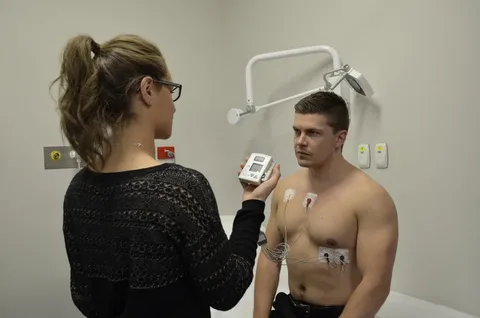
    What is a stress test echocardiogram? A stress test echocardiogram (or echo) evaluates how well your heart works under stress. It’s usually done before you have surgery. So, doctors can see if any problems need fixing. How is it performed? A technician will take an electrocardiogram (ECG), which measures the electrical activity of your heart and blood pressure. Your doctor may also ask for another x-ray or CT scan of the heart if they want to see more detail.
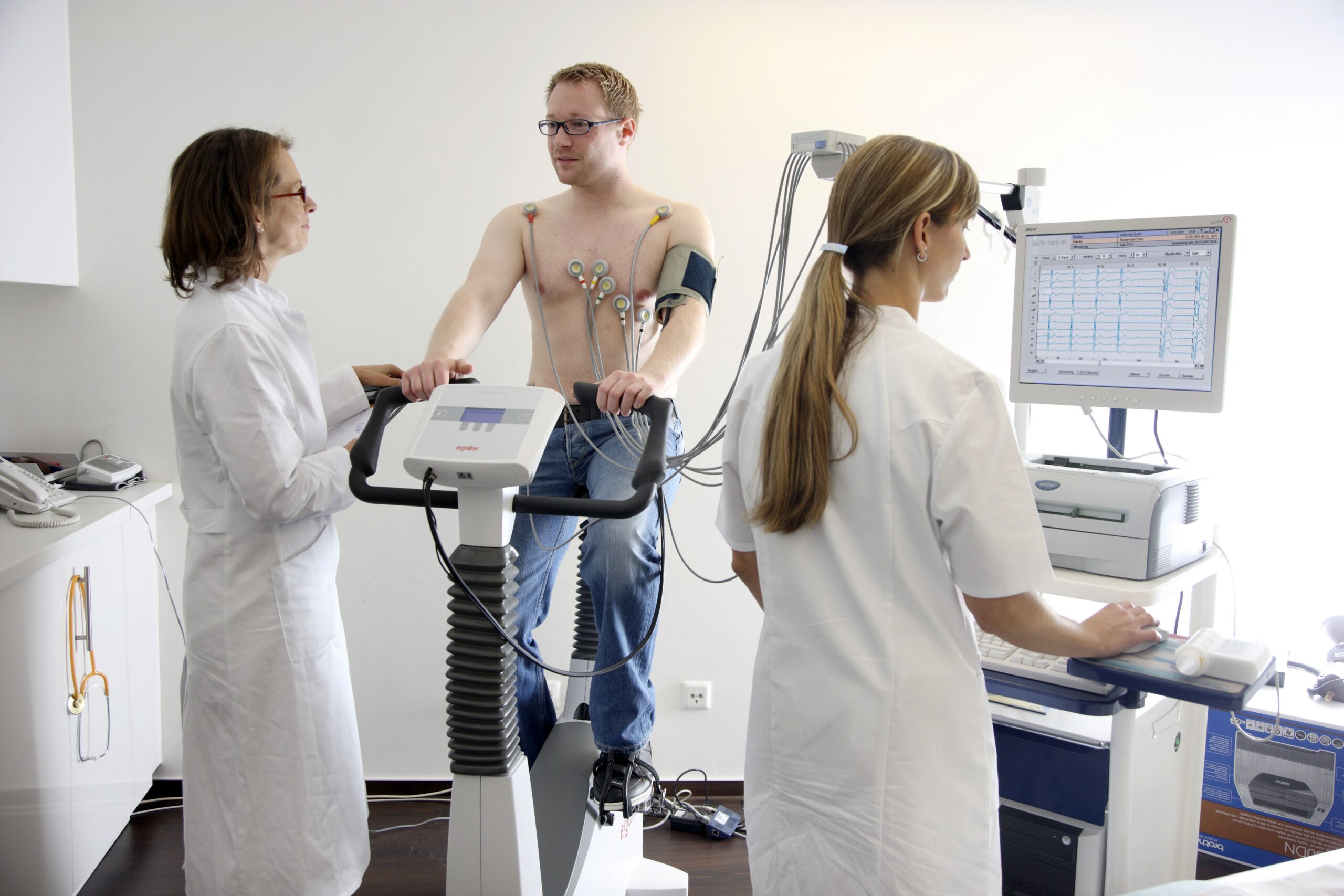
    Stress Test EchocardiogramWho performs it? A qualified doctor will perform the stress test echocardiogram. But they may also ask a nurse or technician to help them. Why is it done? Stress tests are done before surgery to ensure your heart can cope with any problems during an operation.

    Then Echocardiography Is Performed

    Echocardiography is a non-invasive test that uses sound waves to detect heart problems. A heart specialist Sydney, can use it to identify heart disease in adults, children, or infants.

    Echocardiography is the most common type of cardiac imaging. In this procedure, an ultrasound transducer generates high-frequency sound waves transmitted into your body and reflected off structures within the chest cavity. A real-time image of these structures appears on a video screen as the transducer tip scans them.

    In the echocardiogram, the doctor will place a stethoscope on your chest while listening to your heartbeat through headphones. They may also use a Doppler device that measures blood flow in your heart. In this procedure, they’ll look for any abnormalities in its rhythm or structure. The doctor may also look for signs of cardiomyopathy. It happens when there’s an abnormality in the muscle of your heart.

    Again, You Walk On A Treadmill, But This Time With Increasingly Steep Slopes And Faster Speeds

    Again, you walk on a treadmill, but this time with increasingly steep slopes and faster speeds. The treadmill speed will increase with each stage. The treadmill slope will increase with each step, going up to 15 degrees. The final test stage will be timed to last one hour (60 minutes) and have handrails on either side for safety. You mustn’t stop walking or try to get off during any part of this test!

    Holter monitor test Sydney is a medical imaging procedure used to diagnose heart disease. It’s like other tests like x-rays and CT scans but uses sound waves instead of radiation. The main difference between regular echocardiograms and stress tests is that they’re performed while you’re exercising on a treadmill.

    The treadmill speed will increase with each stage. The treadmill slope will also increase with each scene, up to 15 degrees. You will be asked to change clothes for the final stage. The final test stage will last one hour and have handrails on either side for safety.

    In The Final Stage, They Monitor Heart Rhythm And Blood Pressure For Half An Hour In A State Of Complete Rest

    In the final stage, they monitor heart rhythm and blood pressure for half an hour in a state of complete rest. You will lie down, breathe slowly, relax, or close your eyes. The test’s physician will likely ask about your medical history and medications. So they can tailor the exams accordingly. Stress tests can be performed by a range of physicians with different specialties. So, talking with them beforehand is essential if any concerns or questions haven’t been addressed through previous conversations.

    The results from these examinations may lead to additional tests such as an echocardiogram if abnormalities are detected during stress testing. However, many patients do not need further follow-up care or treatment once their stress test results are average.

    The Process If Fully Completed Within An Hour And Is Not Invasive At All

    Stress test echocardiogram Sydney is a non-invasive process that has no side effects. It is completed within an hour and does not involve you having to take any medicines or painkillers. The test determines your heart’s ability to function efficiently at high exertion levels. It measures the blood flow through your heart when you exercise.

    The test requires using an ultrasound machine that measures blood movement through various parts of your body during exercise. The technician will attach it to different parts of your body, such as the arms, legs and chest area. There may be some discomfort when connecting these devices to specific areas such as arms or legs. But this should only last for a few minutes before being removed again with no lasting effects afterwards whatsoever!

    Heart rate will be monitored throughout each part, just in case, anything goes wrong. So, tell them beforehand if there’s anything they should know ahead just in case something happens unexpectedly!

    Conclusion

    The stress test echocardiogram Sydney is a safe and effective way to assess your heart health. It can detect early signs of heart disease and is especially useful for patients with risk factors such as diabetes or high blood pressure. If you’re concerned about your heart, talk with your doctor about scheduling an appointment with one of the specialists today!

  • Lithium Starter Battery for Cranking AMPs to Power RV and Marine Applications

    Lithium Starter Battery for Cranking AMPs to Power RV and Marine Applications

    Lithium Starter Batteries have emerged as the best choice for Australians to power RVs & Boats. CCA and RC are the two power ratings found on an automobile starting battery. These power ratings are critical considerations when buying a new battery for your vehicle, for RVs or for marine applications and should not be disregarded.

    Cold Cranking Amps of Lithium Starter Battery

    CCA is an abbreviation for Cold Cranking Amps, which is the amount of current (measured in amps) that a battery can offer for 30 seconds at 0 degrees Fahrenheit or at -18 degrees Celsius. This rating is significant since a battery needs to work harder in cold weather to start its engine. The CCA rating indicates how much power the battery can deliver.

    In severely cold temperatures, the capacity of Lithium Starter Batteries tends to reduce by up to 75%. If you reside in a cold area, use a battery with the maximum CCA feasible. Never use a battery with a lower CCA rating than the one recommended for your vehicle! If in doubt, consult your vehicle’s owner’s handbook or a representative at your local battery supply store.

    Reserve Capacity of Lithium Starter Batteries

    The reserve capacity of a Lithium Cranking Battery is the amount of time it can produce 25 amps at 80 degrees Fahrenheit in minutes or at 26.7 degrees Celsius. The reserve capacity of a battery is significant since the electrical system in your car will need to be maintained in case the car alternator fails. Headlights, turn signals, automobile stereos, and other devices with low RC ratings will quickly drain a battery by utilising amps. If you often use your audio or other devices when your car is not running, you should select a battery with a high RC rating when replacing it.

    A low reserve capacity battery may place you in No Man’s Land since automobile or RV equipment such as headlights, indicators, audio systems, power windows, sunroof, and so on can burn stored electricity at high speeds. If you appreciate modern entertainment systems and use them while your car is stationary, such as play stations, stereos, DVDs, reverse cameras, and other accessories, you should pick lithium starting battery over an acid battery. A 12v LiFePo4 starting battery offers the highest RC rating of any type of battery.

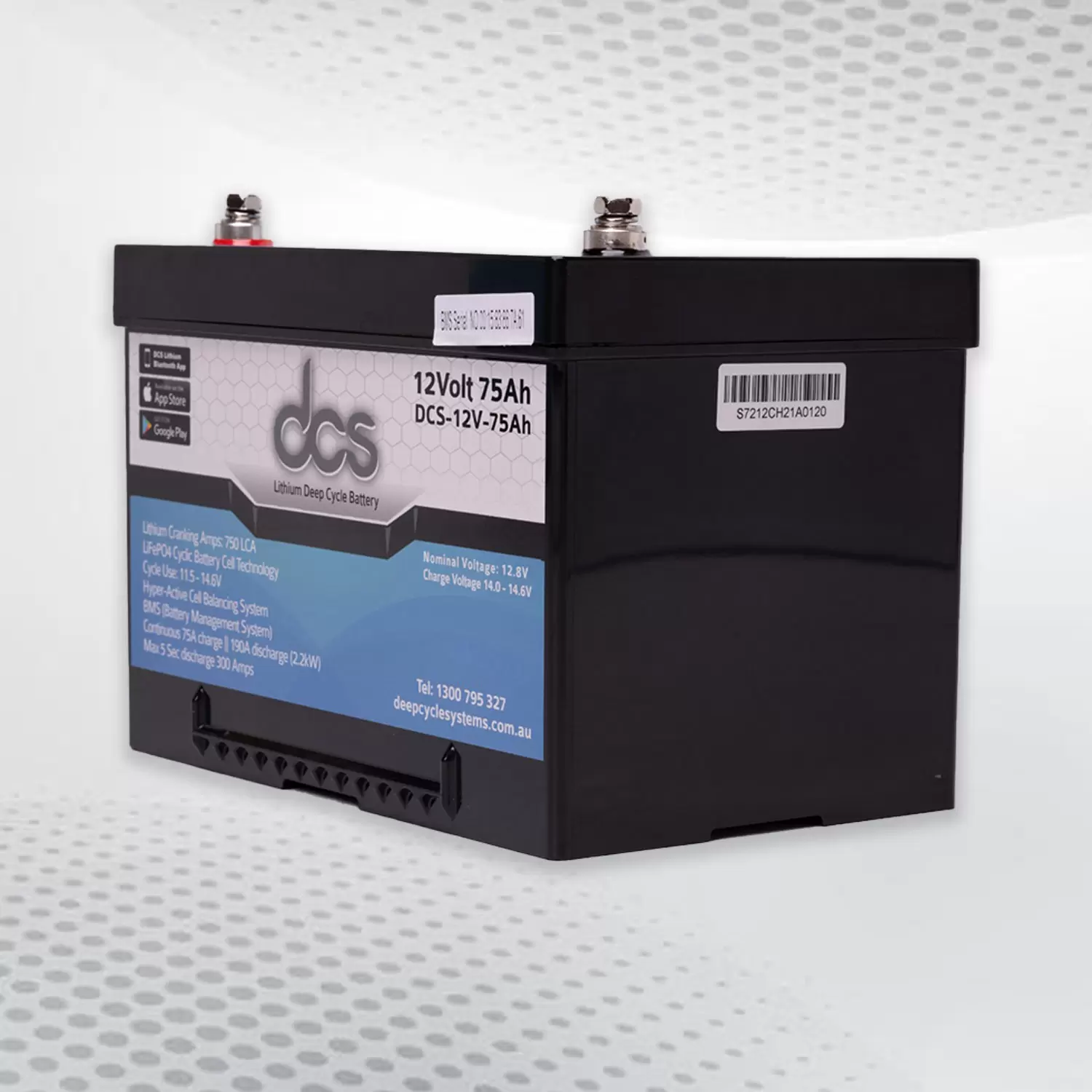
    Lithium Cranking BatteryKey Benefits of Lithium Starter Batteries
    • Lithium batteries are lighter and last longer than lead acid batteries
    • Lithium batteries are more efficient
    • Lithium batteries are more durable
    • Lithium batteries are safer
    • Lithium batteries are more environmentally friendly
    • Lithium batteries are more cost-effective

    Lithium RV Batteries

    Lithium RV Batteries are a great alternative to lead acid batteries, especially for adventurists who love to travel most of the time. They are more energy dense, lighter, have a longer life span, and are more expensive than lead acid batteries. Lithium batteries are also the best source of power for automotive applications such as electric vehicles (EVs), plug-in hybrid electric vehicles (PHEVs), and fuel cell electric vehicles (FCEV).

    The starting battery market has transitioned fully to Lithium Iron Phosphate battery chemistry, and the change is now practically complete across all automobile manufacturers, notably EV and hybrid manufacturers. The 12v LiFePo4 Starter Battery packs are the best aftermarket option for gas, diesel, and hybrid vehicles.

    Lithium Iron Phosphate Batteries in RVs 

    The Lithium RV Battery is most common among RV owners due to its added benefits. A lithium RV power pack is lighter than lead-acid batteries and has more power, which makes them well suited for use in recreational vehicles, and you can go extra miles due to its lightweight. Lithium iron phosphate is also unaffected by heat, so it can be discharged to 80% of its capacity without damaging it.

    Lithium Battery Chargers

    • Lithium battery chargers are important for lithium batteries.
    • You need to use a lithium battery charger to charge your lithium batteries.
    • There are different types of lithium battery chargers with different charge rates and voltages as well as current ratings for charging the battery.

    Why Lithium Batteries?

    Lithium batteries have a number of advantages over lead acid batteries. They are:

    • High Energy Density
    • High Power Density
    • High Specific Energy
    • High Specific Power
    • Long Cycle Life
    • Less weight
    • Zero maintenance
    • No ventilation required like acid batteries
    • Quick charge and discharge speed
    • Higher charge efficiency
    • Around 10X lifespan
    • Lower long-term cost

    The benefits of Lithium Cranking Batteries

    Lithium Cranking Batteries are known for their lightweight and high power density, which translates to longer runtime and greater fuel economy. They also come with a much longer lifespan than lead-acid batteries of the same size, making them an excellent choice for seasonal use. And unlike lead-acid batteries, lithiums are relatively resistant to shock and vibration.

    Lithium battery packs can be charged more quickly than wet cells; however, they do not tolerate overcharging well (they have a self-discharge rate that is much lower than other types of battery). While this may seem like a drawback at first glance, there are some benefits: one is that you’ll never accidentally leave your lights on overnight because you forgot about them; another is that if you forget to plug your boat’s battery charger into shore power when coming back from vacation (or otherwise forget), you won’t have any issues with dead or undercharged lithium power packs!

    Lithium Marine Battery

    The marine battery industry is brimming with possibilities, making it difficult to select the best battery type for a given application. The Lithium Marine Batteries are primarily intended for SLI operations or to draw electricity on a regular basis for deep discharge output. Several marketing tactics may divert your focus away from the correct battery.

    Lithium VS Lead-Acid Battery for Marine Applications

    For boat owners, seafarers, and sailors, a 100Ah lithium marine battery, also known as a Type 27 series battery, is all they need for seamless maritime operations in the deep sea or close to shore.]

    Lead-acid battery packs are known for their low prices among all starter battery packs for mariners. But lithium-ion batteries are known for premium features and high-end specs that no other battery type offers. The disadvantages of lead acid are related to outmoded technology that is incompatible with modern equipment, appliances, gadgets, and dynamic usage.

    Where to buy 

    Deep Cycle Systems is a premium battery manufacturer in Australia with global competence and delighted customers all over the world. They have established themselves as a prominent lithium battery manufacturer, including deep cycle and starter batteries. Demand for DCS batteries has grown throughout Australia and Europe. The reason for its popularity is that it never compromises on quality and invests substantially in research and development to find cutting-edge technology that is also environmentally friendly.

  • Reliable Solar Battery Storage for Homes For Long-Lasting Energy Support

    Reliable Solar Battery Storage for Homes For Long-Lasting Energy Support

    Introduction

    Solar energy is the fastest-growing source of renewable electricity in the United States. Solar energy provides homeowners with a clean, sustainable source of power that can help them reduce their monthly energy bills and even save money on their utility bill over time. A new technology called solar battery storage for homes emerged as an option for homeowners who want to store their solar-powered electricity for later use during outages or just to reduce their dependence on conventional utility companies. Homeowners should consider whether they need such a system in order to make sure they’re getting the right kind of support. From solar storage batteries at home—or whether they can get by without one altogether!

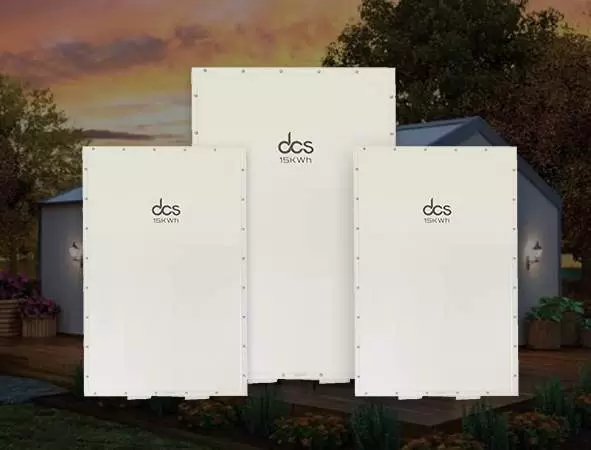
    solar battery storage for homesSolar battery storage for homes exist to help you store solar energy until you need it.

    Best solar battery storage can use for long-term storage or short-term storage. A lot of people opt for solar battery backup systems. Because they are the easiest way to store their energy. Which is good news if you’re looking for a quick solution.

    Solar power is on the rise thanks to its many benefits and low cost of operation. But sometimes even a sunny day isn’t enough! This means that storing extra power is necessary in order to keep up with all your devices. 

    Most home solar battery storage solutions are lithium ion batteries with a few newer systems using other technologies.

    • Lithium ion batteries are the most common type of home best solar battery storage. They have a high energy density. Which means they can store more power in a smaller space than other types of batteries. Because they can use to store more power and provide more electricity during peak demand times. Home solar battery storage is ideal for homes with heavy electricity demands (like those with swimming pools or electric cars).
    • The most important factor when choosing lithium ion batteries is their lifespan: the amount of time you get out of them before they need to be replaced. Lithium ion batteries tend to last longer than other types. Because they aren’t prone to degradation from overcharging or excessive discharge cycles like other types may be.

    Solar storage batteries can lose their effectiveness over time, although some have longer lifespans than others.

    You should know that solar storage batteries can lose their effectiveness over time, although some have longer lifespans than others. For instance, lithium-ion batteries may last for up to 15 years while lead acid batteries only last for 5-10 years.

    Because of home solar battery storage, it is important to make sure you are replacing your battery at least every five years or so. If you don’t replace your battery before it fails (which can happen unexpectedly). Then you will likely have an emergency situation on your hands as soon as the power goes out and your home becomes completely reliant on its backup energy source.

    Different kinds of solar batteries have different strengths, making them better for either cold weather or warmer climates, for example.

    Different kinds of solar battery storage systems have different strengths, making them better for either cold weather or warmer climates, for example.

    Lithium ion batteries are the most common type of solar battery. They’re lightweight and long lasting. But they’re also the most expensive and least efficient. These are great if you live in a cold climate or at higher altitudes where heat affects performance more than it does in other areas.

    Lead acid batteries are often used in backup systems. Because they’re less expensive than lithium ion ones. But they don’t last as long and have lower outputs. They’re perfect for hot climates since they won’t overheat as easily as lithium ion ones do when exposed to high temperatures.

    Homeowners who do not have a grid connection and rely on solar power exclusively will benefit the most from a battery system.

    The best way to understand how a solar battery storage systems work is to think about it. As an extension of your power supply. When you are using your solar panels for electricity. You are generating power from the sun. The batteries will store the extra energy generated by your solar panels. So that it can use later when there is a need for it.

    For example, if you have been using all of the electricity generated by your solar panels and storing some in the battery. Then if there is no sunlight for some time (for example during winter). Then this stored energy in the battery will make sure that you still have access to electricity even if there isn’t enough sunlight available.

    Installing a solar battery at your own home is a project best handled by an experienced professional rather than doing it yourself.

    If you’re looking to install a best solar battery storage at your own home, it is best handled by an experienced professional rather than doing it yourself. There are two main types of solar batteries: lithium iron phosphate and lead acid. Each one has its own advantages and disadvantages. But the most important thing to consider when choosing which one to use is how much storage capacity your household needs.

    When installing a solar battery system for your home, there are several things. That should be considered so that it runs effectively for years. Without any problems or complications down the road. One of these considerations is having multiple batteries installed in order to have enough power stored in case something goes wrong with one of them during operation. 

    With a reliable home solar battery storage system. You can have a sustainable and renewable source of power for your home, even during outages in the main power grid.

    A reliable home solar battery storage system is the key to having a sustainable and renewable source of power for your home, even during outages in the main power grid. A best solar battery storage system allows homeowners without a grid connection to store energy produced by their solar panels and use it at times when there’s no sun available. Different types of batteries work well for different climates. So you’ll want to research what’s best for where you live before making any decisions about which one to choose.

    Some more points to cover in this section are:

    • How does a home solar battery storage system work?
    • What are some benefits of using one?

    Conclusion

    Best solar battery storage systems are a great addition to any home. That needs an alternative energy source or wants to get off the grid entirely. They are also a good investment if you live in an area where there are frequent outages due to storms or other natural disasters. The best part about these batteries is that they can provide power for your home even when the grid goes down!

  • The Things a Person Should know About Holter Monitor Test Sydney

    The Things a Person Should know About Holter Monitor Test Sydney

    Holter monitor test Sydney is a 24-hour test that monitors your heart rate and rhythm. This test can help doctors diagnose arrhythmias such as atrial fibrillation or ventricular tachycardia. The test involves wearing a portable ECG monitor. It’s usually perform when you are at rest, not asleep or doing activities like eating or walking around. A Holter monitor is small enough to fit inside your pocket and doesn’t have any wires attached to your body. The device has electrodes attached to your chest by adhesive patches that attach themselves firmly without causing any discomfort during the entire period of wear time over 24 hours.

    Per your doctor’s advice, the test is performed for 24 hours, or even 48 hours.

    It’s performed in the hospital, and you will provide a diary and a pen to write down what happens during the test period since it may help explain your symptoms later. You should know that Holter monitoring takes place in an open-plan room with several other patients. To avoid disturb by any external noise, headphones are also given to you with music or soft sounds through which you can relax during this process.

    Holter monitor test Sydney

    You can take a shower while wearing this device.

     You must remove it before shower, but you can wash your hair while wearing it.

    • Take off the device if you take a bath or swim in chlorinated water. 
    • Don’t get the electrodes wet. They are very sensitive and could get damaged if they come into contact with water or sweat, so keep them dry at all times. 

    Your doctor will tell you to follow a daily activity routine while wearing this monitor.

    • Do not perform any strenuous exercise. 
    • Do not lift heavy objects. 
    • Do not engage in sexual activity. The increased heart rate during sexual intercourse and orgasm may affect the test, making it difficult for the technician to record your heart rhythm properly. 
    • Avoid drinking alcohol or using drugs (including over-the-counter medications with stimulants) for the duration of your test, as they can affect your overall health and may skew results from your holter monitor test. 
    • Avoid smoking or using caffeine products such as tea, coffee and energy drinks during this period as well because these substances increase stress levels in the body which can interfere with how well you sleep at night while wearing your monitor device (and therefore affect its readings). As we mentioned above already: don’t drive either! 

    You will also given a diary and a pen in which you have to write down your symptoms.

    When you are at home for the stress test echocardiogram sydney, you will given a diary and a pen in which you have to write down your symptoms. You mustn’t worry about what is normal or not. It also does not matter if you write more than once on the same day if something occurs again. If something happens again then make sure that it is wrote down again so that the doctor can see if there is any pattern developing. If certain things occur regularly, then make sure they are written down so that they can be monitore and treatment plans can be performed accordingly.

    Make sure to follow the instructions of your doctor.

    The doctor’s instructions should be follow. Do not eat or drink anything while wearing the monitor. Also make sure not take any medication while wearing the monitor, unless your doctor instructs you to do so. Do not sleep while wearing the monitor, if it is possible to stay awake while doing so (for example, if you are employed during this time). If you smoke, try to stop smoking entirely before getting tested. If needed and if possible, try exercising at a moderate level without becoming too tired or working up a sweat (again, this may conflict with employment).

    You will not be allow to drive because of the wires attached to the device.

    There are many things a person should know about a holter monitor. One of those things is that you will not be allow to drive while wearing the holter monitor because it’s dangerous and illegal. You cannot drive while wearing the holter monitor because it is unsafe to do so. The wires from the device can get tangled in your steering wheel, causing serious accidents if they catch on anything while driving. It is also illegal to drive with wires attached to your body because they may injure other drivers or passengers in an accident if they become entangled with them during driving.

    It’s advised by the doctors that patients should avoid sleeping on their right side while on this test.

    It’s advised by the doctors that patients should avoid sleeping on their right side while on this test. The reason for this is that it will result in the shifting of leads and electrodes. One should also avoid lying down for long periods of time as it can cause discomfort. When one does not have the option to change their sleeping position, they may place an extra pillow between the legs and knees so that they do not shift towards the right side during sleep. If you cannot manage these precautions, then make sure to tell your doctor or nurse before going into deep sleep so they can reposition you back onto your left side again

    Holter monitoring is use to assess the heart’s rhythm over a longer period than an ECG

    One of the fascinating parts of a heart-related study is when it’s time to see what your heart does during an activity. The easiest way to do this is with a Holter monitor, which measures your heart rhythm over time. It can be used for any exercise and will give you insight into what results you can expect from your workout regimen. It can also help doctors determine whether or not you’re at risk for dangerous conditions like arrhythmia or atrial fibrillation (AF).

    Conclusion

    If a person has a holter monitor test, they should know that it will take a few hours at least, and also be aware that some people may not be able to have one due to certain health issues. If you have questions about whether or not this test is right for you, talk with your heart specialist Sydney before making any decisions!

  • Self-Sufficiency with 12V Lithium Ion Batteries for solar

    Self-Sufficiency with 12V Lithium Ion Batteries for solar

    Lithium Ion Batteries are a great option for solar power, especially if you have limited space. Lithium-ion batteries are smaller in size when compared to the standard lead-acid batteries and can be used in more portable applications like boats, RVs and other off-grid locations. 12v Lithium-ion batteries do not require maintenance like lead acid batteries, and they can handle temperature extremes better as well. So what exactly makes them so great? Let’s take a look at some of the key differences between these two types of batteries:

    lithium battery

    Why Are Lithium Batteries so Great?

    Lithium batteries are a great choice for solar systems because they are lightweight and can be used in a wide variety of applications. They also have higher energy densities than traditional lead acid batteries due to the use of lithium ions instead of lead, meaning they require less space and weight. This is beneficial on any vehicle, but especially so on motorcycles where every pound counts.

    It’s important to keep in mind that not all lithium-ion batteries are created equal. To get the best results possible with your motorcycle, look for a battery that offers high performance at an affordable price point.

    How To Choose A Battery

    What are the key things to consider when choosing a 12v battery lithium for Solar harnessing?

    Capacity of 12V lithium batteries

    12V lithium batteries

    The battery capacity is measured in amp-hours, also known as Ah. The higher the Ah, the longer your battery will last with a given load (e.g., lights). For example, if you talk about the capacity of 12V lithium batteries of 100ah capacity to power a lighting load of 150 watts, you can get a backup time of 8 hours on full discharge.

    Reserve capacity

    Also known as “cold cranking amps” or CCA, this indicates how much current can be delivered from a fully charged battery at 0 degrees Fahrenheit for 30 seconds before dropping below 7 volts. It’s important for starting an engine when it’s cold or starting after having been stored for an extended period of time—and it’s also valuable for providing power to accessories like lights, pumps and winches that require higher currents than most cars batteries can provide during engine cranking.

    Voltage

    Twelve volt systems are popular because they’re easy to maintain since there are only two terminals instead of four.

    Lifespan

    This depends on factors including capacity (which determines charging characteristics), efficiency in discharging energy and discharge rate (how quickly you draw down your charge). A good lithium-ion battery should last at least three years under normal use conditions.

    Size

    Smaller batteries cost less up front but may not have enough capacity if large loads need to run off them—for example, fans might overheat because they don’t have enough airflow through them due to limited airflow through very small vents built into smaller-sized units which leads us back around again into deciding which size suits best depending on what your needs are so thought carefully about those requirements before making any decisions!

    What are the key things to consider when choosing a 12V solar battery?

    Before you buy a 12v lithium-ion battery, it’s important to consider the following four factors:

    • The battery’s maximum power output.
    • The battery’s maximum current output.
    • The battery’s maximum voltage.
    • The battery’s depth of discharge (or the amount of energy that can be removed from a fully charged state).

    Important Considerations For Your Solar System

    For a system to work, you need to know the following:

    • The power output of your solar system.
    • The power consumption of your solar system.
    • The battery capacity of your solar system.
    • How many batteries there are in the complete pack and what their voltage is (your total number of cells).

    Choosing the right battery for your Solar System, Van or RV

    The first step in choosing a battery is to consider how much power you need, how long you need the battery to last, and what size of solar panel will be best for your system. The second step is finding out if your vehicle has trailer wiring so that it can connect with another vehicle.

    Lead Acid vs Lithium Ion Batteries

    Lead-acid batteries are the most common type of battery used in solar systems. They are cheaper than lithium-ion batteries and have a longer lifespan. However, they also weigh more than lithium-ion batteries do.

    For this reason, it makes sense for some homeowners to go with lead acid instead of lithium-ion if they don’t need their solar system to run constantly—for example, if they only want it to run when the sun’s out or when there’s enough sunlight for the solar panels to be worth powering up.

     Other Notable Things About 12V Lithium Ion

    • Lithium Ion Batteries have a higher energy density than lead acid
    • Lithium Ion Batteries are lighter than lead acid
    • Lithium Ion Batteries have a longer shelf life than lead acid

    This section is to be replaced with text from 1) and/or 2). Check my notes on the aspects of 12V Li-Ion that are likely to be most interesting to our audience.

    Batteries are the most significant part of a solar energy system. They are the heart of your energy storage system, and they determine how much power you can generate from solar panels during a given day or week. Battery life is directly proportional to the amount of solar power you can generate: for example, if your batteries store 500 Wh (watt-hours) per day but only have a capacity rating of 200 Wh/day, then it will take two days to fully recharge them using only 100 Wp (watts peak) worth of panels. The more expensive battery packs will have higher capacities per unit mass than cheaper ones—but they also carry higher price tags as well!

    Conclusion

    Deep Cycle Systems is no doubt among the leading deep cycle battery manufacturer. The thing that distinguishes it from other ordinary manufacturers is that they have developed their own BMS rather than opting for made-in-China BMS. They made batteries for various purposes including:

    • Lithium Batteries for Home
    • Lithium Batteries for Offices
    • Lithium Batteries for Cars
    • Lithium Batteries for Factories
    • Lithium Batteries for Golf Carts